PaintLine PDRKD Shelf Felts - PDRKD felts
PaintLine PDRKD Shelf Felts - PDRKD felts
Couldn't load pickup availability

PaintLine PDRKD Shelf Felts - PDRKD felts
PaintLine PDRKD Shelf Felts - PDRKD felts
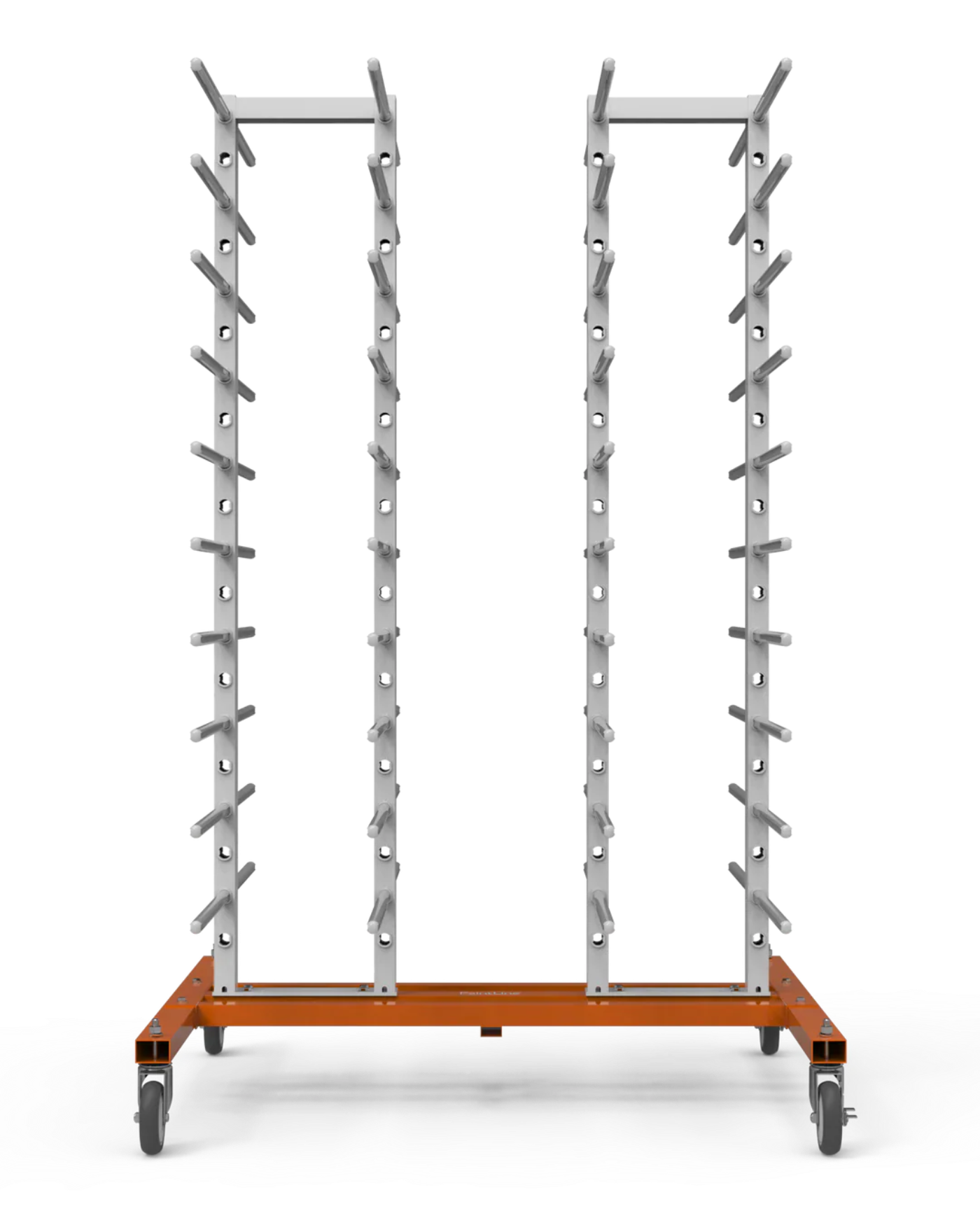
Spikes or Felts snap on to the ProDryingRack (PDRKD) Shelf to minimize the surface area touching the stained or painted part. Use 3 or more per shelf.
- Use: Minimizes contact between door and the PDRKD shelf
- Quantity: 150 pieces (enough for 3 per shelf, recommended to use one on the front and one on each side)
- Size: 1/4" centered hole
- Material: plastic
- Color: orange
What our Experts Think
-
Essential finish-protection accessory
The PDRKD Shelf Felts are designed specifically for the PaintLine ProDryingRack system, helping protect freshly painted or stained cabinet doors from surface marks during drying. -
Soft contact surface for premium finishes
Each felt pad reduces hard metal contact, minimizing the risk of imprints, scratches, or pressure marks on high-end finishes. -
Snap-on, production-friendly design
Installs directly onto rack shelves for fast setup and removal, keeping workflow efficient in busy cabinet shops. -
Improves finish quality consistency
Helps maintain a clean, professional result by ensuring even, cushioned support across all drying points. -
Made for high-volume shop use
Supplied in bulk sets (typically 150 pcs), making it ideal for continuous cabinet production environments. -
Works best in controlled finishing workflows
Commonly used in tandem with spikes/felts layouts to balance support, spacing, and surface protection across multiple doors per shelf. -
Cost-effective protection layer
A small add-on that helps reduce costly rework, touch-ups, or finish defects.
Q&A
Q: What are PaintLine PDRKD Shelf Felts?
A: They are soft protective snap-on pads designed for the ProDryingRack KD system to cushion cabinet doors and reduce surface contact during drying and finishing.
Q: What is their main purpose?
A: They minimize marks, scratches, and finish defects by reducing direct contact between freshly painted/stained surfaces and the rack shelves.
Q: How are they used?
A: They snap onto PDRKD shelf points, typically used in sets of three per shelf (front and sides) to evenly support cabinet doors during drying.
Q: What material are they made of?
A: They are made from durable plastic with a soft felt-style contact surface designed to protect finished surfaces.
Q: How many come in a pack?
A: Each set includes 150 pieces, enough for full rack coverage in professional shop setups.
Q: What are they best used for?
A: Ideal for cabinet shops, painters, and woodworking professionals finishing doors, drawers, and panels.
Q: What’s the key benefit over hard supports?
A: They provide a softer contact point to reduce imprinting or pressure marks on freshly finished surfaces.
Q: Are they reusable?
A: Yes, they are reusable, but their lifespan depends on usage frequency and finish buildup.
Q: Do they improve finishing quality?
A: Yes, they help achieve cleaner, more professional results by minimizing rack contact marks.
Q: What system are they compatible with?
A: They are specifically designed for the PaintLine ProDryingRack KD (PDRKD) system.
Q: What is the main advantage overall?
A: Better surface protection during drying, especially for high-end cabinet finishing where even small marks matter.
Maintenance Tips
- Keep felts clean and paint-free: Remove overspray and dried finish buildup so the padded contact surface stays smooth and protective for cabinet doors.
- Check adhesion regularly: Ensure each felt is firmly attached to the snap-on base—loose or missing pads can cause surface marks on freshly finished parts.
- Replace worn or flattened felts: If cushioning is compressed or damaged, replace to maintain proper protection between shelf and workpiece.
- Inspect before every load cycle: Quick check prevents scratches caused by exposed plastic tips or missing pads.
- Store clean and dry when not in use: Prevent dust buildup and preserve material integrity for consistent finishing results.
- Avoid solvent saturation: Harsh chemicals can degrade adhesive and reduce pad lifespan over tim