

When summer rolls around and the backyard starts calling, few projects pay off the way a wood-fired pizza oven does. Whether you grew up with the smell of hardwood smoke drifting through the neighborhood or you're just chasing that bubbled, charred crust you can't seem to replicate indoors, building your own oven turns the yard into a destination. Friends show up earlier. Dinner stretches longer. And the food, somehow, just tastes better.
The flavor and aroma of a fresh pizza pulled from a wood-fired oven is hard to put into words and almost impossible to fake. There's a reason humans have been cooking this way for thousands of years — communal ovens have been unearthed at archaeological sites dating back more than 14,000 years, from the Middle East to early New England settlements. The wood, the fire, the gathering around the hearth: it's wired into us.
That same spirit lives on in backyards across the country today. From homemade brick ovens tucked beside garden patios to gleaming modular kits anchoring a new outdoor kitchen, more homeowners than ever are deciding it's time to bring fire and flour together at home.
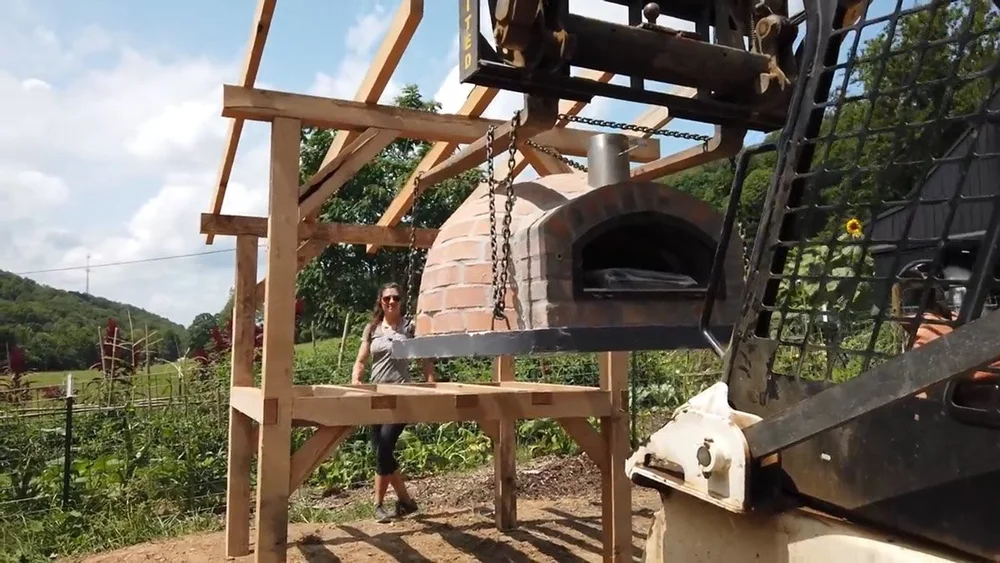 Ready to plan your own build? Wood-fired ovens aren't a one-size-fits-all decision, and your choice will come down to space, budget, time, and how deep you want to go. Let's walk through the main paths so you can figure out which one fits you best.
The Big Build: Permanent Masonry & Modular Ovens
This is the category most people picture when they imagine a real wood-fired oven — a permanent, hearth-style structure that becomes part of the property itself. These ovens require the most commitment in time, money, and labor, but the payoff is enormous: the size, the heat retention, the sheer presence in your yard. If you're going to do it once and do it right, this is the lane.
There are two main routes here: full masonry builds (brick, stone, refractory cement — built up from scratch) and modular kits (a prefabricated core with a finished exterior you complete on site).
Masonry builds demand serious planning. You'll need a proper foundation, careful sourcing of firebrick and insulation materials, and ideally some hands-on experience or a willing pro. The trade-off is a one-of-a-kind, long-lasting oven sized exactly to your cooking habits. Most full builds end up somewhere around 5 by 7 feet of footprint and can run from a long weekend project to a multi-month build, depending on scope.
Modular kits meet you halfway. The dome and floor arrive prefabricated, you handle the base, insulation, and exterior finish, and you end up with something that looks custom but doesn't require you to learn masonry from scratch. Kits range in price widely depending on size and finish — from a couple of thousand dollars for entry-level models to far more for high-capacity restaurant-grade units.
The Middle Path: Stand-Alone & Mud Ovens
If you want the wood-fired experience without the heavy lift of a permanent build, there's a whole middle tier worth looking at. These options land somewhere between weekend project and lifetime fixture — lower cost, faster setup, and still capable of turning out remarkable pizza.
Stand-alone ovens can be ordered online, will arrive in a matter of weeks, and once they're set in place you're ready to cook. They're easily the most convenient option for someone who wants a serious oven without the construction headache. Many sit on a wheeled cart or fixed base, so you've got some flexibility on placement too.
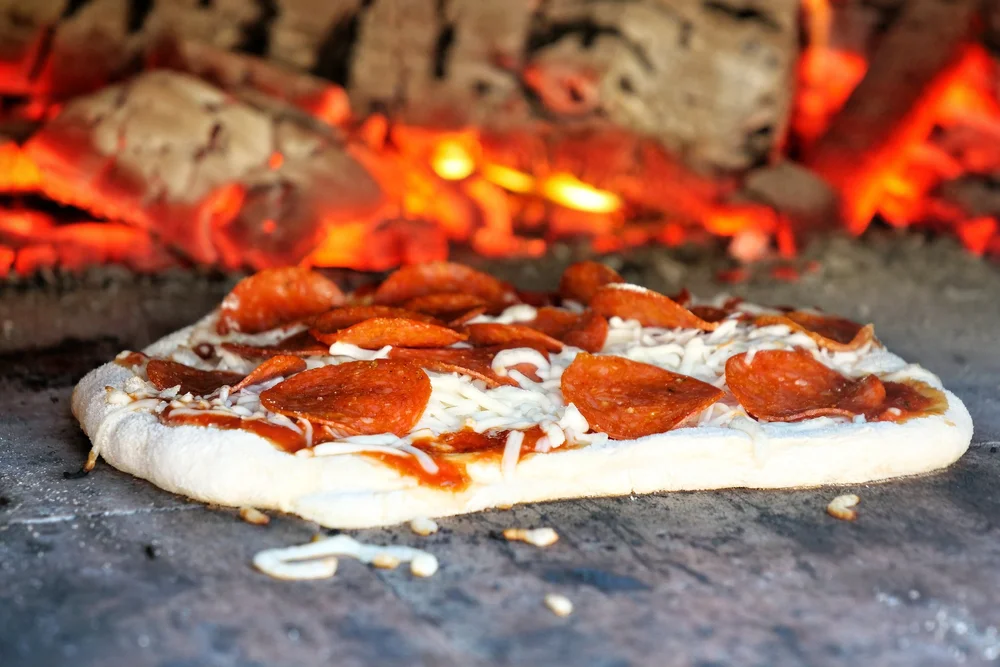 Then there are mud ovens — cob ovens, earth ovens, whatever name you've heard. These have been built for thousands of years using nothing more than clay, sand, straw, and water. They're cheap, they're surprisingly effective, and building one is genuinely fun. If you have a weekend, some willing friends, and access to the right materials, you can have a working oven by Monday. Resources like community workshops and books on backyard earth ovens will walk you through it.
Mud ovens are a fantastic teaching tool too — they're perfect for community projects, family builds, and anyone who wants to understand how these ovens actually work before committing to something bigger.
Pros
Lower cost, easier to build, and a genuinely rewarding hands-on project. Great for first-timers.
Cons
Less weatherproof and shorter-lived than masonry. Mud ovens especially need a roof or shelter to last.
The Light Lift: Tabletop & Portable Pizza Ovens
Short on space? Renting? Just want pizza on a Tuesday without firing up a yard-sized hearth? The boom in tabletop wood-fired pizza ovens is the best thing to happen to home pizza in years.
These compact ovens fire up fast — many hit 800°F in fifteen to twenty minutes — and turn out a real, properly charred pizza in under two minutes. They burn small loads of hardwood or pellets, sit on a patio table or stand, and pack down easily for storage. The footprint is tiny, the learning curve is short, and the results genuinely rival much bigger ovens for personal-sized pies.
For about the same money as a decent gas grill, you get a serious piece of cooking gear that fits anywhere. Most tabletop models will also handle flatbreads, roasted vegetables, seared steaks, and anything else you'd cook in a high-heat oven. They're the easiest entry point into the wood-fired world — and for a lot of households, they end up being the only oven they ever need.
Choose the Right Oven for Your Backyard
Every yard, every cook, and every budget points to a different oven. Some of us want the masonry build that becomes a family heirloom. Others want to plug in a kit, fire it Friday night, and feed the neighborhood. And some of us just want hot pizza, fast, on a Tuesday.
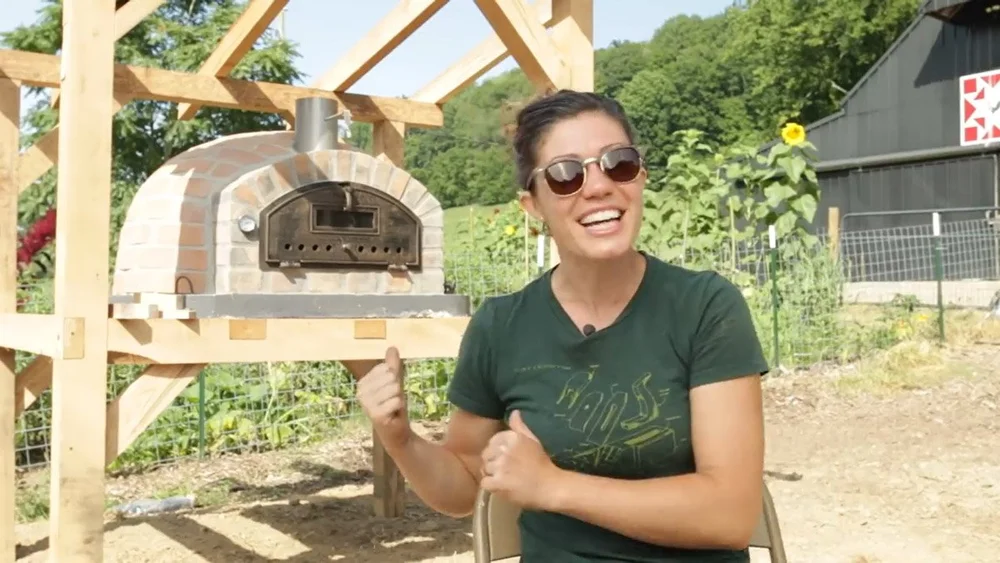 Wherever you land, the goal is the same: real fire, real flavor, real time spent outside with the people you like. If you're leaning toward a kit-style build — the kind that gives you that authentic Tuscan dome look without learning to lay brick — there's one option we'd point you toward first.
WPPO DIY Tuscany Wood-Fired Outdoor Pizza Oven Kit
The 39" x 50" x 25" WPPO DIY Tuscany Kit gives you a true wood-fired oven without the months of bricklaying. Stainless steel flue, black door, and a dome built for serious heat retention — ready to be finished into the centerpiece of your yard.
Shop WPPO Tuscany KitHowever you start — masonry, modular, mud, or tabletop — the best wood-fired oven is the one that actually gets used. Pick the path that fits your space and your weekends, light the first fire, and the rest takes care of itself.