

There's nothing quite as inviting as the steady warmth of a wood burning stove. As a time-tested, efficient, and low-carbon way to heat your home, wood burning is a natural choice for households looking for a renewable and dependable source of warmth.
Like any serious home appliance, however, a wood burning stove asks a few basic safety considerations of its owner. Used well, it will reward you with years of reliable comfort — used carelessly, it can create real hazards.
This article walks through our top five safety tips, including the importance of professional installation and choosing the right fuel, so that you and your family get the fullest benefit from your stove season after season.
The Importance of Wood Burning Stove Safety
Every new wood stove ships with a complete set of manufacturer instructions. These contain critical technical and safety information along with detailed guidance on the correct operation and maintenance of your stove, and, where applicable, your product warranty details. It is essential that you read these before lighting your stove for the first time and refer to them regularly as you use your new appliance. A qualified installer will also need these documents on hand when fitting your stove, and you should store them somewhere safe for future reference.
Ignoring these instructions can result in avoidable damage to the stove body and its moving parts, inefficient burning, and unnecessary emissions — all of which shorten the life of your stove and reduce the comfort it delivers.
1.Professional Installation & Ongoing Maintenance
Professional installation and scheduled maintenance are non-negotiable. In many regions, stove installations must either receive local building control approval or be carried out by a certified, competent installer registered with an approved trade scheme for solid fuel combustion appliances. Verifying your installer's credentials protects both your home and your warranty.

Working with a registered competent installer gives you the peace of mind of knowing that they've passed a thorough evaluation of their work and that their qualifications and paperwork are current and in order.
A reputable stove retailer will provide you with a detailed quotation covering the cost of the wood burning stove itself, its installation, and any flue or chimney lining requirements. Many will also offer to carry out the installation directly — either with their own in-house registered installer or by recommending a trusted local specialist. Once your installation is complete, you'll receive the appropriate certificate of compliance.
Your chimney should be swept at least once a year. This is a critical part of ongoing stove maintenance, as sweeping prevents the build-up of soot that reduces the efficiency of your stove and increases its emissions.
Your chimney sweep will also carry out a visual inspection of your stove, but it's smart practice to check the stove glass and any door ropes regularly yourself. If you notice cracks or wear to these components, or to the stove's interior, don't use the stove until the parts have been replaced — contact your retailer or the stove manufacturer to arrange replacements.
Clearing out ash and keeping the stove glass sparkling clean are simple but meaningful jobs that should happen routinely. Always refer to your stove's instruction manual and only carry out maintenance when the appliance is fully cool.
2.Using the Correct Fuel
Much like the engines in our cars, modern wood burning stoves are precision-engineered appliances that require the correct fuel for optimum performance. Feeding your stove the wrong material doesn't just reduce output — it actively harms the appliance.
Never burn rubbish or chemically treated wood in your stove. Doing so risks causing a serious flue blockage and will significantly increase harmful emissions inside and outside your home.
Wood fuel purchased in smaller quantities should meet a recognised "ready to burn" standard, which typically guarantees a moisture content of 20% or less. Properly dried wood helps prevent harmful pollution from domestic wood burning and delivers far more heat per log.
You can purchase unseasoned wood logs in larger quantities, but these must be properly seasoned yourself to reduce their moisture content before use. Depending on the species of wood, this can take up to two years of open-air storage.
A moisture meter is an essential part of any wood burning stove owner's toolkit — these are inexpensive, easy to use, and make sure you are not inadvertently burning wet wood.
Burning wet wood isn't just inefficient; it also produces excess smoke, blackens the stove glass, and contributes to a build-up of damaging creosote inside the stove and flue — so really, don't do it.
3.Installing & Maintaining Your Carbon Monoxide Detector
A carbon monoxide (CO) detector is a legal requirement in many areas when installing or replacing a wood burning stove. If you've recently moved into a property with an existing stove, make sure you fit one if there isn't already in place. Renters should ensure their landlord has a working CO alarm installed.
A by-product of incomplete combustion, carbon monoxide is odourless, tasteless, and invisible — exposure to it can be fatal. It's essential that you have one fitted and that you test it regularly. A working detector is among the cheapest and most important safety investments any stove owner can make.
4.Implementing Fire Safety Measures
A key safety consideration often overlooked with wood burning stoves is the importance of keeping a clear space around your stove at all times.
Your installer will follow established rules for ensuring compliance with the minimum distance from combustible materials when they fit your stove. This may mean fitting a heat shield on or around the stove and providing a suitable fire-resistant hearth in front — but there are a few common-sense habits you'll also need to follow to minimise the risk of fire:
- Don't stack logs against the sides, top, or directly in front of your stove. While this may look attractive, it is dangerous when the stove is lit. The same holds true for magazines, board games, newspapers, drying clothes, or anything else combustible.
- If you have children, older relatives, or vulnerable people in the home, always invest in a fire screen. The surfaces of the stove, the flue pipe, and the glass all become extremely hot during operation, and the best way to avoid burns is to prevent them from happening in the first place.
- Ensure you have a working and easily accessible fire extinguisher somewhere close by in your home — and that every adult in the household knows how to use it.
5.Educate Your Family on Safety Guidelines
One of the genuine pleasures of owning a modern wood burning stove is the quiet security that comes with having a heat source entirely independent of the energy grid — one that uses low-carbon, renewable fuel.
We naturally gather around the fireplace, so use this as an opportunity to make sure everyone in the family is familiar with the stove safety rules and the key dos-and-don'ts outlined above.
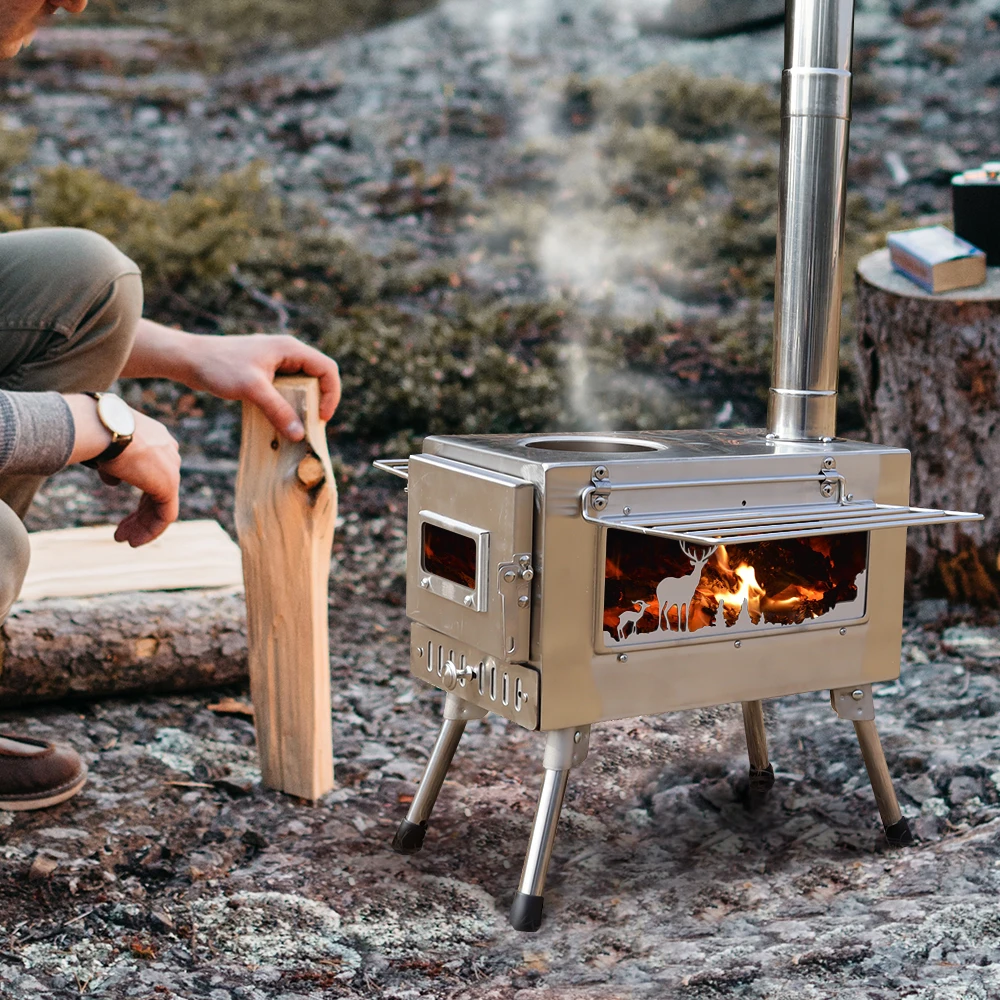
It's helpful to get family members involved in stacking wood, maintaining the stove, and preparing the fire — but be sure they also understand the importance of:
- Keeping the stove door closed except when re-fuelling.
- Never touching the body of the stove or the flue pipe unless the appliance is completely cool.
- Never leaving the stove unattended and making sure the stove is fully extinguished before going to bed or leaving the house.
★Wood Burning Stove Fire Safety
Never underestimate the value of stove safety. Your wood burning stove is designed to deliver hours of comforting warmth and quiet pleasure when used correctly, and following these five simple guidelines will give you the peace of mind of knowing that you and your family are taking all the practical steps needed to enjoy your wood burning stove for many years to come.