

Key Points at a Glance
- Ideal wine cellar humidity sits between 50% and 70%
- Too little humidity dries out corks and causes oxidation
- Too much humidity encourages mold, label damage, and rot
- A quality dehumidifier protects your investment 24/7
- Smart sensors and auto-defrost extend unit lifespan significantly
Wine is one of life's most refined pleasures — and one of the most fragile. Whether you're storing a modest collection or curating thousands of bottles, the environment inside your cellar determines whether each bottle reaches its potential or quietly deteriorates. Humidity is the invisible variable most collectors underestimate until something goes wrong.
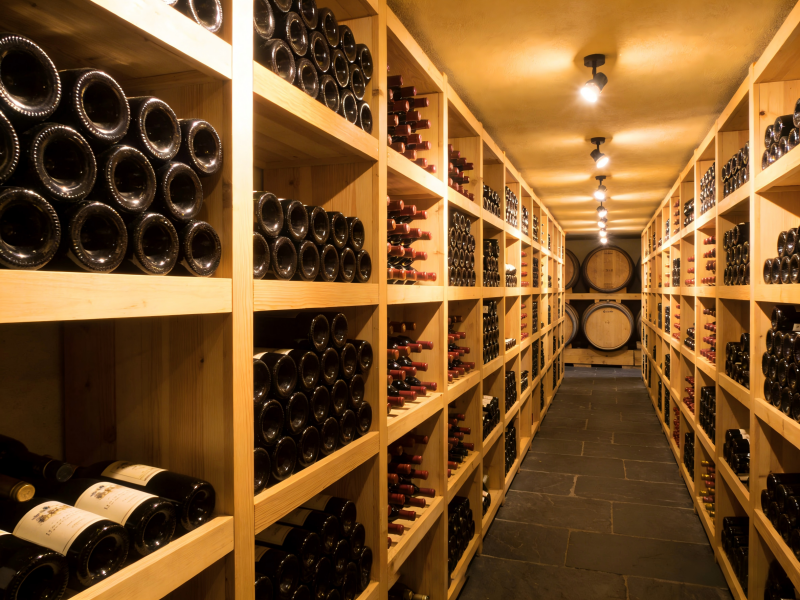
The Humidity Balance Every Cellar Must Achieve
Maintaining ideal humidity levels of 50–70% in your wine storage space is not optional — it is the foundation of proper preservation. Relative humidity directly affects how corks behave inside the bottle, and corks are your wine's only line of defense against the outside air.
At levels too low, cork begins to shrink and dry out, allowing oxygen to seep in and oxidize your wine. At levels too high, mold begins colonizing labels, wooden racks, and eventually the corks themselves. A professional-grade wine cellar dehumidifier keeps this balance locked in around the clock, adjusting automatically as external conditions fluctuate with the seasons.
Too Dry (Below 50%)
- Corks shrink and crack
- Oxygen enters the bottle
- Wine oxidizes prematurely
- Labels peel and flake
Too Humid (Above 75%)
- Mold forms on labels and racks
- Cork rot accelerates
- Wooden structures weaken
- Musty odors contaminate the cellar
Conservation Control: Protecting Your Investment Year-Round
A wine cellar is an investment — sometimes a substantial one. The bottles inside represent not only monetary value but years or decades of careful aging. Humidity fluctuations are among the most damaging threats to that investment, and they often go unnoticed until irreversible damage is done.
Modern wine cellar dehumidifiers provide continuous humidity monitoring, adjusting output in real time to compensate for seasonal changes, temperature swings, or the addition of new bottles. Many units are engineered specifically for the narrow temperature ranges found in cellars — as low as 33°F — unlike standard residential dehumidifiers that fail in cold environments.
4. Label Preservation
The condition of a wine label is more than cosmetic. For collectors and investors, label integrity directly influences resale value, provenance documentation, and auction performance. High humidity creates the perfect breeding ground for mold spores that stain, bubble, and destroy paper labels — sometimes within weeks of exposure.
By maintaining relative humidity at the correct level, a wine cellar dehumidifier ensures that labels remain clean, crisp, and legible for as long as the bottles are stored. For serious collectors, this alone justifies the investment in dedicated humidity control equipment.
Visual Cues: When Your Cellar Is Telling You Something Is Wrong
Not every humidity problem announces itself loudly. Often, the signs are subtle — a faint musty smell when you open the cellar door, a slight tackiness on a label you pull from the rack, or a cork that crumbles slightly when you open a bottle. These are early indicators that your humidity environment has drifted out of the optimal range.
More advanced warning signs include visible condensation on walls or racks, mold spots appearing on labels or wooden fixtures, and corks that push upward in the neck — a sign of pressure from excessive moisture. Investing in a dehumidifier before these signs appear is always the smarter strategy.
Olfactory Signs: What Your Nose Already Knows
The smell inside your wine cellar is a powerful diagnostic tool. A properly maintained cellar should smell clean, slightly cool, and subtly earthy — like aged oak or stone. The moment you detect a musty, damp, or mildewy odor, your humidity balance has already been compromised.
Mold does not need to be visible to be active. It colonizes behind racks, under floorboards, and inside walls long before it appears on surfaces. Persistent odors in a wine cellar are a sign to act immediately — both to identify the moisture source and to install proper humidity control equipment.
Humidity Counts: Numbers That Actually Matter
| Humidity Level | Effect on Wine | Risk Level |
|---|---|---|
| Below 40% | Rapid cork desiccation, oxidation | Critical |
| 40–50% | Gradual cork drying, early label damage | High |
| 50–70% | Ideal preservation conditions | Optimal |
| 70–80% | Surface mold risk, label bubbling | Moderate |
| Above 80% | Active mold, cork rot, structural damage | Critical |
Beginning Your Search: What to Look For in a Wine Cellar Dehumidifier
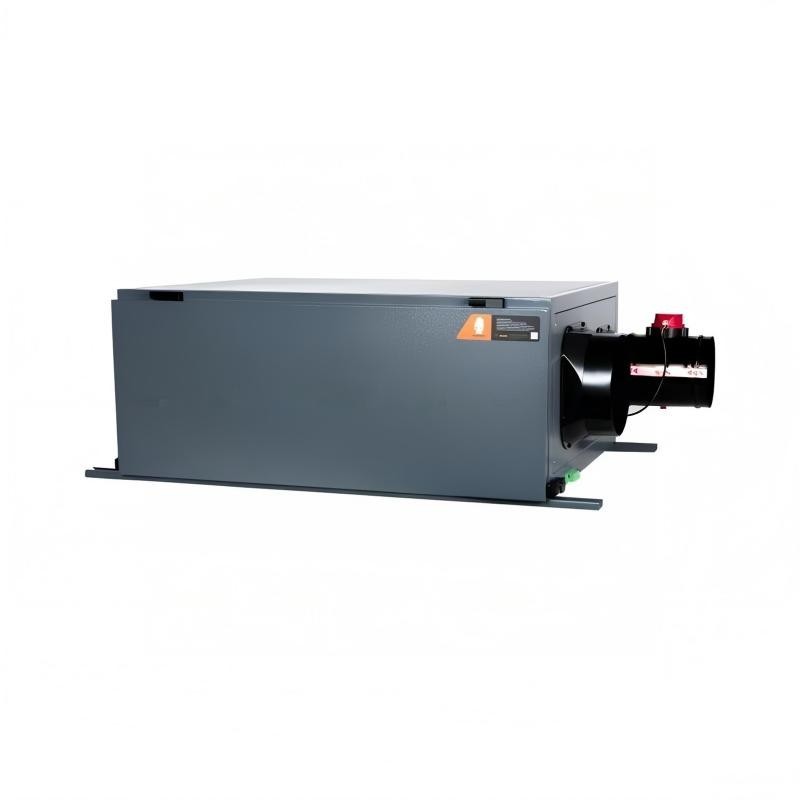
Not all dehumidifiers are created equal, and the standard units found in hardware stores are generally unsuitable for wine cellars. Proper cellar dehumidifiers are engineered to operate efficiently at the cold temperatures required for wine storage — typically between 55°F and 65°F — where conventional units lose effectiveness or shut down entirely.
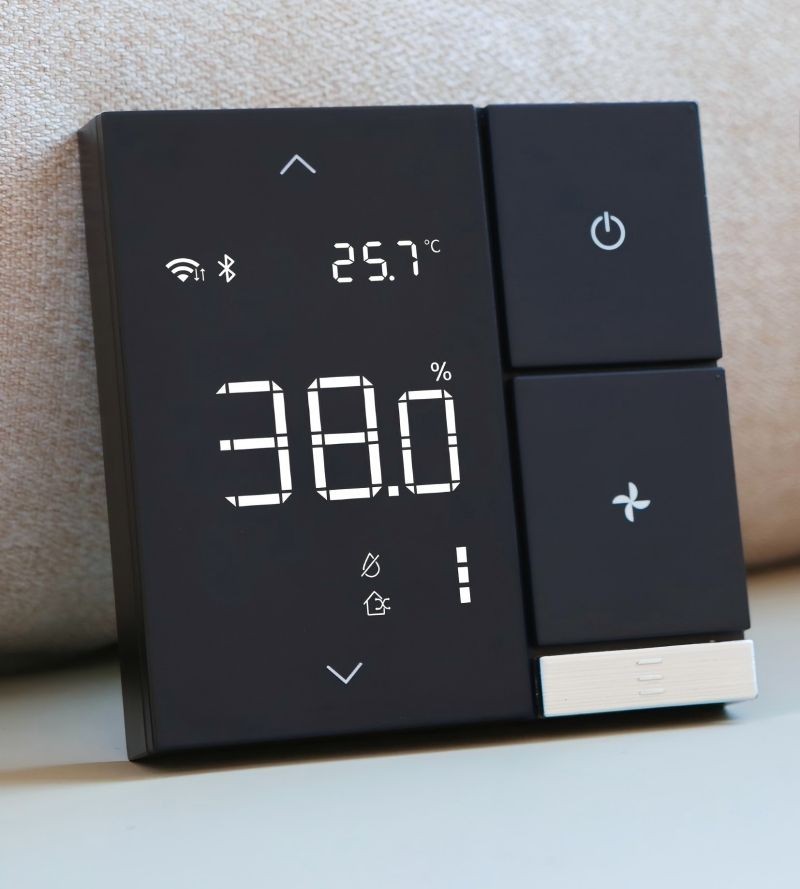
When evaluating options, prioritize units with automatic humidity control, whisper-quiet operation to avoid vibration near your bottles, auto-defrost capability for cold environments, and a drainage system that handles continuous moisture removal without requiring manual emptying.
Dehumidifier Types: Matching the Unit to Your Cellar
Refrigerant (Compressor-Based) Dehumidifiers
The most common type for residential wine cellars. These units pull humid air across cold coils, condensing moisture and collecting it in a reservoir or draining it through a continuous drain hose. They are highly effective at moderate temperatures and offer strong moisture removal capacity relative to their size.
Desiccant Dehumidifiers
Better suited for extremely cold cellars where compressor units struggle. Desiccant models absorb moisture through a hygroscopic material rather than condensation. They operate efficiently even at temperatures below 40°F and are often quieter, though they tend to consume more energy per pint of moisture removed.
Whole-Cellar Systems
For large commercial or estate cellars, integrated HVAC-style dehumidification systems offer the most consistent results. These are built into the cellar's climate control infrastructure and can manage both temperature and humidity simultaneously across thousands of square feet.
Discharge Options and Drainage Planning
One of the most overlooked aspects of wine cellar dehumidifier installation is drainage. A unit operating in a sealed cellar environment can collect significant amounts of water daily — sometimes several gallons. Manual bucket emptying is simply not practical for long-term operation.
Look for units that support gravity drain or condensate pump discharge, allowing continuous operation without intervention. Floor drains, laundry sinks, or dedicated condensate lines are ideal solutions. Planning your drainage routing before installation saves considerable effort later.
Noise Level: Protecting Your Wine and Your Sanity
Wine cellars are often adjacent to living spaces, entertainment rooms, or sleeping areas. A dehumidifier that hums, rattles, or cycles loudly becomes an immediate quality-of-life issue. Beyond comfort, vibration is actually harmful to wine — constant mechanical agitation can disturb sediment in aged bottles and interfere with the aging process.
Look for units rated below 45dB for operation near living spaces, and ensure the unit is mounted or positioned to minimize vibration transfer to your racking system. Rubber isolation pads can further reduce vibration for sensitive collections.
Air Circulation: The Hidden Partner of Humidity Control
Humidity control alone is not sufficient if air circulation is poor. Stagnant air pockets allow localized humidity spikes to form even when the overall cellar reading appears normal. Strategic airflow ensures that conditioned air reaches every corner of the cellar, particularly lower racks near the floor where cold, moist air tends to settle.
Some wine cellar dehumidifiers include integrated fans for air circulation. In larger cellars, supplemental circulation fans positioned at low-level return points help eliminate dead zones and provide more uniform conditions across the entire collection.
The Collector's Psychology: Why Precision Matters
Serious wine collectors understand that the conditions in which a bottle ages are inseparable from the quality of what ends up in the glass. Humidity is not a background concern — it is an active variable that shapes the trajectory of every bottle from the moment it enters storage to the moment it is opened.
Installing a dedicated wine cellar dehumidifier is not an indulgence. It is the baseline standard of care for any collection worth preserving. The cost of a quality unit is negligible compared to the value of the bottles it protects — and the peace of mind it provides is priceless.