

Wine Is a Living Product — Treat It That Way
Wine is not a static product. It is a delicate, evolving expression of its terroir, craftsmanship, and time. Like anything living, it responds to its environment — and the wrong conditions can undo years of careful winemaking in a matter of months.
The good news is that creating an ideal wine storage environment is entirely achievable. Whether you're aging a prized Bordeaux or preserving everyday bottles, the right cellar conditions will ensure your wine reaches its peak and stays there.
- Steady temperature around 12°C (54°F)
- Relative humidity between 60% and 70%
- Clean, gently circulating air
- Low, soft lighting — or none at all
- Complete stillness and vibration-free storage
What Is the Ideal Temperature for a Wine Cellar?
The universally accepted benchmark for wine storage is 12°C (54°F). At this temperature, both white and red wines age gracefully — whites tend to favor slightly cooler conditions around 10°C, while full-bodied reds are happy at 13°C to 14°C. A steady 12°C suits them all.
When a cellar runs too warm, wines accelerate their aging process, losing the nuanced aromas and flavors that make them special. Too cold, and the wine virtually halts its development, preventing it from evolving as intended.
Dramatic fluctuations are your wine's worst enemy. Even a swing of a few degrees can cause the liquid to expand and contract, eventually compromising the cork seal. A reliable thermometer is a non-negotiable tool for any serious cellar.
Why Humidity Is Critical for Long-Term Storage
Maintaining a relative humidity between 60% and 70% is essential for preserving the integrity of your wine's cork. This range keeps corks supple and airtight, preventing unwanted oxygen from sneaking into the bottle and spoiling your wine prematurely.
When the air in your cellar is too dry, corks begin to shrink, compromising their seal. This exposes your wine to oxidation — a process that turns a vibrant vintage into a flat, vinegary disappointment. On the flip side, excessive humidity promotes mold growth on labels and the bottles themselves. Balance is everything.
A hygrometer is the tool you need to monitor your cellar's humidity at all times, allowing you to make adjustments before damage is done.
Keep It Dark. Keep It Quiet.
Tannins are exceptionally sensitive to light — ultraviolet rays in particular accelerate the breakdown of these compounds, dulling the complexity and structure of your wine. The golden rule: the darker your cellar, the better.
If lighting is necessary, opt for soft, warm, low-intensity bulbs positioned to illuminate pathways rather than bottles directly. Never use fluorescent or natural daylight sources inside your cellar space.
Vibrations are equally disruptive. Every tremor — whether from nearby appliances, foot traffic, or mechanical equipment — disturbs the sediment inside aging bottles and puts unnecessary stress on the wine. A proper wine cellar is designed to be a sanctuary of stillness, where bottles can rest undisturbed for years, even decades.
UV rays break down tannins and accelerate aging. Darkness is not just preferred — it is essential. Store bottles away from any direct or indirect light source, and choose soft, amber-toned lighting if illumination is truly necessary.
Even minor, repeated vibrations disturb the chemical reactions happening inside the bottle. Over time this disrupts the natural sediment formation and stresses the wine. A dedicated cellar should be isolated from all mechanical vibration sources.
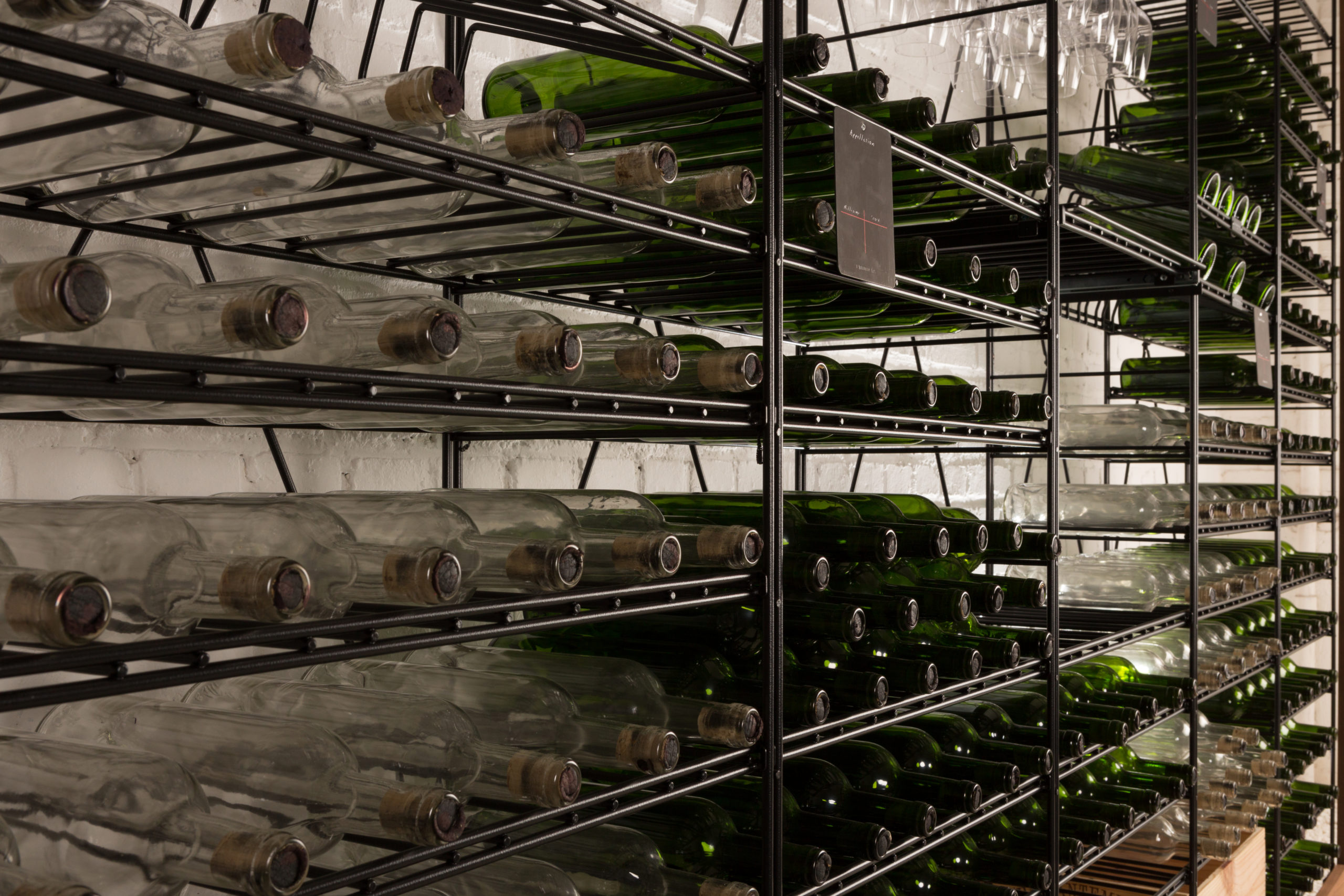
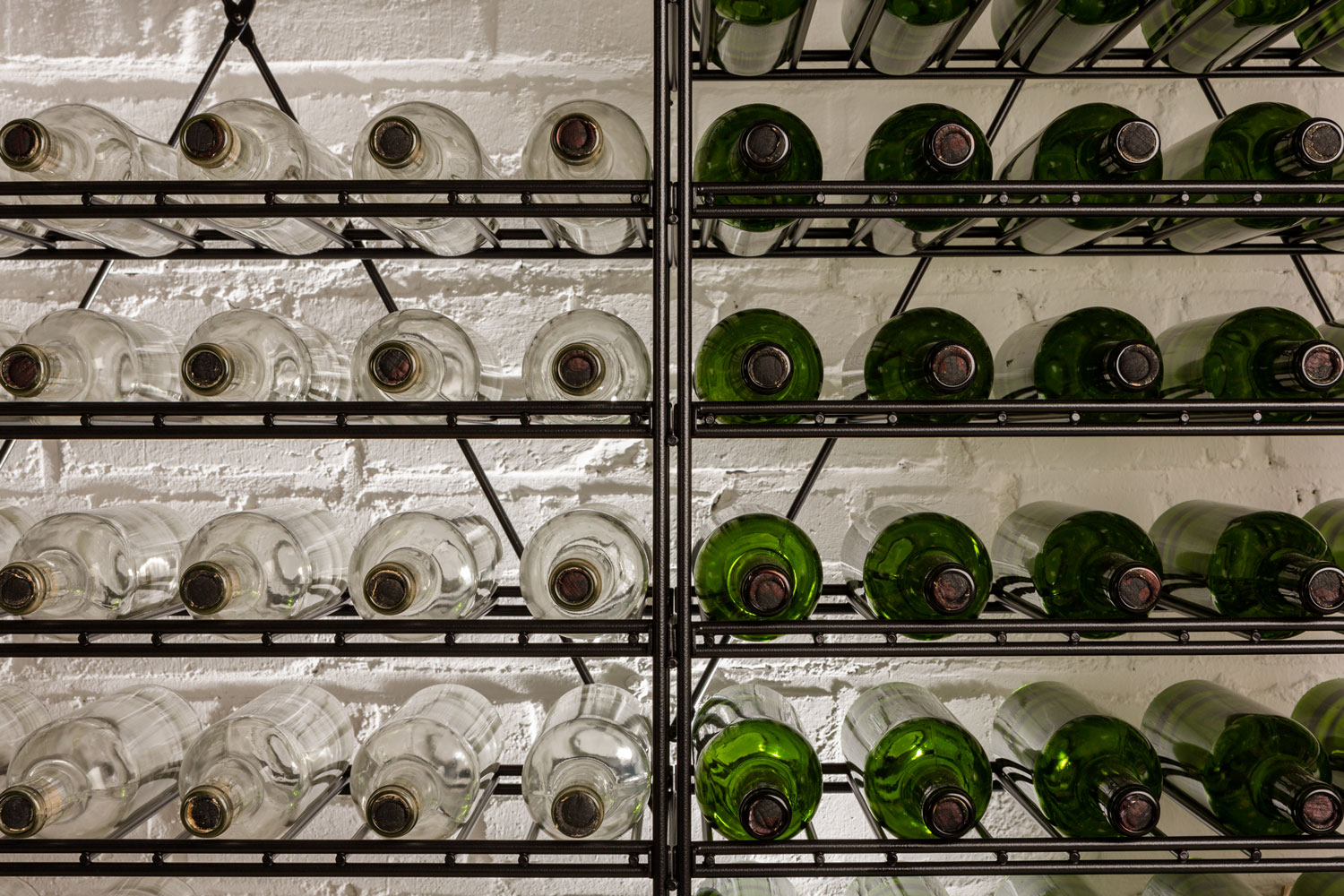
Always store bottles on their side. This keeps the cork in contact with the wine, maintaining its moisture and preventing it from drying out — the most reliable method to ensure a proper seal over the long term.
Fresh, Clean Air Protects Every Bottle
Wine breathes. Oxygen passes through the cork in microscopic amounts, playing a vital role in a wine's maturation. This is a natural, beneficial process — but only when the air surrounding the bottles is clean and odor-free.
A wine cellar should be very lightly ventilated. Gentle airflow helps stabilize humidity and temperature while preventing the buildup of musty odors or mold. However, strong drafts are harmful — they dry out corks and introduce oxygen too aggressively.
Avoid storing strong-smelling items near your wine. Onions, cleaning products, paints, and even highly aromatic cheeses can permeate through corks over time, subtly corrupting the flavor profile of your most treasured bottles. Keep your cellar reserved exclusively for wine and wine accessories.
How to Build the Best Wine Storage Environment
Every decision you make when setting up your cellar — from its location to its materials — has a direct impact on the quality and longevity of your collection.
The deeper underground your cellar is, the more naturally stable its temperature and humidity will be. Choose the farthest point from heat sources, direct sunlight, kitchens, laundry areas, and any mechanical rooms. Proper insulation is strongly recommended.
A layer of fine gravel or solid hardwood flooring helps absorb vibrations from external sources. Avoid tiles over uneven ground — these can amplify rather than dampen movement. Flooring should be level, stable, and naturally moisture-resistant.
Install a ventilation system with a dedicated air inlet and outlet positioned on opposite sides of the cellar. This promotes gentle cross-circulation without generating harmful drafts. Keep ventilation openings low to the floor to encourage natural airflow patterns.
If your cellar's natural humidity falls short of the ideal 60–70% range, a dedicated wine cellar humidifier is your most reliable solution. It delivers consistent moisture levels that protect corks and preserve the integrity of your entire collection year-round.
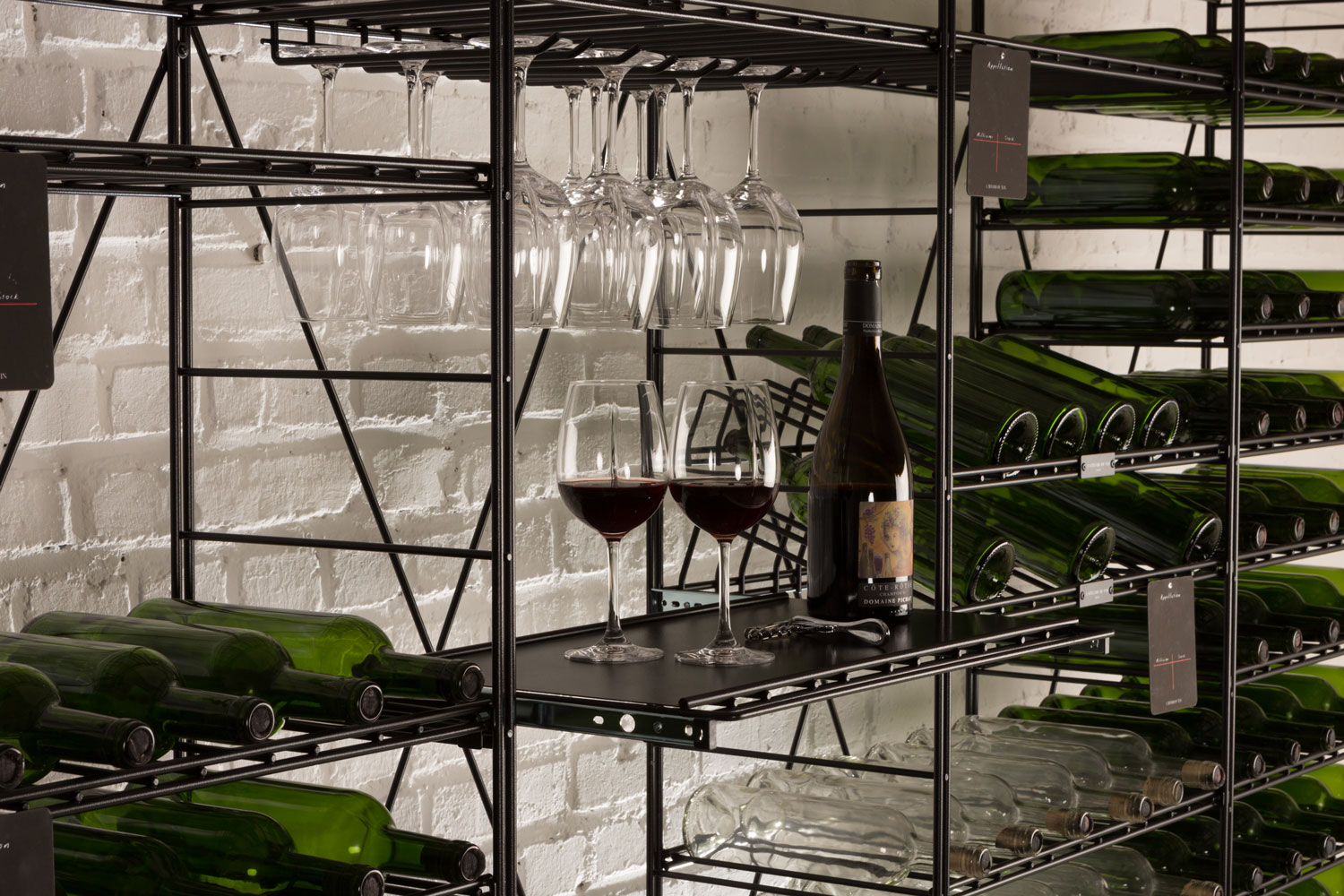
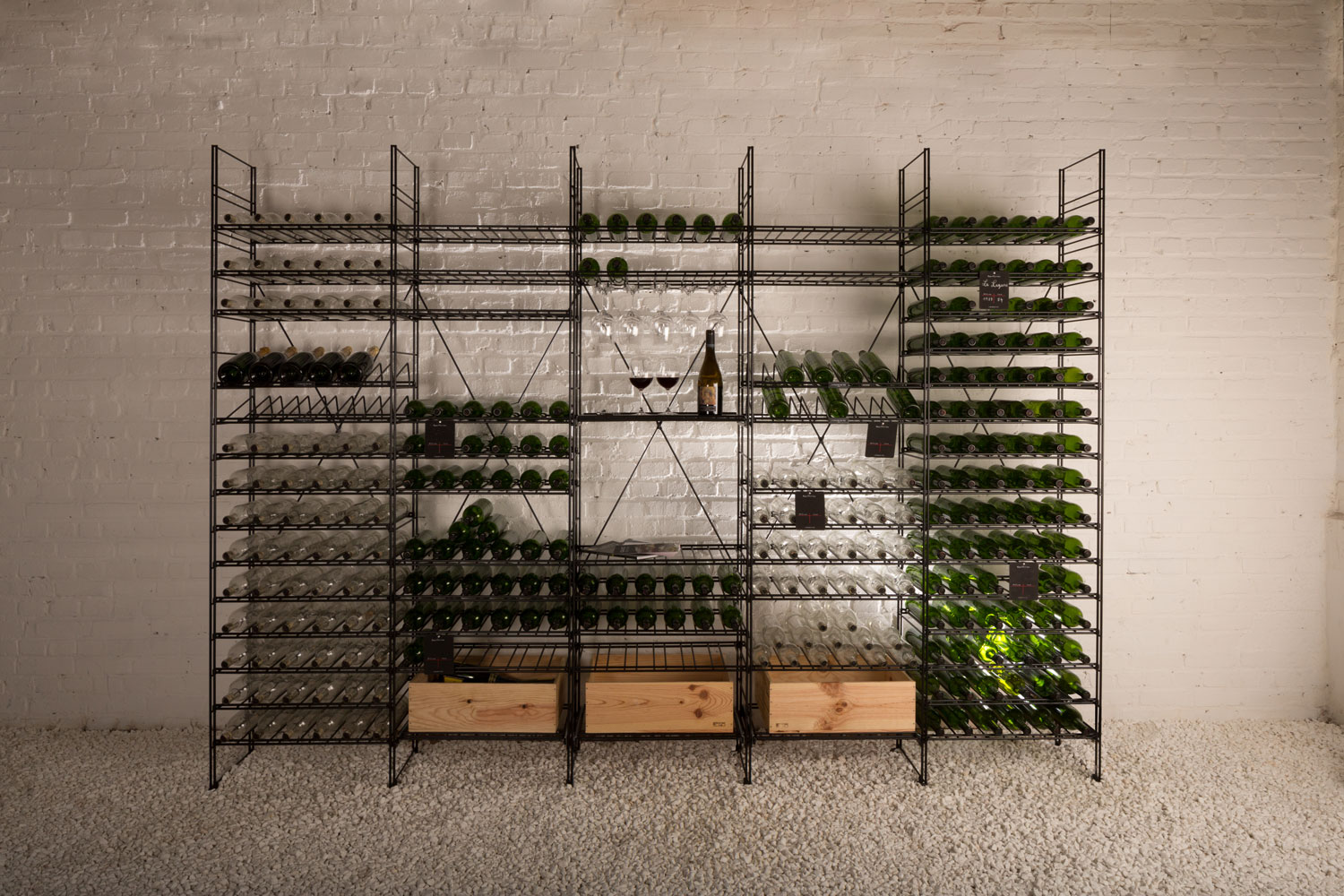
All fittings, shelving, and racking materials in your cellar should be well-stabilized and moisture-resistant. Wood is the traditional choice; metal is a modern alternative. Ensure bottles can be stored horizontally at all times, and that shelves allow easy visual identification.
Use warm, dim, low-intensity lighting — or no lighting at all. A flashlight kept at the entrance is a practical, wine-safe solution for navigating your collection. Never install fluorescent strips or expose bottles to windows or natural daylight.
Maintain Perfect Humidity — Effortlessly
The Wine Guardian Freestanding Humidifier is purpose-built for wine cellars, delivering consistent, precise humidity levels to protect every cork and every bottle in your collection.
Wine Guardian Humidifier