

When the lights go out, a portable generator can keep your essentials running, but wiring it safely into your home's electrical system takes more than an extension cord. A transfer switch is the missing piece that turns a portable generator into a safe, whole-home backup solution. In this guide, we break down why a transfer switch matters, what to look for before you buy, and how to pick the right model for your setup.
WEN 4500-Watt 212cc Transfer Switch and RV-Ready Portable Generator - GN4500
A dependable, RV-ready workhorse designed to power your home's key circuits during outages. Reliable starts, clean output, and compatibility with most standard transfer switch setups.
Shop WEN GN4500Why Use a Transfer Switch with a Portable Generator?
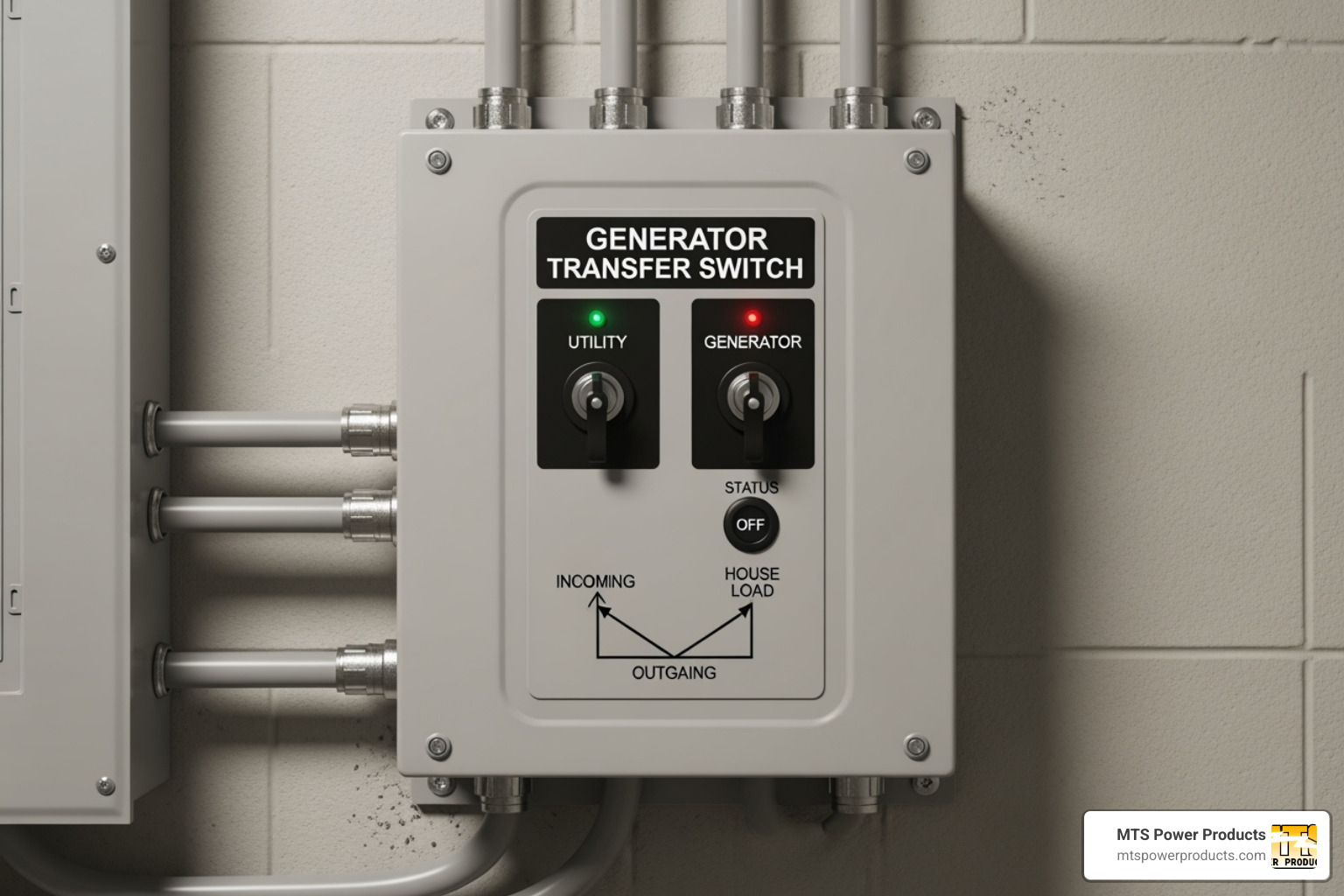
A transfer switch is a dedicated electrical device that safely routes power from your generator into the circuits you actually want running, without interfering with the utility line. Skipping this step and running extension cords through windows may seem faster, but it exposes you to fire hazards, damaged appliances, and dangerous backfeeding into the grid. A properly installed transfer switch solves all three problems in one move.
Safety First
A transfer switch physically isolates your home from the grid while the generator is running. That means no risk of backfeeding electricity down the line, no shock hazard for utility workers, and no chance of your generator blowing when power is restored. It's the single most important safety upgrade for anyone using portable backup power.
Code Compliance
Most local electrical codes and the NEC require a transfer switch whenever a generator is connected to household wiring. Beyond legality, code-compliant installs protect your insurance coverage and keep resale value intact. If an inspector finds a generator wired directly into a panel without isolation, you're looking at fines and forced rework.
Convenience
Instead of daisy-chaining cords across your kitchen floor, a transfer switch lets you flip a few breakers and power your fridge, furnace, well pump, and lights directly from their normal outlets. Setup during an outage takes seconds, and you don't have to decide which appliance loses power next.
Load Management
A good transfer switch gives you clear control over which circuits draw from your generator. Most panels have six to ten switchable circuits, each with a built-in breaker, so you can prioritize the essentials and avoid overloading the generator. Built-in wattage meters on many models make balancing loads even easier.
Protects Your Equipment
By providing a clean, dedicated path between your generator and your panel, a transfer switch reduces voltage fluctuations and prevents damage to sensitive electronics. Computers, smart thermostats, routers, and modern appliances all last longer when they're fed properly regulated power during outages.
What to Consider Before Choosing a Transfer Switch
Not every transfer switch is right for every home or every generator. Before you buy, walk through the factors below. A little planning now saves headaches on installation day and ensures the switch actually matches your real-world power needs.
Generator Compatibility
Start with your generator's output. Match the transfer switch's amperage and voltage rating to what your generator can actually deliver. A 30-amp transfer switch paired with a small 3,000-watt generator wastes potential, while a 50-amp unit hooked to an undersized generator tempts you to overload it. Most home setups land comfortably between 30 and 50 amps.
Number of Circuits
Decide which circuits truly need to stay on. For most households, that means the refrigerator, furnace blower, a few lights, well pump if applicable, and maybe a microwave or sump pump. Six-circuit switches handle smaller homes, while ten-circuit versions give you breathing room if you've got multiple essentials or live somewhere with long outages.
Manual vs. Automatic
Manual transfer switches are affordable, reliable, and require you to physically flip them when the power goes out. Automatic transfer switches sense the outage and switch over on their own, usually paired with standby generators. For most portable generator owners, a manual switch is the right balance of cost and function.
Indoor or Outdoor Rating
Transfer switches come in NEMA 1 (indoor) or NEMA 3R (outdoor/weatherproof) enclosures. Install location matters, especially in areas with rain, snow, or high humidity. If the switch lives next to your main panel in a finished basement, indoor rating is fine. Garage walls facing the weather call for the sturdier outdoor option.
Installation Requirements
Transfer switches require proper electrical knowledge and, in almost all jurisdictions, a licensed electrician for final hookup. Factor in conduit, wiring, an inlet box on your home's exterior, and possibly a permit. Budget for professional installation unless you're genuinely qualified to work inside a live panel.
How to Install a Transfer Switch for a Portable Generator
Installing a transfer switch isn't a casual weekend DIY for most people. It involves live electrical work, and the consequences of a wiring mistake are serious. That said, understanding the basic steps helps you communicate with your electrician and know what to expect.
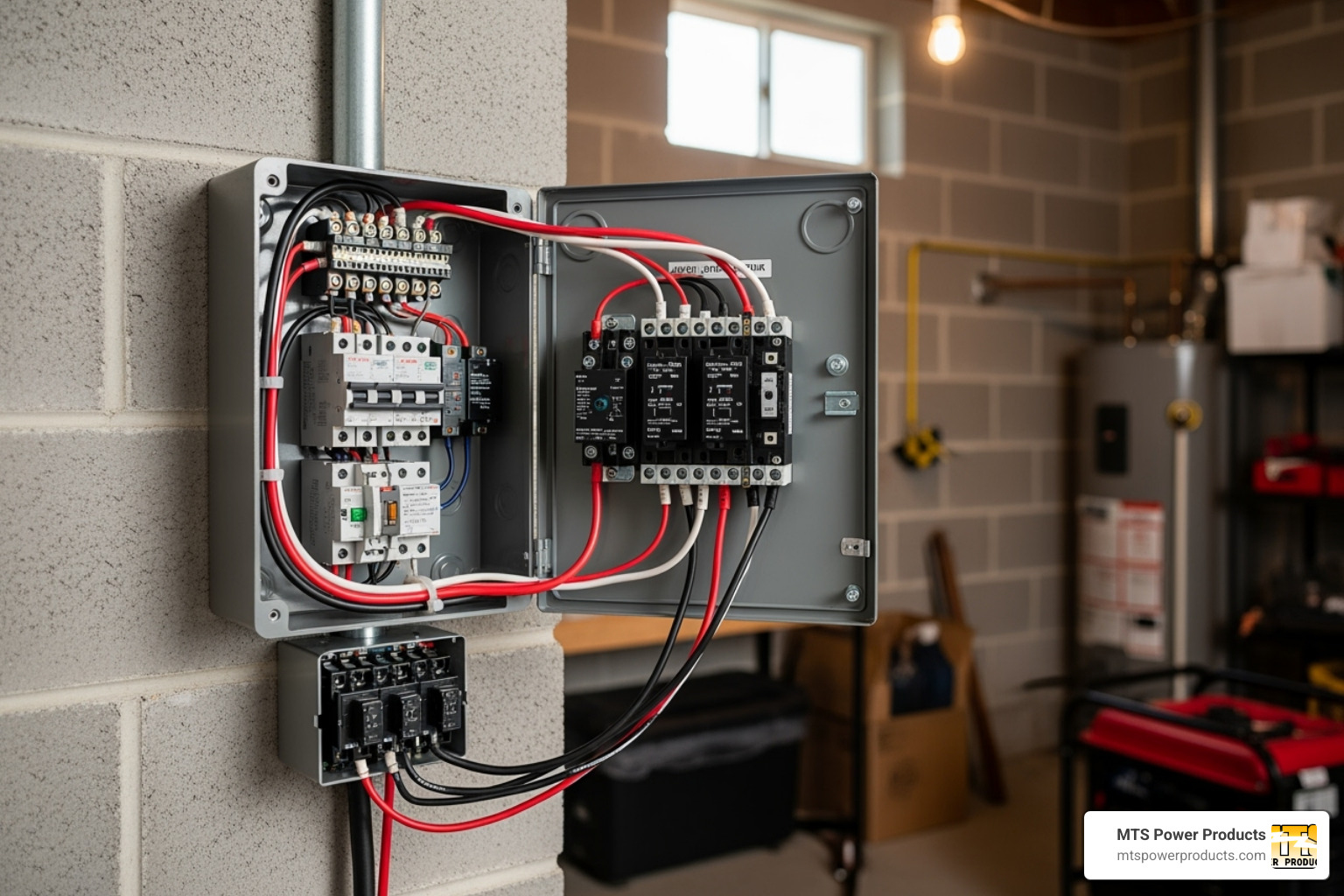
Tip: Even if you plan to hire a pro, buy your transfer switch and generator ahead of time. Electricians appreciate knowing the exact model they're wiring, and you avoid back-orders during storm season when everyone's scrambling for backup power.
At a high level, installation involves shutting down the main breaker, mounting the transfer switch near the panel, running conduit between the two, connecting selected circuits through the switch, installing a power inlet box outside, and finally testing the system end-to-end with the generator running. A qualified electrician typically wraps up the job in three to five hours.
What Are the Top Brands for Transfer Switches?
The market has a handful of names that consistently earn their reputations. The table below compares the most popular options so you can see how the leading manufacturers stack up on features, circuit counts, and overall fit for portable generator use.
| Brand | Typical Circuit Range | Amp Ratings | Best For |
|---|---|---|---|
| Reliance Controls | 6 to 10 circuits | 30A to 50A | Most home portable generator setups |
| Generac | 6 to 16 circuits | 30A to 100A | Users planning to upgrade to standby later |
| Connecticut Electric | 6 to 10 circuits | 30A to 50A | Budget-friendly code-compliant installs |
| Westinghouse | 8 to 10 circuits | 30A to 50A | Pairing with matching Westinghouse generators |
| Briggs & Stratton | 6 to 10 circuits | 30A to 50A | Reliable, widely supported option |
What Safety Precautions Should Be Taken?
Safety around generators and transfer switches is not optional. Even a correctly installed switch can become a hazard if it's used carelessly. Follow these practices every time you run your backup power system.
- Keep the generator outdoors only. Never run it inside a garage, shed, or enclosed porch. Carbon monoxide builds up fast and kills silently.
- Place the generator at least 20 feet from the house, with the exhaust pointed away from doors, windows, and vents.
- Use heavy-duty, outdoor-rated cords between the generator and your inlet box. Check them for damage before every use.
- Don't exceed the generator's rated wattage. Start with the essentials, then add loads one at a time while watching the wattmeter.
- Shut the generator down before refueling. Gasoline on a hot engine is a preventable tragedy.
- Test the system twice a year so you know it works before you actually need it, not during a storm at midnight.
Where Can You Buy Transfer Switches for Portable Generators?
You can find transfer switches at home improvement stores, electrical supply houses, and online retailers, but selection and expertise vary widely. Buying from a specialist like Backyard Provider gives you curated, pre-vetted options designed to pair reliably with the portable generators we carry. That way, you're not guessing whether your parts will actually play well together.
When you shop with us, you also get responsive support, clear product specs, and fast shipping across the country. If you're unsure which transfer switch fits your generator, our team will walk you through it before you place the order.
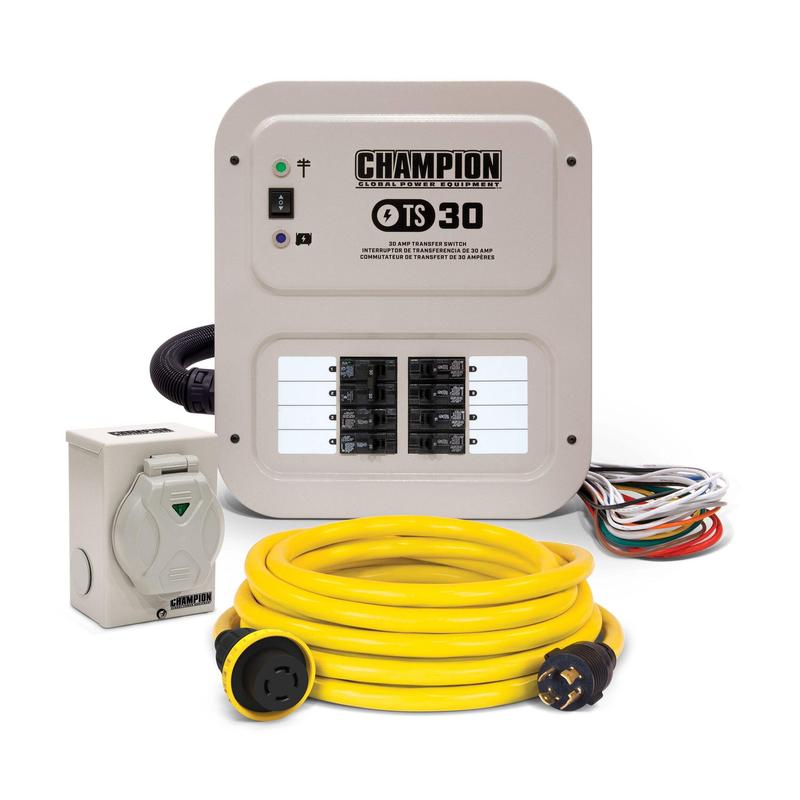
WEN 4500-Watt 212cc Transfer Switch and RV-Ready Portable Generator - GN4500
Clean power, solid runtime, and RV-ready versatility. The GN4500 is a smart match for homeowners building a practical backup system around a manual transfer switch.
Shop WEN GN4500Frequently Asked Questions
1. What are the benefits of using a transfer switch for a portable generator?
A transfer switch gives you safer, more convenient access to backup power. It eliminates the risk of backfeeding the grid, keeps you compliant with local electrical codes, protects sensitive electronics from voltage issues, and lets you power hardwired appliances (like your furnace or well pump) that you can't simply plug an extension cord into. In short, it turns your portable generator into a real home backup solution instead of a patchwork of cords.
2. What's the process for installing a transfer switch with a portable generator?
The installation follows a consistent sequence regardless of brand:
- Shut off the main breaker and confirm the panel is de-energized.
- Mount the transfer switch on the wall next to your main electrical panel.
- Run conduit and wiring between the transfer switch and the panel.
- Move the chosen essential circuits from the main panel over to the transfer switch.
- Install a weatherproof power inlet box on the exterior of your home.
- Wire the inlet box to the transfer switch through conduit.
- Restore power, connect the generator, and test each circuit under load.
Unless you have real electrical experience, hire a licensed electrician. It's the right call for safety, warranty protection, and code compliance.
3. Are there any safety precautions that should be taken when using a transfer switch with a portable generator?
Yes, and they matter. Always run the generator outdoors, well clear of windows and vents, to avoid carbon monoxide poisoning. Use properly rated outdoor cords, keep total load under the generator's continuous rating, never refuel while the unit is hot, and inspect the transfer switch and wiring periodically for wear or damage. Follow both the generator manufacturer's instructions and the transfer switch manual every time, and schedule an annual checkup of the full system to catch issues before they become emergencies.
Ready to build a reliable backup power setup? A portable generator paired with the right transfer switch is one of the best investments you can make for peace of mind. Browse our full lineup at Backyard Provider and get set up before the next outage hits.