

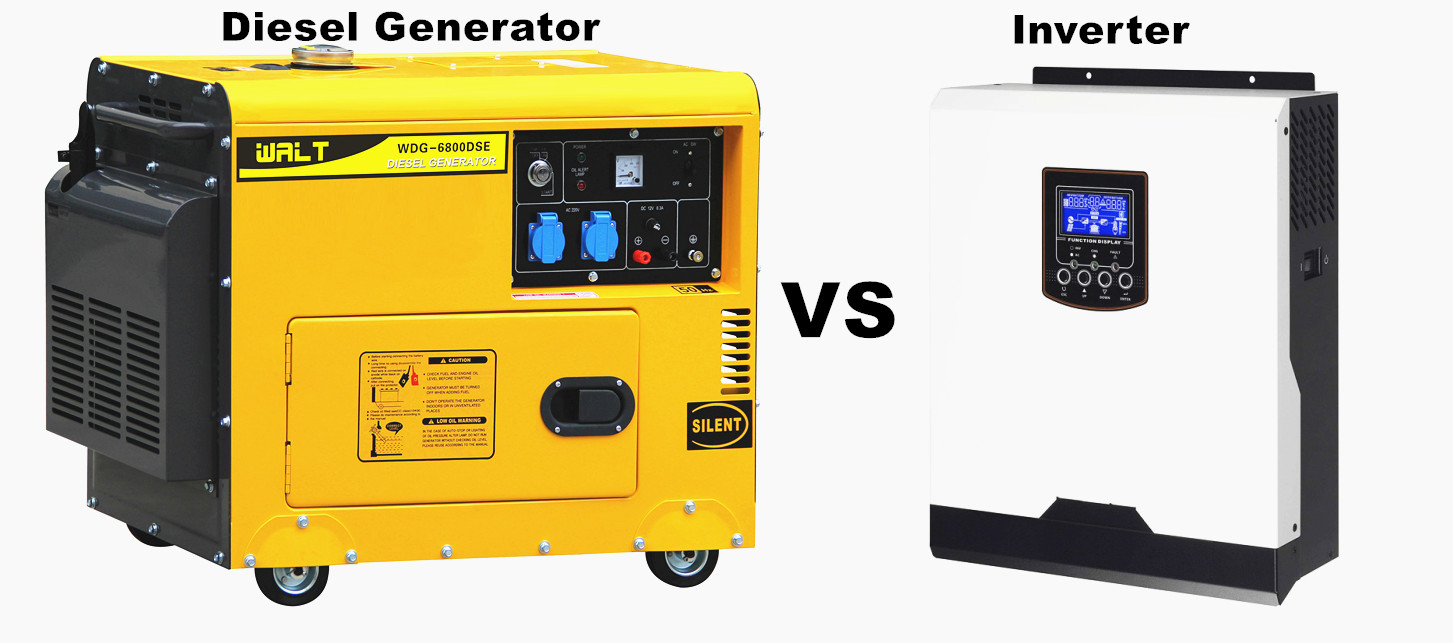
 Reliable power backup is essential for homeowners, outdoor enthusiasts, and professionals who depend on consistent electricity. Whether you're managing operations, enjoying off-grid adventures, or simply preparing for emergencies, understanding the distinction between gensets and inverters can help you make an informed decision. This comprehensive guide breaks down everything you need to know about these two backup power solutions.
Table of Contents
• What is a Genset?
• What is an Inverter?
• Key Differences Explained
• Use Case Scenarios
• Fuel Considerations
• Cost Breakdown
• Environmental Impact
• FAQs
What is a Genset?
Genset Meaning and Function
A genset, short for "generator set," combines an internal combustion engine with an electrical generator. This combination transforms mechanical energy into usable electricity. The fundamental concept involves using fuel to power an engine that drives a generator, producing electrical current for your devices and appliances.
How Gensets Operate
The operation principle is straightforward yet effective. Fuel combustion creates mechanical energy that rotates the generator, ultimately producing electricity. Most gensets output standard AC power that works directly with household appliances and equipment.
Common Genset Applications
Operations managers frequently deploy gensets for various purposes including construction sites, remote work locations, outdoor events, emergency backup systems, agricultural operations, and industrial facilities that require uninterrupted power supply.
What is an Inverter?
Inverter Function and Technology
An inverter converts direct current (DC) into alternating current (AC), rather than generating electricity from scratch. DC power sources like batteries, solar panels, or vehicle systems provide the initial energy. The inverter transforms this into stable, usable AC power suitable for standard electronics and appliances.
Inverter Generator Advantages
Inverter generators represent a sophisticated evolution in portable power. These units produce cleaner, more stable electricity by utilizing advanced electronic circuitry. The system delivers consistent voltage and frequency, making them ideal for sensitive electronics. Additionally, inverter systems can adjust engine speed based on power demand, improving fuel efficiency and reducing noise output significantly.
Genset vs Inverter: Key Differences
Both solutions serve the purpose of providing backup power, but they differ substantially in how they generate electricity and their performance characteristics. Understanding these distinctions helps you select the optimal solution for your specific requirements.
Power Output
Genset: Delivers high power output suitable for running entire facilities, heavy machinery, and multiple appliances simultaneously.
Inverter: Adjusts power output based on demand, using less fuel when requirements are minimal.
Fuel Efficiency
Genset: Operates at constant speed regardless of load, resulting in consistent fuel consumption.
Inverter: Automatically throttles engine speed based on power needs, optimizing fuel usage significantly.
Noise Level
Genset: Produces substantial noise during operation, especially under heavy loads.
Inverter: Operates quietly, making it perfect for camping, residential areas, and noise-sensitive environments.
Portability
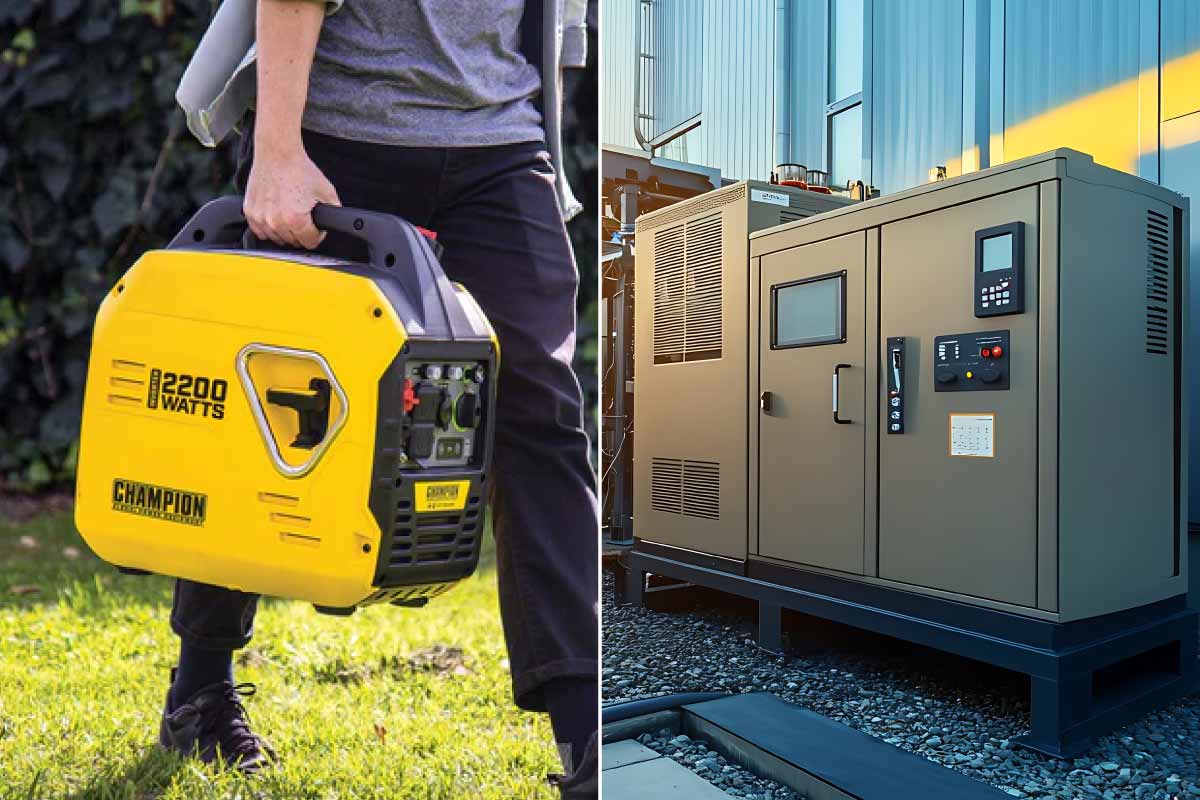
Genset: Typically heavier due to larger engine components, often requiring wheels or trailers for transport.
Inverter: Compact and lightweight design allows for easy carrying and storage.
Use Case Scenarios: Genset or Inverter?
When to Choose a Genset
Gensets excel in situations requiring substantial continuous power. Consider a genset when you need to power construction equipment, run an entire building during outages, support industrial machinery, operate commercial facilities, or handle high-demand applications where portability is secondary to raw power output.
When to Choose an Inverter
Inverters shine when clean power and portability matter most. Choose an inverter for camping and outdoor recreation, powering sensitive electronics like laptops and medical devices, residential backup for essential appliances, tailgating events, RV trips, or any scenario where quiet operation and fuel efficiency are priorities.
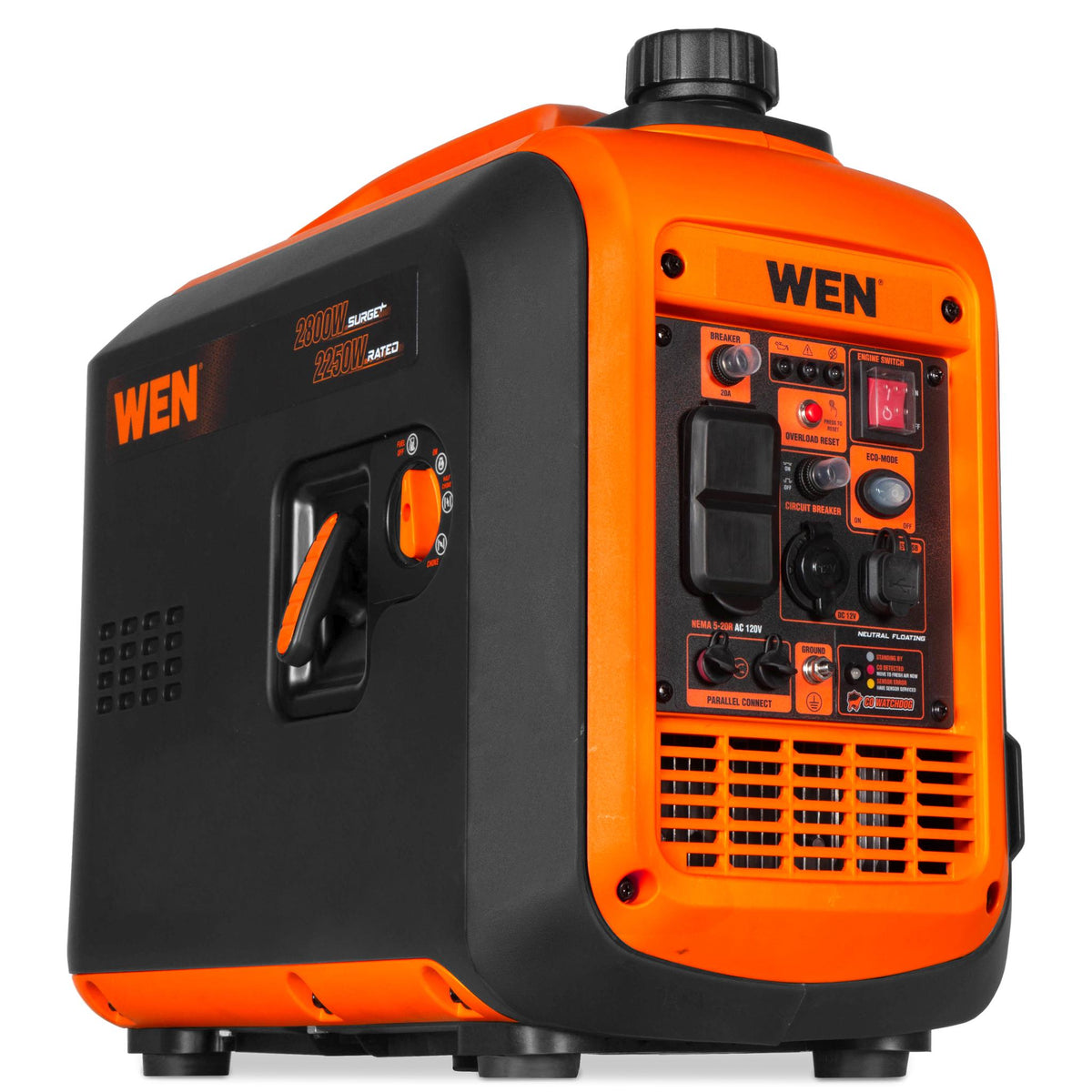
WEN 2800W Inverter Generator
Quiet, portable, and lightweight with advanced safety features including Fuel Shut Off and CO Watchdog protection.
Shop WEN 56280iX GeneratorFuel Considerations for Genset vs Inverter
Genset Fuel Options
Traditional gensets typically run on gasoline, diesel, propane, or natural gas. Diesel models offer longevity and efficiency for extended operation. Propane provides cleaner burning with longer shelf life, making it excellent for emergency preparedness.
Inverter Generator Fuel Usage
Inverter generators primarily use gasoline, though dual-fuel models that accept propane are increasingly popular. The intelligent throttle system means these units consume significantly less fuel during light-load conditions, stretching your fuel supply further during extended use.
Key Fuel Insights
Storage: Gasoline degrades over months while propane remains stable for years
Runtime: Inverters can operate 50-100% longer per gallon under partial load
Cost: Long-term fuel savings with inverters offset higher initial investment
Cost Breakdown: Genset vs Inverter
Genset Costs
Initial Purchase: Generally lower upfront cost
Fuel Expenses: Higher consumption rates
Maintenance: Regular service required
Best Value: High-power industrial use
Inverter Costs
Initial Purchase: Higher upfront investment
Fuel Expenses: Significantly reduced usage
Maintenance: Less frequent servicing
Best Value: Recreational & residential
Maintenance Needs: Genset vs Inverter
Genset Maintenance
Traditional generators require consistent maintenance attention. This includes regular oil changes, air filter replacement, spark plug inspection, fuel system cleaning, and periodic load testing. Diesel gensets also need fuel filter changes and coolant system maintenance for larger units.
Inverter Maintenance
Inverter generators typically demand less maintenance due to their efficient operation and reduced mechanical stress. Basic upkeep involves oil changes, spark plug checks, and air filter cleaning. The variable-speed engine experiences less wear, potentially extending service intervals and overall lifespan.
Environmental Impact
Environmental considerations increasingly influence purchasing decisions. Gensets produce higher emissions due to constant-speed operation and greater fuel consumption. Modern inverter generators meet stricter EPA and CARB emissions standards while producing fewer pollutants per kilowatt-hour generated.
For environmentally conscious users, inverter generators represent the greener choice without sacrificing reliable backup power capability. Their efficient fuel usage translates directly to reduced carbon footprint over the equipment's lifetime.
How BACKYARD PROVIDER Supports Your Power Needs
At BACKYARD PROVIDER, we understand that selecting the right backup power solution requires careful consideration of your unique circumstances. Our curated selection of generators and inverters spans various power outputs, fuel types, and price points to match your specific requirements.
Whether you need a robust genset for demanding applications or a quiet inverter generator for camping adventures and home backup, our collection offers quality options backed by comprehensive product information. We help you navigate the decision-making process with detailed specifications and honest guidance.
Conclusion
Choosing between a genset and inverter ultimately depends on your particular operational needs. Gensets deliver substantial continuous power for heavy-duty and industrial applications. Inverters offer clean, efficient, portable power ideal for recreational use and sensitive electronics.
Consider factors including power requirements, portability needs, noise sensitivity, budget constraints, and intended use frequency. BACKYARD PROVIDER stocks both options to ensure you find the perfect backup power solution for any situation.
Frequently Asked Questions
What is a genset?
A genset combines an engine and generator to convert fuel into electrical power. These units produce AC electricity suitable for running appliances, tools, and equipment directly.
What is an inverter?
An inverter converts DC power from batteries or other sources into clean AC power. Inverter generators incorporate this technology to produce stable electricity suitable for sensitive electronics.
What is the difference between a genset and inverter?
The primary distinction lies in power generation method and output quality. Gensets produce power through constant-speed engine operation, while inverters process electricity through electronic circuitry for cleaner, more stable output with variable engine speeds.
Which type of generator is better for industrial use?
For high-demand industrial applications, gensets typically offer better value. They provide superior power output for heavy machinery, continuous operation capability, and often more cost-effective solutions for large-scale power requirements.
Can inverters run during a power outage?
Yes, inverter generators function independently during outages, drawing power from their onboard fuel supply. Standalone inverters require an external power source like batteries or solar panels to operate during grid failures.
Are inverters better for sensitive electronic devices?
Absolutely. Inverters produce clean sine wave power with consistent voltage and frequency, making them ideal for laptops, smartphones, medical equipment, and other electronics that could be damaged by power fluctuations from conventional generators.
Is a genset portable?
Portability varies significantly by model. Smaller portable gensets exist for lighter applications, though most are heavier than comparable inverter units. Larger industrial gensets typically remain stationary or require vehicle transport.
What kind of maintenance do gensets and inverters need?
Both require regular oil changes, filter maintenance, and spark plug inspection. Gensets typically need more frequent servicing due to constant-speed operation. Inverters benefit from reduced mechanical stress, often extending maintenance intervals.
Can I combine a genset and inverter?
Some setups use gensets to charge battery banks that then power inverters for clean electricity output. This hybrid approach provides raw power capability with filtered output for sensitive equipment, though it adds complexity and cost to the system.
Ready to find your perfect backup power solution?
Shop WEN 56280iX Generator