

 Introduction
The indoor rowing machine has quickly grown into one of the most sought-after tools for fitness lovers who want a full-body, low-impact workout. Within this growing category, water rowers hold a unique place, celebrated for recreating the feel and rhythm of gliding across open water. But what exactly gives them such a convincing pull?
This guide explores the engineering behind how water rowing machines work, the advantages of water-based resistance, and how this system stacks up against other resistance designs. By the end, you'll see clearly why water rowers remain a favorite pick for serious indoor rowing enthusiasts.
Mechanics of Water Resistance
The Role of the Flywheel and Water Tank
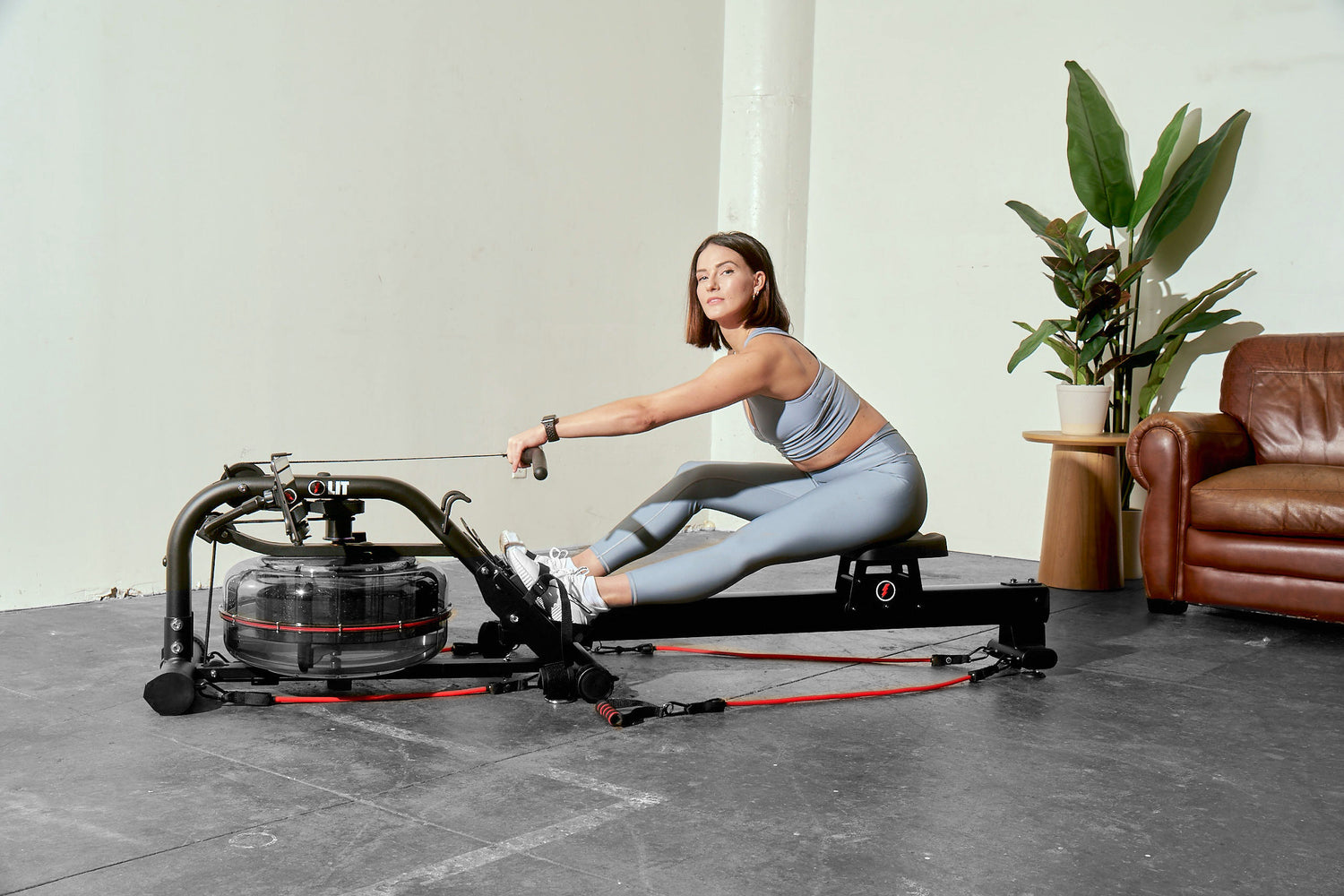
Every water rowing machine is powered by a flywheel submerged inside a water tank. Here's what makes the system tick:
Flywheel Dynamics
As your pull engages the handle, the flywheel rotates, pushing water inside the tank. The harder and faster you row, the quicker the flywheel turns, producing more resistance against your stroke.
Hydrodynamic Resistance
The pull you feel is generated through water friction and natural inertia, closely matching the physical sensation of dragging oars through a real body of water.
Comparison to Other Resistance Types
Magnetic Resistance
How It Works Uses magnets paired with a flywheel to build resistance.
Pros Near-silent operation with finely adjustable resistance levels.
Cons Misses the dynamic, living feel that water resistance delivers.
Air Resistance
How It Works Relies on a spinning fan to push back against each stroke.
Pros Resistance climbs progressively based on how hard you pull.
Cons Tends to be loud and lacks the fluid motion found in water rowers.
Water Resistance
How It Works Combines a water tank and flywheel to produce resistance.
Pros Offers a natural, flowing resistance that responds instantly to your effort.
Cons A little heavier, with occasional water maintenance required.
Benefits of Realistic Resistance
Smooth Strokes
Water rowers remove the abrupt, jerky motion some resistance systems produce. Each stroke flows into the next, reducing strain on joints and muscles.
Natural Feel
Resistance builds organically the harder you pull, just like rowing against a current. This progressive push keeps every workout challenging and authentic.
Meditative Experience
The gentle rush of water creates a peaceful atmosphere, turning routine sessions into enjoyable, calming workouts instead of repetitive grinds.
Full Engagement
The realistic resistance activates more muscle groups, boosting both strength and endurance while sharpening technique for outdoor rowing goals.
 Scientific Validation
Biomechanics of Water Rowing
Research continues to confirm that water rowing machines accurately reproduce the mechanics of real on-water rowing. Some of the standout findings include:
- Muscle Activation: Water rowers recruit all major muscle groups, including the legs, core, back, and arms, in one coordinated movement pattern.
- Cardiovascular Benefits: The steady, sustained resistance creates an outstanding cardio workout that strengthens heart health and overall endurance.
- Low Impact: The smooth, fluid stroke cycle minimizes joint stress, offering a gentler alternative to higher-impact cardio options like running.
Real-World Application
Competitive rowers frequently rely on water rowers during off-seasons to maintain both technique and conditioning. The machine's ability to mirror real rowing dynamics makes it an invaluable training partner for serious practice and year-round fitness.
Why Water Rowers Are Ideal for Indoor Enthusiasts
Versatility
Water rowers welcome every fitness level. Newcomers enjoy the intuitive resistance curve, while seasoned rowers push against heavier water inertia for tougher sessions.
Longevity
Built with durable frames and high-quality components, water rowers are designed to stand the test of time, delivering reliable workouts for years on end.
Compact & Aesthetic Design
Many models feature handsome wooden frames that double as stylish home decor. Their thoughtful footprint makes them a natural fit for any home gym or living space.
Bring Authentic Rowing Home
Experience the smooth, natural pull of water resistance with a rower built to deliver realism, durability, and timeless design for your home gym.
Shop WaterRower A1Conclusion
Water rowing machines have transformed the indoor rowing experience by faithfully recreating the feel, sound, and effort of rowing on open water. Their thoughtful engineering, combined with a long list of health and fitness benefits, cements them as a top-tier choice for anyone passionate about rowing.
If you're after a machine that brings together responsive resistance, effortlessly smooth motion, and a meditative rhythm, a water rowing machine is the perfect match. Ready to make every workout feel like gliding across a quiet lake at sunrise?
Get the WaterRower A1