


Gathering around a glowing fire is among the most timeless and comforting experiences you can enjoy in a cabin. Whether you're drawn to self-sufficiency, independence, or simply staying warm during harsh winters, installing a wood stove is one of the most practical upgrades you can make. In this guide, we'll walk you through everything you need to know — from the advantages of owning a wood stove to selecting the ideal model for your space.
Benefits of Adding a Wood Stove to a Cabin
Why more cabin owners are making the switch
No Electricity Required
By installing a wood-burning stove in your cabin, you gain the ability to heat your space without relying on electricity. This is particularly valuable for remote cabins and off-grid properties where power access can be unreliable or nonexistent. When storms knock out the grid or you're miles away from the nearest utility line, your wood stove keeps burning — and your cabin stays warm regardless of conditions outside.
Cost Effective Over Time
With the price of gas and oil fluctuating year after year, wood remains a dependable and affordable heating resource. Depending on your location and the type of wood available in your area, fuel costs can be remarkably low — especially if you have access to your own timber. Over the long run, a wood stove can significantly reduce your overall heating expenses compared to electric or gas-fueled systems.
Sustainability
Compared to conventional heating methods like electric furnaces, oil systems, or gas-fed heating units, a wood stove offers a more naturally sustainable option. Modern wood stoves on the market today are engineered to be remarkably efficient, meeting strict EPA standards and environmental compliance benchmarks that minimize emissions while maximizing heat output — making them a greener choice for your cabin
How to Choose a Wood Stove for a Cabin
Key factors that will guide your decision
Cost
The price of a wood stove can vary depending on a number of factors. You'll find smaller, simpler models for a few hundred dollars, while high-end options with catalytic combustion technology, premium finishes, and advanced airflow systems can run into the thousands. When budgeting, keep in mind that the stove itself is only a portion of the total investment — installation costs, chimney components, and hearth materials all add up.
Size and Heat Output
The square footage you need to heat is one of the most critical measurements to get right. To properly calculate the required BTU output for your cabin, you'll want to factor in the total livable area, insulation quality, ceiling height, climate zone, and even the number of windows. A general guideline is approximately 20 BTUs per square foot for well-insulated spaces.
Getting the right match means selecting a stove that heats your space effectively without being oversized. An overpowered stove leads to excessive heat, wasted fuel, and discomfort — while an undersized one leaves you reaching for blankets. Measure carefully and choose accordingly.
Features and Technology
Get the most value from your investment by considering advancements in stove technology and design. Look for features like secondary combustion systems that re-burn exhaust gases for greater efficiency, ceramic glass doors that radiate additional warmth, and integrated blower fans that circulate heat throughout the room. Many modern models also feature ash management systems, adjustable dampers, and extended burn times — all of which contribute to a more convenient and enjoyable experience.
Featured Product
Vogelzang 3,200 Sq. Ft. Large Wood Stove
Built to heat large cabins and open-plan living spaces up to 3,200 square feet. This heavy-duty wood stove delivers powerful, long-lasting warmth with outstanding fuel efficiency.
Vogelzang Large Wood StoveTips and Reminders for Adding a Wood Stove
Practical advice once you've made your choice
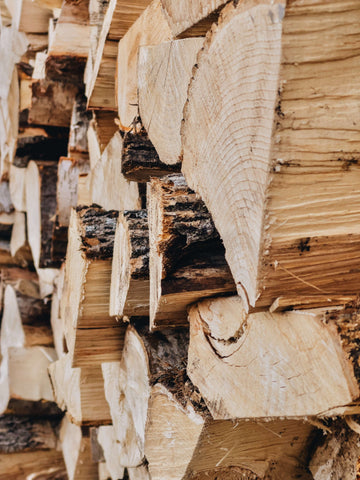
Stock Up on Enough Wood
Whether this is your first wood-burning season or you're a seasoned veteran, keeping a reliable fuel supply is essential. The exact amount of wood you'll need depends on factors like your cabin's insulation, local climate, the type of wood you burn, the stove's efficiency rating, and how often you use it. A good rule of thumb is to plan for at least three to four cords per season for an average-sized cabin — and always have a reserve supply on hand.
Properly Store Your Wood
Once you've figured out how much firewood you'll need to get through the cold months, storing it correctly is just as important. Keep your wood stacked off the ground, sheltered from rain and snow, and never piled directly against your cabin's exterior walls. Proper airflow between stacked rows helps the wood dry and season properly, ensuring a cleaner and more efficient burn when it's time to load the stove.

Ensure Cabin Efficiency
Maximizing your cabin's energy efficiency is just as important as choosing the right stove. Take the time to inspect your cabin for drafts, seal gaps around doors and windows, and add insulation where needed. A well-sealed cabin retains heat far more effectively, allowing your stove to work less while keeping you warmer — and ultimately reducing the amount of firewood you consume each season.
If you keep areas of your cabin closed off or rarely used during winter months, consider using a zone heating approach. By directing warmth only to the spaces you occupy most, you'll maximize efficiency and stretch your firewood supply significantly further.
Popular Wood Stove Models for Cabins
Trusted options that cabin owners rely on
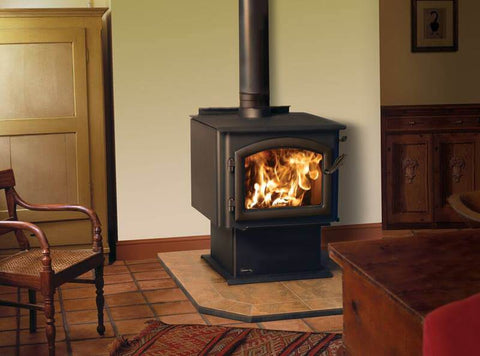
When it comes to reliable cabin heating, a few standout models consistently earn the trust of homeowners and outdoor enthusiasts alike. High-efficiency wood stoves from reputable brands offer features like extended burn times, EPA-certified clean combustion, large fireboxes designed for overnight heating, and durable cast iron or steel construction that lasts for decades.
Models built for small and medium cabins typically cover spaces between 1,000 and 2,000 square feet, while heavy-duty options are designed for larger open-plan cabins reaching 3,000 square feet or more. Look for stoves with convenient loading doors, effective air wash systems that keep the glass clean, and simple ash removal trays to make daily use hassle-free.
The right wood stove will complement your cabin's layout, match your heating demands, and provide years of dependable warmth. Whether you're outfitting a compact weekend retreat or a full-time wilderness home, investing in a quality stove is one of the smartest decisions you'll make.
Backyard Provider • Your Outdoor Living Destination