


It is hard to beat the comforting crackle and radiant warmth of a real wood-burning stove. For anyone living off-grid or heading out to a remote cabin, a quality wood stove is not just a luxury — it is a necessity. When there is no utility power to rely on, a wood stove provides reliable heat, a surface to cook on, and that unmistakable sense of home that no electric heater can match.
In this guide, we break down everything you need to know about selecting the best wood stove for cabin and off-grid living. From sizing your stove to understanding efficiency ratings and clearance requirements, we have got you covered. Whether you are outfitting a small hunting cabin or heating a full-size homestead, read on to find the perfect fit.
Stay Up to Date with Backyard Provider
Get the latest guides, deals, and product launches delivered to your inbox.
Why You Need a Wood-Burning Stove for Your Cabin or Off-Grid Setup
Living off-grid means embracing self-sufficiency, and few things embody that spirit more than heating your home with wood. Unlike propane furnaces, pellet stoves, or electric baseboard heaters, a traditional wood stove requires nothing beyond a supply of seasoned firewood and a properly installed chimney.
Here are some key reasons wood stoves remain the top choice for cabin and off-grid heating:
Energy independence: No reliance on the power grid, fuel deliveries, or gas lines. As long as you have access to timber, you have heat.
Cost-effective over time: After the initial investment, fuel costs are minimal — especially if you harvest your own firewood from your property.
Reliable in all weather: Blizzards, ice storms, and power outages do not affect a wood stove. It performs when you need it most.
Dual-purpose functionality: Many wood stoves double as a cooking surface, making them indispensable in a true off-grid kitchen.
The Top Picks: Best Wood Stoves for Cabin & Off-Grid Use
After hours of research and hands-on evaluation, here are the wood stoves that consistently stand out for cabin owners and off-grid enthusiasts. Each model balances heat output, build quality, efficiency, and real-world value.
Editor's Pick
Vogelzang 3,200 Sq. Ft. Large Wood Stove
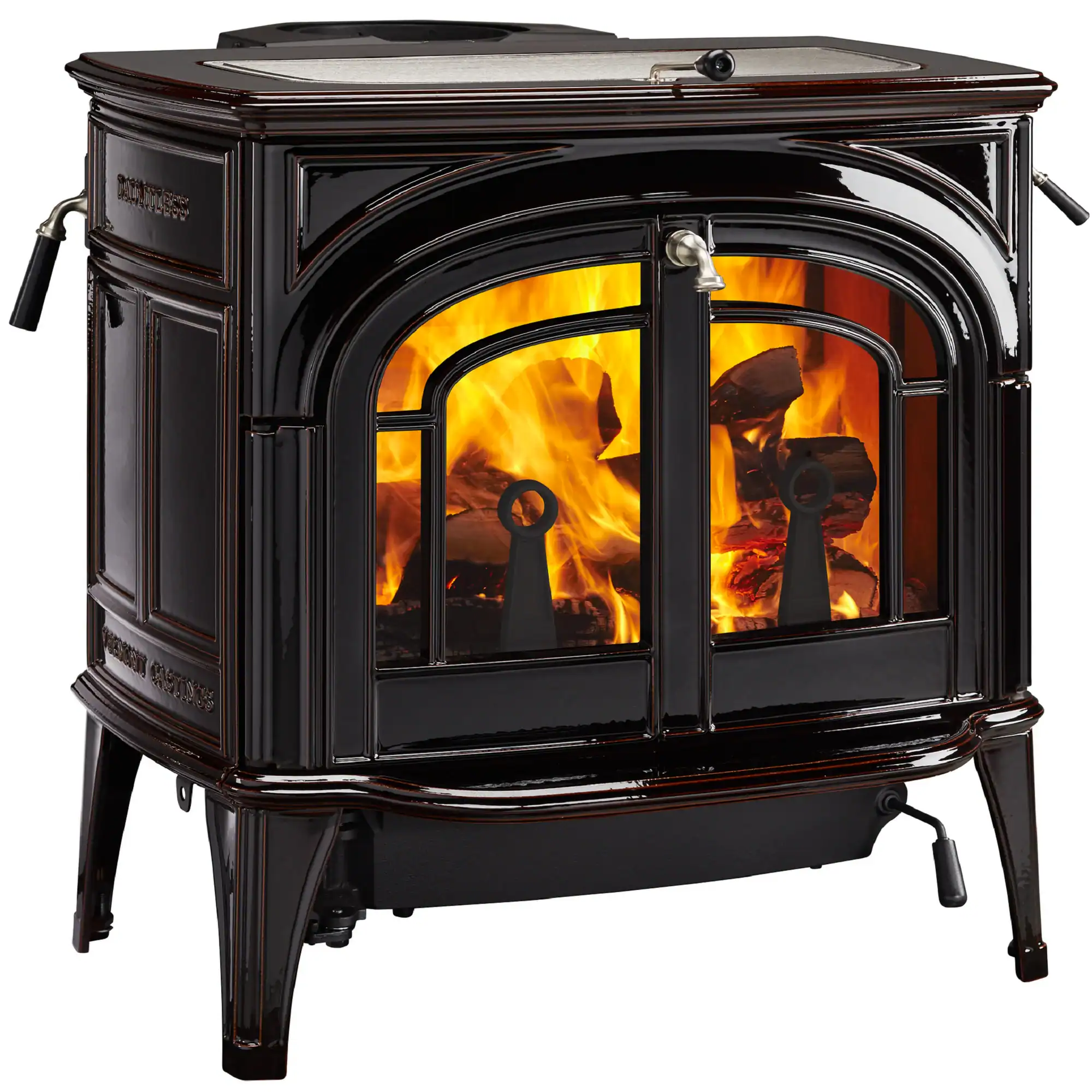
The Vogelzang Large Wood Stove is built to deliver serious heat coverage across up to 3,200 square feet. Constructed from heavy-gauge plate steel with a cast-iron door, this stove is designed for long burn times and high efficiency. It accepts logs up to 22 inches in length, meaning fewer refills and longer overnight burns.
Its large firebox and airtight construction make it an excellent choice for anyone who needs a workhorse stove for a sizable cabin or open-plan living space. The built-in damper and adjustable draft give you precise control over how fast or slow the fire burns, helping you conserve firewood while keeping your home at a comfortable temperature throughout the day and night.
Whether you are heating a large cabin, a workshop, or even a barndominium, the Vogelzang 3,200 handles it with ease. It is rugged, straightforward, and priced to deliver outstanding value.
Beyond the Vogelzang, there are a number of other dependable wood stoves that merit consideration. Classic cast-iron models from brands like Vermont Castings and US Stove Company have built reputations on decades of reliable performance. If your space is smaller — say, a one-room hunting cabin — a compact stove in the 800 to 1,200 square-foot range may be all you need. If you are heating a larger off-grid home, look for models rated above 2,000 square feet with EPA-certified emissions for maximum efficiency.
Why You Need a Proper Flue System
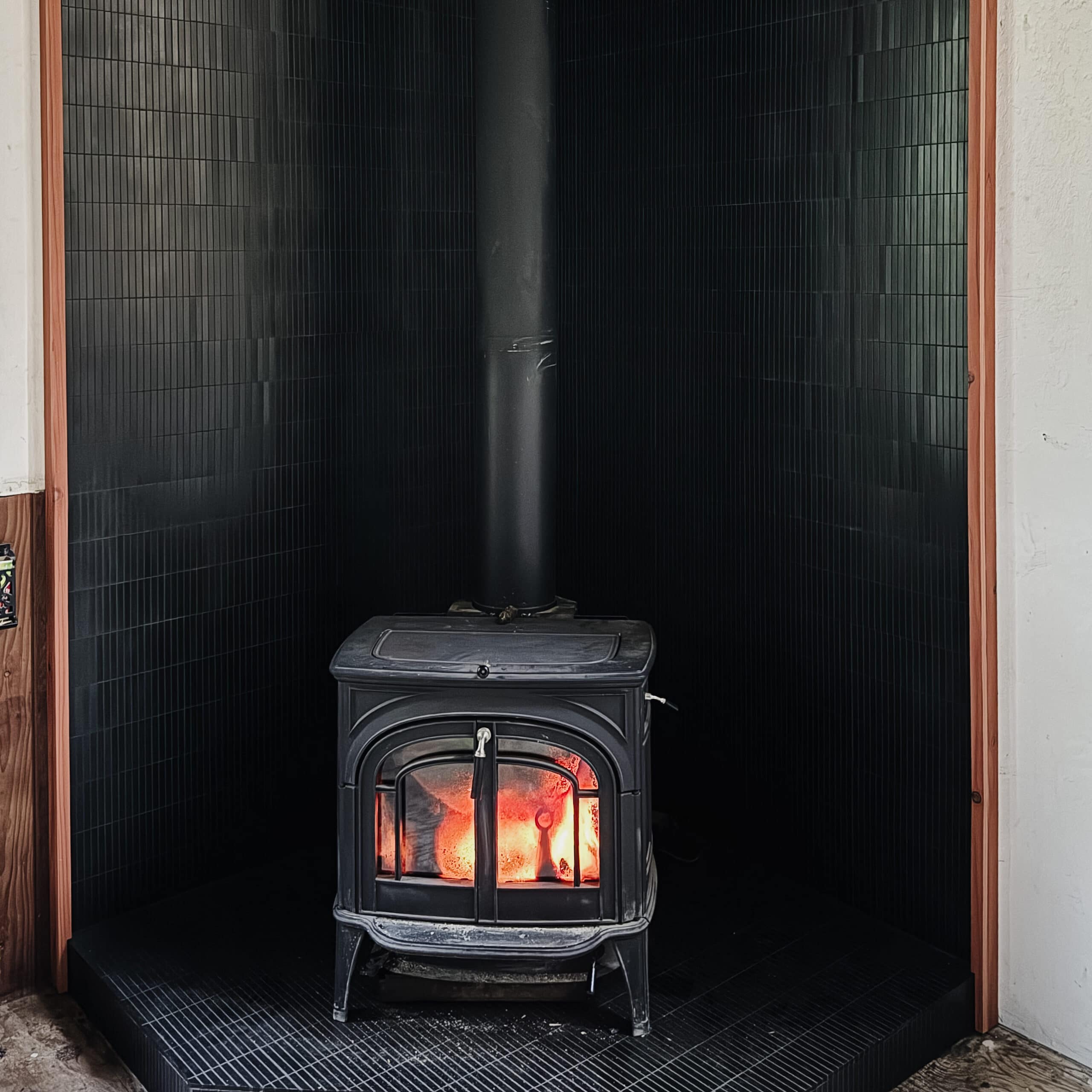
No wood stove setup is complete without a correctly installed chimney and flue system. The flue is the pipe or channel that vents combustion gases and smoke safely out of your home. A poorly installed or undersized flue can lead to dangerous creosote build-up, house fires, and carbon monoxide exposure.
For off-grid installations, double-wall insulated chimney pipe is generally recommended. It maintains higher flue temperatures, reducing condensation and creosote formation. Make sure your chimney extends at least three feet above the roofline and two feet above any structure within ten feet, following the 3-2-10 rule that most building codes require.
Regular inspection and cleaning — at least once a year, and more often if you burn frequently — is critical for safety and optimal performance.

The Problem with Utility-Dependent Heating
If the past few years have taught homeowners anything, it is that centralized infrastructure can fail when you need it most. Rolling blackouts, natural disasters, and aging power grids have left millions without heat during freezing temperatures. For those who depend entirely on electric or gas-powered heating, a major outage can quickly become a life-threatening situation.
A wood stove eliminates that vulnerability. It operates completely independently of the electrical grid and natural gas supply. You control the fuel, you control the burn, and you keep your family warm no matter what happens outside your property line. This level of self-reliance is not just practical — it is increasingly essential.
Understanding the Different Types of Wood Stoves
Not every wood stove is the same. Understanding the major categories will help you narrow down the right model for your needs.
Cast-Iron Stoves
These classic stoves are known for excellent heat retention and a timeless aesthetic. Cast iron heats up more slowly but holds warmth longer after the fire dies down. They are typically heavier and more ornate, making them a great centerpiece in a traditional cabin living room.
Plate-Steel Stoves
Steel stoves heat up faster and are generally lighter and more affordable. They respond quickly to air adjustments, giving you rapid control over room temperature. Many modern high-efficiency models use reinforced steel construction with firebrick-lined fireboxes for improved durability.
Soapstone Stoves
Soapstone stoves offer the best of both worlds — they absorb and radiate heat evenly and consistently, providing a gentle warmth that lasts for hours after the fire has burned out. They tend to be on the premium end of the price spectrum but are favored by those who prioritize comfort and efficiency.
Catalytic vs. Non-Catalytic
Catalytic stoves use a combustor to re-burn smoke and gases before they exit the flue, resulting in higher efficiency and lower emissions. Non-catalytic stoves rely on secondary burn tubes and baffles to achieve cleaner combustion. Both approaches meet modern EPA standards, but catalytic models typically deliver longer, more even burns at lower heat settings.

What to Look for in the Best Wood Stove for a Cabin
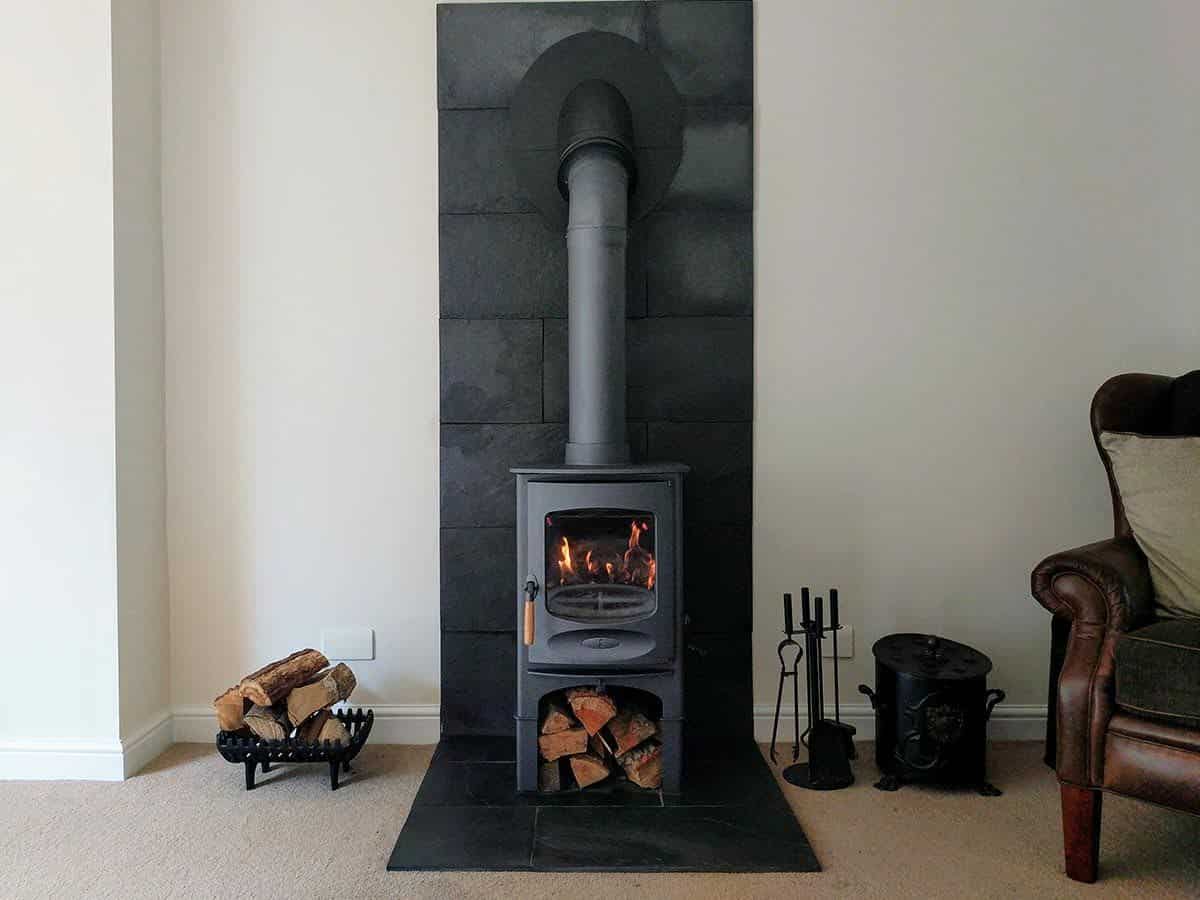
Choosing the right stove comes down to matching the stove's capabilities with your specific living situation. Here are the most important factors to weigh before making a purchase:
Heating capacity (square footage) — Match the BTU output and rated coverage area to the size of your cabin. Oversizing leads to wasted fuel; undersizing leaves cold rooms.
Firebox size and log length — A larger firebox means longer burn times and the ability to load bigger pieces of wood, reducing how often you need to tend the fire.
EPA certification and efficiency — EPA-certified stoves burn cleaner, produce less creosote, and extract more heat per log. Always choose a certified model for both safety and performance.
Build material and durability — Cast iron, plate steel, and soapstone each have pros and cons. Consider your climate, usage frequency, and aesthetic preferences.
Clearance and installation requirements — Every stove has minimum clearance distances from combustible walls and floors. Make sure your cabin layout can accommodate the stove safely before purchasing.
Price and long-term value — The cheapest option is rarely the best value. Look for stoves that balance upfront cost with efficiency, durability, and warranty coverage for the best return on investment over time.
Final Thoughts: Invest in Warmth That Lasts
A wood stove is one of the smartest investments you can make for off-grid and cabin living. It provides heat you can count on regardless of conditions outside, it reduces your dependence on expensive or unreliable energy sources, and it adds genuine character and comfort to any space it occupies.
When selecting a stove, take the time to match the heating capacity to your square footage, choose a reputable manufacturer, and install the unit properly with a certified flue system. Do that, and your wood stove will serve you faithfully for decades to come.
At Backyard Provider, we believe in equipping you with the tools and knowledge to live confidently — whether you are fifty feet from the nearest neighbor or fifty miles from the nearest town. Explore our collection and find the stove that fits your life.
© Backyard Provider · Outdoor Living, Done Right.