

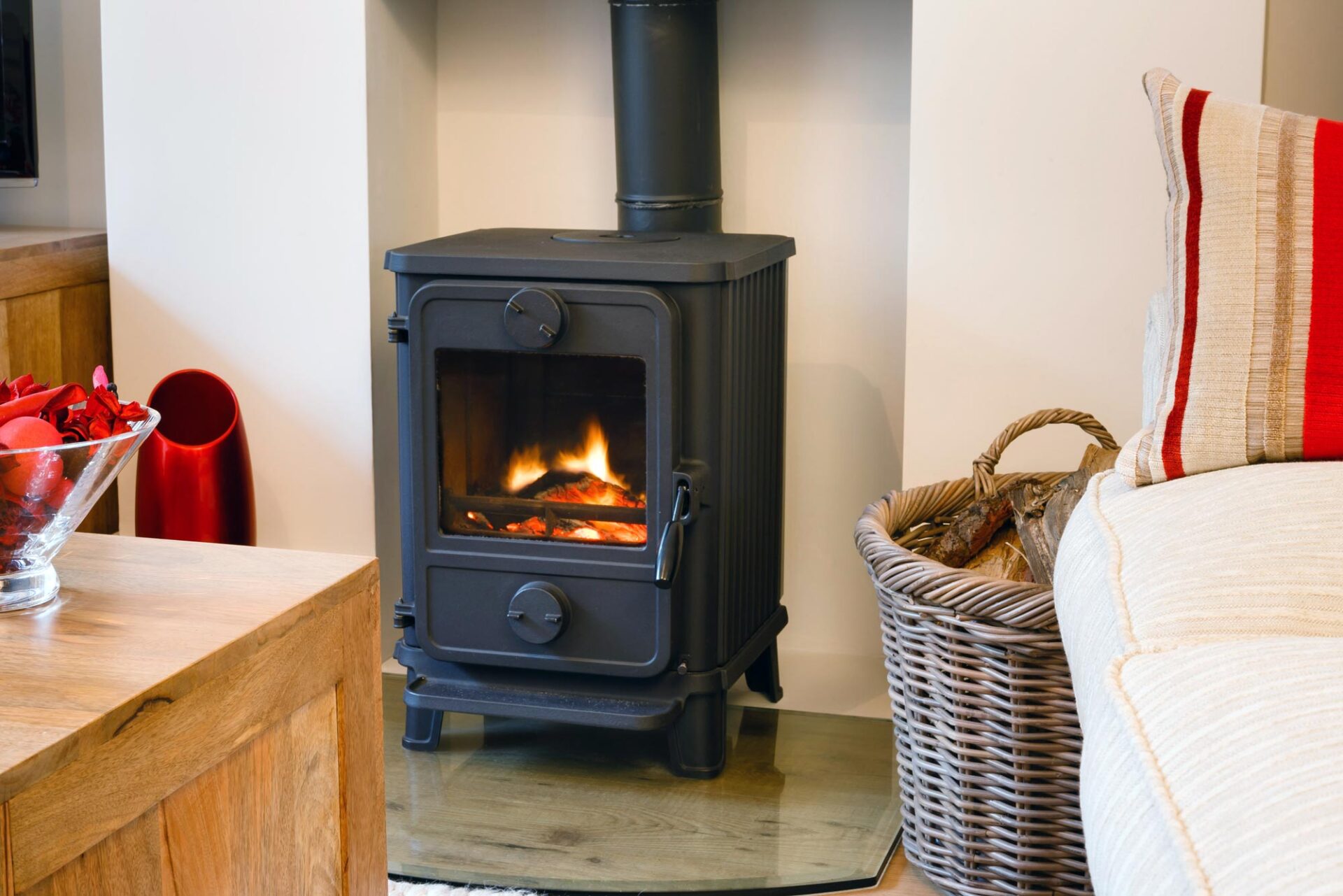
Selecting a wood-burning stove is not as straightforward as it might seem. It is easy to get caught up in the aesthetics and overlook what truly matters: the stove's ability to heat your home effectively. While visual appeal is certainly a factor, there is usually a more practical concern at play — especially when this stove will serve as a primary or secondary heat source.
A wood stove that is too large for your room will push you to burn at a lower output, causing creosote buildup and wasted fuel. One that is too small will leave you shivering in the coldest months. Whether your home is brand new, recently renovated, or a historic building with drafty walls, this guide will walk you through everything you need to consider before making your purchase.
Think About Your Energy and Heating Needs First
Before you start browsing stove models, take a step back and evaluate what your home actually requires. Every household has unique heating demands — shaped by the size of the space, the quality of insulation, the local climate, and how many other heat sources are already in use.
A critical concept to grasp is nominal heat output. This refers to the correct quantity of wood you should burn relative to the size of your firebox. Burning the right amount — not too much, not too little — ensures peak efficiency, lower emissions, and a longer-lasting stove. Overfilling leads to dangerously high temperatures, while underfilling causes incomplete combustion and excess smoke.
The key takeaway? Know your heating requirements well, and make sure the wood-burning stove you pick will cooperate with any existing heating systems in your home.
Choose Your Wood-Burning Stove Based on Your Living Situation
The type of stove that works best for you depends heavily on the kind of home you live in. A ventilated modern build, a mid-century renovation, and an older uninsulated house each call for a very different approach. An oversized stove in a well-insulated room will make the space unbearable, while an undersized model in a drafty cottage will barely make a difference. Matching the stove to the structure is absolutely essential.
Wood-Burning Stoves for New, Energy-Efficient Homes
Modern homes built to current energy codes have tight insulation, advanced ventilation, and efficient building envelopes. These houses retain heat extremely well, which means your stove does not need to work nearly as hard. In fact, the heating demand in a new-construction home can be surprisingly low — often just a few kilowatts.
Because of this, wood-burning stoves designed for energy-efficient spaces tend to have a lower power range — typically between 3 and 6 kW. They often feature a clean-burn system and may have a continuous output as low as 2 kW. Choosing a stove that is too powerful for a well-insulated room is a common and costly mistake — it leads to overheating, wasted wood, and an uncomfortable living environment.
Wood-Burning Stoves for Renovated Homes
If you have an older home that has undergone some level of renovation — upgraded windows, improved insulation, or a sealed attic — your situation falls somewhere in between. These homes are not as airtight as new builds, but they are significantly better than they once were. You will want a stove with a moderate output to handle the remaining heat losses without overwhelming the space.
In these cases, stoves with a mid-range output — often between 5 and 8 kW — tend to be the best fit. They provide enough warmth to supplement your main heating system while keeping your utility costs down.
Wood-Burning Stoves for Poorly Insulated Older Homes
Older homes — especially those built before modern insulation standards — present the biggest challenge. Drafty walls, single-pane windows, and minimal attic insulation mean that heat escapes quickly. If you are relying on a wood stove as a primary heat source in this kind of structure, you will need something with serious output.
These situations typically call for a stove with a higher output — 8 kW or more — to compensate for constant thermal losses. If your home has particularly large rooms or multiple floors, you may even need a stove capable of pushing above 10 kW. At the same time, pairing a powerful stove with improvements like weather stripping and basic attic insulation can dramatically boost your comfort and reduce fuel consumption.
Always Follow the Manufacturer's Recommendations
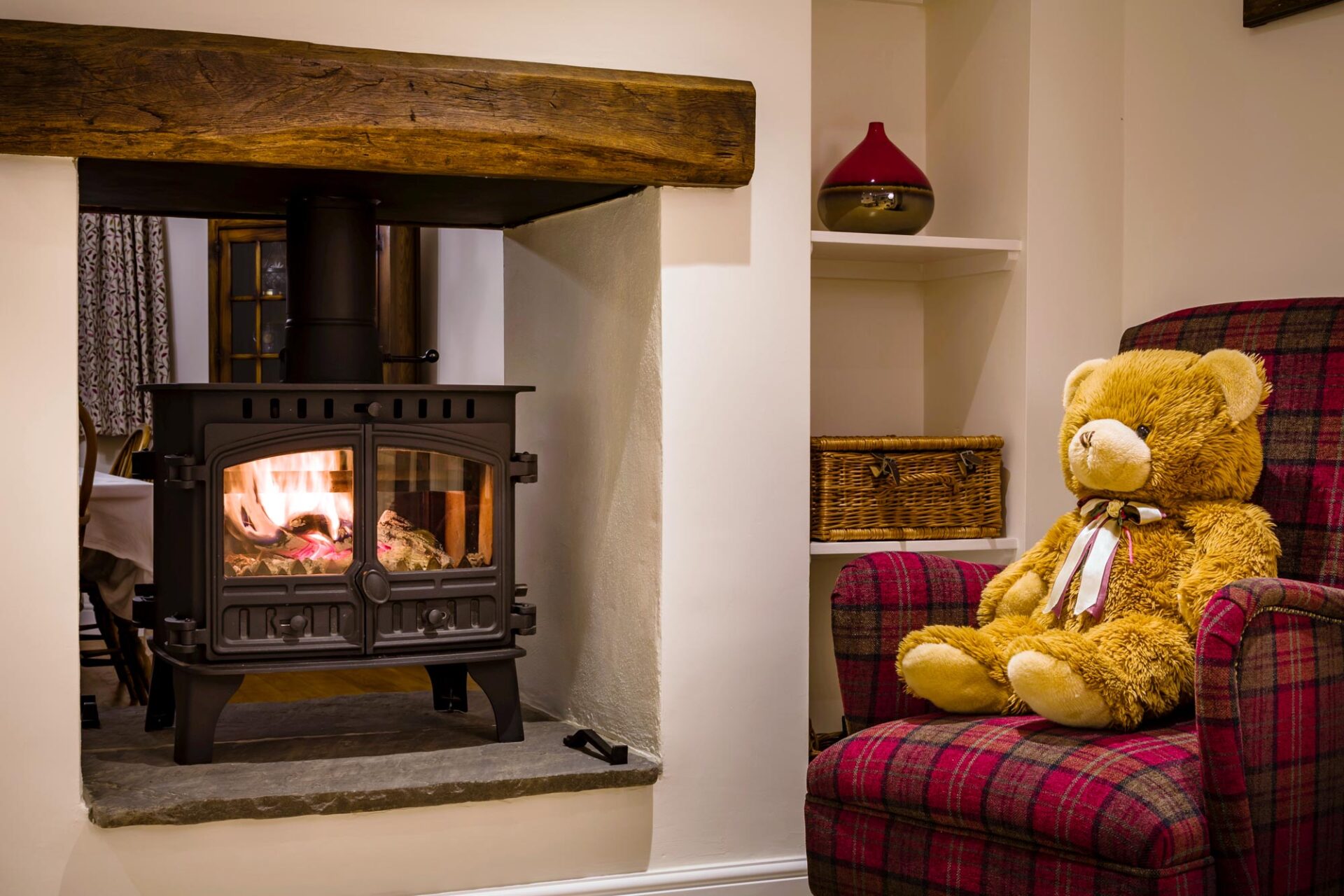
Every wood-burning stove comes with specific guidelines from its manufacturer, and ignoring them is one of the quickest ways to run into trouble. These instructions typically cover the ideal fuel type, the proper loading amount, recommended air settings, and clearance distances from walls and combustible materials.
One common mistake homeowners make is cranking the stove up to its maximum output or, conversely, choking the air supply too aggressively. Both approaches reduce efficiency and produce significantly more pollution. When you burn too hot, you risk damaging internal components and the chimney liner. When you burn too cool, creosote builds up rapidly — creating a serious fire hazard over time.
★ Pro Tip: Use only well-seasoned hardwood with a moisture content below 20%. Freshly cut or "green" wood produces excessive smoke, minimal heat, and accelerates the buildup of hazardous creosote in your chimney.
Always refer to your stove's manual for recommended fuel specifications and maintenance intervals.
If your stove produces excessive smoke, frequent condensation on the glass, or struggles to maintain a steady flame, those are signs that something is off — whether it is the wood quality, the air setting, or the stove's compatibility with your space. In every case, the manufacturer's recommendations are the best starting point for troubleshooting.
Keep in mind that wood stoves are not meant to run at full blast all the time. They function best at moderate, sustained output — the sweet spot where efficiency, warmth, and clean combustion all come together. When operated correctly, a modern wood-burning stove produces remarkably low emissions while delivering consistent, comfortable heat.
Using a Wood-Burning Stove Alongside Other Heating Systems
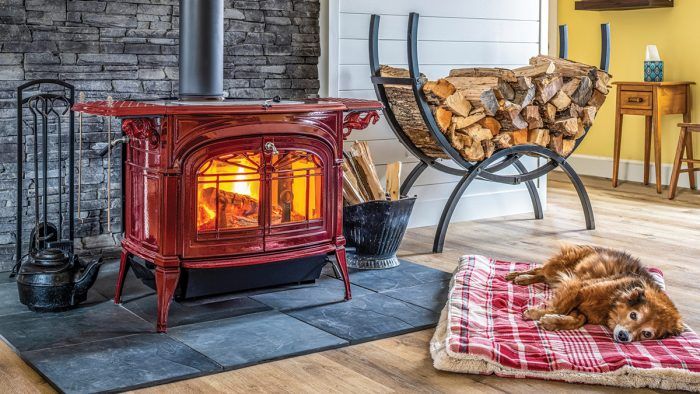
A wood-burning stove does not have to be your sole heat source — and in many cases, it works best as a complement to an existing system. Whether you have baseboard heaters, a central furnace, a heat pump, or even radiant floor heating, a wood stove can reduce your reliance on those systems during peak cold spells and help cut energy costs.
This is particularly valuable during extreme weather events or power outages — situations where grid-dependent heating systems fail entirely. A well-maintained wood stove with a supply of seasoned firewood gives you an independent backup that works regardless of what happens with the electrical grid.
When pairing your stove with other systems, pay attention to thermostat placement and airflow patterns. The stove will heat the room it is in very effectively, but distributing that warmth to other areas may require ceiling fans, open doorways, or small circulation fans placed strategically. Some homeowners even connect their wood stove to a hydronic system for whole-house heat distribution.
Making the Right Investment
Choosing a wood-burning stove is an investment in your home's comfort, efficiency, and resilience. Take the time to honestly assess your space — its insulation, its size, its existing heating infrastructure — before committing to a model. Consult the manufacturer's specs, understand the nominal output, and do not be afraid to size down if your home is well-insulated.
A properly chosen and correctly operated wood stove will reward you with years of reliable, cost-effective warmth — along with the unmistakable ambiance that only a real fire can provide. It is one of the few home improvements that pays for itself not just in savings, but in genuine daily enjoyment.
Featured Product
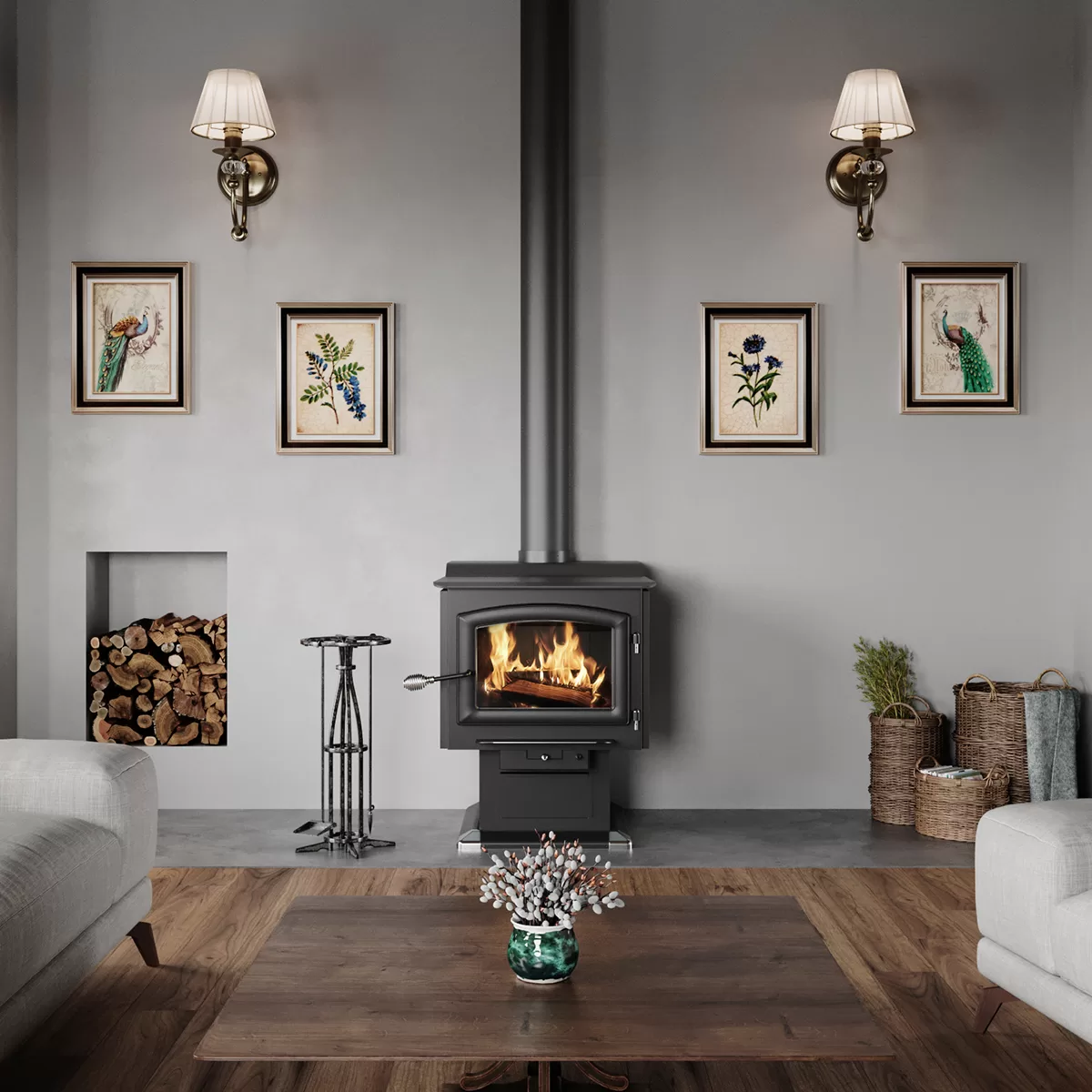
Vogelzang 3,200 Sq. Ft. Large Wood Stove
A powerful, EPA-certified wood stove built to heat large spaces efficiently — ideal for older homes and open floor plans.
© 2025 Backyard Provider — Your Trusted Source for Outdoor Living & Home Comfort