

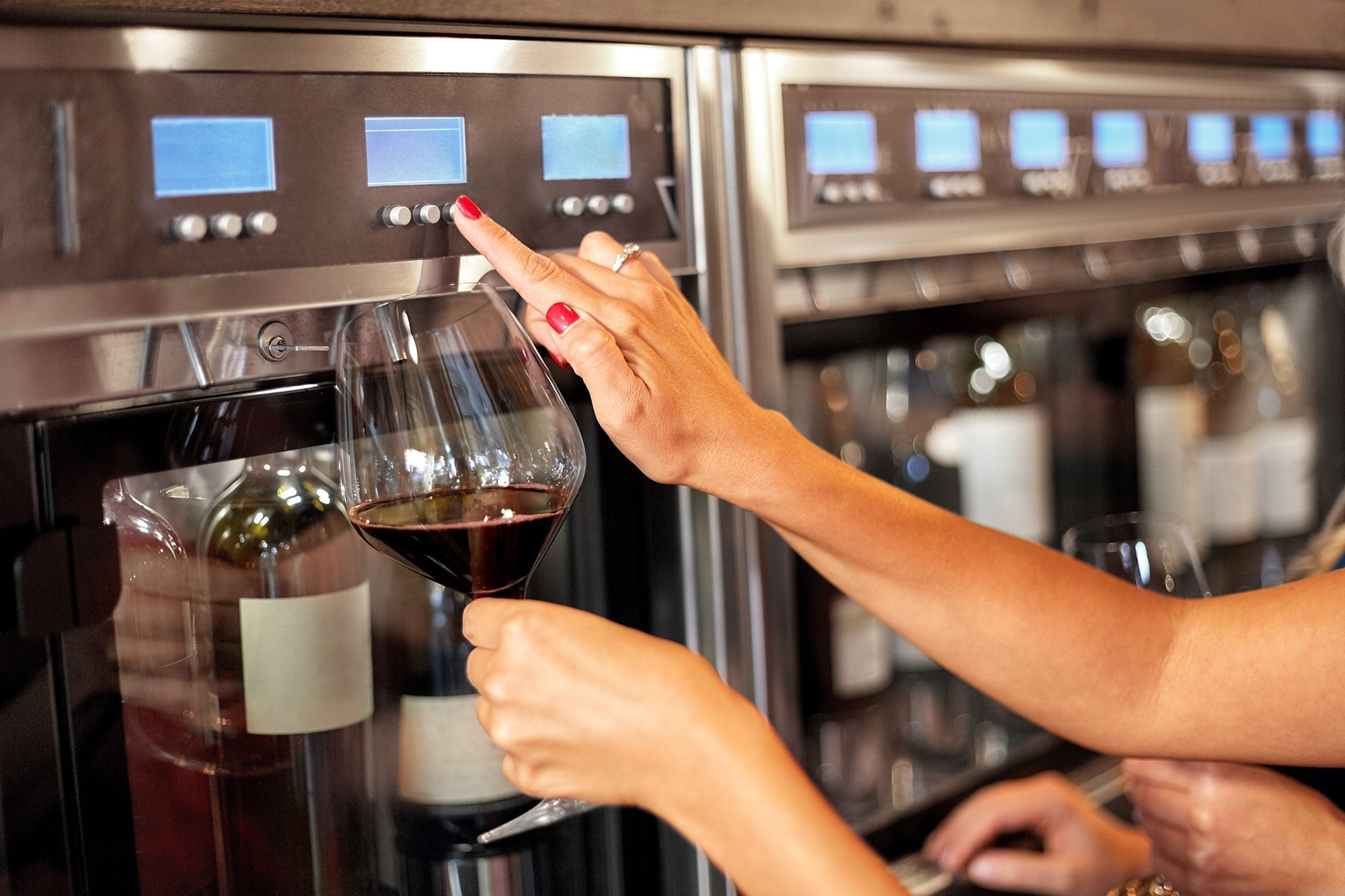
If you have ever opened a premium bottle of wine only to watch its flavor fade within a day or two, you already know the frustration that wine lovers face. Traditional methods of preserving an opened bottle — from vacuum pumps to simple re-corking — rarely deliver the freshness you expect when you return for a second glass.
This is exactly where wine dispensers step in. These purpose-built devices are designed to serve wine at the ideal temperature while protecting the remaining contents from the oxidation that destroys taste and aroma. But not every dispenser works the same way, and the differences between models can dramatically affect your experience.
In this guide, we break down everything you need to know about wine dispensers — how they work, what problems they solve, the most popular styles available, and how to decide which system fits your lifestyle or business. Whether you are a casual sipper at home or running a busy wine bar, this article will help you make a confident choice.
In This Article
- › What Is a Wine Dispenser?
- › Popular Wine Dispenser Styles
- › The Problems Wine Dispensers Solve
- › Key Features to Look For
- › Wine Dispenser Comparison at a Glance
- › Best Use Cases for Wine Dispensers
- › What Professionals Are Saying
What Is a Wine Dispenser?
A wine dispenser is a specialized appliance that stores, chills, and serves wine while actively preserving the quality of every bottle inside. Unlike simply pouring from an open bottle on the counter, a dispenser creates a controlled environment where temperature, oxygen exposure, and portion size are all carefully managed.
Most wine dispensers use either an inert gas replacement system or a vacuum seal mechanism to slow down oxidation — the chemical process that turns a vibrant wine flat and lifeless within hours of opening. Some models also include thermoelectric or compressor-based cooling to hold bottles at the exact serving temperature, whether you prefer a crisp white at 45°F or a full-bodied red at 62°F.
These devices range from compact countertop units designed for two or four bottles all the way up to commercial-grade cabinets that hold dozens. The core purpose, however, stays the same: dispense wine conveniently without sacrificing flavor, aroma, or longevity.

Popular Wine Dispenser Styles
Whether you are outfitting a personal wine nook or stocking a tasting room, there is a dispenser format built for the job. Here are the most common types you will come across today.
01
Countertop Dispensers
Compact units designed to sit on your kitchen counter or bar top. They typically hold one to four bottles and offer push-button or lever-style pouring. Ideal for everyday home use and small gatherings.
02
Freestanding Cabinet Systems
Larger, furniture-style units with built-in cooling compartments. They can accommodate eight or more bottles, often with separate temperature zones for reds and whites. Popular in upscale home bars and boutique restaurants.
03
Commercial Tap Systems
High-volume dispensing setups used in restaurants, hotels, and event venues. These often include nitrogen or argon gas preservation lines and digital portion controls for accurate by-the-glass service.
04
Needle-Through-Cork Devices
Handheld or docking-style tools that pierce the cork with a thin needle, inject inert gas, and pour wine without ever removing the cork. The bottle reseals itself naturally, keeping wine fresh for weeks or even months.
The Problems Wine Dispensers Solve
Wine dispensers exist because open bottles have a very short window of peak drinkability. Once oxygen meets wine, the clock starts ticking — and most wines begin to lose their character within 24 to 48 hours. Here are the core challenges these systems address.
Oxidation and Flavor Loss
The moment a cork is pulled, oxygen rushes in and begins breaking down the delicate compounds that give wine its taste and bouquet. A quality dispenser replaces that oxygen with inert gas or creates a sealed vacuum, dramatically slowing the degradation process.
Inconsistent Serving Temperature
Wine that is too warm tastes flabby and alcoholic, while wine that is too cold loses its aromatic complexity. Built-in temperature controls ensure every glass is poured at the precise degree for maximum enjoyment.
Waste From Unfinished Bottles
How many half-finished bottles end up poured down the drain because the wine went stale overnight? A proper dispenser lets you enjoy a single glass today, another tomorrow, and the rest next week — all tasting as fresh as the first pour.
Limited By-the-Glass Options
Restaurants and wine bars often restrict their by-the-glass menu to avoid waste from slow-selling bottles. Dispensers with preservation technology let venues offer a wider rotating selection without the fear of pouring profits down the sink.

Key Features to Look For
Not all wine dispensers are created equal. When shopping for the right unit, these are the features that separate a worthwhile investment from a glorified bottle holder.
1. Preservation Technology
Look for systems that use argon or nitrogen gas blankets rather than simple vacuum pumps. Gas-based preservation creates an inert barrier between the wine surface and the atmosphere, offering significantly longer freshness — often measured in weeks instead of days.
2. Portion Control
Precise pour settings let you serve a standard tasting pour, a half glass, or a full glass at the push of a button. This is particularly valuable in commercial settings where consistent portion sizes directly impact profitability.
3. Temperature Management
Dual-zone or adjustable temperature compartments allow you to store reds and whites at their respective ideal ranges simultaneously. A dispenser without reliable cooling is just an expensive wine rack.
4. Build Quality and Capacity
Stainless steel interiors, UV-resistant glass doors, and vibration-dampened shelving all contribute to better long-term storage. Capacity should match your actual consumption habits — a two-bottle unit suits most households, while hospitality settings may need eight bottles or more.
Wine Dispenser Comparison at a Glance
The table below highlights some of the most important distinctions between standard countertop dispensers and premium preservation systems. Use it as a quick reference when evaluating your options.
| Feature | Standard Dispensers | Premium Preservation Systems |
|---|---|---|
| Preservation Method | Vacuum seal or open-air | Argon/nitrogen gas blanket |
| Freshness Duration | 2–5 days after opening | Several weeks to months |
| Temperature Control | Basic or single zone | Dual-zone or precision digital |
| Portion Options | Manual free-pour | Preset tasting, half, and full pours |
| Ideal Setting | Home use, casual entertaining | Restaurants, wine bars, collectors |
| Price Range | $150 – $500 | $500 – $5,000+ |

Best Use Cases for Wine Dispensers
1. Restaurants and Wine Bars
Restaurants that invest in wine dispensing systems can expand their by-the-glass programs without worrying about waste. A wider selection attracts more adventurous diners and increases average check sizes. Many establishments report recovering the cost of their dispenser within months simply through reduced spoilage and higher wine sales.
2. Home Entertaining and Collectors
For the home wine enthusiast, a countertop dispenser transforms casual entertaining. Guests can help themselves to perfectly chilled wine while the host focuses on cooking and conversation. Serious collectors also benefit from being able to sample prized bottles without committing to finishing them in one sitting.
3. Hotels and Hospitality Venues
Boutique hotels and luxury resorts use wine dispensers in their lobbies, lounges, and VIP areas to create a self-service wine experience that feels curated and premium. The technology reduces staffing demands during quieter hours while still delivering a high-end guest experience.
4. Tasting Rooms and Retail Shops
Wineries and specialty retail shops use dispensers to offer samples without opening full bottles for every visitor. This controlled approach minimizes waste and creates a polished, professional tasting experience that encourages purchases.
60%
Less Wine Waste
4x
Glass Menu Growth
30+
Days Freshness
What Professionals Are Saying
Industry leaders across the hospitality and wine retail sectors have embraced dispensing technology as a game-changer for their businesses. Sommeliers appreciate the ability to offer rare and expensive wines by the glass without the financial risk of spoilage. Restaurant owners point to the direct impact on revenue — more varietals on the glass menu means more upselling opportunities and happier guests.
On the consumer side, home wine enthusiasts report that having a dispenser fundamentally changes their relationship with wine. Instead of saving good bottles for special occasions, they open them on a Tuesday night knowing the rest of the bottle will taste just as good on Thursday. It takes the pressure out of enjoying fine wine at home.
"A reliable wine dispenser is one of the smartest investments a wine-focused business can make. It pays for itself in reduced waste alone, and the improvement in guest experience is immediate and measurable."
— Hospitality Industry Insight

Featured Product
Find the Perfect Wine Dispenser for Your Home
Ready to stop wasting good wine? Explore the Vinotemp 2-Bottle Wine Dispenser — a sleek, countertop-friendly unit designed to keep your favorite bottles fresh and perfectly chilled, glass after glass.
Making the Right Choice
Choosing the right wine dispenser ultimately comes down to understanding how you drink wine and where you plan to use the machine. A casual home drinker who opens a couple of bottles a week will be perfectly served by a quality two-bottle countertop unit with built-in cooling. A busy restaurant or tasting room, on the other hand, may need a multi-bottle commercial system with gas preservation and digital controls.
Regardless of which category you fall into, the key takeaway is this: any wine dispenser that keeps oxidation at bay and maintains proper temperature will dramatically improve the quality of every glass you pour. The days of wasting half-finished bottles are over once you bring the right dispenser into your routine.
Explore the options, compare the features that matter most to you, and invest in a system that matches your lifestyle. Your next glass of wine will thank you.