

Selecting the right sit-on-top kayak can feel overwhelming with so many options available. Whether you're planning coastal explorations, casual lake paddling, or kayak fishing expeditions, this comprehensive guide will help you make an informed decision. We'll cover everything from kayak selection and essential gear to safety equipment and storage solutions.
Pro Tip: Before making a purchase, consider taking a kayak course or joining a guided tour. This hands-on experience helps you compare different kayak styles and discover what truly works for your needs.
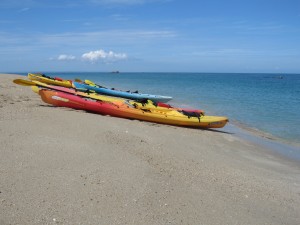
Where Should You Buy Your Kayak?
The retailer you choose matters significantly. Many general sporting goods stores and online marketplaces sell kayaks, but their staff often lack specialized knowledge about paddle sports. Without expert guidance, you might end up with equipment that doesn't match your needs or skill level.
Specialist Retailers
Staff members are typically active paddlers who understand the nuances between different kayak designs and can offer personalized recommendations.
Try Before You Buy
Quality kayak shops often allow test paddles, helping you experience how different models perform on the water before committing.
After-Sales Support
Specialist shops provide ongoing support, spare parts, and repair services that generic retailers simply cannot match.
Warning: Budget kayaks from discount retailers are frequently manufactured with inferior plastic grades. We've encountered numerous reports of cheap designs cracking easily and hardware failing within months of purchase.
Selecting the Right Sit-on-Top Kayak
Your ideal kayak depends on several factors: your body size, the type of paddling you plan to do, and how often you'll be on the water. A kayak that feels incredibly stable during your first outing might feel sluggish and unresponsive as your skills develop.
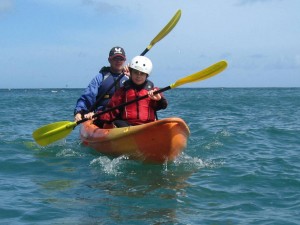
Kayak Length Matters
Length significantly impacts performance. Longer kayaks track better (maintain a straight course) and are faster, making them ideal for coastal exploration and covering distances. Shorter kayaks offer superior maneuverability for navigating tight spaces, playing in surf, or recreational use in sheltered waters.
| Kayak Type | Length | Best For |
|---|---|---|
| Short (Under 10ft) | 8-10 feet | Beach play, children, tight spaces |
| Medium (10-12ft) | 10-12 feet | Recreational paddling, lakes, calm bays |
| Long (12ft+) | 12-15+ feet | Coastal touring, distance paddling, fishing |
Kayaks for Larger Paddlers & Anglers
If you're a larger paddler or plan to use your kayak for fishing, you'll want a model with higher weight capacity and a wider, more stable platform. Kayaks in the 13-15 foot range offer excellent stability while maintaining reasonable tracking performance.
For kayak fishing specifically, look for models with flush-mount rod holders, gear tracks for accessories, and ample storage space. Many anglers prefer wider kayaks that allow standing for sight-casting, though this comes at the expense of paddling efficiency.
Featured: Vibe Yellowfin 120
A versatile 12-foot kayak perfect for both recreational paddling and fishing. Features include adjustable seating, multiple storage areas, and fishing-ready accessories.
Vibe Yellowfin 120Kayaks for Children
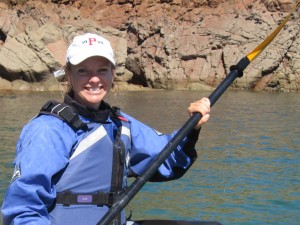
Think about how uncomfortable it would be using equipment several sizes too large. The same principle applies to children and kayaks. Properly sized equipment makes learning easier, more enjoyable, and encourages continued interest in the sport.
Youth-specific kayaks are lighter, narrower, and proportioned for smaller paddlers. This makes them easier to maneuver and allows children to develop proper paddling technique from the start. Pair a youth kayak with an appropriately sized paddle and a properly fitted personal flotation device.
Youth Kayak Checklist:
• Appropriate length for age/size
• Lightweight construction
• No sharp edges on deck
• Properly sized paddle
• Youth wetsuit for warmth
• Correctly fitted PFD
Always Try Before You Buy
A kayak that feels wonderfully stable during your initial paddle might feel like a barge as your skills progress. This is precisely why rushing to purchase isn't advisable. Taking a course or renting different models allows you to experience various designs and discover what truly suits your paddling style.
Buying Second-Hand? Consider These Points:
• Verify current retail pricing to ensure fair value
• Inspect the keel thoroughly for damage or excessive wear
• Check drain holes for cracks or seal damage
• Look for signs of moisture or mold inside hatches
• Request proof of ownership to avoid stolen goods
Choosing the Perfect Paddle
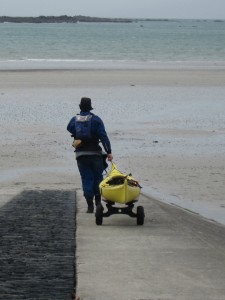
Your paddle is your engine—investing in the right one dramatically improves your kayaking experience. Consider these factors when selecting a paddle: length, blade size, shaft diameter, weight, and feather angle.
Paddle Length
Modern paddling favors shorter lengths than traditionally recommended. Shorter paddles reduce body strain and allow for higher stroke rates with less effort. Most recreational paddlers do well with 210-230cm lengths.
Blade Size
Larger blades provide more power per stroke but tire you faster. Smaller blades allow higher cadence with less fatigue—ideal for distance paddling. Match blade size to your strength and paddling goals.
Weight & Materials
Lightweight paddles significantly reduce fatigue during extended outings. Fiberglass and carbon fiber options cost more but deliver noticeable performance improvements over aluminum models.
High vs. Low Angle Paddling: High-angle technique is more powerful and efficient, utilizing core and leg muscles for propulsion. While low-angle paddling appears relaxed, it's often less efficient and can indicate technique issues. Learning high-angle fundamentals first makes transitioning between styles easier.
Essential Kayaking Gear
Safety Equipment Essentials
Personal Flotation Devices (PFDs)
Select a buoyancy aid designed specifically for kayaking—general water sports vests can restrict movement. Always wear the correct size and ensure proper fit with all straps adjusted.
Important: Buoyancy deteriorates over time. After approximately five years, a PFD may have lost up to 50% of its flotation capacity. Exercise extreme caution when purchasing second-hand safety equipment.
Communication Devices
Always carry communication equipment on your person—not stored in the kayak. If you capsize, having immediate access to call for help could save your life. Options include:
• Waterproof mobile phone or waterproof case
• Marine VHF radio (ideal for coastal paddling)
• Personal locator beacon for remote adventures
Signaling Devices
Traditional pyrotechnic flares have limitations: they're expensive, expire quickly, can cause burns, and are environmentally problematic to dispose of. Modern laser flares offer longer duration, easier operation, and can be safely stored in a PFD pocket.
Paddle Leashes & Tow Lines
Solo paddlers should consider a paddle leash—you'd be surprised how quickly a kayak drifts away in even light wind. A simple tow line proves invaluable when paddling with less experienced companions or children who might tire during longer outings.
Transport & Storage Solutions
Roof Rack Systems
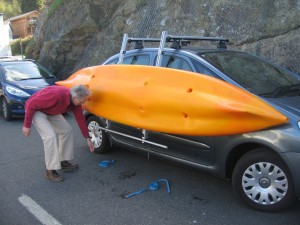
A quality roof rack is an often-overlooked expense when purchasing a kayak. Check your vehicle's maximum roof load capacity before selecting a system. Consider how you'll load and unload the kayak—lifting solo frequently causes back injuries.
Never use bungee cords as your primary tie-down method. We've witnessed numerous incidents of kayaks flying off vehicles secured with elastic cords.
Invest in quality cam buckle straps with clearly labeled breaking strength ratings.
Trailer Options
For multiple kayaks or those preferring not to roof-load, small kayak trailers offer an excellent alternative. Benefits include easier loading, no vehicle damage risk, and keeping wet gear out of your car. The cost often compares favorably to premium roof rack systems.
Storage Considerations
Store your kayak in a secure, accessible location protected from prolonged UV exposure. Many paddlers prefer courses and tours specifically because storage can be challenging—all equipment is provided, eliminating the need for home storage entirely.
Training & Skill Development
Online forums and discussion groups can provide useful information, but nothing replaces proper instruction from qualified coaches. We've observed paddlers spending considerable time debating techniques online that a single coaching session would resolve instantly.
Expand Your Horizons Safely
Getting experience in challenging conditions—with proper safety support—prepares you for unexpected situations on the water. When conditions become difficult, having that prior experience makes all the difference.
"If you can think 'I've experienced something like this before,' you'll be in a much better position to respond effectively."
Ready to Start Your Kayaking Journey?
Whether you're a complete beginner or looking to upgrade your equipment, the right gear makes all the difference. Explore our selection of quality kayaks and accessories.
Vibe Yellowfin 120The information provided in this guide is for educational purposes. Always prioritize safety, seek professional instruction, and use appropriate equipment for your skill level and conditions. Kayaking involves inherent risks—paddle responsibly.