

Understanding Electric Scooter Range
The advertised range on an electric scooter tells you how far it can theoretically travel on one full charge—but real-world mileage depends on several variables. Battery technology has come a long way in recent years, yet performance on the road is still shaped by how and where you ride. Here's what actually matters:
1Battery Capacity
Battery capacity, measured in watt-hours (Wh), is the single biggest factor. A scooter with a 500Wh battery can, in theory, deliver 500 watts of power for one hour, or 250 watts for two hours. Higher capacity almost always translates to longer range—expect a well-tuned 500Wh battery to cover roughly 30 to 45 miles under ideal conditions.
2Rider Weight
Your weight directly affects how hard the motor has to work. Heavier riders pull more power from the battery, and a rider over 220 lbs can reduce total range by anywhere from 10 to 25 percent, depending on the scooter model and riding conditions.
3Terrain and Road Conditions
Smooth, level pavement is ideal—it lets the motor run efficiently with minimal effort. Hills, potholes, and loose surfaces force the motor to work harder through repeated acceleration and braking. This constant cycle of stress drains the battery noticeably faster, especially on routes with significant elevation changes.
4Speed
Higher speeds burn through battery faster. Most scooters include an eco-mode that caps top speed to stretch range. Riding at around 12 mph instead of 30 mph can extend your battery life by 30 to 40 percent, depending on the model and its efficiency curve.
5Weather
Temperature matters more than most buyers realize. Lithium-ion batteries—the standard in nearly every electric scooter—are sensitive to the cold. In freezing conditions, chemical reactions inside the cells slow down, which reduces range, limits top speed, and can cause sluggish acceleration. Studies indicate lithium-ion cells can lose 10 to 30 percent of their usable capacity in temperatures below 32°F. They perform best in moderate climates between 60°F and 95°F, so riders in colder regions should plan for more frequent charging during winter months.
6Maintenance
A well-maintained scooter holds its range better over time. Keep tires properly inflated, batteries topped up, and firmware current. One pro tip: for daily use, charging only to 80 percent rather than 100 percent significantly extends battery lifespan. Reserve full 100 percent charges for longer trips, since frequent full cycles accelerate long-term battery wear.
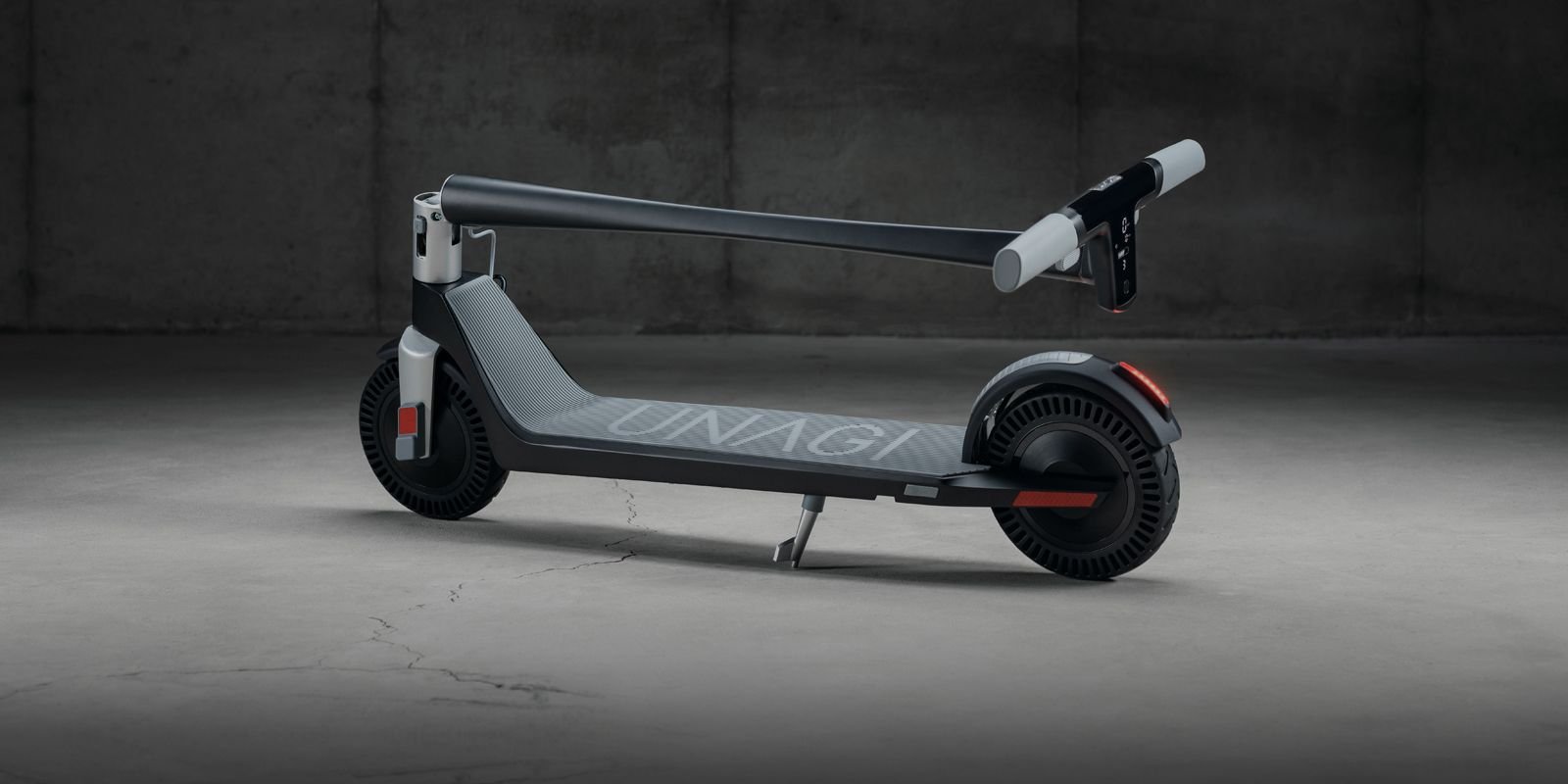 Benefits of Owning an Electric Scooter
Cost Savings
Electric scooters dramatically cut daily transportation costs. A full charge costs a fraction of a gallon of gas, and with far fewer moving parts, maintenance is cheaper too. Most owners break even on their purchase within 1,500 to 2,000 miles of riding.
Smart Tech
Modern scooters ship with GPS tracking, companion apps, and advanced battery management systems. App-based analytics let you monitor performance, plan routes, and get more out of every ride.
Convenience
Compact, foldable, and easy to park, electric scooters thrive in urban settings. They fit under desks, in apartment closets, and on public transit—ideal for skipping gridlock in dense cities.
Eco-Friendly
Zero tailpipe emissions mean cleaner air and a smaller carbon footprint. Choosing electric is a simple, practical way to reduce your daily environmental impact.
How to Choose the Right Electric Scooter
Picking the right scooter comes down to matching the machine to the way you ride. Here's a practical step-by-step approach:
1. Determine Your Typical Commute
- Short trips (3–6 miles): A lightweight, affordable model with a smaller battery is plenty. Entry-level scooters with roughly 1.5 kWh capacity are ideal for quick urban hops, comfortably covering 30 to 45 miles per charge.
- Medium commutes (6–15 miles): Look for mid-range capacity balanced with solid power and portability. Scooters in the 2.5 to 3.5 kWh range deliver 50 to 65 miles of range, which handles most daily city commutes with room to spare.
- Long commutes (15+ miles): Prioritize high-capacity batteries and larger wheels for comfort. Models built around 3.5 to 4 kWh batteries can push 60 to 80 miles per charge, giving you headroom for detours, errands, and real-world conditions.
2. Consider Weight and Portability
If you'll be carrying your scooter often—up stairs, onto trains, or into an apartment—go lightweight. Models under 45 lbs are much easier to lift and store. Heavier scooters above 55 lbs often deliver more range and power, but they're less practical for tight spaces. It's a balance between daily convenience and ride capability.
3. Check Speed and Power
Higher-wattage motors climb hills better and accelerate faster, but they also draw more current from the battery. Motors in the 500W to 3,500W range cover most riders—lower wattage is fine for flat city streets, while 2,500W and up is better for steeper terrain or heavier riders. Just expect more frequent charging as wattage increases.
4. Evaluate Build Quality
Frame construction directly impacts safety, ride feel, and longevity. Premium brands now use reinforced aluminum alloys and steel-aluminum hybrid frames designed to stay rigid without adding unnecessary weight. A well-built frame translates to better handling, better stability at speed, and a longer service life overall.
5. Look for Smart Features
App connectivity, anti-theft locking, GPS tracking, and regenerative braking have become standard on premium models. Regenerative braking in particular captures energy during slowdowns and puts it back into the battery, extending range and reducing brake wear at the same time. These extras pay for themselves in daily convenience.
6. Assess Charging Time
If you ride multiple times a day, fast charging is non-negotiable. Modern scooters with quick-charge capability can hit 80 percent in 1 to 2 hours. For riders who plug in overnight, a standard 4 to 6 hour full charge is perfectly fine. Match the charging profile to your real schedule.
Ready to Ride?
The Varla Pegasus City Commuter delivers the range, build quality, and smart features we've covered in this guide—all engineered for riders who want comfort, power, and reliability every day.
Shop Varla PegasusWhy Charging Infrastructure Matters
Even the best electric scooter is only as useful as the charging network that supports it. Access to reliable charging—at home, at work, and along your regular routes—is what turns an electric scooter from a novelty into a legitimate daily driver.
Charge at Home
Most riders charge overnight using a standard household outlet. It's the simplest, most affordable option and fits seamlessly into any routine.
Smart Charging Habits
Avoid draining the battery to zero, unplug once fully charged, and stick to the 20–80 percent range for daily use. These small habits dramatically extend battery lifespan over the years.
Plan for the Road
For longer rides, map your route against known outlets and public charging options. A few minutes of planning can save you from an inconvenient dead battery mid-trip.
Wrapping Up
The shift toward electric mobility is reshaping how we get around—and electric scooters are at the heart of it. By understanding the factors that influence range, how to choose the right build for your commute, and how to treat the battery well, you'll get far more out of your ride than the spec sheet suggests. Whether you're commuting across the city, running weekend errands, or simply embracing a cleaner way to travel, the right scooter turns every trip into something a little more enjoyable.