

1. Understanding the Electric Scooter for Everyday Use
An electric scooter is a two-wheeled personal vehicle powered by a rechargeable battery and an electric motor instead of fuel. It runs quietly, emits zero tailpipe pollution, and charges from a standard household outlet.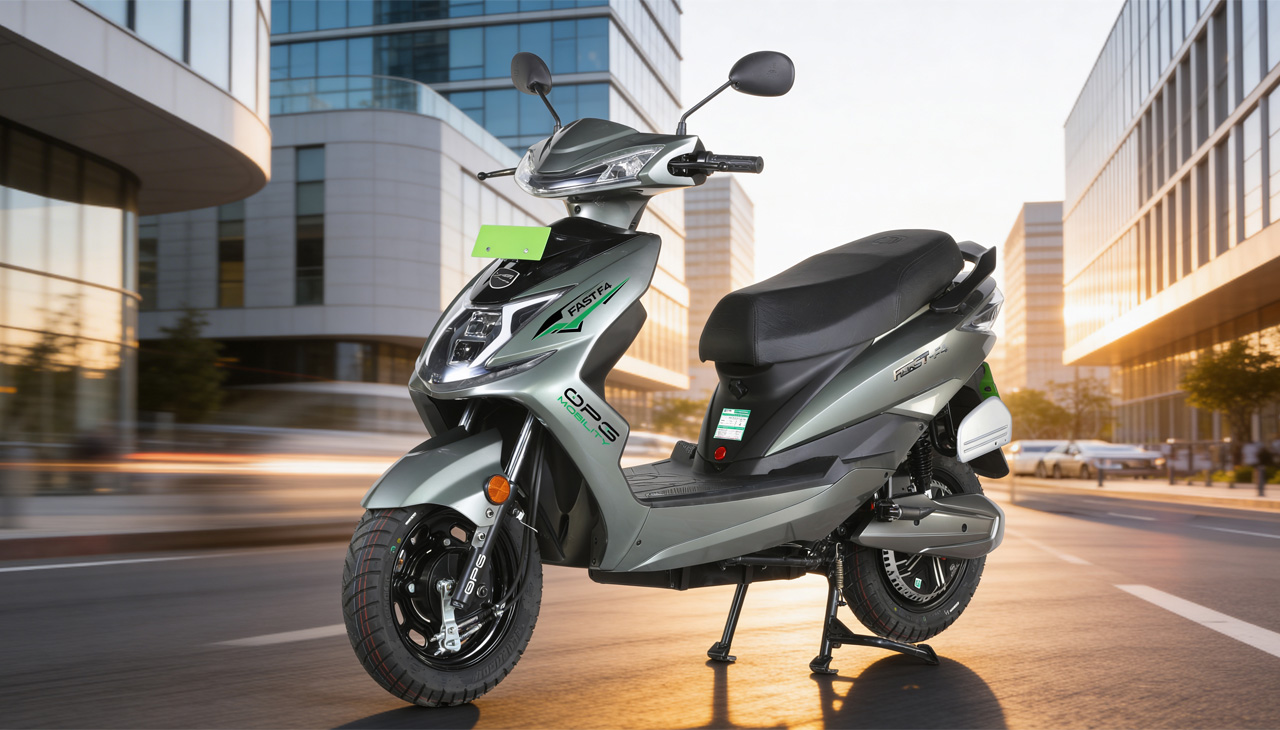
For daily commuters, the essential qualities that matter most are:
- Low operating cost per mile
- Ease of handling in city traffic
- Comfortable ride quality
- Reliable and long-lasting battery
- Minimal maintenance demands
Modern electric scooters are engineered specifically to deliver on each of these needs.
2. Why Electric Scooters Are Gaining Traction
The electric mobility market is one of the fastest-growing segments of personal transportation. Federal and state-level incentives, climbing gas prices, and rapid improvements in lithium-ion battery technology have made EVs far more accessible to everyday riders.
Several state programs now offer rebates and credits that reduce the upfront cost of qualifying electric vehicles. In addition, local governments increasingly support:
- Tax incentives
- Registration benefits
- Dedicated micro-mobility lanes
As a result, electric scooters are now visible in nearly every major U.S. city and a growing number of suburban communities.
3. Cost Comparison: Electric Scooter vs. Gas Scooter
One of the strongest arguments in favor of going electric is how much you save over time.
Running Cost Per Mile
- Gas scooter: roughly $0.10 to $0.18 per mile (depending on mileage and fuel price)
- Electric scooter: roughly $0.01 to $0.02 per mile (depending on local electricity rates)
If your daily ride is around 15 to 20 miles, the monthly savings add up fast.
Example Monthly Calculation
Assume a daily commute of 20 miles, or 600 miles per month.
| Category | Monthly Cost |
|---|---|
| Gas scooter (≈$0.15/mile) | ≈ $90 |
| Electric scooter (≈$0.015/mile) | ≈ $9 |
| Monthly savings | ≈ $81 |
Over a single year, that adds up to around $970 in savings. For daily commuters, electric scooters are genuinely cost-effective.
4. Battery Range: Is It Enough for the Daily Ride?
Most commuters in the U.S. travel between 10 and 25 miles per day. Today's electric scooters offer:
- Entry-level models: 25 to 40 miles per charge
- Mid-range models: 40 to 60 miles per charge
- Performance models: 60 to 100+ miles per charge
For example, the Varla Pegasus City Commuter Electric Scooter is built to handle daily urban travel comfortably, and a single overnight charge is typically enough for two or three days of regular commuting.
Factors That Influence Real-World Range
- Rider weight
- Road conditions
- Riding speed
- Traffic patterns
- Battery health
For office commutes, campus rides, or neighborhood errands, the available range is more than sufficient.
5. Effortless Charging
One of the underrated perks of electric scooters is how simple charging is. You never need to visit a gas station. Just:
- Park at home
- Plug into a standard 110V household outlet
- Let it charge overnight
Charging times generally range from 3 to 6 hours depending on model and battery size. For daily riders, this is remarkably convenient — you start every morning with a full battery.
6. Maintenance: Far Less Than Gas Scooters
Electric scooters have significantly fewer moving parts than gas-powered scooters. They eliminate:
- Engine oil changes
- Clutch assemblies
- Transmission servicing
- Spark plugs
- Exhaust systems
This means fewer breakdowns, lower servicing costs, and much less time in the shop. For everyday commuters, reliability matters — and electric scooters quietly take the lead here.
7. Comfortable Riding in City Traffic
U.S. city traffic can be demanding. Modern electric scooters are designed to handle it with ease thanks to:
- Instant torque for quick pickup
- Smooth acceleration
- No gear shifting
- Quiet, near-silent operation
Stop-and-go traffic becomes dramatically easier to manage. Lightweight design and tight maneuverability make electric scooters ideal for narrow lanes, crowded downtowns, and tight parking situations.
Perfect For
- Office commuters
- Delivery riders
- College students
- Senior riders looking for easy mobility
8. Are Electric Scooters Powerful Enough?
A common concern is whether electric scooters can keep up with real-world traffic. The short answer is yes. Modern commuter-grade models feature:
- High torque motors (often dual-motor designs)
- Multiple ride modes (Eco, Normal, Sport)
- Strong braking systems, often with regenerative braking
- Advanced suspension for rough pavement
For city riding at 25 to 40 mph, today's electric scooters are more than capable. If your route stays within city limits, you won't run into power-related issues.
Built for Real City Commutes
The Varla Pegasus combines range, comfort, and torque into a single reliable city commuter.
Shop Varla Pegasus9. Environmental Benefits
Electric scooters produce zero tailpipe emissions. That means:
- Reduced air pollution
- A smaller carbon footprint
- Cleaner, quieter city streets
In dense urban areas where vehicle emissions are a serious concern, switching to electric mobility is a meaningful individual step toward better air quality.
10. Safety Features in Modern Electric Scooters
Today's commuter scooters are packed with smart features that go beyond simple transportation:
- Anti-theft alarms
- Digital dashboards with trip data
- Regenerative braking
- Dual disc brakes and side-stand safety sensors
- Central locking
- LED lighting for day and night visibility
Some advanced models even offer mobile app connectivity that tracks ride statistics, battery health, and location.
11. Who Gets the Most Out of Daily Electric Scooter Use?
Office Commuters
Ideal for daily rides within a 10 to 25 mile range. Affordable, efficient, and beats sitting in traffic.
College Students
Perfect for campus travel and short neighborhood trips. Low running costs suit a student budget.
Delivery Riders
Low operating costs directly translate to higher profit margins on every order.
Small Business Owners
Great for frequent local errands, client visits, and quick supply runs.
Families
Short grocery runs and school trips within a 15 to 20 mile day are more than manageable.
12. When an Electric Scooter Might Not Be Ideal
Electric scooters may not be the right fit if:
- You travel more than 100 miles daily
- You frequently use highways and need sustained high speeds
- You regularly ride between cities
For heavy long-distance touring, gas scooters or motorcycles may still suit the job better. But for roughly 80% of U.S. urban commuters, electric scooters are genuinely more practical.
13. Market Support and the Road Ahead
The U.S. is steadily shifting toward electric mobility. Federal tax credits, state-level rebates, expanding charging infrastructure, and improving battery technology are all accelerating adoption. Over the next 5 to 10 years, electric scooters are expected to dominate urban personal transportation.
14. Why the Varla Pegasus City Commuter Is a Smart Pick
When choosing an electric scooter for daily use, brand quality, durability, and build reliability matter more than flashy marketing. The Varla Pegasus focuses on what actually counts:
- Strong battery technology for dependable range
- Durable build quality designed for daily use
- Comfortable riding experience across varied terrain
- Wide service network and readily available parts
- Approachable pricing for everyday commuters
Ready to Upgrade Your Daily Commute?
Get the range, comfort, and reliability of a true city commuter scooter.
Shop Varla Pegasus15. Final Verdict: Are Electric Scooters Good for Daily Commuting?
The honest answer is yes. Electric scooters are an excellent choice for daily commuting across the vast majority of U.S. cities. They offer:
- Low running cost
- Minimal maintenance
- Quiet, smooth rides
- Easy home charging
- Eco-friendly transportation
- Ideal range for city travel
For office commutes, college rides, and local business travel, electric scooters are practical, economical, and genuinely future-ready. If you want to save money every month while contributing to cleaner cities, switching to an electric scooter — especially one like the Varla Pegasus — is a long-term smart decision.
Frequently Asked Questions
1. How long does an electric scooter battery last?
Most modern lithium-ion batteries last 3 to 5 years depending on usage, charging habits, and maintenance.
2. Is an electric scooter good for a 20 mile daily commute?
Yes — most electric commuter scooters easily handle 20 miles or more on a single charge.
3. Can I charge an electric scooter at home?
Yes. You can charge it using a standard 110V household outlet, just like any other appliance.
4. Are electric scooters safe in the rain?
Yes, modern electric scooters are built to be water-resistant, but riders should still avoid deep water or flooded streets.
5. Is it worth buying an electric scooter in 2026?
Absolutely. With fuel savings, government incentives, and continually improving battery technology, there has never been a better time.
Conclusion
Electric scooters are no longer a novelty for daily commuting. They are quickly becoming the preferred choice for urban travel across the U.S. They save money, reduce pollution, and make city commuting genuinely enjoyable. With reliable brands like Varla offering high-quality commuter models, now is the right time to shift toward smarter, cleaner mobility.
If you're considering your next two-wheeler for daily use, an electric scooter absolutely deserves a place at the top of your list.