

A comprehensive guide to finding the ideal heating solution that matches your space, efficiency needs, and lifestyle
Selecting a wood-burning stove isn't simply about picking an attractive model. It requires careful consideration of your home's size, insulation quality, heating requirements, and local regulations. Although many assume any wood stove will suffice, the reality is that choosing the wrong unit can lead to inefficient heating, excessive fuel consumption, and unnecessary expenses. This guide will help you navigate the decision-making process to find the perfect stove for your specific situation.
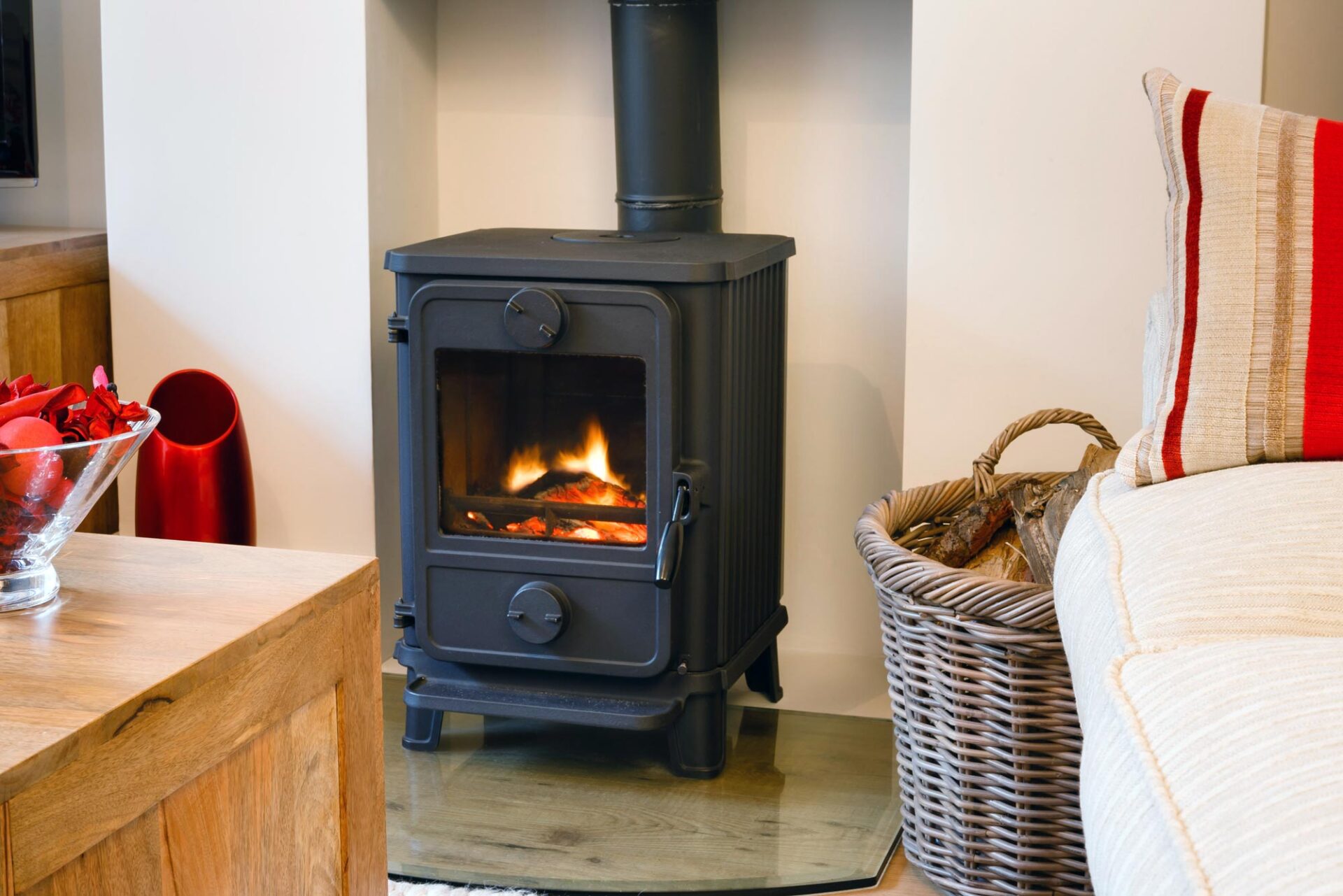
Modern wood-burning stove installation creating a warm and inviting atmosphere
Understanding Heating Capacity Requirements
The most critical factor when selecting a wood-burning stove is determining the appropriate heating capacity for your space. Stoves are rated by their heat output, typically measured in BTUs (British Thermal Units) or kilowatts, and by the square footage they can effectively heat.
Key Capacity Considerations:
- Calculate the total square footage of the area you intend to heat
- Assess your home's insulation quality and ceiling height
- Consider your regional climate and typical winter temperatures
- Account for open floor plans versus compartmentalized spaces
- Determine if this will be your primary or supplemental heat source
A common mistake is purchasing an oversized stove, which leads to inefficient burning and excessive fuel consumption. Conversely, an undersized unit will struggle to maintain comfortable temperatures and require constant refueling. For well-insulated homes, a general guideline is approximately 20-30 BTUs per square foot. Poorly insulated homes may require 40-50 BTUs per square foot or more.
Choosing Your Stove Based on Climate Conditions
Your geographic location and local climate significantly influence which wood-burning stove will perform optimally. The heating demands of a home in northern regions differ drastically from those in moderate climates, requiring different stove specifications and features.
Cold Climate Regions
In areas experiencing harsh winters, prioritize stoves with higher BTU ratings, excellent heat retention capabilities, and extended burn times. Look for models with thick cast iron or steel construction that can maintain consistent heat output throughout the night.
Moderate Climate Zones
For temperate regions where wood heat serves as supplemental heating, consider smaller, more efficient models that offer better temperature control and shorter burn times. These stoves provide flexibility without overheating your space during milder periods.
Wood-Burning Stoves for Maximum Efficiency and Clean Burning
Contemporary wood-burning stoves are engineered to achieve remarkable efficiency levels, often reaching 70-85% efficiency compared to older models that operated at merely 40-50%. This improvement translates to significantly reduced wood consumption, lower emissions, and decreased heating costs.
Efficiency Features to Prioritize:
Modern EPA-certified stoves incorporate advanced combustion technology that dramatically reduces particulate emissions while maximizing heat output. These systems use secondary combustion chambers and catalytic converters to burn smoke and gases that would otherwise escape, capturing nearly all available heat energy.
When evaluating efficiency, examine the stove's EPA certification, emission ratings measured in grams per hour, and overall efficiency percentage. Lower emission numbers indicate cleaner burning, while higher efficiency
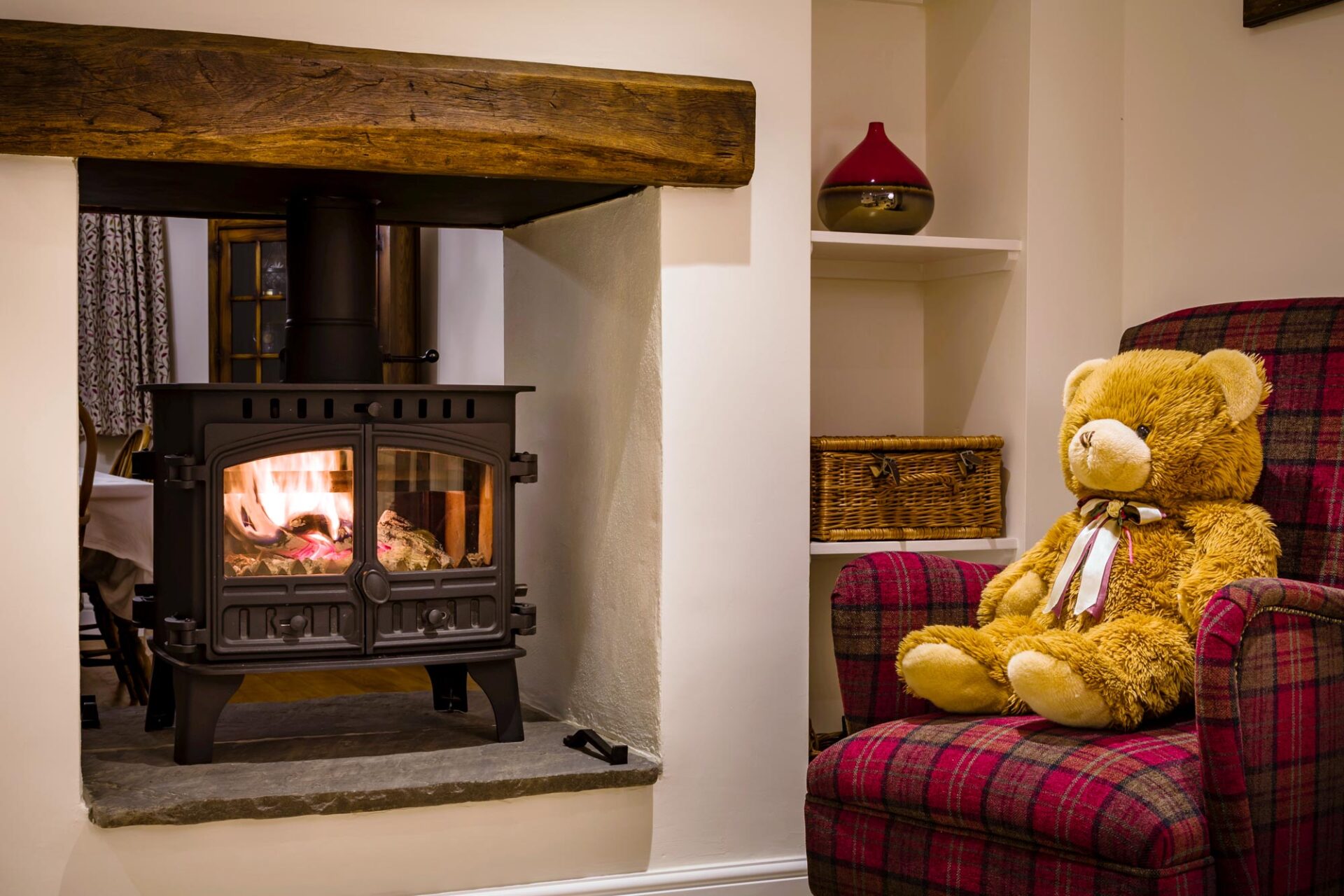
Wood-Burning Stoves for Enhanced Safety and Proper Installation
Safety considerations must be paramount when selecting and installing a wood-burning stove. Beyond choosing a quality unit, proper installation by certified professionals ensures safe operation and compliance with local building codes and insurance requirements.
Critical Safety Requirements:
- Maintain proper clearances from combustible materials and walls
- Install appropriate hearth protection with adequate R-value insulation
- Ensure proper chimney sizing, insulation, and regular maintenance
- Install carbon monoxide and smoke detectors near the stove location
- Verify adequate ventilation and air supply for combustion
- Confirm compliance with local building codes and obtain necessary permits
Never compromise on installation quality to save costs. Improper installation can lead to house fires, carbon monoxide poisoning, or voided manufacturer warranties. Always hire certified professionals who understand local codes and manufacturer specifications.
Wood-Burning Stoves for Elevated Interior Design
While performance is essential, your wood-burning stove will serve as a prominent focal point in your living space. Modern stoves are available in diverse styles, from traditional cast iron designs to contemporary steel models with expansive glass viewing windows.
Traditional Aesthetics
Classic cast iron stoves with ornate detailing complement rustic, farmhouse, and traditional interiors. These timeless designs feature heavy construction, excellent heat retention, and the authentic charm of historical heating appliances.
Contemporary Styling
Modern steel stoves offer clean lines, minimalist profiles, and large glass doors that showcase the mesmerizing flames. These designs integrate seamlessly with contemporary, industrial, and Scandinavian-inspired interiors.
Consider finish options including matte black, colored enamel, or brushed steel to coordinate with your existing décor. The stove's visual presence should enhance your interior design while delivering reliable heating performance.
Advanced Features and Modern Technology
Today's wood-burning stoves incorporate sophisticated features that enhance convenience, efficiency, and user experience. Understanding available technology helps you select a stove that matches your lifestyle and heating preferences.
Innovative Features to Consider:
Airwash Systems: Keep glass doors clear by directing air flow across the viewing window, minimizing soot buildup and maintaining unobstructed views of the fire.
Catalytic Converters: Extend burn times and improve efficiency by re-burning gases and smoke particles at lower temperatures, extracting maximum heat while reducing emissions.
Blower Fans: Circulate heated air more effectively throughout your space, distributing warmth evenly and heating larger areas more efficiently.
Ash Management Systems: Simplify cleanup with removable ash pans and advanced ash handling designs that make maintenance less time-consuming.
Following Manufacturer Specifications and Guidelines
Your wood-burning stove investment includes comprehensive manufacturer documentation that provides essential information for optimal performance and longevity. These guidelines aren't merely suggestions—they're requirements for safe operation and warranty protection.
Manufacturer specifications detail critical requirements including minimum clearances from combustible surfaces, recommended chimney dimensions, proper fuel types and sizes, and maintenance schedules. Deviating from these specifications can compromise safety, reduce efficiency, and void your warranty coverage.
Pay particular attention to fuel recommendations—using inappropriate wood species, burning wet or unseasoned wood, or introducing treated lumber can damage your stove, create dangerous creosote buildup, and produce harmful emissions. Quality hardwoods seasoned to below 20% moisture content ensure optimal combustion.
Regular maintenance according to manufacturer schedules preserves performance and extends stove lifespan. This includes annual chimney inspections and cleaning, gasket replacements when needed, and periodic inspection of internal components like baffles and catalytic converters.
Professional installation ensuring compliance with manufacturer specifications
Budget Considerations and Long-Term Value
Wood-burning stove prices range dramatically, from basic models under $1,000 to premium units exceeding $5,000. While initial cost matters, evaluating total ownership costs and long-term value provides a more accurate financial picture.
Total Cost Factors:
Beyond the stove's purchase price, factor in professional installation costs (typically $1,000-$3,000), chimney installation or upgrades if required, hearth pad construction, wall protection materials, and necessary permits and inspections.
Operating costs include annual firewood expenses (or your time investment for processing your own), yearly chimney cleaning and maintenance, replacement parts over time, and optional blower electricity usage. Higher-efficiency models reduce long-term fuel costs substantially.
Quality stoves from reputable manufacturers offer better warranties, longer lifespans, and superior performance that justifies higher initial investment. A well-maintained premium stove can provide reliable service for 20-30 years or more.
Premium Wood-Burning Solution for Your Home
Discover the US Stove Ashley Wood Burning Circulator—engineered to efficiently heat up to 1,200 square feet with proven reliability and exceptional heat distribution capabilities.
Ashley Wood Circulator 1200 Sq FtIntegrating Wood Stoves with Existing Heating Systems
Wood-burning stoves excel as either primary heating sources or supplemental systems that reduce reliance on expensive conventional heating. Understanding how to integrate your stove with existing HVAC systems maximizes efficiency and comfort while minimizing energy costs.
As a supplemental heat source, wood stoves allow you to reduce thermostat settings on central heating systems while maintaining comfort in primary living areas. This zone heating approach can reduce overall heating bills by 20-40% depending on wood costs, home layout, and usage patterns.
For primary heating applications, especially in rural areas without natural gas access or in off-grid situations, modern high-efficiency stoves provide reliable, cost-effective heating throughout winter months. Adequate wood storage, proper seasoning practices, and daily maintenance commitment are essential for this approach.
Consider your heating backup plan during extended absences, extremely cold weather exceeding your stove's capacity, or when wood supplies run low. Maintaining a functional secondary heating system provides security and flexibility.
Environmental Responsibility and Sustainable Heating
Modern EPA-certified wood-burning stoves represent a renewable heating option when used responsibly with sustainably sourced firewood. Understanding the environmental impact helps you make informed decisions that balance heating needs with ecological responsibility.
Carbon Neutrality
When sourced from sustainably managed forests, firewood heating is considered carbon neutral. Trees absorb CO2 during growth, which is released during burning—the same amount that would be released through natural decomposition.
Emission Reduction
EPA-certified stoves reduce particulate emissions by up to 90% compared to older models. This dramatic improvement benefits both local air quality and reduces your environmental footprint significantly.
Maximize environmental benefits by burning only properly seasoned hardwoods, maintaining your stove and chimney regularly, and operating at optimal temperatures. Never burn treated lumber, painted wood, trash, or any materials not intended for wood stoves.
Making Your Final Decision
Selecting the perfect wood-burning stove requires balancing multiple factors including heating capacity, efficiency, safety features, aesthetics, and budget. Take time to thoroughly research options, consult with certified installers, and prioritize quality over initial cost savings.
Visit showrooms to see stoves in person, examine build quality, and operate door mechanisms and controls. Many dealers offer demonstrations that provide valuable insights into daily operation and maintenance requirements.
Remember that your wood-burning stove represents a significant long-term investment in your home's comfort, energy independence, and value. Choose wisely, install professionally, maintain diligently, and enjoy decades of reliable, cost-effective heating that creates a welcoming atmosphere in your living space.
Transform your home heating experience with the right wood-burning stove—combining efficiency, sustainability, and timeless warmth for ultimate comfort.