

What This Guide Covers
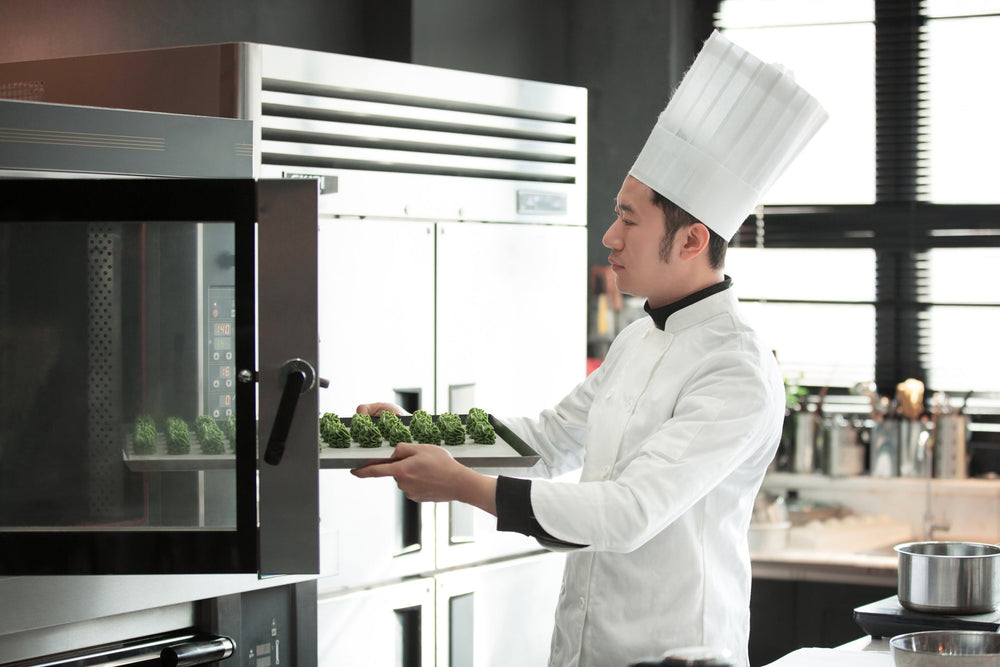
Selecting the right commercial convection oven can transform your cooking capabilities, whether you're outfitting a professional outdoor kitchen, upgrading your backyard entertainment space, or equipping a catering operation. These powerful appliances deliver consistent, efficient results that standard ovens simply cannot match.
This comprehensive guide walks you through every aspect of commercial convection ovens—from understanding the different types and configurations available to maintenance best practices that will keep your investment performing optimally for years to come.
Types of Commercial Convection Ovens
Commercial convection ovens come in several configurations, each designed to meet specific cooking requirements and installation scenarios. Understanding these distinctions helps ensure you select the ideal unit for your needs.
Electric Convection Ovens
Electric models represent the most popular choice for many applications. They offer precise temperature control, consistent heating performance, and straightforward installation requirements. These units simply need a dedicated electrical circuit and proper ventilation, making them ideal for covered outdoor kitchens and spaces where gas lines aren't readily available.
Natural Gas Convection Ovens
Natural gas units provide excellent operational economy, particularly for high-volume cooking applications. They heat up rapidly and maintain temperatures efficiently, resulting in lower ongoing energy costs compared to electric alternatives. Professional installation is required to connect these units to your natural gas supply line safely.
LPG Convection Ovens
Liquefied petroleum gas ovens deliver the same performance benefits as natural gas models while offering greater flexibility in placement. They're particularly well-suited for outdoor installations and locations without natural gas infrastructure. Simply connect to a propane tank and you're ready to cook with professional-level efficiency.
Direct-Fired Convection Ovens
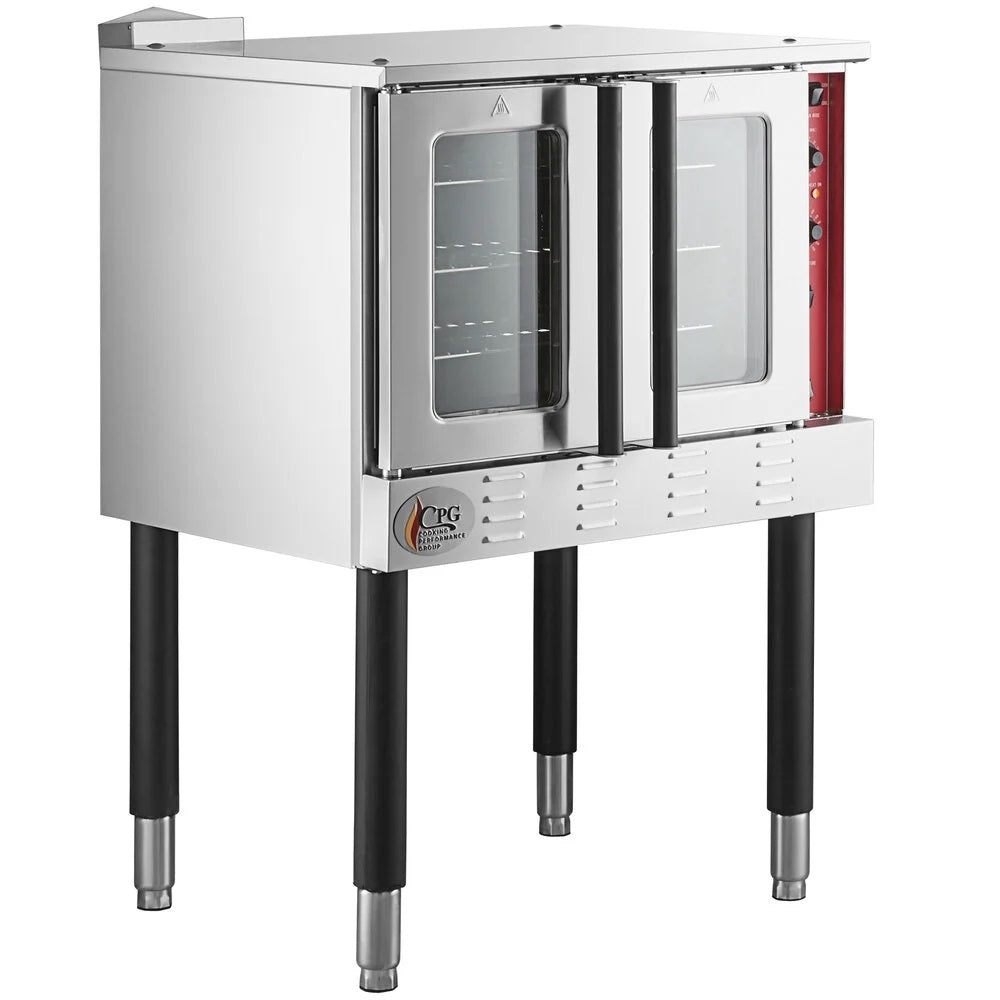
In direct-fired configurations, the burner flame heats air that circulates directly through the cooking chamber. This design delivers rapid heat-up times and intense heat penetration—perfect for achieving crispy exteriors and caramelization. These ovens excel at roasting meats and baking items that benefit from drier heat conditions.
Indirect-Fired Convection Ovens
Indirect-fired ovens use a heat exchanger to warm the circulating air, keeping combustion byproducts separate from your food. This creates a gentler, more humid cooking environment that's ideal for delicate pastries, bread, and dishes requiring moisture retention. The even heat distribution prevents hot spots and ensures uniform results.
Size Configurations
Full-Size Convection Ovens
Accommodate standard commercial sheet pans (18" x 26") and offer maximum cooking capacity for high-volume operations. Essential for catering events and large gatherings.
Half-Size Convection Ovens
Designed for half-size sheet pans (18" x 13"), these units deliver excellent versatility in a more compact footprint. Perfect for moderate production needs.
Quarter-Size Convection Ovens
Ultra-compact units that handle quarter-size pans. Ideal for limited spaces, small batch cooking, or as a supplementary oven alongside larger equipment.
Deck Configurations
Single-Deck Ovens
Feature one cooking chamber, offering simplicity and a smaller vertical profile. These can often be placed beneath countertops or stacked with other equipment to maximize space utilization.
Double-Deck Ovens
Incorporate two independent cooking chambers stacked vertically, effectively doubling capacity without expanding your floor footprint. Each deck can often operate at different temperatures simultaneously.
Styles of Commercial Convection Ovens
Countertop Convection Ovens
Countertop models sit directly on work surfaces, making them accessible and easy to monitor during cooking. They're particularly popular for outdoor kitchen islands and covered patio installations where space may be limited but convenience is paramount.
These units typically offer capacities ranging from quarter-size to full-size configurations, accommodating everything from appetizer preparation to main course production.Floor Convection Ovens
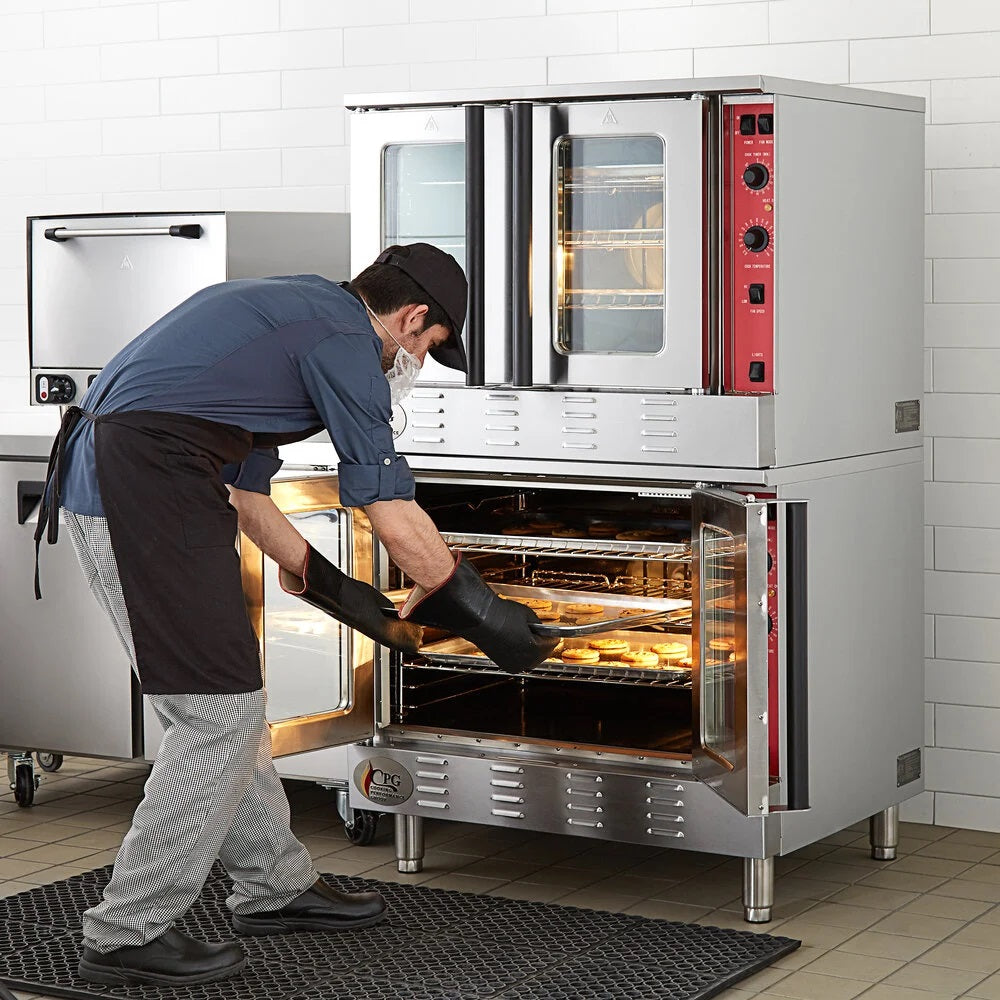
Floor-standing units are freestanding appliances designed for dedicated placement. They generally offer larger capacities and more robust construction suited for demanding, continuous-use applications.
Many floor models include integrated storage compartments, proofing drawers, or additional features that maximize functionality within their footprint.
Advantages of Commercial Convection Ovens
Commercial convection ovens deliver significant benefits over conventional cooking equipment, making them invaluable additions to serious outdoor cooking setups.
Faster Cooking Times
Circulating hot air transfers heat more efficiently than static air, reducing cooking times by 25-30% compared to conventional ovens.
Consistent Results
Even air circulation eliminates hot spots, ensuring uniform browning and cooking throughout every item—regardless of rack position.
Better Yield
Faster cooking at lower temperatures means less moisture loss from meats and baked goods, delivering juicier results with better texture.
Superior Browning
Continuous air movement across food surfaces promotes excellent Maillard reactions, producing appetizing golden-brown exteriors.
Rapid Preheat
Efficient heat distribution means these ovens reach operating temperature quickly, reducing wait times and energy consumption.
High Versatility
From roasting and baking to dehydrating and reheating, convection ovens handle diverse cooking tasks with professional-level performance.
Energy Efficiency
Lower operating temperatures and shorter cook times translate to reduced energy consumption and lower operating costs over time.
Key Considerations Before Purchasing
Making an informed decision requires evaluating several important factors that will influence which convection oven best suits your specific requirements.
What Types of Food Will You Prepare?
Consider your primary cooking applications. If you'll focus on roasting meats and achieving crispy textures, a direct-fired model may be ideal. For baking breads and pastries that require moisture retention, an indirect-fired unit with humidity control will deliver superior results.
What Volume Will You Cook?
Assess your typical batch sizes and frequency of use. Occasional entertaining may only require a compact countertop unit, while regular large gatherings or catering operations demand the capacity of full-size or double-deck configurations.
Fuel Type Availability
Determine what power sources are accessible in your installation location. Electric ovens need adequate electrical service, natural gas requires a gas line connection, and LPG models need tank storage space and refill accessibility.
Available Space
Measure your installation area carefully, accounting for ventilation clearances, door swing radius, and access for maintenance. Ensure adequate airflow around the unit.
Ventilation Requirements
Commercial convection ovens generate significant heat and may produce combustion byproducts. Proper hood ventilation is essential for safe, comfortable operation.
Energy Efficiency Ratings
Compare energy consumption specifications between models. Higher-efficiency units cost more upfront but deliver substantial savings over their operational lifetime.
Safety Features
Look for cool-touch doors, automatic shut-offs, interior lighting, and sturdy construction. These features protect users and ensure reliable long-term operation.
Construction Materials
Stainless steel interiors and exteriors resist corrosion and facilitate easy cleaning. Heavy-gauge construction indicates durability for demanding use.
Budget Considerations
Balance initial purchase price against ongoing operating costs, expected lifespan, and available warranty coverage. Quality equipment proves more economical long-term.
Leading Commercial Convection Oven Brands
Several manufacturers have established strong reputations for producing reliable, high-performance commercial convection ovens. Understanding each brand's strengths helps narrow your selection.
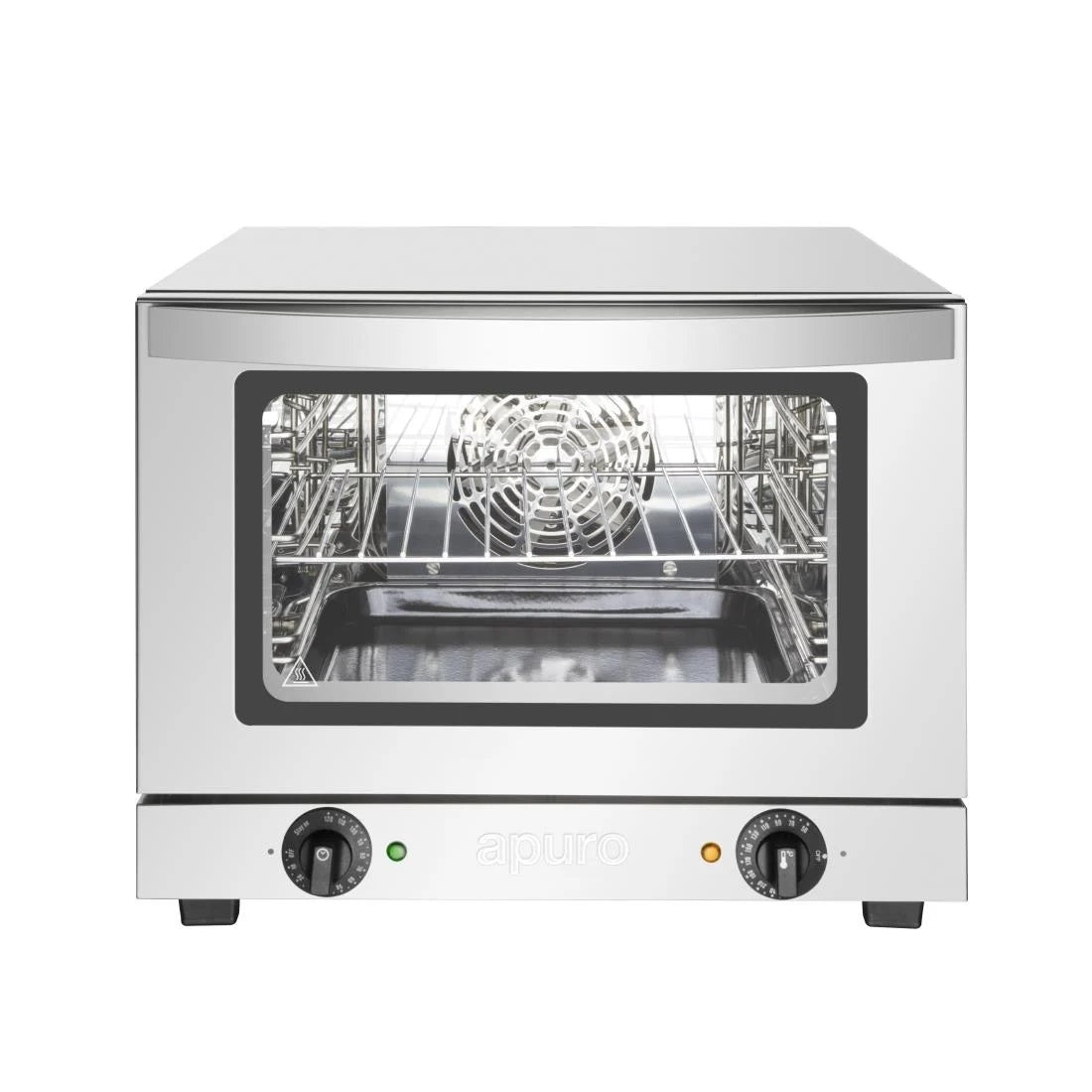
Turbofan
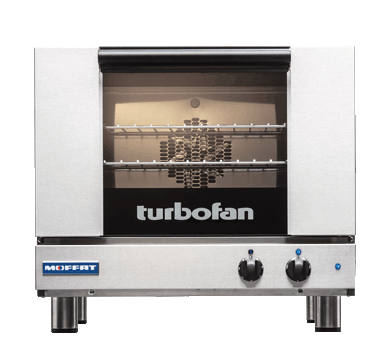
Turbofan has built a solid reputation for manufacturing dependable convection ovens suited to diverse commercial applications. Their product lineup includes manual and digital control options across various size configurations. Known for straightforward operation and consistent performance, Turbofan ovens represent excellent value for establishments seeking reliable equipment without unnecessary complexity.
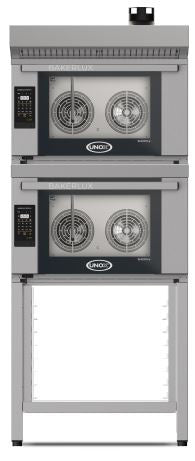
UNOX
Italian manufacturer UNOX has earned recognition for innovative engineering and premium build quality. Their convection ovens feature advanced humidity control systems, intuitive digital interfaces, and energy-efficient designs. UNOX prioritizes user experience with features like self-cleaning programs and smart connectivity options that simplify operation while delivering exceptional cooking results.
MerryChef
MerryChef specializes in high-speed convection technology that combines convection heating with microwave and impingement cooking methods. This hybrid approach dramatically reduces cooking times while maintaining food quality. Their compact units excel in applications requiring rapid menu item preparation without sacrificing taste or texture.
PICTURE
TurboChef
TurboChef has pioneered rapid-cook technology that delivers remarkable speed without compromising results. Their patented airflow systems and precision heating elements enable cooking times up to twelve times faster than conventional methods. These premium units command higher price points but offer unmatched performance for demanding applications
Anvil
Anvil provides budget-friendly commercial cooking equipment that doesn't sacrifice essential functionality. Their convection ovens feature durable stainless steel construction, reliable mechanical controls, and straightforward maintenance requirements. For cost-conscious buyers seeking dependable performance, Anvil represents an accessible entry point into commercial-grade equipment.
Should You Consider Used Equipment?
Pre-owned commercial convection ovens can offer significant cost savings, but this approach requires careful evaluation to avoid potential pitfalls.
Potential Benefits
Substantial upfront savings (often 40-60% off new prices), immediate availability, and the opportunity to acquire higher-tier equipment within budget constraints. Many commercial units have extensive service lives remaining even after initial use.
Important Cautions
Limited or no warranty coverage, unknown service history, potential hidden wear or damage, and possible obsolete parts availability. Always inspect thoroughly, request maintenance records, and factor potential repair costs into your decision.
Warranty and Protection Coverage
Understanding warranty terms and insurance considerations protects your equipment investment and ensures you're prepared for any eventuality.
Most manufacturers provide standard warranties covering parts and labor for one to three years, with some offering extended coverage options. Review warranty terms carefully—note what's covered, what voids coverage, and whether professional installation is required to maintain warranty validity.
For high-value equipment, consider supplemental insurance coverage that protects against accidental damage, theft, or failures beyond warranty scope. Business insurance policies can often be extended to cover outdoor kitchen equipment, providing valuable peace of mind for your investment.
Essential Questions Before Ordering
Before finalizing your purchase, ensure you have clear answers to these important questions:
→ What is the complete warranty coverage, including duration and what's specifically included or excluded?
→ Are replacement parts readily available, and what is the typical lead time for ordering?
→ What are the exact electrical or gas requirements for safe operation?
→ What ventilation specifications must be met for proper installation?
→ Is professional installation required to maintain warranty coverage?
→ What is the expected energy consumption under typical operating conditions?
→ Are authorized service technicians available in your area?
Frequently Asked Questions
What exactly is a commercial convection oven?
A commercial convection oven uses fans to circulate heated air continuously throughout the cooking chamber. This forced air movement transfers heat more efficiently than static oven environments, resulting in faster cooking times and more uniform results. Commercial models are built with heavier-duty components for sustained, intensive use.
Which brand produces the most reliable convection ovens?
Several manufacturers produce excellent commercial convection ovens, with the "best" choice depending on your specific requirements and budget. Turbofan offers proven reliability at accessible prices, UNOX provides premium features and innovation, while brands like MerryChef and TurboChef lead in rapid-cook technology.
How does a convection oven differ from a fan-forced oven?
The terms are often used interchangeably. Both types use fans to circulate heated air for more even cooking. Some manufacturers distinguish between designs where heated air is blown directly from the heating element versus systems that draw air across elements before distribution, but the fundamental cooking principle remains the same.
What's the difference between convection and combi ovens?
Convection ovens use only circulated hot air for cooking. Combi (combination) ovens add steam injection capability, allowing you to cook with dry heat, steam, or any combination of both. This versatility makes combi ovens more flexible but also more expensive and complex to operate.
How often should I clean my commercial convection oven?
Daily wipe-downs of accessible surfaces are recommended after each use session. More thorough cleaning—including interior surfaces, racks, and drip trays—should occur weekly or more frequently with heavy use. Deep cleaning and professional service should be scheduled based on usage intensity, typically quarterly.
Commercial Convection Oven Terminology
Understanding these common terms will help you navigate specifications and communicate effectively with suppliers.
Convection Fan
The motorized fan that circulates heated air throughout the oven cavity, ensuring even heat distribution.
Convection Baffle
Panels that direct airflow patterns within the cooking chamber for optimal heat circulation.
Electrical Element
Resistance heating coils that convert electrical energy into heat in electric convection ovens.
Condensation
Water droplets that form when steam contacts cooler surfaces—proper ventilation minimizes this issue.
Heating Element
The component that generates heat, whether electrical coils or gas burner assemblies.
Pilot Light
Small continuous flame in gas ovens that ignites the main burner when heat is called for.
Thermostat
Temperature control device that maintains consistent oven temperature by cycling heating elements.
Warming Drawer
Low-temperature compartment below the main oven used to keep finished dishes warm until serving.
Maintaining Your Commercial Convection Oven
Proper maintenance extends equipment life, ensures food safety, and maintains optimal cooking performance. Establish these practices as part of your regular routine.
Daily Maintenance Tasks
Allow the oven to cool before cleaning. Wipe interior surfaces with a damp cloth to remove food residue. Clean the door glass inside and out for clear visibility. Empty and clean drip trays. Inspect door gaskets for proper seal.
Weekly Maintenance Tasks
Remove and thoroughly clean all racks and trays. Clean convection fan blades carefully. Inspect interior for grease buildup requiring attention. Check air intake and exhaust vents for obstructions. Verify door hinges operate smoothly.
Periodic Professional Service
Schedule professional inspection and calibration at least annually, or more frequently for high-volume operations. Technicians should verify thermostat accuracy, inspect electrical connections or gas fittings, clean components inaccessible during routine maintenance, and address any developing issues before they become major problems.
Effective Cleaning Techniques
Proper cleaning maintains hygiene, prevents flavor transfer between dishes, and extends equipment life. Follow these guidelines for best results.
Use appropriate cleaning agents. Avoid harsh chemicals that could damage stainless steel or leave residues affecting food safety. Manufacturer-recommended cleaners or mild degreasing solutions work best for routine cleaning.
Never spray water directly on controls or electrical components. Use damp cloths wrung nearly dry when cleaning near sensitive areas. Water intrusion can damage electronics and create safety hazards.
Clean spills promptly. Addressing food residue while the oven is still slightly warm (but safe to touch) makes removal easier than allowing baked-on buildup to accumulate.
Protect heating elements during cleaning. Avoid getting cleaning solutions on exposed heating elements. If elements require cleaning, follow manufacturer instructions specifically.
Professional Service Intervals
The frequency of professional service depends on how intensively you use your equipment. Use these guidelines to establish an appropriate schedule.
Light Use
Occasional entertaining, weekend use
Annual Service
Moderate Use
Regular weekly cooking sessions
Semi-Annual Service
Heavy Use
Daily operation, catering, commercial
Quarterly Service
Ready to Elevate Your Outdoor Cooking?
A commercial convection oven transforms what's possible in your backyard kitchen. From perfectly roasted meats to bakery-quality pastries, professional-grade equipment delivers professional-grade results.
Shop Convection Ovens