

Key Points
- Bidets provide superior cleanliness compared to traditional toilet paper methods
- Environmental savings include reduced paper waste and water conservation
- Health advantages extend to improved hygiene and reduced irritation
- Modern smart toilets combine bidet functionality with luxury features
- Installation options range from simple attachments to complete smart toilet systems
A New Bathroom Experience Awaits
Step into any modern bathroom in Europe or Asia, and you will likely encounter a bidet as a standard fixture. Yet in North America, this cleansing solution remains surprisingly uncommon despite its remarkable benefits. The tide is changing, however, as more homeowners discover what millions around the world have known for generations: bidets offer a cleaner, more comfortable, and environmentally responsible approach to personal hygiene.
Whether you are renovating your bathroom or simply seeking to enhance your daily routine, understanding bidets opens the door to a transformative experience. This comprehensive guide explores everything you need to know about these innovative fixtures, from their rich history to the cutting-edge smart toilet technology available today.
The History and Cultural Perception of Bidets
The bidet traces its origins to 17th century France, where aristocrats embraced this washing basin as an essential component of personal grooming. The name itself derives from the French word for "pony," referencing the straddling position required to use early standalone models. What began as a luxury for the wealthy gradually spread throughout European society, eventually becoming a household necessity across the continent.
Japan revolutionized bidet technology in the 1980s when manufacturers introduced electronic toilet seats with integrated washing systems. These innovations transformed the humble bidet from a separate fixture into a sophisticated component of the toilet itself. Today, over 80 percent of Japanese households feature bidet toilet seats, reflecting a cultural commitment to cleanliness that continues to influence global bathroom design.
American reluctance to adopt bidets stems partly from historical associations and unfamiliarity. During World War II, American soldiers first encountered bidets in European establishments with questionable reputations, creating lasting misconceptions. However, changing attitudes toward sustainability and hygiene are finally driving widespread acceptance in North American homes.

How Does a Bidet Work?
At its core, a bidet delivers a targeted stream of water to cleanse after using the toilet. The principle mirrors washing your hands rather than wiping them with a dry towel – water simply cleans more effectively than paper alone. Modern bidets achieve this through various mechanisms, from simple manual controls to sophisticated electronic systems that precisely regulate water temperature, pressure, and positioning.
Basic mechanical bidets connect directly to your existing water supply and use a control knob or lever to activate the spray. More advanced electronic models feature heated water systems, adjustable nozzle positions, oscillating spray patterns, and even warm air dryers. The nozzle itself typically retracts into a protected housing when not in use, maintaining hygiene between uses.
Self-cleaning nozzles have become standard on quality bidet systems. Before and after each use, fresh water rinses the nozzle to ensure sanitary operation. Premium models incorporate antimicrobial materials and UV sterilization for additional peace of mind. This attention to hygiene addresses common concerns and demonstrates how far bidet technology has advanced.

Different Types of Bidets
The bidet market offers solutions for every bathroom configuration and budget. Understanding the differences helps you select the option that best fits your needs and space requirements.
Standalone Bidet
The traditional European model resembles a low sink installed beside the toilet. Users straddle the basin and use the faucet controls to direct water flow. While this classic design requires dedicated floor space and separate plumbing installation, many appreciate its familiar operation and substantial feel. Standalone bidets remain popular in luxury bathrooms where space permits their inclusion.
Bidet Toilet Seat
Electronic bidet seats replace your existing toilet seat and connect to the water supply line. These popular upgrades require only basic installation and transform any standard toilet into a cleansing station. Features typically include heated seats, adjustable water temperature, multiple spray modes, and remote controls. The compact design fits standard toilets without requiring additional bathroom space.

Bidet Attachment
Budget-friendly attachments install between your existing toilet seat and bowl. These non-electric devices connect to the cold water supply and use mechanical controls for spray adjustment. While lacking the heated water and advanced features of electronic models, attachments provide genuine bidet functionality at a fraction of the cost. They serve as an excellent entry point for those exploring bidet benefits.
Handheld Bidet or Bidet Sprayer
Similar to a kitchen sink sprayer, handheld bidets mount beside the toilet and connect to the water supply. Users manually direct the spray for personalized cleansing. This versatile option also proves useful for rinsing cloth diapers, cleaning the toilet bowl, and other bathroom tasks. The simple design minimizes installation complexity while maximizing flexibility.
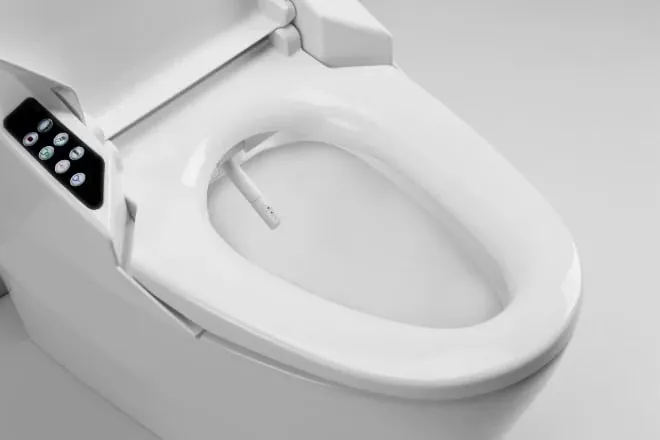
Integrated Smart Toilet with Bidet
The pinnacle of bathroom technology, integrated smart toilets combine toilet and bidet functions in a seamless, elegant design. These premium fixtures feature powerful flushing systems, comprehensive bidet capabilities, automatic lids, deodorizers, night lights, and sophisticated controls. The streamlined appearance eliminates visible tanks and external components for a minimalist aesthetic that transforms any bathroom into a spa-like retreat.
Travel Bidet
Portable bidet bottles allow you to maintain your cleansing routine while traveling. These compact devices feature a squeeze bottle or battery-powered pump that creates a gentle spray. Though modest compared to installed options, travel bidets ensure you never sacrifice comfort when away from home.
The Hygienic Benefits of Using a Bidet
Consider how you would clean any other part of your body after contact with waste – water would be the obvious choice. Bidets apply this common-sense approach to bathroom hygiene, delivering thorough cleansing that toilet paper cannot match. The gentle water stream removes residue completely rather than merely smearing it, leaving you genuinely clean after every use.
Dermatologists frequently recommend bidets for patients with sensitive skin. The repeated friction of toilet paper can cause irritation, micro-abrasions, and discomfort, particularly for those with existing conditions. Water cleansing eliminates this mechanical irritation while achieving superior results. Many users report that switching to a bidet resolved persistent issues they had accepted as unavoidable.
Feminine hygiene also benefits significantly from bidet use. The front wash feature found on most bidet seats provides gentle cleansing during menstruation and pregnancy, promoting comfort and freshness. New mothers particularly appreciate bidet functionality during postpartum recovery when traditional wiping proves uncomfortable or inadvisable.
The Health Benefits and Potential Concerns with Bidets
Beyond basic cleanliness, bidets offer measurable health advantages for various conditions. Individuals suffering from hemorrhoids often find relief through water cleansing, which avoids the friction and pressure that aggravates swollen tissue. The soothing warm water option provides additional comfort during flare-ups while promoting healing.
Those with limited mobility or arthritis benefit tremendously from bidet technology. The twisting and reaching motions required for traditional wiping become unnecessary when water handles the cleansing. Elderly users and individuals with disabilities often regain bathroom independence through bidet installation, preserving dignity and reducing caregiver burden.
Some express concerns about bidet hygiene, wondering whether the nozzle itself poses contamination risks. Quality bidets address this through self-cleaning functions that rinse the nozzle before and after each use. Antimicrobial coatings and stainless steel construction further protect against bacterial growth. When properly maintained according to manufacturer guidelines, modern bidets present no hygiene concerns.
Occasional users may experience temporary discomfort as they adjust to water cleansing. Starting with lower pressure settings and gradually increasing to your preferred level helps ease this transition. Within days, most users find their comfort zone and wonder how they ever managed without bidet functionality.
The Environmental Impact of Using a Bidet
The environmental case for bidets proves compelling when examining the resources consumed by toilet paper production. Manufacturing a single roll requires approximately 37 gallons of water, along with significant tree fiber, bleaching chemicals, and transportation energy. The average American uses over 50 pounds of toilet paper annually, multiplying these impacts across hundreds of millions of consumers.
Bidets, by contrast, use roughly one-eighth of a gallon per use – a tiny fraction of toilet paper's embedded water consumption. While bidet users may still employ small amounts of paper for drying, the overall reduction proves substantial. Households typically report decreasing their toilet paper consumption by 75 percent or more after bidet installation.
Deforestation concerns add urgency to the toilet paper equation. Despite recycled options, virgin pulp remains industry standard for most brands. The old-growth forests cleared for toilet paper production cannot be replaced within human lifetimes. Bidets offer a practical path toward reducing this wasteful destruction while maintaining – indeed improving – personal hygiene standards.
The Comfort and Convenience of Bidets
Modern bidet seats transform cold winter bathroom visits into surprisingly pleasant experiences. Heated seat functions eliminate the shock of sitting on frigid porcelain, while warm water cleansing provides spa-like comfort. These features seem luxurious until you experience them daily – then they become essential.
Remote controls and user presets allow family members to save their preferred settings. With a single button press, the bidet adjusts water temperature, pressure, nozzle position, and other parameters to individual specifications. Some models even offer smartphone connectivity for the ultimate in personalized control.
Night light features guide late-night bathroom visits without harsh overhead lighting disrupting sleep patterns. Automatic lid opening detects your approach and prepares the toilet for use. These thoughtful conveniences demonstrate how far bathroom technology has advanced beyond basic functionality.
The Cost and Installation of Bidets
Bidet options span a wide price range to accommodate different budgets and requirements. Basic non-electric attachments start under $50, providing essential bidet functionality without elaborate features. Mid-range electronic seats with heated water and adjustable settings typically fall between $200 and $500. Premium smart toilets with integrated bidet systems represent a significant investment but deliver comprehensive features and elegant design.
Installation complexity varies by bidet type. Attachments and seat replacements usually require only basic tools and connect to existing water supply lines – most homeowners complete installation within 30 minutes. Standalone bidets and integrated smart toilets typically require professional plumbing work, adding installation costs to the equipment investment.
Long-term savings help offset initial costs. Reduced toilet paper purchases accumulate over years of use, while decreased plumbing problems from flushing less paper provide additional value. Some users report recouping their bidet investment within two years through paper savings alone.
The Future of Bidets in America
American attitudes toward bidets are shifting rapidly. The 2020 toilet paper shortages introduced many consumers to bidet alternatives they might never have considered otherwise. Once people experienced the benefits firsthand, few returned exclusively to paper. Sales figures reflect this transformation, with bidet purchases growing by triple digits in recent years.
Environmental consciousness among younger generations further accelerates adoption. Millennials and Gen Z consumers actively seek sustainable alternatives across all aspects of daily life, making bidets a natural choice. As these demographics establish households, bidet inclusion may become as standard as it already is throughout Europe and Asia.
Technology integration continues advancing bidet capabilities. Voice control, health monitoring sensors, and enhanced water efficiency represent emerging features that will further differentiate premium offerings. The bathroom of tomorrow promises even greater comfort, cleanliness, and environmental responsibility through continued bidet innovation.

Frequently Asked Questions
Are bidets sanitary?
Absolutely. Quality bidets feature self-cleaning nozzles that rinse before and after each use. Many include antimicrobial materials and UV sterilization. When maintained properly, bidets are more hygienic than toilet paper alone, which can spread bacteria through contact.
Do bidets use a lot of water?
No, bidets use approximately one-eighth of a gallon per use. This is dramatically less than the 37 gallons required to manufacture a single roll of toilet paper. Bidets actually represent significant water savings when considering the full production cycle.
Can I install a bidet myself?
Most bidet attachments and toilet seat replacements require only basic tools and can be installed in under 30 minutes. Standalone bidets and integrated smart toilets typically require professional plumbing installation.
Will a bidet fit my toilet?
Most bidet seats and attachments are designed to fit standard toilets. However, some one-piece toilets with French curves or unusual shapes may not accommodate certain models. Always check compatibility specifications before purchasing.
How do I dry off after using a bidet?
Many electronic bidets include warm air dryers that eliminate the need for paper entirely. Alternatively, a small amount of toilet paper or a dedicated towel can be used for patting dry. Either method uses far less paper than traditional wiping.
Transform your daily routine with the cleanliness, comfort, and sustainability that only a bidet can provide. Your bathroom – and the planet – will thank you.