

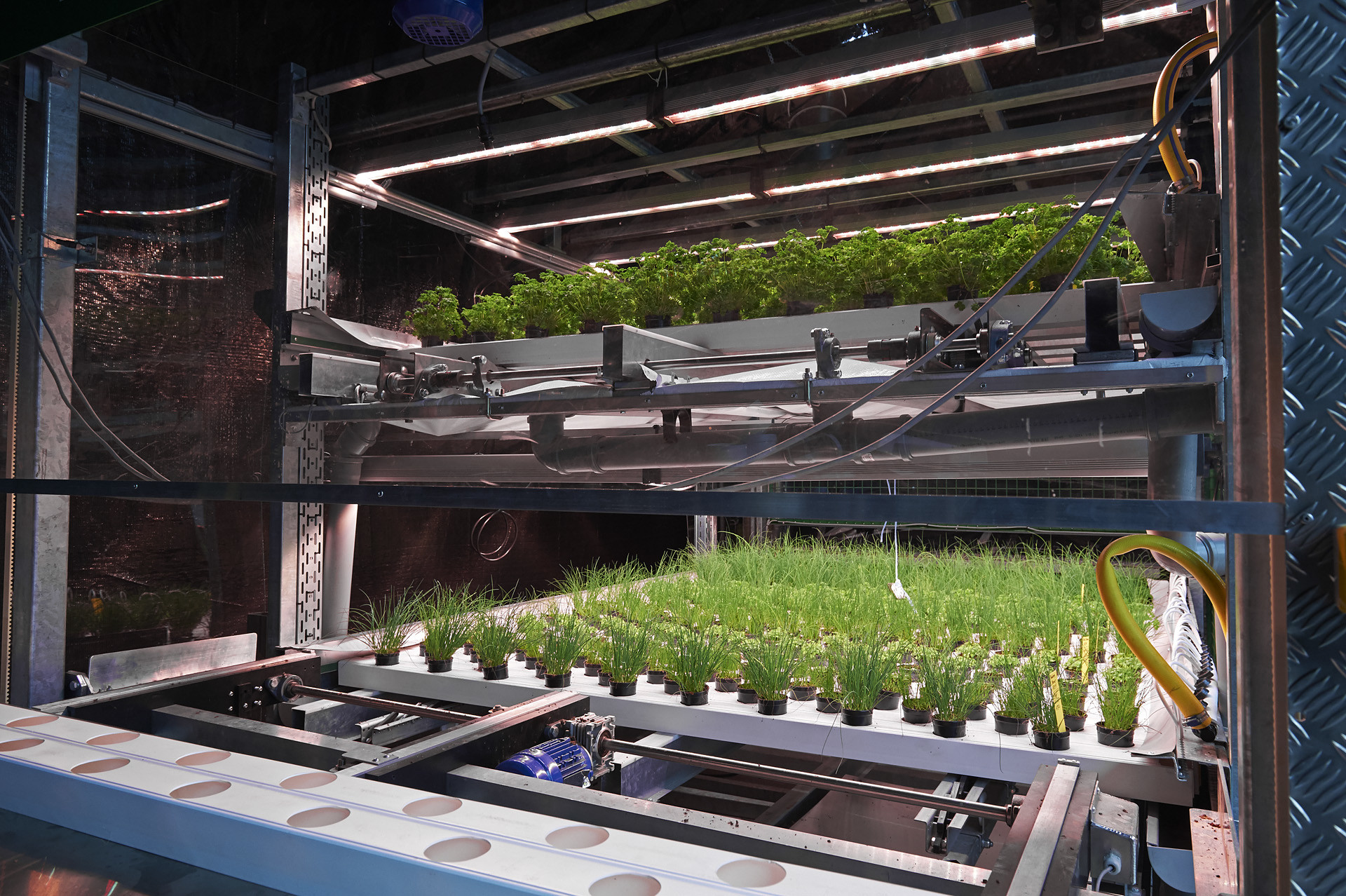
A Complete Guide to Starting an Indoor Farm
Venturing into indoor agriculture represents one of the most exciting opportunities in modern food production. Whether you envision a compact urban growing space or an expansive commercial greenhouse, launching an indoor farm demands thoughtful preparation and strategic execution.
Indoor cultivation offers remarkable advantages over conventional outdoor methods. You gain complete mastery over growing conditions, enabling consistent harvests regardless of external weather patterns. This comprehensive resource will walk you through every critical phase of establishing your indoor growing operation successfully.
The prospect of building an indoor farm might appear overwhelming initially, but with proper guidance and systematic planning, transforming your agricultural vision into reality becomes entirely achievable.
The Basic Concept of Indoor Farming
Indoor farming encompasses any agricultural practice conducted within enclosed structures rather than open fields. This methodology leverages controlled environment agriculture (CEA) technology to optimize plant development through precise management of temperature, humidity, light exposure, and nutrient delivery systems.
The fundamental purpose behind indoor cultivation centers on creating ideal growth conditions that remain independent of seasonal changes or geographical limitations. Farmers employing these techniques can produce crops continuously throughout the year, achieving yields that frequently surpass traditional farming approaches.
Contemporary indoor farming methods span a diverse range of approaches, from basic greenhouse operations utilizing natural sunlight to sophisticated vertical farms powered entirely by artificial illumination and advanced hydroponic nutrient systems.
The Benefits of Indoor Farming
Year-Round Production
Harvest fresh produce continuously without seasonal interruptions or weather-related setbacks.
Water Conservation
Hydroponic and recirculating systems use up to 90% less water than conventional agriculture.
Reduced Pesticides
Enclosed environments naturally limit pest infiltration, minimizing chemical intervention needs.
Space Efficiency
Vertical growing systems multiply your productive capacity within limited square footage.
These advantages combine to create agricultural operations capable of producing premium-quality crops with remarkable consistency and significantly reduced environmental footprint compared to traditional farming methods.
The Challenges of Indoor Farming
While indoor agriculture presents compelling opportunities, prospective operators must acknowledge certain obstacles. Initial capital investment typically exceeds traditional farming substantially, encompassing infrastructure, lighting systems, climate control equipment, and automation technology.
Energy consumption represents another significant consideration. Artificial lighting and environmental controls demand considerable electricity, making operational efficiency and potentially renewable energy integration critical factors for long-term profitability.
Technical expertise requirements should not be underestimated. Success demands comprehensive understanding of plant science, environmental management, and increasingly sophisticated monitoring and control systems.
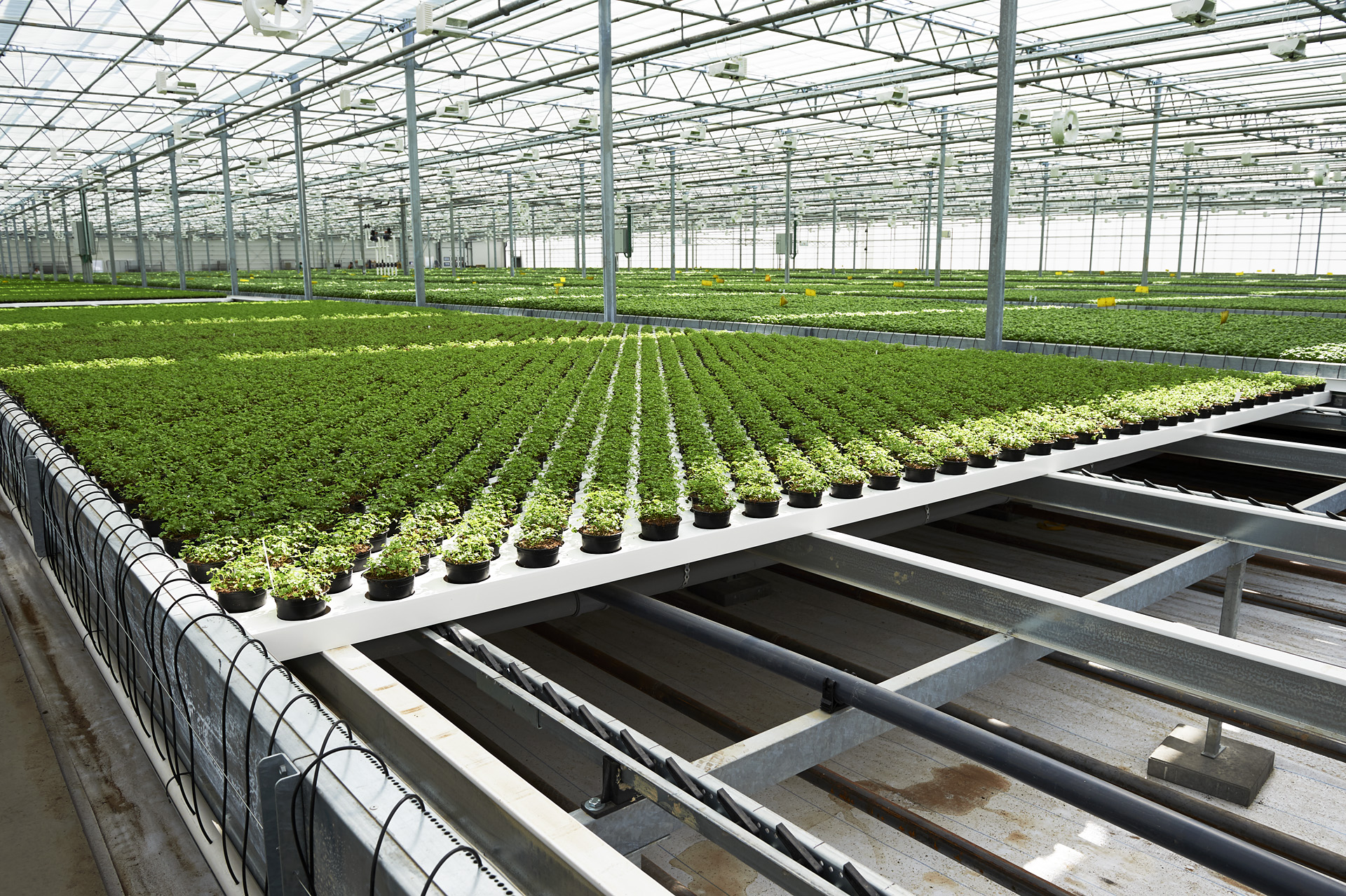
Envisioning the Start of Your Indoor Farm
Before purchasing equipment or selecting crops, dedicating time to strategic visioning proves invaluable. Clearly articulating your goals, target markets, and operational philosophy establishes the foundation upon which all subsequent decisions will rest.
The following sections will guide you through essential preliminary stages including defining your vision, conducting market research, and performing feasibility analysis.
Clarifying Your Vision: Purpose, Scale, and Crop Selection
Begin by honestly assessing your motivations and objectives. Are you pursuing commercial profitability, community food security, personal food independence, or agricultural education? Each purpose suggests different operational approaches and resource requirements.
Scale determination flows naturally from purpose clarification. Home-based operations supporting family consumption differ dramatically from commercial ventures targeting restaurant supply chains or retail distribution networks.
Crop selection requires balancing market demand, growing complexity, space requirements, and profit margins. Leafy greens and herbs typically offer beginners the most forgiving learning curve while providing respectable financial returns.
Market Research: Demand and Competition
Thorough market analysis distinguishes successful ventures from failed experiments. Investigate local demand for specialty produce, identify potential customers ranging from restaurants to farmers markets, and assess pricing structures within your target geography.
Competitive landscape evaluation reveals market gaps and positioning opportunities. Understanding how existing producers serve the market enables you to differentiate your offerings effectively.
Consider emerging trends including demand for organic certification, interest in unusual or heirloom varieties, and growing consumer awareness regarding food miles and local sourcing.
Feasibility Analysis: Assessing Space, Budget, and Time
Realistic feasibility assessment prevents costly missteps. Evaluate available space carefully, considering not only growing areas but also requirements for propagation, processing, storage, and equipment access.
Budget projections should encompass startup costs, operating expenses for at least the first year, and financial reserves for unexpected challenges. Conservative estimates serve entrepreneurs better than optimistic projections.
Time commitment analysis ensures you can realistically manage daily operations alongside other responsibilities. Indoor farms require consistent attention to environmental monitoring, plant care, and harvest scheduling.
Planning How to Start Your Indoor Farm
With your vision clarified and feasibility confirmed, detailed operational planning becomes your next priority. This phase transforms abstract goals into concrete action steps covering crop selection refinement, facility design, and growing system implementation.
Thoughtful planning during this stage prevents expensive corrections later while establishing efficient workflows from the outset.
Choosing Your Crops: Key Factors and Suggestions
Crop selection deserves careful consideration as different plants present varying requirements for lighting, temperature, humidity, and nutrient delivery. Start with crops whose environmental needs align with your planned infrastructure capabilities.
Beginner-friendly options include lettuce varieties, basil, cilantro, microgreens, and spinach. These crops mature quickly, tolerate minor environmental fluctuations, and command strong market interest.
As experience develops, expanding into fruiting crops like tomatoes, peppers, and strawberries becomes feasible, though these demand more sophisticated environmental control and longer production cycles.
Designing Your Indoor Farm Layout, Lighting, and Climate Control
Facility layout fundamentally influences operational efficiency and production capacity. Design workflows that minimize unnecessary movement while ensuring adequate access for planting, maintenance, and harvesting activities.
Lighting system selection represents one of your most consequential decisions. LED technology has emerged as the dominant choice for indoor cultivation, offering superior energy efficiency, customizable light spectrums, and reduced heat generation compared to older alternatives.
Climate control infrastructure must maintain precise temperature and humidity levels while providing adequate air circulation. Integrated environmental management systems enable automated monitoring and adjustment, reducing labor requirements while improving growing conditions consistency.
Choosing the Right Indoor Farming System: Why a Moving Gutter System is Ideal
Selecting the appropriate growing system proves crucial to the success of indoor operations. The right choice depends on your specific crops, available space, budget constraints, and production goals.
Among available options for leafy greens and herbs, moving gutter systems stand out as particularly effective for commercial-scale production.
The Moving Gutter System: A Superior Option
Moving gutter systems, also known as NFT (Nutrient Film Technique) conveyor systems, offer remarkable advantages for indoor cultivation. Plants grow in channels that move progressively through the growing space, optimizing light exposure and simplifying harvest procedures.
This approach maximizes space utilization by eliminating wasted growing area. The automated movement reduces labor requirements while ensuring uniform growing conditions throughout the production cycle.
Water and nutrient efficiency reaches exceptional levels as recirculating systems minimize waste while maintaining optimal delivery to plant roots. The consistent environment promotes uniform crop quality highly valued by commercial buyers.
Take Control of Your Growing Environment
Advanced climate control systems ensure your indoor farm maintains optimal conditions around the clock.
TrolMaster Hydro-X ProScaling Your Indoor Farm
Once your initial operation achieves consistent production and market acceptance, expansion opportunities naturally emerge. Strategic scaling transforms modest ventures into substantial agricultural enterprises.
Growth planning should balance ambition with operational capability, ensuring quality standards remain uncompromised as production volumes increase.
Evaluating Your Farm's Performance
Systematic performance tracking enables data-driven decision making. Monitor key metrics including crop yields, resource consumption, labor efficiency, and financial returns across production cycles.
Regular analysis identifies optimization opportunities and validates improvement initiatives. Benchmark your results against industry standards to gauge competitive positioning.
Exploring Expansion Opportunities
Expansion pathways include increasing production capacity, diversifying crop offerings, entering new market segments, and developing value-added product lines.
Each growth direction carries distinct resource requirements and risk profiles. Careful evaluation ensures expansion efforts align with organizational capabilities and market opportunities.
Leveraging Technology
Technology integration amplifies operational efficiency and production consistency. Automation systems reduce labor dependencies while maintaining precise environmental conditions essential for optimal plant development.
Advanced monitoring platforms provide real-time visibility into growing conditions, enabling rapid response to environmental deviations. Data analytics capabilities transform operational information into actionable insights guiding continuous improvement efforts.
Investment in robust control systems pays dividends through improved crop quality, reduced resource waste, and enhanced operational predictability.
Conclusion on How to Start Your Own Indoor Farm
Starting an indoor farming operation represents a significant undertaking requiring careful planning, substantial investment, and ongoing commitment to operational excellence. However, the rewards for those who execute effectively include consistent production capabilities, premium market positioning, and meaningful contribution to sustainable food systems.
Success depends on methodical attention to fundamentals: clear vision, thorough market understanding, appropriate system selection, and continuous performance optimization.
Whether your ambitions center on personal food security or commercial agricultural enterprise, the principles outlined in this guide provide the foundation for building a thriving indoor growing operation.
How BACKYARD PROVIDER Can Support Your Indoor Farming Operation
Launching your indoor growing venture requires access to quality equipment and reliable support. Our curated selection of environmental control systems, growing equipment, and agricultural technology enables both emerging and established growers to achieve their production objectives.
From precision climate controllers to complete growing system components, we provide the tools serious cultivators need to build and scale successful indoor operations.
Explore our comprehensive product offerings and discover how the right equipment transforms indoor farming aspirations into productive reality.