

Controlled Environment Agriculture (CEA) represents a revolutionary approach to cultivation, enabling growers to produce crops year-round regardless of outdoor conditions. At the heart of any successful indoor growing operation lies the lighting system. Whether you're establishing a commercial greenhouse, cultivating in a warehouse facility, or nurturing plants in a home setup, understanding grow lights is essential for achieving optimal plant growth and maximizing your harvest potential.
Understanding Your Growing System
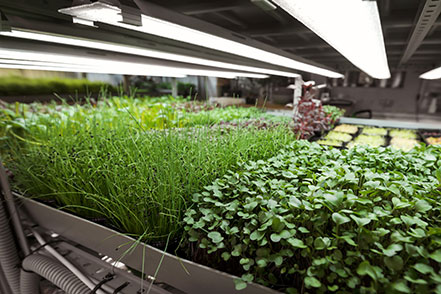
Selecting the right grow lights depends heavily on the type of growing system you intend to operate. When planning your CEA facility, you might consider implementing a traditional greenhouse structure, a controlled indoor cultivation space, or a hybrid production system that combines multiple growing methodologies. Each configuration presents unique lighting requirements that must be carefully evaluated.
Greenhouses typically utilize supplemental lighting to extend daylight hours during shorter seasons or cloudy periods. Indoor facilities rely entirely on artificial illumination, demanding comprehensive lighting solutions. Understanding the volume of light your chosen crops require throughout their growth cycles will determine the intensity, duration, and type of lighting infrastructure you'll need to invest in.
Key Considerations Before Purchasing:
Power Requirements: Calculate the electrical capacity needed based on your facility size and lighting density.
Light Types: Evaluate which lighting technologies align with your cultivation goals and budget constraints.
Coverage Area: Determine the optimal fixture spacing for uniform light distribution across your growing area.
Light Quality Fundamentals
The quality of light your plants receive encompasses several critical variables including color spectrum, intensity, and duration. Plants perceive light differently than humans do, responding specifically to certain wavelengths that drive photosynthesis and influence developmental processes like flowering, stem elongation, and leaf formation.
Blue Light Spectrum
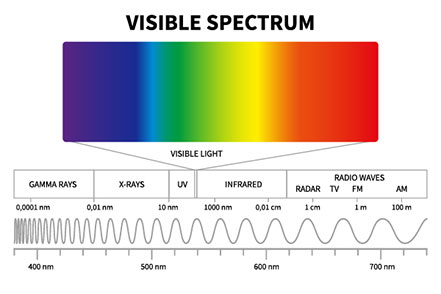
Blue wavelengths (400-500nm) promote compact vegetative growth, strong stems, and healthy leaf development. Essential during the early growth stages of most plant species.
Red Light Spectrum
Red wavelengths (600-700nm) stimulate flowering, fruiting, and overall plant extension. Critical for reproductive phases and maximizing yields in flowering crops.
Light intensity represents another crucial factor in plant development. Insufficient light causes stretching and weak growth, while excessive intensity can damage foliage and impair photosynthetic efficiency. Finding the optimal balance requires understanding the Photosynthetically Active Radiation (PAR) requirements specific to your crop varieties.
Types of Grow Lights
Modern indoor cultivators can choose from several lighting technologies, each offering distinct advantages depending on the application, budget, and performance requirements.
LED (Light Emitting Diode) Fixtures
LED technology has transformed controlled environment agriculture by delivering exceptional energy efficiency and spectral customization. These fixtures convert electrical energy into usable light with minimal heat generation, allowing closer placement to plant canopies without risking thermal damage. Modern full-spectrum LED systems can replicate natural sunlight patterns while enabling growers to fine-tune wavelength ratios for specific growth stages.
Advantages: Superior energy efficiency, extended operational lifespan (50,000+ hours), reduced heat output, customizable spectrum, lower long-term operating costs.
HID (High-Intensity Discharge) Lighting
High-Intensity Discharge fixtures have served commercial growers for decades and remain viable options for many applications. This category includes Metal Halide (MH) lamps that emit blue-dominant light ideal for vegetative growth, and High-Pressure Sodium (HPS) lamps that produce red-orange spectrums favoring flowering development.
Considerations: Higher initial light output per dollar, established technology with predictable performance, generates significant heat requiring ventilation management, bulbs require periodic replacement.
Fluorescent Lighting Systems
Fluorescent tubes, particularly T5 high-output varieties, provide economical solutions for seedling propagation, cloning operations, and low-light crop cultivation. These fixtures produce broad-spectrum illumination with moderate efficiency and minimal heat generation.
Best Applications: Seed starting, microgreen production, leafy green cultivation, supplemental lighting in greenhouse environments, small-scale home growing operations.
Light Intensity Metrics: Understanding PPFD and DLI
Accurately measuring light intensity requires understanding specialized metrics that quantify the photosynthetically useful portion of the electromagnetic spectrum. Two essential measurements guide professional growers in optimizing their lighting systems.
PPFD
Photosynthetic Photon Flux Density measures the quantity of photosynthetically active photons reaching a specific area per second, expressed as micromoles per square meter per second (μmol/m²/s). This instantaneous measurement indicates light intensity at the plant canopy level.
DLI
Daily Light Integral represents the cumulative photosynthetically active photons delivered over an entire day, measured in moles per square meter per day (mol/m²/day). DLI accounts for both intensity and photoperiod duration, providing comprehensive daily light exposure data.
💡 Pro Tip: Different crops require varying DLI levels. Leafy greens typically thrive with 12-17 mol/m²/day, while fruiting crops like tomatoes and peppers demand 20-30 mol/m²/day for optimal production. Always research the specific light requirements for your chosen crops.
Achieving Uniform Light Coverage
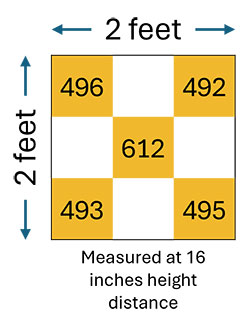
Consistent light distribution across your entire growing area ensures uniform plant development and prevents yield variations between different sections of your facility. Proper fixture spacing, mounting height optimization, and strategic reflector positioning all contribute to achieving homogeneous illumination.
Professional lighting manufacturers typically provide coverage maps and spacing recommendations for their products. When designing your lighting layout, consider overlapping the coverage areas of adjacent fixtures to eliminate dark spots and maintain consistent PPFD readings throughout the canopy. Adjustable mounting systems allow fine-tuning as plants grow and light requirements change.
Coverage Optimization Strategies:
Utilize a PAR meter to map light intensity across your growing area and identify inconsistencies. Position fixtures to create overlapping coverage zones. Implement reflective materials on walls and surfaces to maximize light utilization. Consider plant height variation when calculating mounting distances, and employ adjustable hanging systems for flexibility as crops mature.
Energy Efficiency and Cost Analysis
Lighting typically represents the largest energy expense in controlled environment agriculture operations. Selecting efficient fixtures and implementing intelligent control strategies can dramatically reduce operational costs while maintaining optimal growing conditions. When comparing lighting options, evaluate the efficacy rating measured in micromoles per joule (μmol/J), which indicates how effectively the fixture converts electrical energy into usable plant light.
Modern LED fixtures achieve efficacy ratings exceeding 2.5 μmol/J, significantly outperforming traditional HID technology. While LED systems command higher upfront costs, the energy savings, reduced cooling requirements, and extended operational lifespan typically deliver favorable return on investment within two to four years of operation.
Optimize Your Growing Environment
Take complete control of your indoor growing operation with professional-grade environmental control systems. Automate lighting schedules, monitor conditions, and maximize yields with precision technology.
TrolMaster Hydro-X Pro Control SystemLighting Control and Automation
Advanced environmental control systems enable precise management of lighting schedules, intensity levels, and spectral output throughout different growth phases. Programmable controllers can simulate natural sunrise and sunset transitions, implement specific photoperiod protocols for flowering induction, and respond dynamically to supplemental daylight in greenhouse applications.
Integration with comprehensive climate control platforms allows coordinated management of lighting, temperature, humidity, and CO2 supplementation. These automated systems reduce labor requirements, eliminate human error, and ensure consistent environmental conditions essential for predictable crop production.
Key Takeaways
→ Grow lights serve as critical infrastructure enabling year-round indoor cultivation regardless of external environmental conditions.
→ Light quality encompasses spectrum composition, intensity levels, and photoperiod duration—all affecting plant growth and development.
→ LED technology offers superior energy efficiency and spectral customization, while HID fixtures provide proven performance at lower initial costs.
→ PPFD and DLI measurements quantify light delivery, enabling precise optimization of lighting systems for specific crop requirements.
→ Automated control systems maximize efficiency, ensure consistency, and reduce operational complexity in professional growing environments.
Explore our complete selection of controlled environment agriculture equipment at Backyard Provider