

In This Article
The Benefits of the Plank • How to Do the Plank • Muscles Worked by the Plank • How Not to Do the Plank • Plank: The 10 Best Variations • The Best Plank Workout
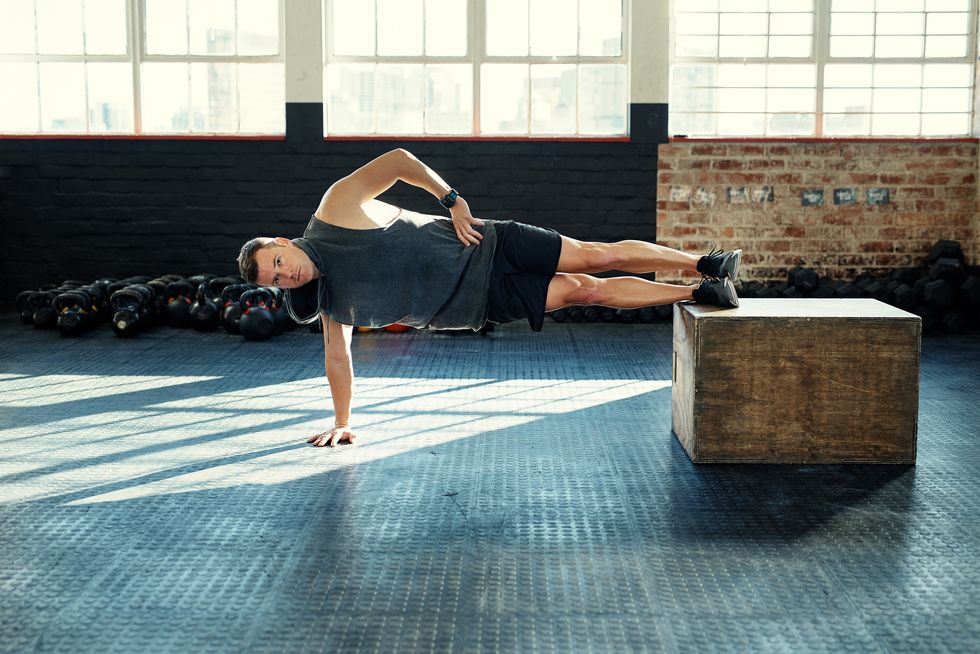
The plank is one of the most well-known bodyweight exercises in existence, and for good reason. It demands no equipment, requires minimal space, and delivers tremendous results for people of every fitness level. Whether you are a complete beginner or a seasoned athlete, incorporating planks into your routine can dramatically improve your core strength, posture, and overall physical resilience.
This guide covers everything you need to know — the key benefits, step-by-step instructions, muscles targeted, common mistakes, the best variations, and a ready-to-use workout plan. Let's dive in.
The Benefits of the Plank
The Plank Maximizes Strength
Few exercises challenge your entire midsection the way a plank does. By holding your body in a rigid, straight line against gravity, you activate deep stabilizing muscles that many other exercises simply cannot reach. Over time, this builds a powerful and resilient core that supports everything from heavy lifting to everyday movements like bending and twisting.
The Plank Improves Endurance
Unlike fast-paced exercises that rely on repetitions, the plank is an isometric hold — meaning your muscles stay engaged under constant tension for an extended period. This kind of sustained effort trains your muscular endurance in a unique way, teaching your body to maintain effort and resist fatigue. The longer you practice, the more stamina your core develops.
The Plank Enhances Stability
A strong core is the foundation of a stable body. Planks train your muscles to work together as a unit, improving your balance and coordination across every physical activity. Whether you are running, cycling, playing sports, or simply carrying groceries, a plank-strengthened core keeps you steady and reduces the risk of falls and injuries.
How to Do the Plank
High Plank (Full Plank)
Start on all fours, then extend your legs straight behind you, balancing on your toes. Place your hands directly beneath your shoulders with your arms fully extended. Your body should form a perfectly straight line from the crown of your head to your heels. Engage your core, squeeze your glutes, and keep your gaze focused on the floor just ahead of your hands. Hold for as long as you can maintain proper form.
Forearm Plank
Instead of supporting yourself on your hands, lower down onto your forearms with your elbows directly beneath your shoulders. Keep your forearms parallel to each other and press them firmly into the ground. Just like the high plank, your body should create a rigid, straight line. This variation places less stress on the wrists and is often considered the standard version for building core endurance.
Muscles Worked by the Plank
The Plank Works Your Abs
The rectus abdominis and the transverse abdominis bear the brunt of the effort. These muscles work tirelessly to prevent your midsection from collapsing toward the floor, providing the core compression and tension that defines the exercise.
Shoulders and Back
Your deltoids, trapezius, and rhomboids all engage to stabilize your upper body. In a high plank, the shoulders bear a significant portion of your body weight, while the back muscles keep your spine aligned and prevent rounding.
Chest and Arms
The pectorals, biceps, and triceps all contribute to holding you up. In the high plank position especially, your arms act as pillars of support, and your chest muscles help stabilize the shoulder joint under load.
The Plank Works Your Legs
Your quadriceps keep your knees locked, your glutes maintain hip alignment, and your calves help you stay balanced on your toes. Although planks are a core-focused exercise, the lower body contribution is significant.
How Not to Do the Plank
Good form is everything with the plank. If your technique is off, you rob yourself of the exercise's benefits and risk straining your lower back and shoulders. Here are the most common mistakes people make:
Letting the hips sag — When your hips drop toward the ground, the load shifts from your core to your lower back. This defeats the purpose of the exercise and can lead to pain over time. Always think about pulling your belly button toward your spine.
Piking the hips too high — Raising your hips into an inverted V shifts work to your shoulders and away from your core. Your body should be a straight line, not a tent.
Looking forward or up — Craning your neck breaks neutral spinal alignment. Keep your gaze directed at the floor slightly ahead of your hands to maintain a natural neck position.
Holding your breath — Many people forget to breathe during the hold. Controlled, steady breathing keeps oxygen flowing to your muscles and helps you hold the position longer.
Placing hands or elbows incorrectly — Hands should sit directly below the shoulders in a high plank, and elbows directly beneath the shoulders in a forearm plank. Misplacement creates unnecessary shoulder strain.
Performed correctly and consistently, a plank at any progression is a core workout powerhouse.
Focus on quality over duration — a 20-second plank with perfect form beats a 2-minute plank with a sagging back.
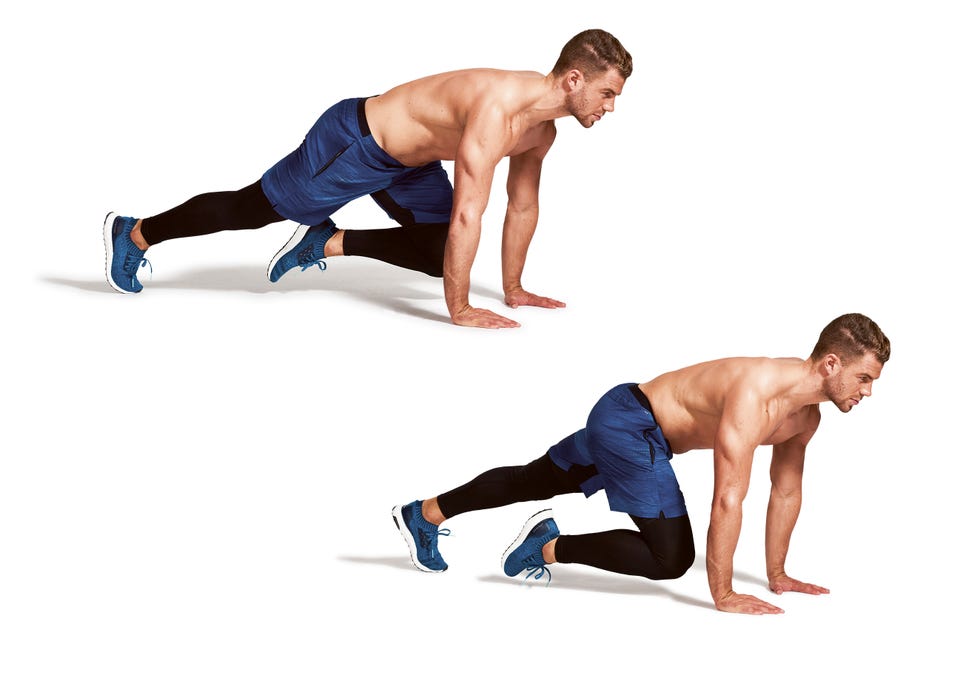
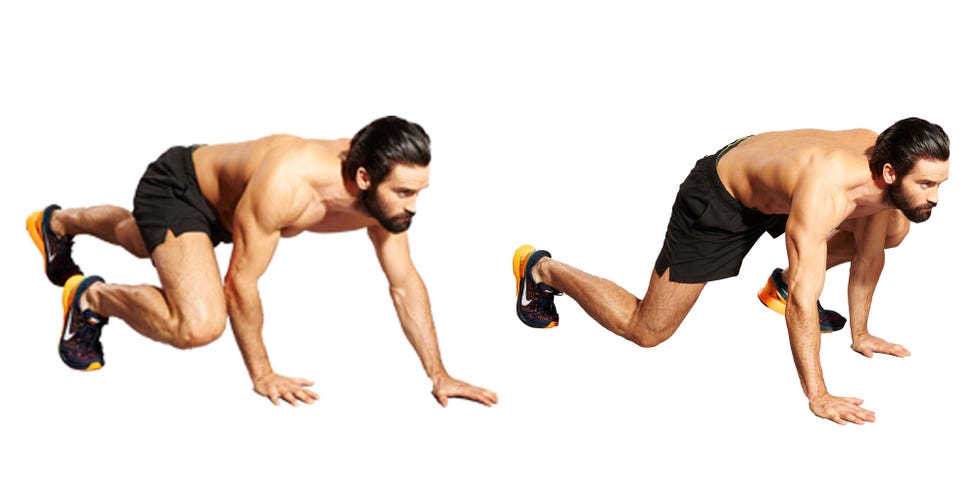
Plank: The 10 Best Variations
Once you have mastered the standard plank, these variations will keep challenging your body in new ways. Each targets slightly different muscles and movement patterns to keep your training dynamic and effective.

The Best Plank Workout
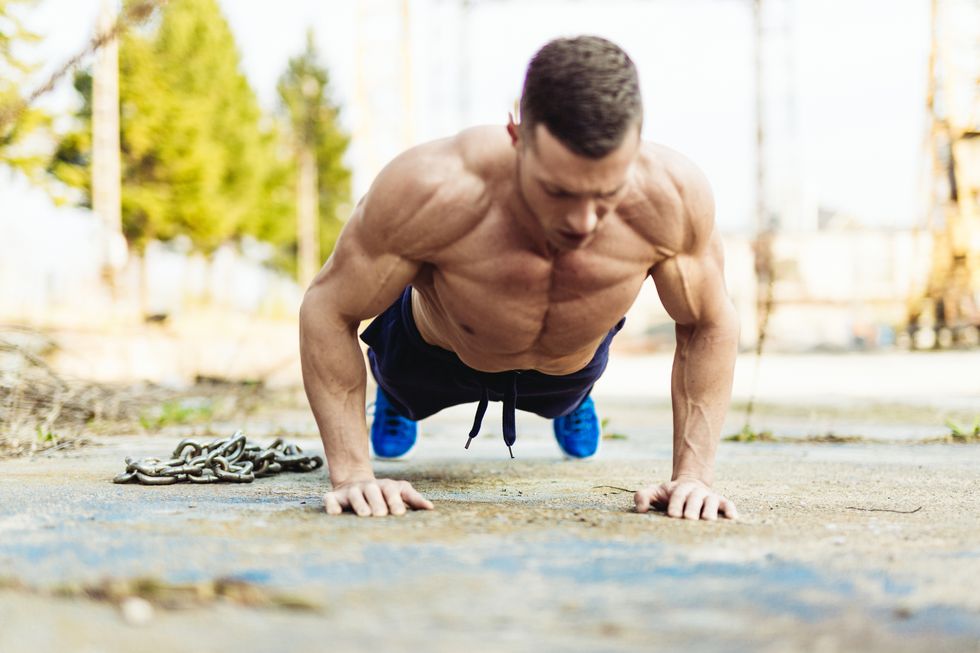
Ready to put it all together? Here is a structured plank workout that covers every angle and difficulty level. Perform each exercise back to back with minimal rest, then take a 60-second break before repeating for a total of 2–3 rounds.
| Exercise | Duration / Reps | Rest |
|---|---|---|
| Forearm Plank | 30–60 seconds | 15 sec |
| Side Plank (Left) | 20–40 seconds | 10 sec |
| Side Plank (Right) | 20–40 seconds | 10 sec |
| Plank Up-Downs | 10–12 reps | 15 sec |
| Plank Shoulder Taps | 12–16 taps | 15 sec |
| Plank Hip Dips | 10–14 dips | 15 sec |
| High Plank Hold | 30–60 seconds | 60 sec (round break) |
Take Your Plank Training Further
If you are serious about building core strength beyond the basics, dedicated training equipment can help you progress faster, train with better form, and unlock advanced variations that bodyweight alone cannot provide. The right adjustable core trainer lets you scale the difficulty precisely to your level and grow with you over time.
Content provided by BACKYARD PROVIDER — Your partner in outdoor living, fitness, and everything in between.