

There's nothing quite like the excitement of a backyard barbecue — the smoky scent, the sizzle, and the anticipation of perfectly grilled food. But then a gust of wind rolls in, and suddenly your grill flame flickers, your temperature drops, and your cook time spirals out of control. If windy weather has ever ruined your grilling plans, you're not alone. The good news? With the right strategies and a bit of preparation, you can keep your grill performing beautifully no matter what the wind throws your way.

How Wind Affects Your Grill
Wind impacts your grilling experience in several significant ways, and understanding these effects is the first step toward overcoming them. Here's what happens when the breeze picks up:
Heat Loss: Wind pulls heat away from your grill's cooking surface, making it difficult to reach and maintain proper temperatures.
Flame Disruption: On gas grills, wind can push flames around or even blow them out entirely, creating uneven cooking zones.
Ash & Debris: A windy cookout can send ash, sparks, and debris flying — creating mess and potential safety hazards.
Safety Risks: Flying embers and unstable flames near combustible surfaces is a genuine concern in high-wind conditions.
Wind-Proofing Your Grill
If it's breezy outside, there are several practical steps you can take to set yourself up for a successful cook session. These adjustments can make the difference between a frustrating afternoon and a flawless barbecue.
Block the Breeze
The simplest defense against wind is to position your grill near a natural windbreak. A solid fence, the side of your house, or a privacy wall can all deflect gusts effectively. Just make sure the area still has enough airflow to safely vent smoke, and never fully enclose your grill. Oxygen is essential for combustion, and blocking it entirely can be dangerous. A partially sheltered spot — like a covered patio corner — is often the sweet spot.
Turn Your Grill Into a Heat Fortress
There are a few tried-and-true accessories designed specifically for grilling in windy conditions. A sturdy grill basket or heat-resistant board placed on the windward side can reduce heat loss dramatically. Ceramic grill tiles and cast iron grates also retain heat better, which is a huge advantage on gusty days.
For both metal and ceramic grills, consider these helpers:
✓ Stainless steel wind guards — wrap around the cooking area to shield flames from crosswinds.
✓ Heat-resistant baskets & grates — help keep food stable and in place while retaining heat underneath.
✓ Grill mats & stone surfaces — absorb and radiate heat to minimize temperature swings.
⚠ Pro Tip: Wind makes temperature swings unpredictable, so it's more important than ever to have a reliable grill thermometer on hand. Don't trust the built-in lid gauge — use a probe thermometer to monitor your food's internal temperature and ensure consistent, safe results.
Rotate the Food, Not the Grill
Point your grill so the wind hits the back, not the vents or burners. This keeps the airflow predictable and prevents gusts from blowing directly into the flame zone. Once positioned, rotate your food periodically to account for any uneven hot spots created by the wind pattern.
Grilling in the Wind: Keeping the Flame Alive
Why Does My Temperature Keep Dropping?
Think of wind as a relentless thief stealing heat right off your grill. You can fight back by closing your lid as much as possible, keeping your grill lit consistently, and using a wind guard to deflect airflow. The key is to stop opening and closing the lid frequently — every time you lift it, you're essentially resetting your cooking temperature.
Why Is My Food Cooking Unevenly?
Gusty conditions push heat around inside your grill, which leads to unpredictable hot and cold spots. Use indirect cooking methods when possible, and move your food around the grate to compensate. A two-zone setup — with coals on one side and food on the other — gives you more control over temperature management.
Can the Wind Blow Ash Into My Food?
Yes — and it's a common annoyance. When grilling with charcoal in windy conditions, the breeze can lift fine ash particles and deposit them right onto your food. To minimize this, don't open the lid more than absolutely necessary, and try to keep your charcoal bed well-maintained so there's less loose ash to begin with.
Gas Grilling in Windy Conditions
Wind and gas grills have a particularly rocky relationship. Because gas burners rely on a steady, consistent flame, even moderate gusts can wreak havoc on your temperature control. Here's how to handle it:
▶ Light with the lid closed — this traps gas and makes ignition safer and more reliable in breezy conditions.
▶ Turn burners higher than usual — compensate for heat being stripped away by the wind.
▶ Match ignition matters — choose the match-light port closest to the wind's direction so the flame catches before the breeze can blow it out.
▶ Angle the grill wisely — orient the back of the grill toward the wind so internal airflow isn't disrupted.
A useful thing to remember is that a gas grill will almost always benefit from a dedicated wind guard. If you're grilling on an exposed deck or patio, a wind guard attachment can be a game-changer — it shields the burners while still allowing enough oxygen for proper combustion.
Charcoal Grilling in Windy Conditions
Charcoal grills can actually fare a bit better in the wind since the coals themselves are heavier and more resistant to being blown around. However, the wind still accelerates charcoal burn rates and can make temperature regulation tricky. Here are some pointers:
✓ Keep the lower vents slightly closed to control airflow — more air means hotter, faster-burning coals.
✓ Use a chimney starter in a sheltered spot before transferring lit coals to the grill.
✓ Add more charcoal than usual — wind will cause coals to burn faster, so plan for a longer cook by stocking up.
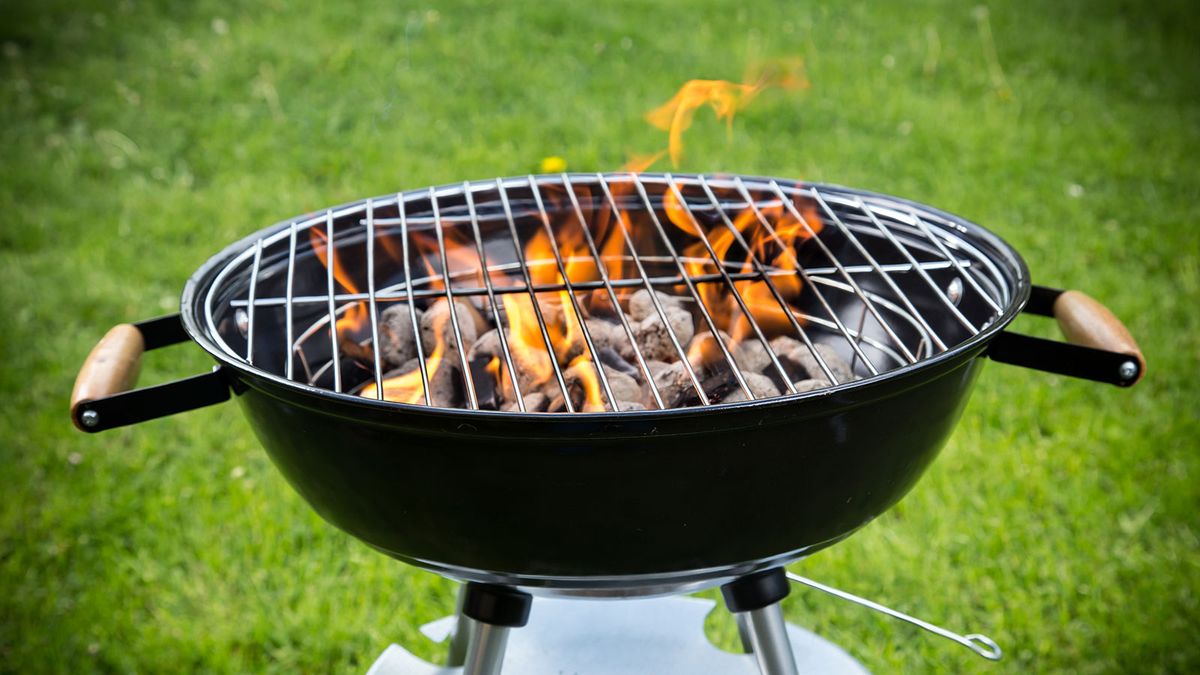
✓ Keep the lid on as much as possible. Every opening bleeds heat and invites the wind inside.
When using a charcoal grill on a breezy day, patience is your best tool. Keep the lid down, resist the urge to constantly check your food, and trust your thermometer.
Grilling Safety in Windy Conditions
Safety should always come first, especially when the wind adds an unpredictable element to your grilling environment. Windy conditions can turn a small flare-up into a serious situation if you're not careful.
⚠ Clear the area — Move any loose items, paper products, or flammable materials well away from your grilling zone.
⚠ Stable footing — Ensure your grill is on a flat, stable surface. If it rocks, the wind can tip it.
⚠ Stay present — Never walk away from an active grill in windy conditions, even for a minute.
⚠ Keep a fire extinguisher nearby — Wind can carry sparks and embers far from the grill. Be prepared.
If the wind becomes dangerously strong — think sustained gusts above 30 mph — it's smarter and safer to move your cooking indoors. No meal is worth a safety incident.
Best Grilling Tools for Windy Conditions
Investing in the right accessories can transform a windy grilling disaster into a smooth cooking experience. Here are some essentials worth having in your outdoor kitchen arsenal:
Windscreens
A wind guard is the single most effective accessory for windy grilling. It wraps around your cooking area, shielding the flame from gusts while still allowing proper ventilation.
Bungee Cords
Secure your grill wheels and base with bungee cords to prevent rolling or shifting. You can also use bricks or patio blocks to anchor the grill firmly in place.
Grill Cover
A quality cover protects your grill from the elements when it's not in use. Secure it down in windy areas or store it safely to prevent it from becoming a wind sail.
Anchor Blocks
Heavy-duty patio blocks or sandbags placed at the base of your grill add weight and stability. They're inexpensive and surprisingly effective at preventing tipping.
Mastering Grilling in Any Terrain
Grilling is an activity that's fundamentally tied to the outdoors — and that means dealing with whatever Mother Nature throws at you. Whether you're cooking on a breezy hilltop, a coastal deck, or a suburban backyard on a gusty spring afternoon, the principles remain the same: protect the flame, manage the heat, and stay safe. With the right tools and techniques, there's no reason wind should ever cancel your cookout. Today's technology gives us the tools to grill confidently in virtually any weather. So embrace the challenge, equip yourself properly, and get grilling.

Windy Grilling FAQs
Can I grill when it's windy?
Absolutely. Use a wind guard, position your grill strategically behind a windbreak, keep the lid closed as much as possible, and monitor your temperature carefully. With the right setup, wind is a manageable challenge — not a deal-breaker.
Which way should my grill face in the wind?
Position your grill so the back faces into the wind. This keeps the breeze away from the vents and burners, maintaining steadier flame control and reducing heat loss from the front opening.
Is it dangerous to grill in strong wind?
It can be, especially if gusts are strong enough to move your grill, scatter embers, or create uncontrollable flare-ups. In moderate wind, proper precautions are sufficient. In severe wind (above 30 mph sustained), it's best to cook indoors and wait for calmer conditions.
What's the best way to keep my grill stable?
Use anchor blocks, bungee cords, or weighted sandbags at the base of your grill. Make sure the grill is on a flat, level surface, and lock any caster wheels. For extra stability in high-wind zones, consider permanent mounting options for your grill station.