

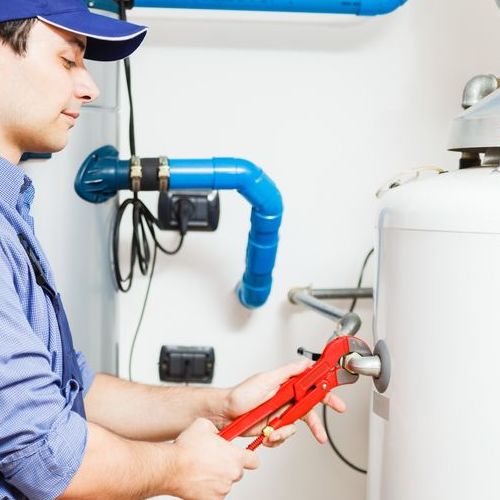
Why Does Hot Water Always Take So Long?
We live in a fast-paced world. Whether you are rushing to get ready for work, trying to finish the dishes before company arrives, or simply waiting for your morning shower to warm up, it always feels like the hot water takes too long. If that sounds familiar, a high-recovery water heater might be exactly what your home needs.
These units are engineered to reheat water significantly faster than standard models, ensuring your household never has to wait around during peak usage times.
What Exactly Is a High-Recovery Water Heater?
In the water heating world, "recovery" refers to how fast a tank can reheat the water once it has been used up. A conventional 40-gallon tank typically needs about an hour to fully recover. A high-recovery water heater, on the other hand, can restore a 55-gallon tank to full temperature in roughly half that time, depending on the brand and model you select.
This makes them ideal for households that consume large volumes of hot water throughout the day without long gaps between usage.
Are Tankless and High-Recovery Heaters the Same Thing?
Not at all. A high-recovery water heater is still a tank-based unit — it simply heats water much faster than a standard tank model. A tankless system, by contrast, eliminates the tank entirely and heats water on demand as it flows through the unit. Because there is no stored water to deplete, a tankless heater has no recovery period whatsoever. The two serve different purposes and suit different household needs.
How Do You Know If You Need One?
If your household goes through a significant amount of hot water on a daily basis, upgrading to a high-recovery model is worth serious consideration. Larger families — think six to eight people or more — will benefit the most. A unit with a recovery rate of 50 gallons per hour or higher means everyone gets their shower without the dreaded cold-water surprise, and bath time becomes a much smoother routine.
Featured Product
Ready to upgrade your hot water system? Check out this high-capacity option designed for larger households.
State Proline 74-Gal Gas Water Heater
What Is the Recovery Time for a 50-Gallon Unit?
Consider a standard electric 50-gallon tank with a maximum wattage of around 4,500 watts. That unit will typically deliver about a 70% recovery rate and take approximately three hours to fully reheat. Keep in mind that this rate gradually decreases as the heater ages and sediment accumulates inside the tank.
A high-recovery version of that same tank cuts the wait to under two hours. While sediment buildup will still affect performance over time, you start with a dramatically faster baseline, which means more consistent hot water for years to come.
Which Type Has the Highest Recovery Rate?
Electric water heaters generally outperform gas models in recovery rate. Electric high-recovery units use immersion-style heating elements that sit directly inside the water, allowing them to achieve close to a 100% recovery rate. Gas-powered heaters, on the other hand, lose some heat energy through the flue, making them slightly less efficient at transferring heat into the water itself.
What Is a Drain Water Recovery System?
A drain water heat exchanger captures the heat from water going down the drain — from your shower, dishwasher, or washing machine — and uses it to preheat incoming cold water. The recovered heat is stored for later use, which requires a dedicated storage capacity. It is an innovative concept but comes with its own set of limitations and installation requirements.
Downsides of Drain Water Heat Recovery
Most residential water systems do not include a built-in storage component for recovered heat. That means drain water recovery must be attached directly to a drain and requires a place to hold the heated water, such as a storage tank near a bathtub. Installing one of these systems after the fact can be expensive and complicated. In many cases, investing in a high-recovery water heater from the start is the more practical and cost-effective solution overall.
Are Extended Warranties Worth the Investment?
Absolutely. Any appliance that sees daily heavy use — and a water heater certainly qualifies — benefits from the longest warranty you can find. When shopping for a high-recovery model, compare warranty terms not just across brands but also across different product lines within the same brand. The added protection can save you significant money on repairs or replacements down the road.
How Much Can a High-Efficiency Water Heater Save You?
Choosing an ENERGY STAR certified appliance is always a smart move, and most modern water heaters on the market today carry that certification. You can usually find the ENERGY STAR label right on the unit itself, making it easy to verify before you buy.
A high-recovery water heater with an ENERGY STAR rating uses advanced heating technology that can reduce your annual electric bill by up to $500. On top of that, because the unit reheats water faster, you spend less time running the tap waiting for it to warm up — which also lowers your water bill. It is a win on both fronts.
How Long Will a High-Efficiency Water Heater Last?
Whether you go with a standard water heater or a high-efficiency, high-recovery model, several key factors will determine how long it serves your household. These include whether the unit is electric or gas, the brand and specific model line, the quality of your local water supply, and — perhaps most importantly — how consistently you maintain the unit after installation.
Regular maintenance such as flushing the tank annually, inspecting the anode rod, and checking the pressure relief valve can add years to the lifespan of any water heater, regardless of type.
Final Thoughts — Better Than the Old Days
People love to say they do not make things like they used to, and that is often true for cars and houses. But when it comes to water heaters, the opposite is the case. Modern units are more energy-efficient, feature glass-lined tanks that resist corrosion, and come in a wider range of sizes and configurations than ever before.
Whether you opt for a standard model or invest in a high-recovery unit, today's water heaters will save you money on monthly utility bills and deliver hot water more reliably than anything from decades past. If you are ready for faster, more efficient hot water, the upgrade is well worth it.

Ready to Upgrade Your Hot Water?
Browse our selection of high-capacity, energy-efficient water heaters built for homes that demand more.
State Proline 74-Gal Gas Water Heater