

Understanding the different venting options available for gas water heaters can help you make a confident, informed decision. Below, we walk through five common vent configurations — each with its own advantages and installation considerations.

Standard Atmospheric Vent
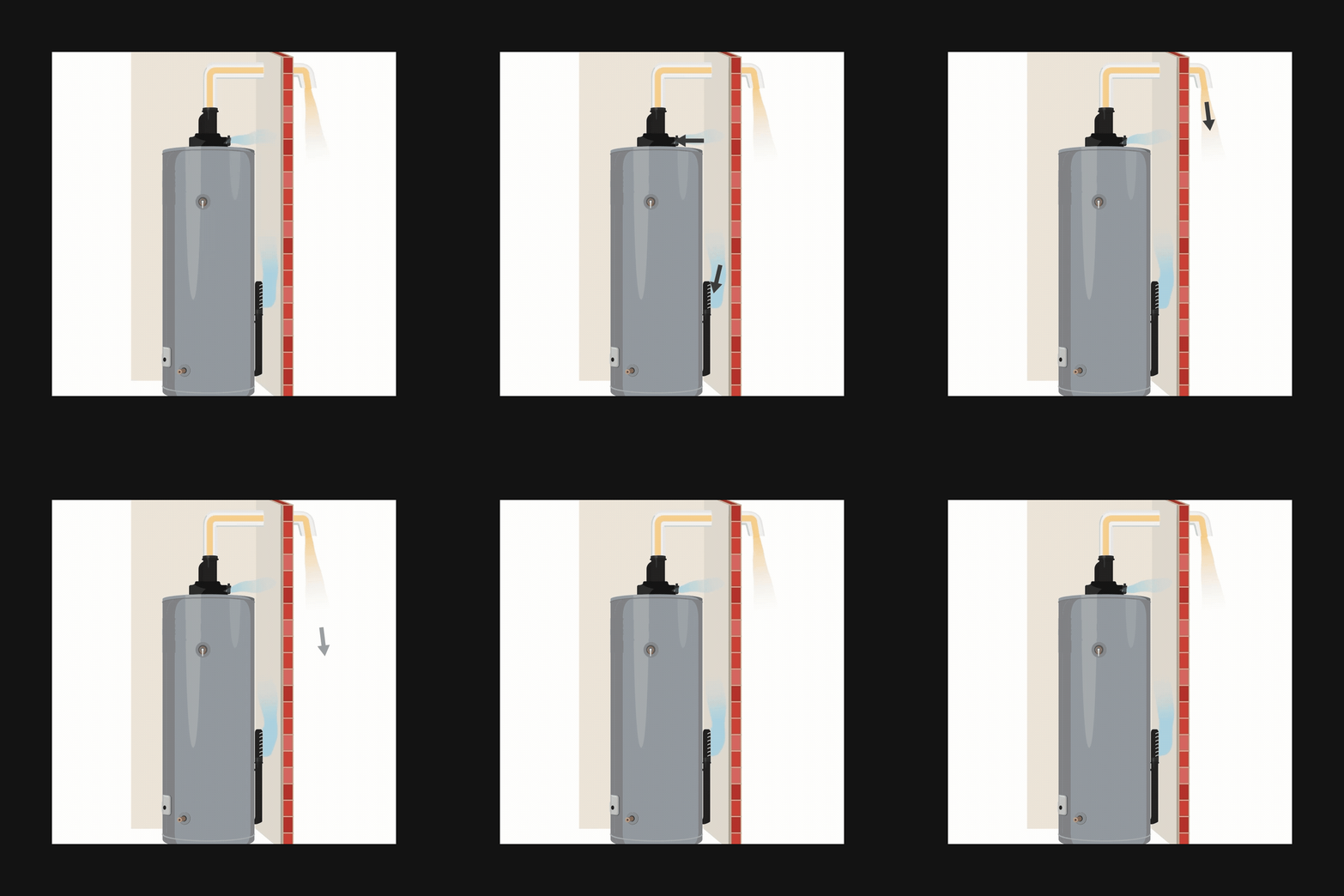
Standard atmospheric vent water heaters are the most widely used type in residential settings. They rely on the natural movement of hot air rising to push exhaust gases through a vertical or upward-sloping metal duct and out of the home. The vent pipe can either be dedicated solely to the water heater or shared with other gas-burning appliances like a furnace.
The vent pipe must always slope upward so hot exhaust naturally flows toward the exit point. Ensuring your vent system is functioning correctly is critical — any obstructions or misalignment in the venting path can cause dangerous heat and fumes to flow back into your living space.
We recommend consulting a licensed plumbing contractor for installation.
Power Vent
Power vent gas water heaters feature an electric blower fan mounted on top of the unit. This fan requires a nearby electrical outlet and actively pushes combustion exhaust and residual heat out through the vent pipe. The venting can be routed vertically or horizontally, even over extended distances, giving you considerably more flexibility in where you place the heater.
These systems are also more energy-efficient since they can recover heat from the exhaust to warm the surrounding area. Because the exhaust temperatures are lower, power vent heaters can use affordable PVC piping rather than traditional metal vent pipes — making the overall installation simpler and less costly to put together.
We recommend consulting a licensed plumbing contractor for installation.]
Direct Vent
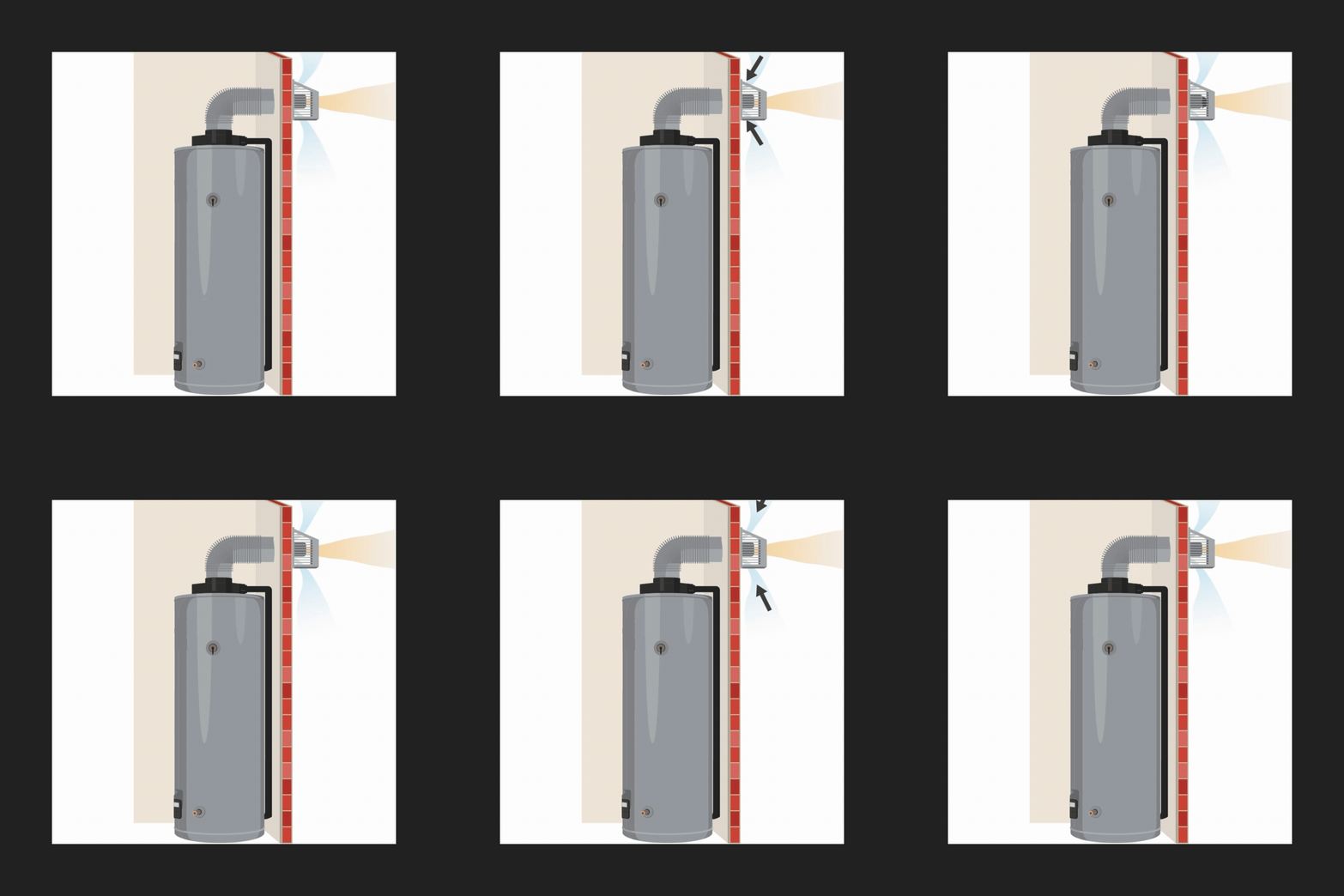
Direct vent gas water heaters are the ideal choice when there isn't enough natural airflow in the room where the unit will be installed. Unlike atmospheric models, a direct vent heater pulls fresh air for combustion from outside the home rather than relying on the indoor air supply. The combustion byproducts and excess heat are then expelled back outdoors.
These heaters use a specialized coaxial vent assembly with separate chambers for incoming air and outgoing exhaust — all within a single pipe. The vent runs through an exterior wall, drawing in outside air while simultaneously pushing exhaust out. This sealed design prevents dangerous backdrafting, making it a safer option for gas and liquid propane tank water heaters.
We recommend consulting a licensed plumbing contractor for installation.
Power Direct Vent
Power direct vents come into play when the installation space doesn't have adequate air for combustion and you need extra placement flexibility. Before committing to this configuration, it's wise to consult a licensed plumbing professional to confirm it's the right fit for your setup.
Similar to a direct vent, this system uses an electric blower to draw outdoor air in for combustion and then channels it straight to the water heater. That same blower also forces exhaust gases out through the wall. Thanks to the power vent design, these models can use PVC piping to help lower installation expenses. Keep in mind that an electrical outlet near the heater is required for the blower to operate.
We recommend consulting a licensed plumbing contractor for installation.
Concentric Vent
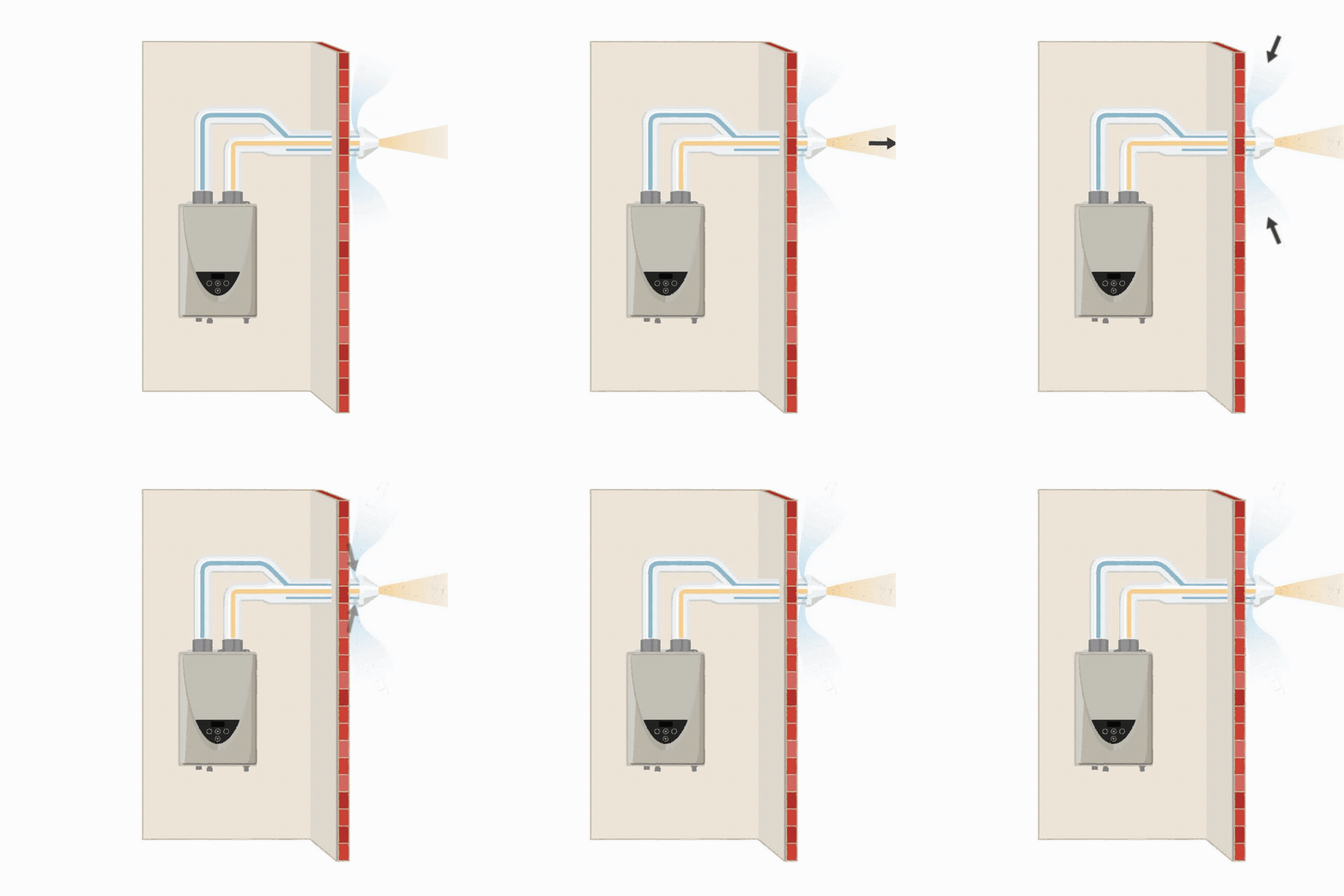
Concentric venting refers to a "pipe within a pipe" design where both the intake air and the exhaust gas travel through a single shared assembly. This streamlined approach provides a clean, aesthetic installation with only one wall or roof penetration needed.
This venting method is compatible with several water heater types, including direct vent, power direct vent, and tankless models. The specific material used for the concentric vent pipe can vary depending on the heater. It can serve as the full vent run from the heater to the outside, or it can be used only at the wall or roof penetration point as a termination fitting — giving a direct vent tank or tankless unit a cleaner look on the exterior.
In configurations where separate intake and exhaust pipes run between the water heater and the interior wall, only the final penetration and termination fitting use the concentric design. This hybrid approach simplifies the installation while still delivering a neat, professional finish on the outside of your home.
We recommend consulting a licensed plumbing contractor for installation.
Featured Product
Find the Right Water Heater for Your Home
Explore our selection of high-performance gas water heaters built to match your venting needs and deliver reliable hot water for years to come.
State Proline 74-Gal Gas Water Heater