

Hot water is one of those everyday essentials most homeowners take for granted — until it stops flowing. Whether you're replacing an aging unit or outfitting a brand-new home, a gas water heater remains one of the most dependable and cost-effective solutions on the market. In this comprehensive guide, we'll walk you through everything from how gas water heaters work to the key factors you should weigh before making your purchase.
What Exactly Is a Gas Water Heater?
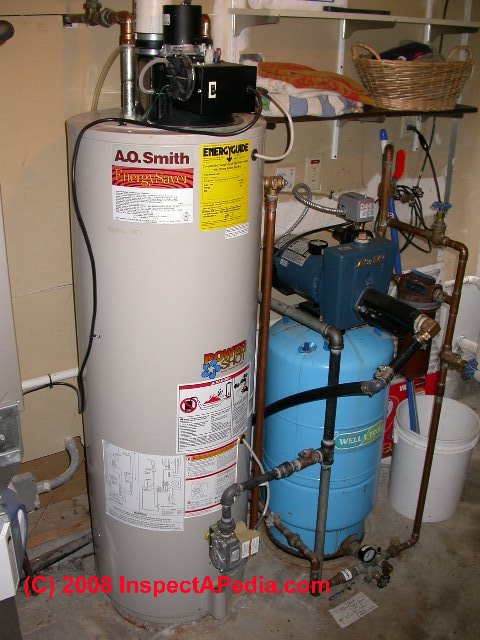
At its core, a gas water heater is an appliance that uses natural gas or propane as fuel to heat water for residential use. These systems work by igniting a burner positioned beneath a storage tank — or, in the case of tankless models, by firing up a heat exchanger the instant you turn on the faucet. The heated water then travels through your plumbing and arrives wherever you need it: showers, sinks, dishwashers, and washing machines.
Gas-powered water heaters have earned a strong reputation among homeowners because they tend to heat water faster than their electric counterparts. They also typically carry lower long-term operating costs, especially in regions where natural gas prices are favorable. From compact apartments to sprawling family homes, there's a gas water heater designed to match virtually every living situation.
Why Choose a Gas Water Heater? The Key Advantages
There are several compelling reasons why gas water heaters continue to dominate the residential market. First, speed of recovery stands out as a major benefit. Gas burners can reheat a full tank of water significantly faster than an electric heating element, meaning your family won't be left waiting after back-to-back showers.
Energy efficiency is another considerable advantage. Modern gas water heaters feature advanced insulation, electronic ignition systems, and high-efficiency burners that minimize fuel waste. Many current models achieve Energy Factor ratings that translate directly into noticeable savings on monthly utility bills.
Reliability also plays a significant role. Gas water heaters function independently of your electrical grid, which means you can still enjoy hot water during power outages — a factor that matters more than most people realize until the lights go out. When you combine quick recovery, cost savings, and resilient performance, it's easy to see why gas remains a preferred choice for millions of households.
⚡ Quick Fact: A gas water heater can recover hot water up to twice as fast as a comparable electric model, making it ideal for busy households with high hot water demand.
Tank vs. Tankless: Understanding the Two Main Types
When shopping for a gas water heater, the first major decision you'll face is whether to go with a traditional tank model or a modern tankless unit. Both approaches have their strengths, and the best choice depends on your household's specific needs.
Traditional Tank Water Heaters
Tank-style gas water heaters store a predetermined volume of hot water — commonly between 30 and 80 gallons — ready for use at any moment. The burner fires periodically to maintain the stored water at your desired temperature. These models are straightforward to install, relatively affordable upfront, and have a proven track record spanning decades. For larger families or homes with simultaneous hot water demands, a high-capacity tank model can ensure nobody runs out of hot water during peak usage times.
Tankless (On-Demand) Water Heaters
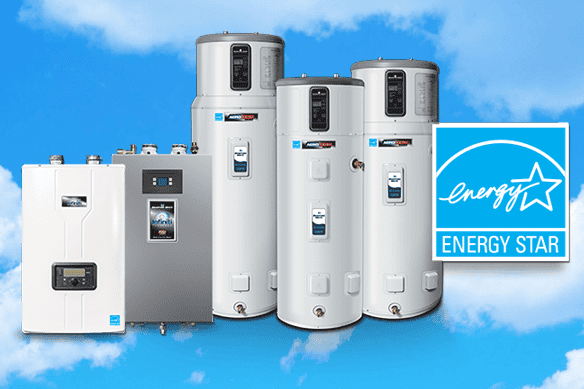
Tankless gas water heaters eliminate the storage tank entirely. Instead, they heat water on demand as it flows through the unit, providing a virtually unlimited supply of hot water as long as the tap is running. These compact systems are ideal for smaller spaces and can deliver meaningful energy savings since they don't expend energy keeping a tank of water hot around the clock. However, they carry a higher initial price tag and may require upgrades to your gas lines or venting configuration.
How to Choose the Right Size for Your Home
Selecting the proper capacity is crucial. An undersized water heater will leave your household frustrated with lukewarm showers, while an oversized unit wastes energy and money heating water you'll never use. For tank models, the general guideline is to consider your household's peak-hour demand — the total amount of hot water your family uses during the busiest hour of the day.
A household of one or two people can typically get by with a 30- to 40-gallon tank. Families of three to four usually need 40 to 50 gallons, while larger households of five or more should look at models offering 50 gallons or above. For homes with exceptionally heavy hot water usage — think multiple bathrooms, a large soaking tub, or a dedicated laundry schedule — a high-capacity model in the 70- to 80-gallon range can make all the difference.
For tankless models, sizing revolves around flow rate (measured in gallons per minute) and temperature rise. You'll want to calculate how many fixtures might run simultaneously and ensure the unit can handle that combined demand without sacrificing water temperature.
Featured Product
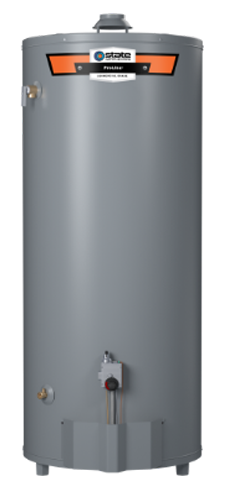
State Proline High Capacity 74-Gallon Gas Water Heater
Delivering 75,100 BTU of heating input in a tall atmospheric vent configuration, this 74-gallon powerhouse is built for families that refuse to compromise on hot water availability. Ideal for larger households with demanding peak-hour usage.
Essential Features to Look For When Buying
Beyond capacity and fuel type, several additional features can influence your satisfaction with a gas water heater over the long run. Pay close attention to the unit's Energy Factor (EF) or Uniform Energy Factor (UEF) rating — the higher the number, the more efficiently the heater converts gas into hot water. Modern high-efficiency models often include features like power dampers, condensing technology, or low-NOx burners that reduce emissions.
Venting requirements are another important consideration. Atmospheric vent models use natural convection to expel exhaust gases and are typically the most affordable and simplest to install. Power vent and direct vent models offer greater flexibility in placement since they use fans or sealed combustion chambers to manage exhaust, but they come at a premium. Make sure the venting type you choose aligns with your home's layout and local building codes.
Also consider the warranty coverage, build materials (look for glass-lined or stainless steel tanks for corrosion resistance), and safety features such as flame-arrestor screens and automatic shutoff valves. These details might not seem glamorous, but they directly impact the lifespan and safety of your investment.
Installation: What to Expect
Installing a gas water heater is not a typical weekend DIY project. Because these appliances involve gas lines, venting, and plumbing connections, most local building codes require a licensed professional to perform the installation. A qualified technician will ensure proper gas line sizing, secure venting to prevent carbon monoxide hazards, and verify that all connections meet safety standards.
If you're replacing an existing gas water heater with a similar model, installation is usually straightforward and can often be completed within a few hours. Switching from electric to gas, or upgrading from a tank to a tankless system, tends to be more involved and may require additional gas line work, new venting routes, or electrical modifications for electronic ignition systems. Always obtain the necessary permits and schedule inspections as required by your local municipality.
Maintenance Tips to Extend the Life of Your Water Heater
A well-maintained gas water heater can serve your household reliably for 10 to 15 years or even longer. The single most important maintenance task is flushing the tank annually. Sediment naturally accumulates at the bottom of the tank over time, reducing heating efficiency and accelerating corrosion. Draining a few gallons from the tank once a year keeps sediment buildup in check.
Inspecting the anode rod every two to three years is equally important. This sacrificial metal rod attracts corrosive elements in the water, protecting the tank's interior lining. Once the rod is heavily corroded, replacing it is a simple and inexpensive step that can add years to your heater's lifespan.
Don't overlook the temperature and pressure (T&P) relief valve, either. Test it periodically by lifting the lever and confirming that water flows freely before snapping back into place. A malfunctioning T&P valve is a safety concern that should be addressed immediately. Lastly, check the burner flame — it should burn a steady blue. A yellow or flickering flame may indicate ventilation issues or combustion problems that warrant professional attention.
Cost Considerations: Upfront Price vs. Long-Term Value
The purchase price of a gas water heater varies widely depending on the type, capacity, and efficiency rating. Standard atmospheric vent tank models typically represent the most budget-friendly option, while high-efficiency condensing units and tankless systems command a higher initial investment. However, it's essential to look beyond the sticker price and consider the total cost of ownership.
Higher-efficiency models often pay for their premium over time through reduced monthly gas bills. Tankless systems, despite their steeper upfront cost, can last 20 years or more — roughly double the lifespan of a conventional tank unit. Factor in potential rebates, tax incentives for energy-efficient appliances, and the avoided cost of emergency replacements, and the financial picture becomes much more nuanced than the initial price alone would suggest.
Final Thoughts: Making the Right Choice
Choosing a gas water heater is an investment in your home's comfort and efficiency. Whether you opt for a classic high-capacity tank model or a sleek tankless system, the key is to match the unit's specifications to your household's unique demands. Consider your family size, daily usage patterns, available installation space, and budget — both upfront and over time.
At Backyard Provider, we're committed to helping you find the right home comfort solutions. If you're in the market for a dependable, high-performance gas water heater, explore our carefully curated selection and discover units built to deliver consistent hot water day after day.
Ready to Upgrade Your Hot Water System?
Explore the State Proline 74-gallon gas water heater — engineered for high-demand households that expect reliable performance.
State Proline 74-Gal Water Heater