

Reformer Pilates has rapidly become one of the most sought-after fitness routines around the world. Combining resistance-based training with controlled, fluid movements, it delivers a full-body workout that challenges your muscles without punishing your joints. Whether you're an experienced athlete or someone just stepping into the fitness space, the Reformer machine opens up a world of possibilities for building strength, improving posture, and enhancing overall mobility.
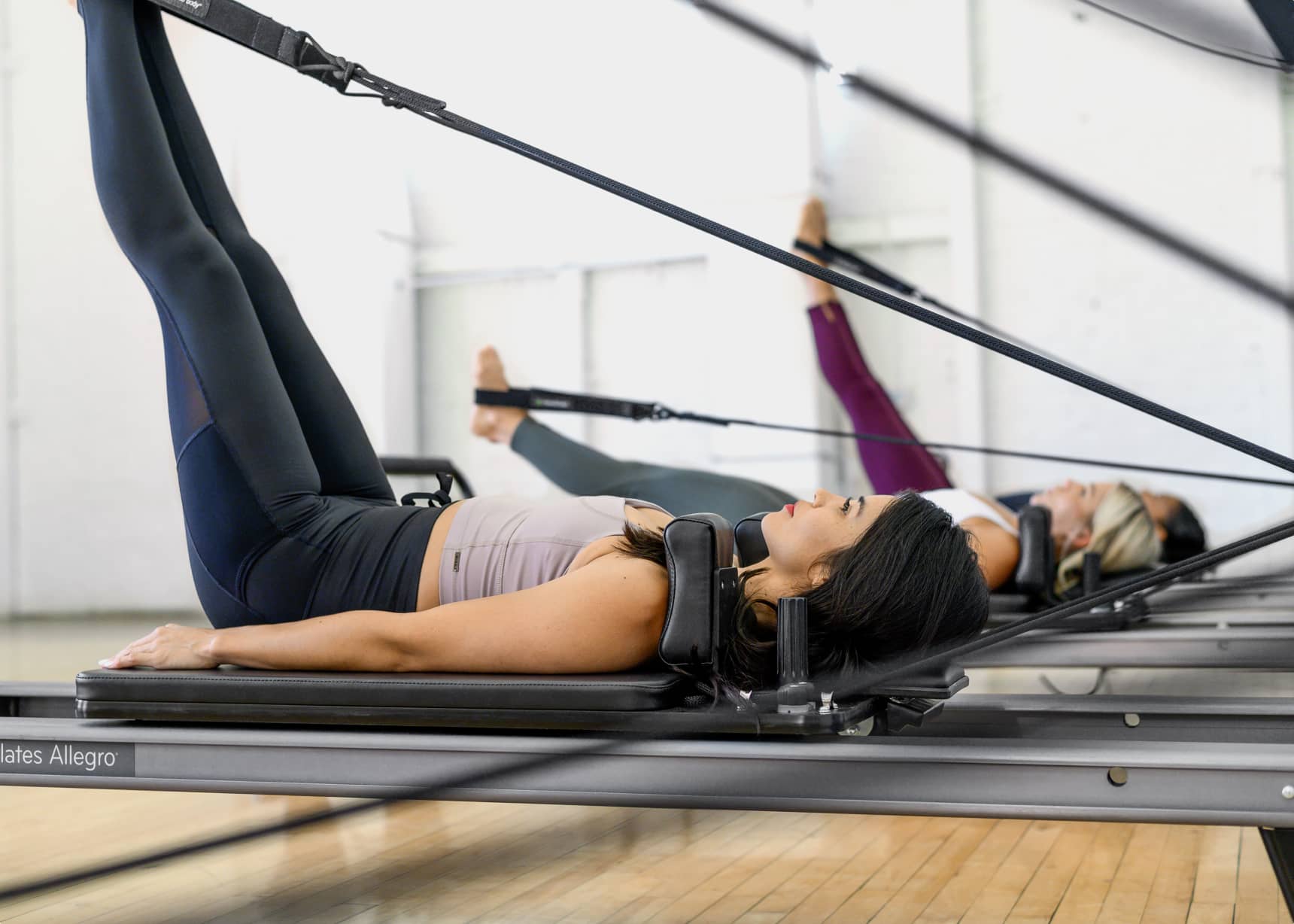
Unlike traditional gym exercises that often rely on heavy weights and repetitive motions, Reformer Pilates uses a specialized sliding carriage with adjustable spring resistance. This unique setup allows you to perform hundreds of different exercises — from leg presses and arm pulls to core-focused movements — all on a single piece of equipment. It's efficient, adaptable, and surprisingly effective.
How Is Reformer Pilates Different?
The Pilates method was originally created by Joseph Pilates as a system of exercises designed to strengthen the body and sharpen the mind. Traditional mat Pilates relies entirely on bodyweight and gravity. Reformer Pilates, on the other hand, introduces a mechanical element — the Reformer machine — that adds adjustable resistance through a spring-loaded carriage system.
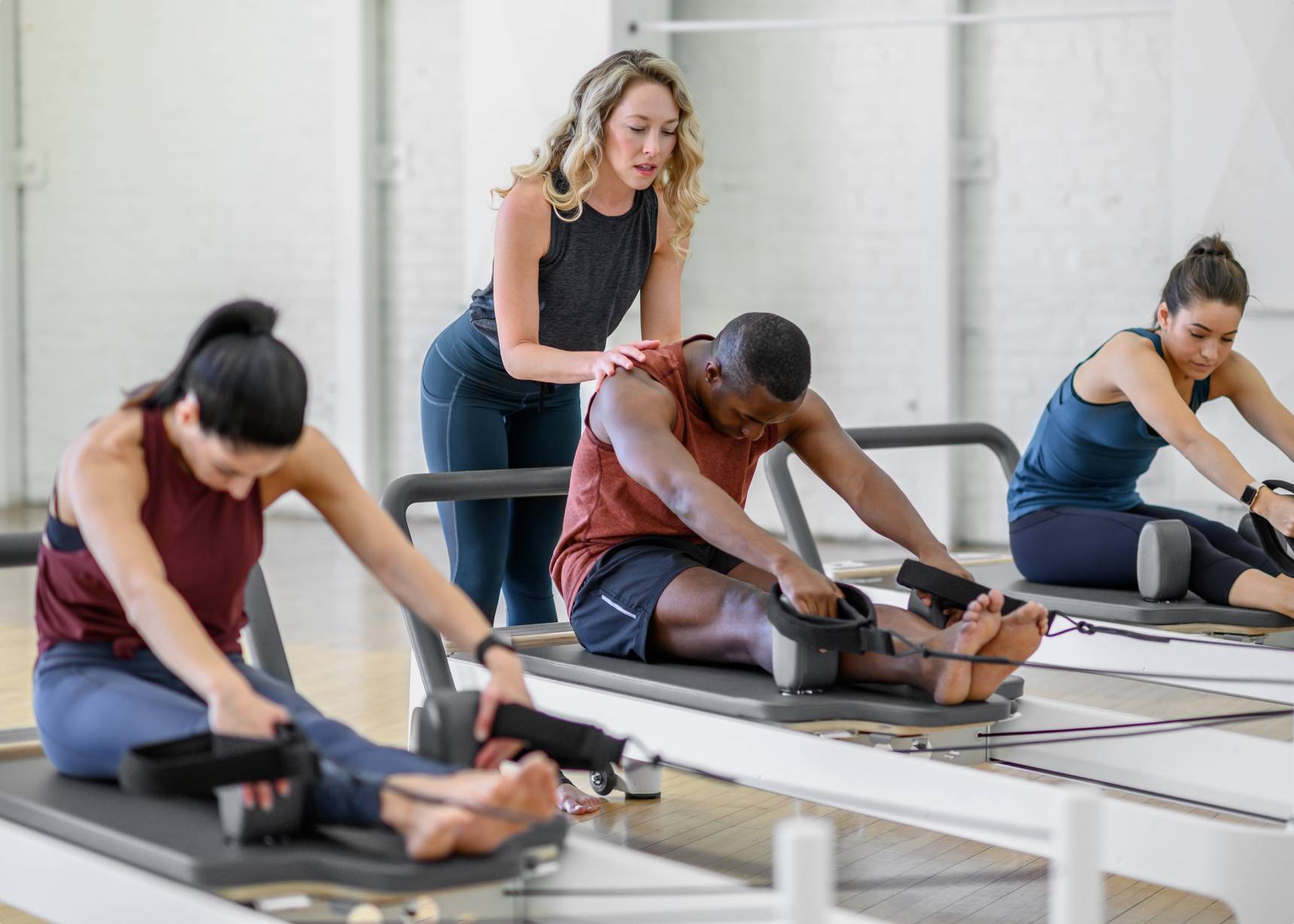
This resistance can be dialed up or down depending on your fitness level, making every session entirely customizable. The Reformer also supports your body in positions that would be difficult or impossible on a mat alone, allowing for deeper stretches, longer holds, and more targeted muscle activation. In short, it takes the foundational principles of Pilates and amplifies them with precision engineering.
Key Difference: While mat Pilates depends primarily on your own body weight, the Reformer machine introduces variable resistance through its spring system. This means you can isolate specific muscle groups more effectively and progress at your own pace — something that's difficult to replicate on a mat alone.
Benefits of Reformer Pilates
The Reformer isn't just another piece of exercise equipment — it's a complete training system. Here's what consistent practice can do for your body and mind:
Stronger Core & Better Stability
Every movement on the Reformer engages your deep core muscles. Over time, this builds a stable foundation that improves posture, reduces back pain, and supports spinal alignment throughout your day.
Greater Flexibility & Range of Motion
The sliding carriage encourages long, controlled stretches that gradually increase your flexibility. Regular sessions promote joint health and keep your body moving freely without stiffness.
Complete Full-Body Conditioning
Reformer Pilates targets every major muscle group in a single session. From your shoulders and arms to your glutes and calves, no area is left behind — delivering balanced, proportional strength.
Low Impact, High Results
The controlled, spring-assisted movements are gentle on joints while still delivering serious results. This makes it ideal for injury recovery, older adults, and anyone who wants to train smart rather than just hard.
Tailored to Your Fitness Level
With adjustable springs and straps, every exercise can be modified to match your current abilities. Beginners and advanced practitioners alike can get a challenging, productive workout on the same machine.
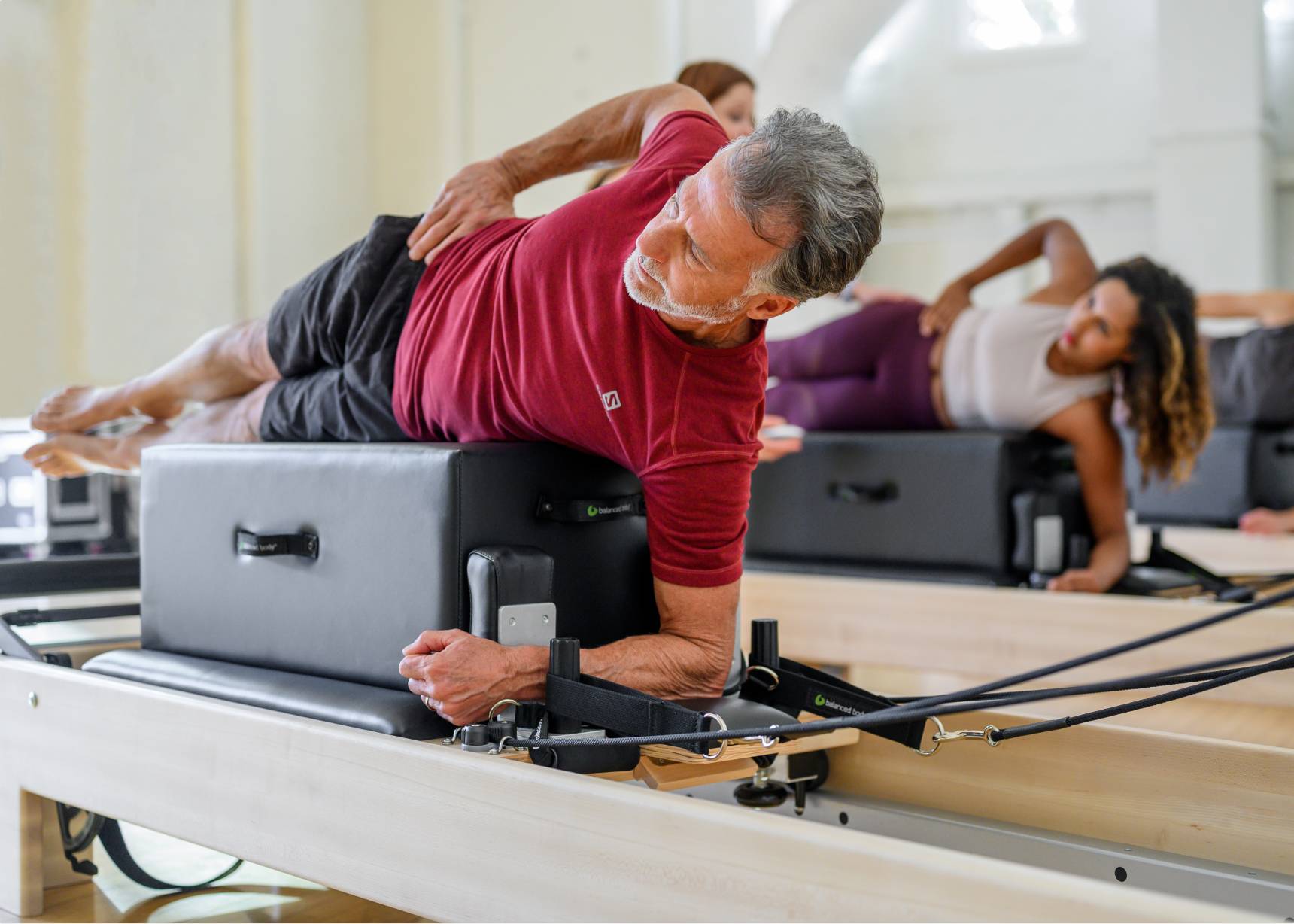
Ready to bring the Reformer Pilates experience into your own home? Start building strength, flexibility, and balance on your schedule.
Stamina AeroPilates ReformerHow to Get Started with Reformer Pilates
If you've never tried Reformer Pilates before, the best first step is to book an introductory class or a one-on-one private session at a certified studio. A qualified Pilates instructor will walk you through the machine's components, teach you proper form, and ensure you're working safely from day one.
Many studios offer beginner-friendly group sessions that cover the basics before progressing to intermediate techniques. Starting with professional guidance helps you build a solid foundation and avoid common mistakes that could limit your progress or lead to discomfort.

What to Expect During Your First Session
Walking into your first Reformer class can feel a little intimidating — the machine looks complex. But don't worry. Your instructor will introduce each part of the Reformer: the carriage, the footbar, the straps, the springs, and the headrest. You'll start with simple movements like footwork presses, leg circles, and basic arm pulls to get comfortable with the sliding motion and resistance.
Most first sessions focus on building body awareness. You'll learn how to engage your core, maintain neutral spine alignment, and coordinate your breath with each movement. By the end, you'll feel muscles you didn't know existed — in the best way possible.
Frequently Asked Questions
What type of workout is Reformer Pilates?
Reformer Pilates is a low-impact, full-body workout that combines resistance training with controlled breathing techniques. It focuses on building core strength, improving flexibility, enhancing coordination, and promoting mental wellness — all without the joint stress associated with high-impact exercises.
How is Reformer Pilates different from mat Pilates?
The main difference is the equipment. Mat Pilates uses only your bodyweight and a floor mat, while Reformer Pilates uses a spring-loaded machine with adjustable resistance. The Reformer allows you to target muscles from different angles and with varying intensity, making it more versatile and often more effective for building strength progressively.
What equipment is needed for Reformer Pilates?
The primary piece of equipment is the Reformer machine itself, which includes a sliding carriage, springs for resistance, a padded platform, straps with handles, a footbar, and a headrest. Some exercises also incorporate accessories like a jump board, a sitting box, or resistance bands for added variety.
Can beginners do Reformer Pilates?
Absolutely. Reformer Pilates is designed to be accessible for all fitness levels, including complete beginners. The spring resistance can be adjusted to accommodate different strengths, and a certified instructor can modify every exercise to match your current abilities. Many people find the Reformer easier to use than a mat because it provides support and feedback throughout each movement.
How often should you do Reformer Pilates to see results?
For noticeable results, practicing two to three times per week is recommended. Consistency matters more than intensity. Over the course of several weeks, you'll begin to see improvements in core strength, posture, muscle tone, and overall flexibility. Sessions of 30 to 60 minutes are typical and effective for steady progress.
What should I wear to Reformer Pilates?
Wear form-fitting, comfortable clothing that allows you to move freely without getting caught in the machine's springs or straps. Avoid baggy tops and loose pants. Most practitioners wear leggings and a fitted top. Grip socks are often recommended to prevent slipping on the carriage and footbar.
Can you do Reformer Pilates at home?
Yes, you can absolutely practice Reformer Pilates at home if you have the space and the right equipment. Home Reformer machines have become increasingly popular and affordable, making it convenient to maintain a regular practice without committing to studio memberships. It's wise to take a few professional classes first to learn proper technique before training independently.