

A complete, structured training program designed to build upper body strength, develop core stability, and level up your bodyweight fitness — all from one piece of equipment at home.
What Is a Power Tower?
A power tower is a standalone home gym station that bundles several exercise functions into one compact, vertical frame. At its core, it allows you to perform pull-ups, chin-ups, tricep dips, push-ups, vertical knee raises, and hanging leg raises — covering every major upper body and core movement pattern without needing a rack of machines or an expensive gym membership.
Built from heavy-gauge steel with padded armrests, back support, and a wide stabilizing base, a quality power tower is one of the most space-efficient and cost-effective training tools available for home athletes of any level.
1. Check the Weight
Always verify the tower's rated weight capacity before use. A good unit will handle well above your bodyweight — essential if you plan to use a weighted vest.
2. Adjust the Height
Some models offer adjustable pull-up bar height. Set it so you start each rep from a full dead hang without your feet touching the floor.
3. Inspect Before Every Session
Tighten bolts and check stability before you begin. A power tower that wobbles mid-rep is a safety hazard, not just an inconvenience.
4. Start Within Your Ability
Use resistance bands to assist pull-ups if needed. There is no shame in scaling — it is far smarter than grinding out poor form reps and risking injury.
 What Muscles Does a Power Tower Work?
The power tower is a compound training tool, meaning it recruits multiple muscle groups simultaneously. Here is a breakdown of the primary muscles targeted across the different exercise stations:
Pull-ups and chin-ups build width and thickness across the entire back, with emphasis on the latissimus dorsi and rhomboids.
Dips performed with a forward lean heavily recruit the lower and mid pectoral fibers.
Upright dips and push-up variations place significant demand on all three heads of the tricep.
Chin-ups with a supinated grip are among the most effective bicep exercises in bodyweight training.
Hanging knee raises and straight-leg raises directly challenge the abdominals, obliques, and hip flexors.
Wide-grip pull-ups and push-up variations engage the deltoids as stabilizers and primary movers.
4-Week Power Tower Workout Plan
This plan is structured to progress week by week, introducing new movement challenges and increasing volume as your strength develops. Begin each session with 5 to 10 minutes of dynamic warm-up — arm circles, shoulder rolls, bodyweight squats, and light jumping jacks. End every session with 5 minutes of static stretching targeting the lats, chest, and hip flexors.
Train 3 to 4 days per week with at least one rest day between sessions. Rest 60 to 90 seconds between sets for hypertrophy, or up to 3 minutes for maximum strength. Log every session and aim to add at least one rep per set each week before increasing difficulty.
Week 1 — Building the Foundation
Focus on mastering movement patterns with controlled tempo. Every rep counts. Prioritize full range of motion over speed.
| Exercise | Sets | Reps | Rest |
|---|---|---|---|
| Assisted Pull-Ups | 3 | 5–8 | 90 sec |
| Tricep Dips | 3 | 8–10 | 90 sec |
| Knee Raises | 3 | 10–12 | 60 sec |
| Push-Ups | 3 | 10 | 60 sec |
| Exercise | Sets | Reps | Rest |
|---|---|---|---|
| Chin-Ups | 3 | 5–8 | 90 sec |
| Hanging Knee Tucks | 3 | 8–10 | 60 sec |
| Chest Dips | 3 | 8 | 90 sec |
| Scapular Pull-Ups | 3 | 10 | 60 sec |
Active recovery — light walking, stretching, or mobility work. Allow muscles to repair and adapt.
Week 2 — Adding Volume
Increase total sets and reps. Begin reducing band assistance on pull-ups if comfortable. Keep form strict.
| Exercise | Sets | Reps | Rest |
|---|---|---|---|
| Pull-Ups (unassisted) | 4 | 5–6 | 90 sec |
| Tricep Dips | 4 | 10–12 | 90 sec |
| Straight-Leg Raises | 3 | 10 | 60 sec |
| Wide Push-Ups | 3 | 12 | 60 sec |
| Exercise | Sets | Reps | Rest |
|---|---|---|---|
| Wide-Grip Pull-Ups | 4 | 5–8 | 90 sec |
| Chin-Ups | 3 | 6–8 | 90 sec |
| Knee Raises (slow) | 4 | 12 | 60 sec |
| Chest Dips | 3 | 10 | 90 sec |
Rest or light stretching. Foam rolling the lats and chest is highly recommended between sessions.
Week 3 — Intensity Increase
Introduce pause reps, slower tempos, and new movement variations. Shorter rest periods to challenge conditioning.
| Exercise | Sets | Reps | Rest |
|---|---|---|---|
| Pull-Ups with Pause | 4 | 6 | 75 sec |
| L-Sit Hold (dip bars) | 3 | 15 sec | 60 sec |
| Slow Tricep Dips (3-0-3) | 4 | 8 | 90 sec |
| Hanging Leg Raises | 4 | 10 | 60 sec |
| Exercise | Sets | Reps | Rest |
|---|---|---|---|
| Commando Pull-Ups | 3 | 6 each side | 90 sec |
| Chin-Ups with Pause | 3 | 6 | 90 sec |
| Windshield Wipers | 3 | 8 | 60 sec |
| Chest Dips (weighted) | 3 | 8 | 90 sec |
Rest. By week 3 your tendons and connective tissue need adequate recovery. Do not skip rest days.
Week 4 — Peak Week
Maximum effort across all exercises. Test your progress against Week 1 benchmarks. Push to near-failure on each set.
| Exercise | Sets | Reps | Rest |
|---|---|---|---|
| Max Pull-Ups | 4 | Max reps | 2 min |
| Weighted Dips | 4 | 8–10 | 90 sec |
| Toes-to-Bar | 4 | 8–10 | 75 sec |
| Diamond Push-Ups | 3 | 12 | 60 sec |
| Exercise | Sets | Reps | Rest |
|---|---|---|---|
| Wide-Grip Pull-Up Max | 4 | Max reps | 2 min |
| Chin-Up Max | 3 | Max reps | 2 min |
| Hanging Leg Raises | 4 | 12 | 60 sec |
| Chest Dips | 4 | 12 | 90 sec |
After peak week, take a full deload day. Light movement only. Celebrate your progress — you have earned it.
Notes
Rest Between Sets
For strength-focused sessions, rest 90 seconds to 3 minutes. For endurance and conditioning, shorten rest to 30 to 60 seconds. Match your rest to your goal, not your comfort level.
Listen to Your Body
Muscle soreness is normal. Joint pain is not. If you feel sharp discomfort in your elbows, shoulders, or wrists, stop and assess your form before continuing.
Nutrition Matters
Body weight training still requires fuel. Adequate protein intake — at least 0.7 grams per pound of bodyweight — supports muscle repair and growth between sessions.
Sleep Is Training
Growth happens during recovery. Seven to nine hours of quality sleep per night is non-negotiable for anyone serious about making progress on this or any training program.
Four weeks of honest, progressive effort will produce measurable results. Missing sessions, cutting reps short, or skipping rest periods all undermine the plan. Show up, do the work, and trust the process.
Why Add a Power Tower to Your Home Gym?
With the right equipment, your home can become the most effective training environment you've ever used. Here is why thousands of home athletes consider the power tower an essential piece of their setup:
- Space-Saving Design. Power towers offer a vertical footprint that fits comfortably in a corner of a garage, basement, or spare room without dominating the space.
- Multi-Station Versatility. Pull-ups, dips, push-ups, leg raises, and core work are all accessible from a single unit — no additional equipment required.
- Adaptable Options. Whether you're targeting strength, hypertrophy, or endurance, the tower adjusts to your goal through rep ranges, tempos, and resistance additions.
- Built for Progression. From assisted beginner pull-ups to weighted advanced dips and L-sits, the power tower scales with you indefinitely — there is always a harder variation to chase.
- Cost-Effective Investment. A single quality tower replaces a lat pull-down machine, dip station, ab station, and push-up handles — all at a fraction of the combined cost.
Full Study Workout System Options
When selecting your power tower, look for models that include all the following stations to ensure maximum workout variety and long-term training value:
Start Your 4-Week Journey Today
Everything you need to build serious upper body strength and core stability is right here. Follow the plan, trust the process, and show up consistently — the results will follow. Get your power tower and start Week 1 today.
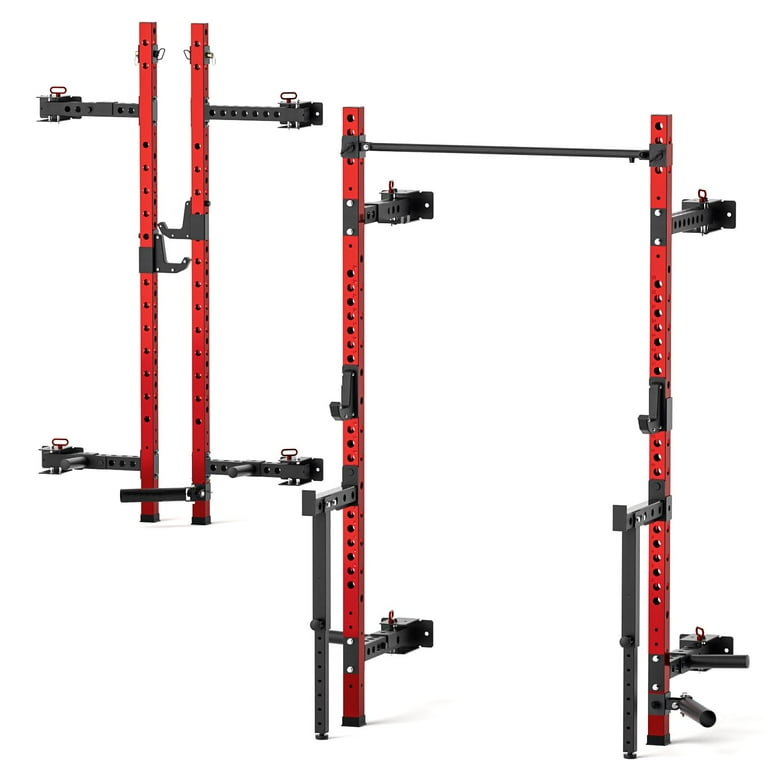
Stamina X Fortress Power Tower