

Switching your home's heating and cooling setup to an energy-efficient heat pump can be a smart long-term investment. These systems deliver year-round comfort, trim your utility expenses, and support a greener lifestyle. Before committing to a new unit, it helps to get familiar with a few essential efficiency ratings so you can balance performance and cost with confidence.
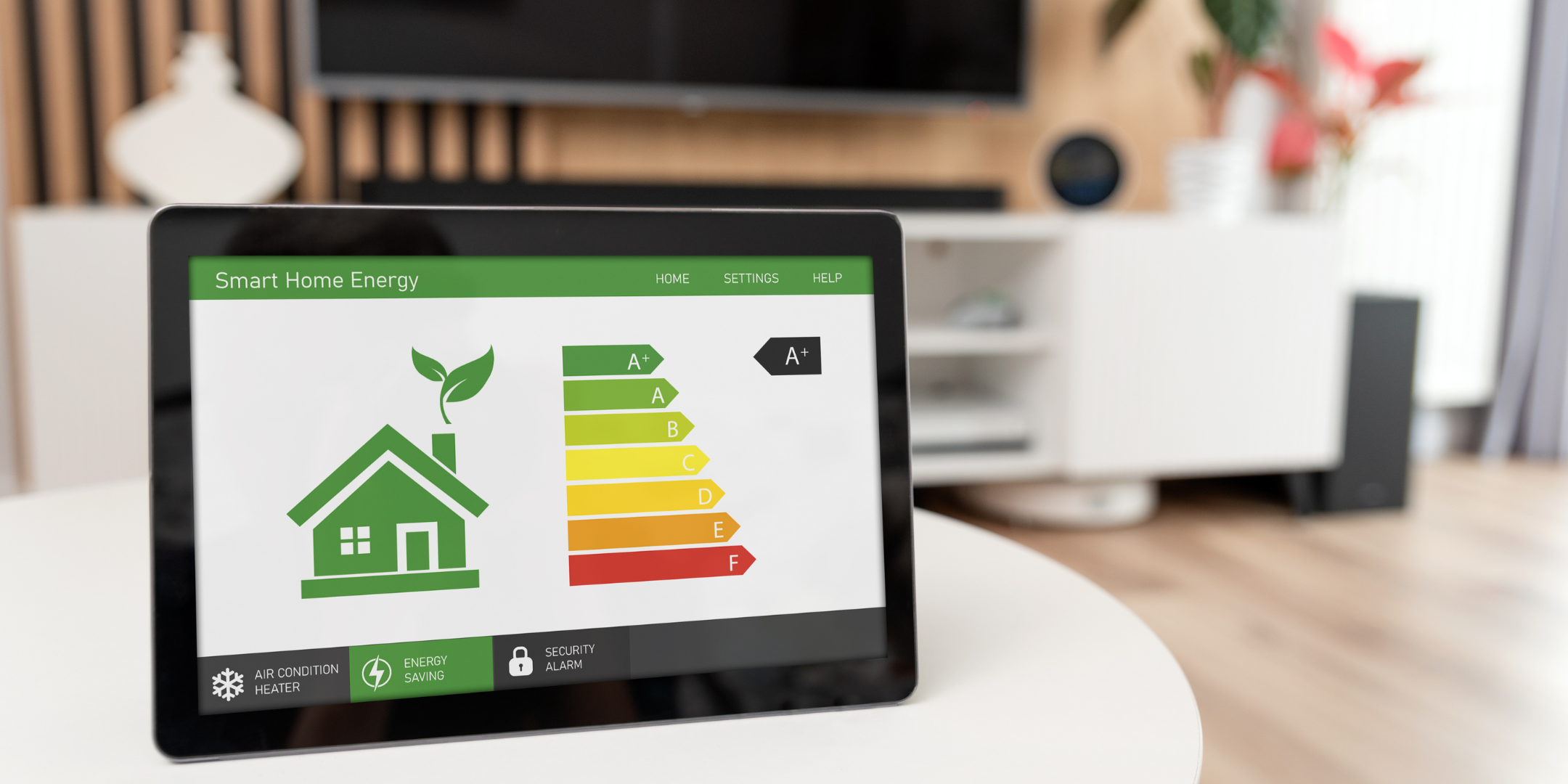 Breaking Down SEER, HSPF, and EER
Heat pumps are measured using three main efficiency benchmarks: the Seasonal Energy Efficiency Ratio (SEER), the Heating Seasonal Performance Factor (HSPF), and the Energy Efficiency Ratio (EER). Each of these ratings tells a slightly different story about how a system performs across varying conditions.
Is a Higher Rating Always the Smarter Pick?
It may feel intuitive to chase the highest numbers across the board, but the best choice depends on context. Your home's layout, your climate zone, and how often you run heating or cooling all factor into what rating makes financial sense.
For homes in areas with mild summers and winters, paying a premium for an ultra-high SEER or HSPF may not always translate into meaningful savings. The extra upfront cost could take many years to recover through reduced energy bills.
On the other hand, homeowners in regions with punishing summers or long, cold winters often see real benefits from stepping up to a higher-rated unit. In the colder parts of the country, where the heater runs for much of the year, a strong HSPF score can make a substantial difference in comfort and long-term cost.
How the Savings Actually Stack Up
One of the biggest draws of an efficient heat pump is the cumulative savings on monthly utility bills. Knowing how SEER, HSPF, and EER ratings convert into real dollars helps you judge whether an upgrade is worth it.
A Quick Savings Illustration
Picture a homeowner upgrading from an aging SEER 14 unit to a modern SEER 20 heat pump. Although the newer model carries a higher price tag, its monthly energy draw can fall by as much as 30%. If their summer cooling bill previously averaged $150, that reduction equates to roughly:
Over a decade, that's more than enough to offset the initial price gap and keep returning value long after.
Thinking About Everyday Comfort
Energy efficiency isn't just a numbers game — it directly shapes how your home feels day to day. Higher-rated heat pumps tend to deliver more even temperatures from room to room, reducing hot and cold pockets and cycling on and off less often. The result is a quieter, steadier indoor environment all year long.
If you're tired of adjusting the thermostat multiple times a day, a high-efficiency heat pump can handle that work automatically, holding a consistent temperature without constant tweaks. For families with young children, older adults, or anyone working from home, that reliable comfort can genuinely change the daily experience.
A Win for Your Home and the Environment
Beyond the financial savings and added comfort, opting for an energy-efficient heat pump is a meaningful environmental choice. Using less electricity reduces greenhouse gas emissions and supports a cleaner future. It's an upgrade that benefits your household budget while also contributing to broader sustainability goals.
- Lower monthly energy expenses
- More consistent room-to-room comfort
- Reduced carbon footprint
- Quieter operation with fewer cycles
- Long-term return on investment
 Ready to Upgrade? Explore a Trusted Option
Choosing the right energy-efficient heat pump is a significant decision, and we hope this breakdown of SEER, HSPF, and EER ratings has given you a clearer path forward. If you're looking for a reliable split system that balances performance and value, consider a proven option built for year-round residential comfort.
Dependable Comfort, Proven Efficiency
The Armstrong Air 2.5 Tons Heat Pump Split System delivers steady SEER 14 performance — a solid match for homeowners who want dependable heating and cooling without overspending on features they won't use.
Shop Armstrong Air 2.5 Ton Heat Pump