

When people ask what size air conditioner they need, the answer almost never comes down to square footage alone. Insulation quality, sun exposure, ceiling height, and even window placement all play a role. That's why we encourage buyers to look beyond rough estimates and think carefully about how their space performs in the heat of summer.
Most homes between 1,500 and 2,000 square feet fall within the range where a 2.5 ton AC system makes sense. But depending on construction quality and climate zone, the right choice might be slightly larger or smaller. Picking the correct tonnage eliminates wasted energy and keeps your system running strong on the hottest days.
Key Highlights
- A 2.5 ton system suits spaces between 1,500 and 2,000 square feet
- Correct sizing prevents high energy costs and premature wear
- Climate zone and insulation quality matter just as much as square footage
- Both homeowners and businesses benefit from a professional load calculation
- Oversizing and undersizing both lead to long-term performance problems
What Does 2.5 Tons Mean?
In HVAC terminology, a "ton" has nothing to do with weight. It measures cooling capacity. One ton equals 12,000 BTUs per hour, so a 2.5 ton system delivers around 30,000 BTUs of cooling power. That capacity is designed to handle moderate-sized residential and light commercial spaces comfortably.
The common misconception is that this capacity applies universally to any building of the same size. It doesn't. Two buildings with identical square footage can have very different cooling needs based on insulation thickness, construction materials, and regional climate.
When a 2.5 Ton System Works Best
A 2.5 ton air conditioner is ideally suited for:

Average-sized homes around 1,800 sq ft with standard ceiling heights and moderate insulation.
Office spaces with moderate occupancy that don't generate excessive internal heat loads.
Small retail shops that need steady, comfortable indoor conditions without heavy-duty commercial cooling requirements.
In all of these scenarios, the building envelope and ductwork must be able to support efficient operation. Even the best-sized system will struggle in a poorly sealed or inadequately ducted building.
What Happens if the AC Is Too Large?
Oversizing is one of the most common and costly mistakes in cooling system selection. While it might seem like a bigger unit would cool faster, the reality is the opposite — oversized systems create a cascade of problems that shorten equipment life and reduce comfort.
Problems with Oversizing
- Short cycling — system turns on and off too often
- Higher indoor humidity levels
- Wasted energy and inflated electricity bills
- Excessive wear on the compressor
Benefits of Correct Sizing
- Consistent, even cooling throughout the space
- Proper moisture and humidity removal
- Lower energy consumption over time
- Extended system lifespan
Short cycling leads to significantly higher long-term ownership costs, more frequent service calls, and a home that never quite reaches true comfort — especially in humid climates.
What Happens if the AC Is Too Small?
An undersized system comes with its own serious drawbacks. A unit that is too small will run almost continuously, driving up energy bills while still failing to bring the indoor temperature to a comfortable level. During peak summer heat, it may simply be unable to keep up — leaving occupants uncomfortable no matter how low the thermostat is set.
Buildings with poor insulation or high internal heat loads are especially vulnerable to the consequences of undersizing. The system will be under constant stress, accelerating component failure and increasing repair frequency.
Why Professional Load Calculations Matter
Rather than relying on square footage alone, HVAC professionals perform what's called a Manual J load calculation. This comprehensive process accounts for dozens of variables that generic size charts simply can't capture.
- Wall and roof insulation values
- Window type, size, and orientation relative to sun exposure
- Number of regular occupants and their activity levels
- Heat generated by appliances and electronics inside the space
- Local climate data and design temperature ranges
Getting this calculation done ensures your investment is sized correctly from day one, saving you from costly mistakes that often only become apparent after the system is already installed.
Choosing Between Split Systems and Central Air
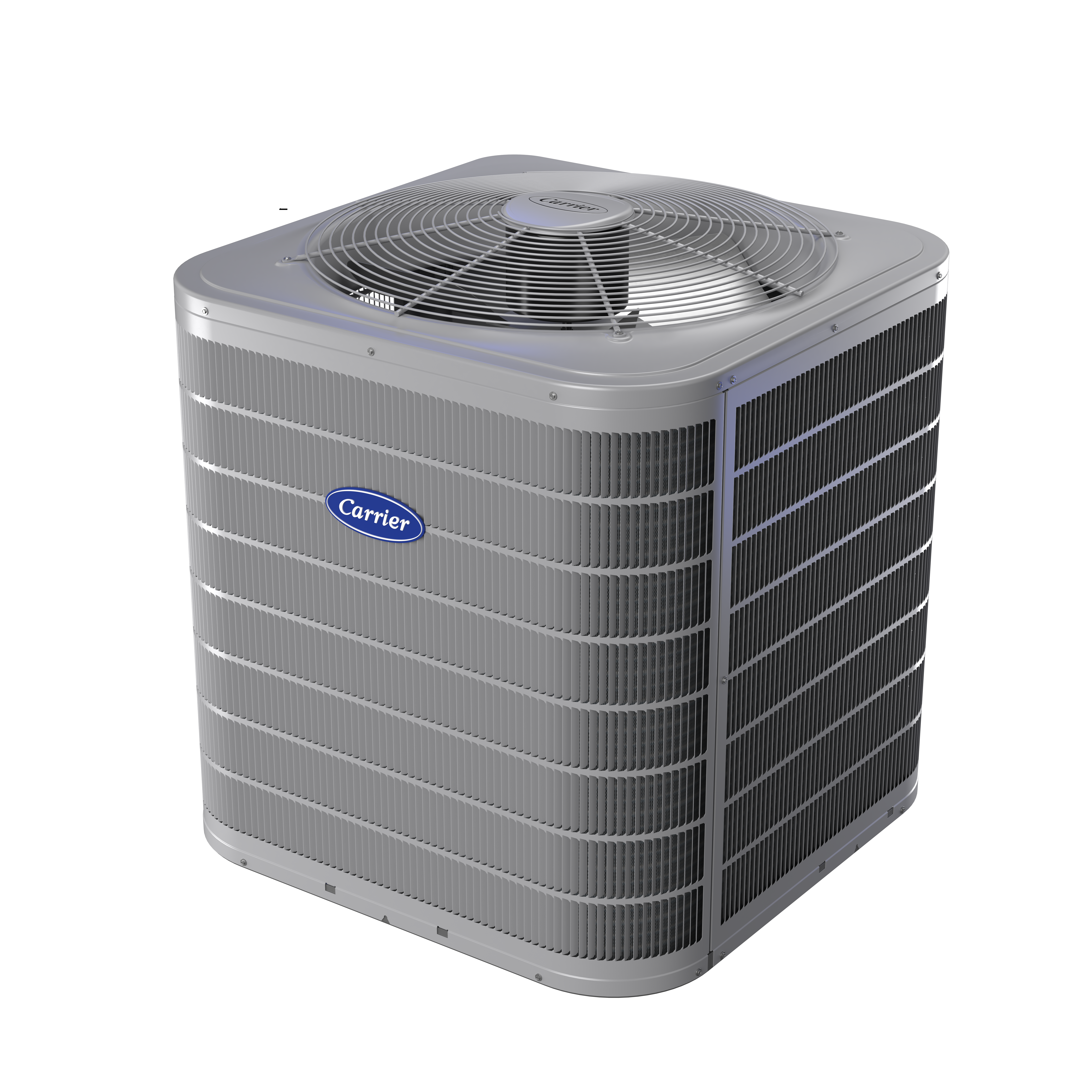
For most homeowners, a split system air conditioner is the most practical and cost-effective option. It allows for efficient cooling in standard residential layouts and smaller commercial settings. Central air systems can be a better fit for larger buildings that already have extensive ductwork in place.
Whichever system type you choose, always match the tonnage to the results of a proper load calculation — not just to a general guideline based on square footage. That single step can be the difference between a system that performs reliably for 20 years and one that causes problems within the first few seasons.
Frequently Asked Questions
What size home does a 2.5 ton AC unit cool?
Generally, a 2.5 ton system is suited for homes between 1,500 and 2,000 square feet. However, factors like insulation quality, climate zone, and building layout can raise or lower that range significantly.
Is a 2.5 ton AC enough for a business?
Yes, if the space fits within the appropriate square footage range and occupancy levels. Small offices and retail shops frequently use this size successfully, but verification through a load calculation is always recommended.
How long does a 2.5 ton AC system last?
With regular maintenance, most units last between 15 and 20 years. Lifespan depends on build quality, frequency of use, and how consistently the system is serviced.
Does AC tonnage affect energy bills?
Yes. A correctly sized system operates more efficiently and costs less to run. Both oversized and undersized systems result in wasted energy and higher monthly electricity bills.
Can I install a 2.5 ton system myself?
It is not recommended. Professional installation ensures proper refrigerant charging, ductwork compatibility, and warranty protection — all of which affect long-term system performance.
Final Thoughts
A 2.5 ton AC system is one of the most widely used sizes on the market — and for good reason. It delivers reliable, efficient cooling for a broad range of homes and small businesses. But its performance depends entirely on being matched to the right space. Before you invest, assess your building's insulation, climate zone, and layout. Don't skip the professional load calculation. The right size today means lower bills, fewer repairs, and better comfort for years to come.
Ready to Cool Your Space the Right Way?
Explore our top-rated 2.5 ton heat pump split system — engineered for efficiency, built to last, and sized for real-world performance.
Armstrong Air 2.5T Heat Pump