

Meet the Mini-Split
Ductless heat pumps — commonly known as mini-splits — are one of the most versatile climate control solutions available today. Unlike conventional HVAC systems that rely on a network of bulky ductwork, mini-splits use compact wall-mounted units connected to an outdoor compressor to deliver both heating and cooling directly where you need it.
They're easier to install, remarkably energy-efficient, and give you room-by-room temperature control that traditional central systems simply can't match. Whether you're upgrading an older home, finishing a garage, or outfitting a brand-new addition, mini-splits are worth a serious look.
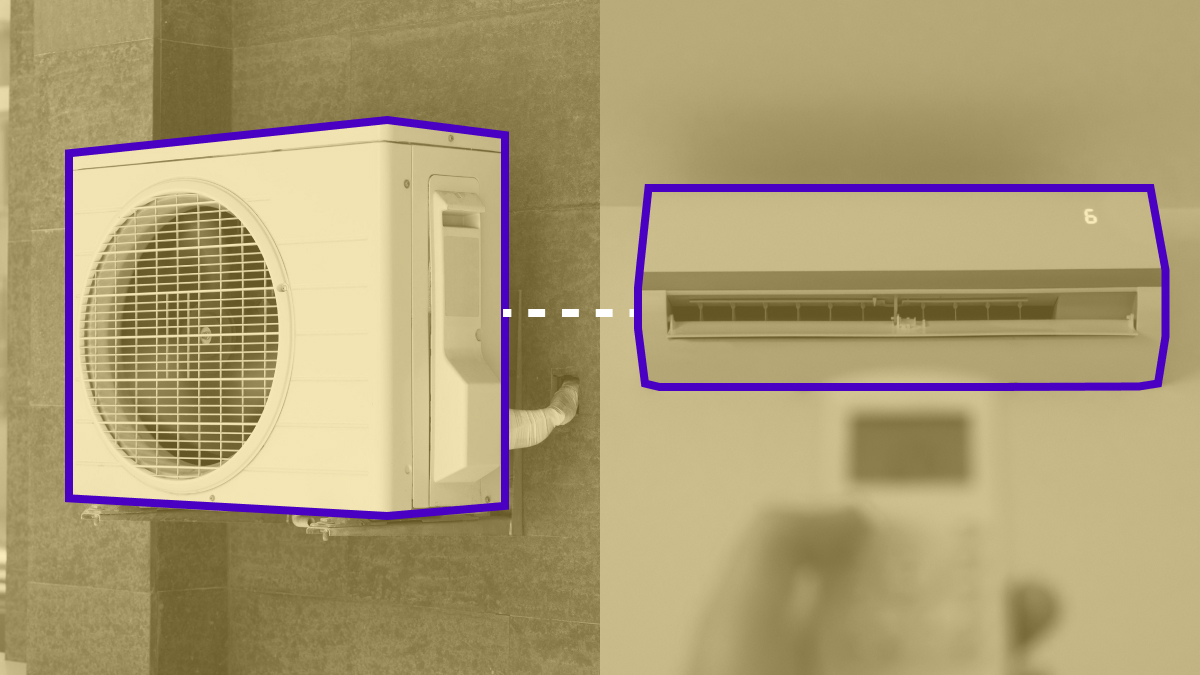
Easy to Install
One of the biggest advantages of a ductless mini-split system is how straightforward installation can be. Since there are no ducts to run through walls, ceilings, or crawl spaces, a qualified technician can typically have your system up and running in a single day. All that's needed is a small opening — usually around three inches — to connect the indoor unit to the outdoor compressor through refrigerant lines, a power cable, and a condensate drain.
Mini-splits are usually mounted high on the wall, and each indoor unit serves one room or area of your property. This makes them ideal for spaces where running traditional ductwork would be impractical or too expensive.
Personalized Temperature Control
Every indoor unit can be set to a different temperature, so if one member of your household runs hot and another runs cold, you can adjust each room's settings independently. No more thermostat battles — everyone stays comfortable in their own space.
More Efficient Than Traditional Systems
Beyond giving you greater control over room-by-room temperatures, mini-splits are significantly more energy-efficient than conventional heating and cooling methods. Because they transfer heat rather than generate it through combustion, they use between 3 to 5 times less energy than a standard furnace, baseboard heater, or boiler.
In this guide, we'll walk you through exactly how mini-splits operate, examine their key benefits, and help you decide whether a ductless heat pump is the right choice for your home or outdoor living space.
How Does a Mini-Split Work?
At its core, a mini-split operates much like a conventional air conditioner — but in reverse when you need heat. The system relies on a refrigerant cycle to move thermal energy between the indoor and outdoor environments. When cooling, it absorbs heat from inside your room and releases it outdoors. When heating, it pulls heat from the outside air (yes, even in cold weather) and delivers it indoors.
The key stages of this process include compression, condensation, expansion, and evaporation. The refrigerant circulates continuously through copper lines connecting the indoor and outdoor units, changing between liquid and gas states as it absorbs and releases heat. It's an elegantly simple concept that delivers powerful results.
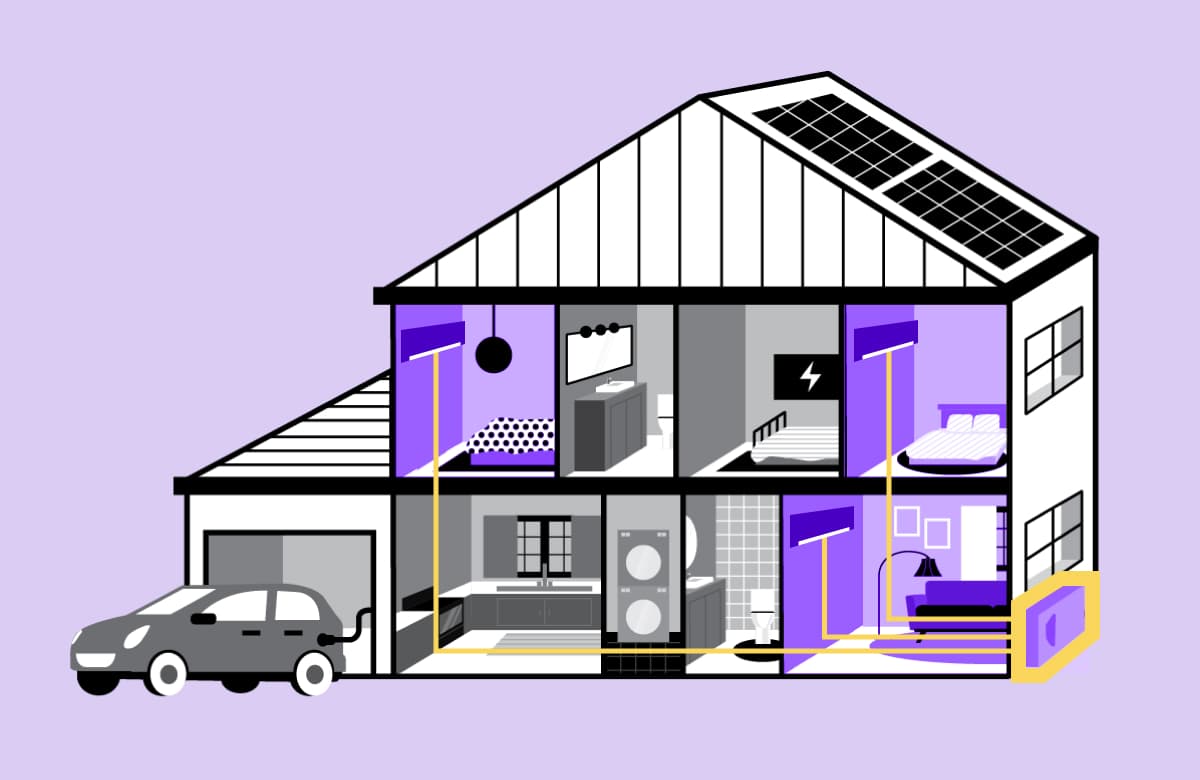
Heating & Cooling in One System
When you invest in a mini-split, you get the flexibility to choose how many "zones" or individually controlled areas you want throughout your home. You can start with a single indoor unit to cover just one room or zone, or you can outfit your entire house with multiple units to provide wall-to-wall comfort.
Installing a single zone is ideal if you're adding climate control to a space that your existing system doesn't reach — think a finished attic, a sunroom, a new home addition, a converted garage, or an outbuilding like a workshop or she-shed.
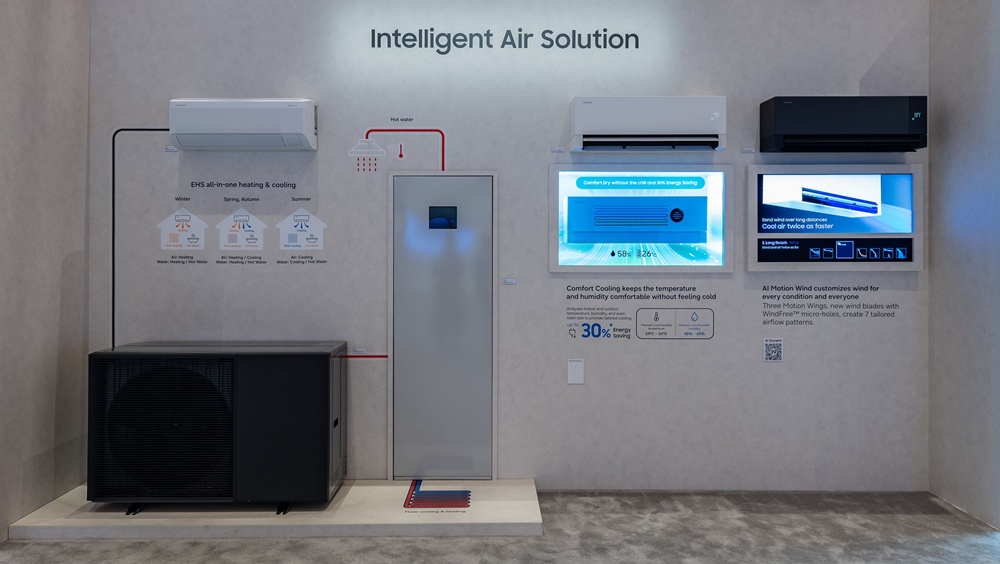
Mounting Your Indoor Unit
Because of their slim design and cable connections, indoor mini-split units can go almost anywhere in a room. The most popular option is a high wall-mounted unit, which sits near the ceiling and distributes conditioned air evenly across the space. But you also have choices like floor-mounted consoles, ceiling cassettes, and concealed ducted units that tuck away out of sight.
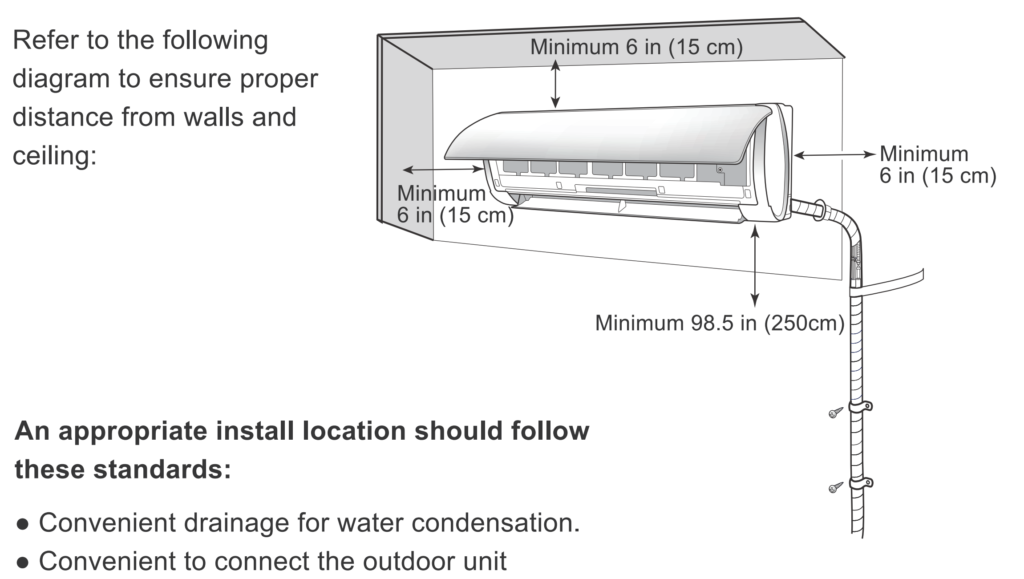
Most standard indoor units are wall-mounted. These are generally positioned about six to eight inches below the ceiling for optimal airflow. They connect to the outdoor unit through a small hole in the wall — making installation clean, quick, and minimally invasive.
Wall-Mounted
The most common type — sleek, compact, and mounted high on the wall for even air distribution across the room.
Floor-Mounted
Great for rooms with limited wall space or large windows. Sits close to the floor and heats from the ground up.
Ceiling Cassette
Recessed into the ceiling for a nearly invisible look. Ideal for open floor plans and commercial-style aesthetics.
Concealed Duct
Hidden inside a ceiling or wall cavity with only a small vent visible. Provides a completely clean look.
Benefits of Mini-Splits
A mini-split system hands you far more control over how you heat and cool your home than a traditional setup ever could. Let's break down the core advantages.
Individual Control of Each Indoor Unit
The indoor units in a mini-split system can be managed with a remote control, a smart thermostat, or even a mobile app. Rather than setting a single temperature for the entire house to follow, each unit lets you customize the climate for that specific room or zone. This is incredibly useful for households where family members disagree about the perfect temperature, rooms that only get used at certain times, and spaces with unique heating or cooling challenges like sunrooms, basements, or loft areas.
Outstanding Efficiency
Ducts are responsible for up to 30% of energy loss in a typical home, according to the U.S. Department of Energy. The cooling or heating coming from a mini-split reaches its destination directly — with virtually zero loss along the way. That means lower utility bills, a smaller carbon footprint, and more value from every dollar you spend on climate control.
Two Major Upgrades for the Price of One
In addition to cooling your home, mini-splits can also heat it — which means when you install one, you may be able to retire your furnace or baseboard heater entirely. In warmer months, your mini-split works like a traditional AC. In colder months, it reverses the refrigerant flow to pull warmth from outside and push it indoors. And unlike traditional heat pumps, modern mini-splits can handle temperatures well below freezing with impressive efficiency.
Higher-Quality Air
Central HVAC systems force air through long stretches of ductwork, picking up dust, allergens, and other contaminants along the way. Each indoor unit in a mini-split has its own built-in filter that can be cleaned or replaced easily, keeping your indoor air noticeably fresher. This is especially valuable for anyone dealing with allergies, asthma, or respiratory sensitivities.
Downsides of Mini-Splits
Potentially Higher Upfront Costs
Putting in new ducts for a central air system can be costly, but so can outfitting every room in a home with its own mini-split unit. A single-zone system can be very affordable, but multi-zone setups that cover an entire house may add up quickly. The good news is that ongoing energy savings frequently offset the initial investment within a few years.
Electrical Requirements
Mini-splits do require electrical work, ranging from straightforward jobs like running a dedicated 220V line to more complex panel upgrades. Some homeowners may need to have their electrical service evaluated before installation. It's always wise to get a licensed electrician involved early in the planning process.
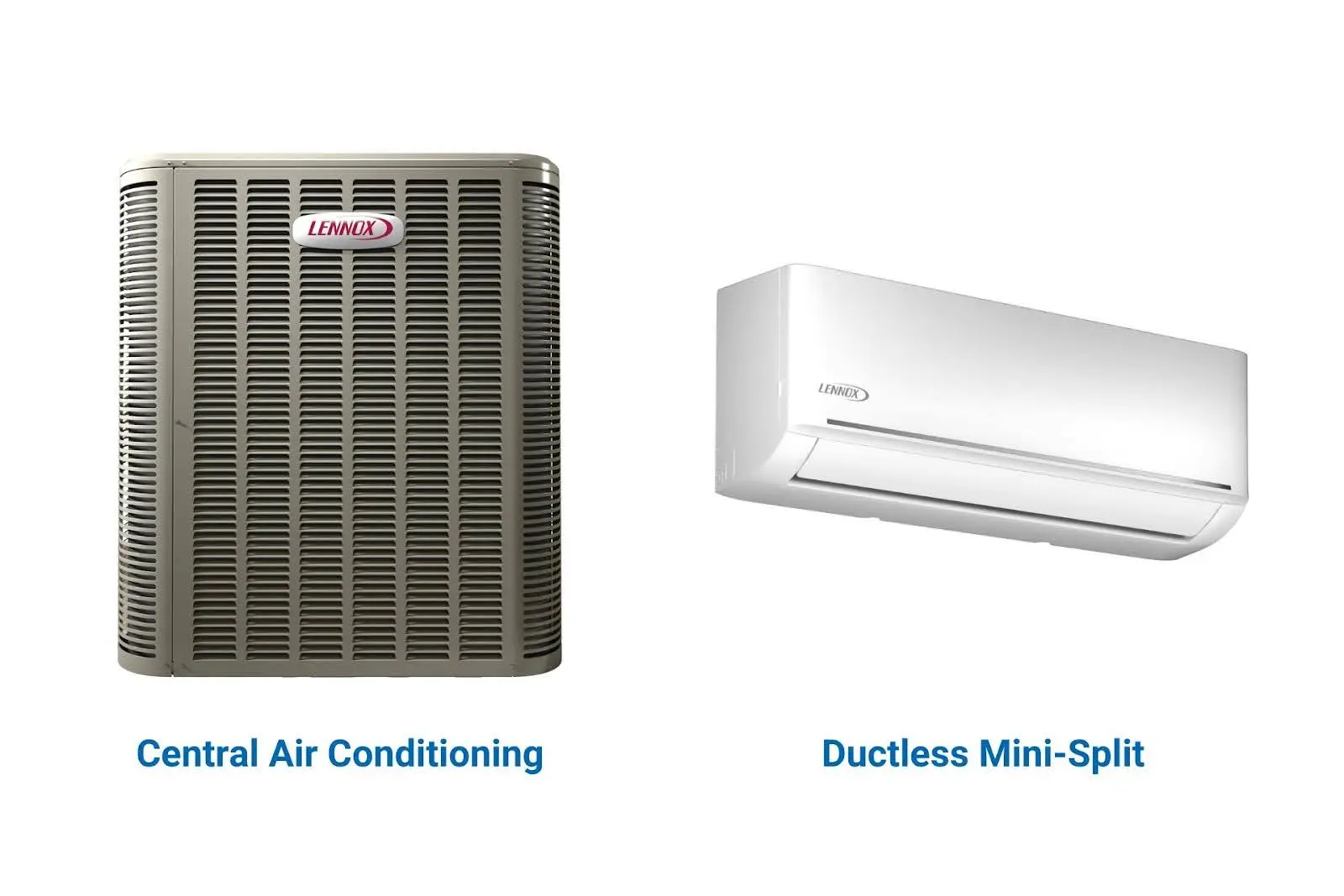
Mini-Splits vs. Central A/C
The Case for Mini-Splits
✓ More precise control over individual rooms and zones
✓ Higher efficiency and lower energy loss without ducts
✓ Heats your home up to 3–5 times more efficiently than a furnace or baseboard heater
✓ Can dehumidify your home without overcooling it
✓ Cleaner air quality in every room
The Case for Central AC
✓ Lower upfront cost if you want to cool your entire home at once
✓ Less electrical work typically required
✓ Less obtrusive aesthetics — no wall-mounted units visible
✓ Simpler to manage with one central thermostat
Frequently Asked Questions
Do I need a mini-split for every room?
Not at all. A larger indoor unit can serve an entire "zone" — meaning multiple connected rooms — not just a single space. Many homeowners start with one or two zones and expand later. That said, it's generally more efficient to place a dedicated indoor unit in each room where you want precise climate control, rather than trying to push a single unit to cover too much area.
Are mini-splits noisy?
Mini-split systems have two components — an indoor unit and an outdoor compressor. Both run very quietly. Indoor units typically generate noise levels between 25 and 45 decibels, which is comparable to a whisper or a quiet library. You'll barely notice it's running.
Can I get mini-splits in different sizes?
Absolutely. Mini-splits come in a wide range of single-zone and multi-zone configurations. You can find compact units as small as 9,000 BTU for a single bedroom, or robust multi-zone systems rated at 36,000 BTU or more that can serve an entire home. Sizing depends on your square footage, insulation quality, ceiling height, and local climate.
What maintenance does a mini-split require?
Mini-splits are relatively low-maintenance compared to central HVAC systems. The main task is regularly cleaning or replacing the air filters in each indoor unit — typically every few weeks depending on usage. You should also keep the outdoor unit clear of debris, check the condensate drain periodically, and schedule a professional inspection once a year to ensure peak performance.
Do mini-split units come in colors other than white?
Most indoor and outdoor units come in white or light neutral tones, but if you're determined to match a specific decor, some manufacturers offer additional color options. There are also aftermarket covers and decorative surrounds available that can help integrate the unit into your space more seamlessly.
Can I camouflage or cover up a mini-split?
If the look of a wall-mounted mini-split doesn't suit your aesthetic, you have options. Building a custom shelf above the unit, installing a decorative cover, or positioning furniture strategically can all help minimize its visual footprint. Just be careful not to block the air intake or output vents, as this will reduce performance and efficiency.
Ready to Upgrade Your Home Comfort?
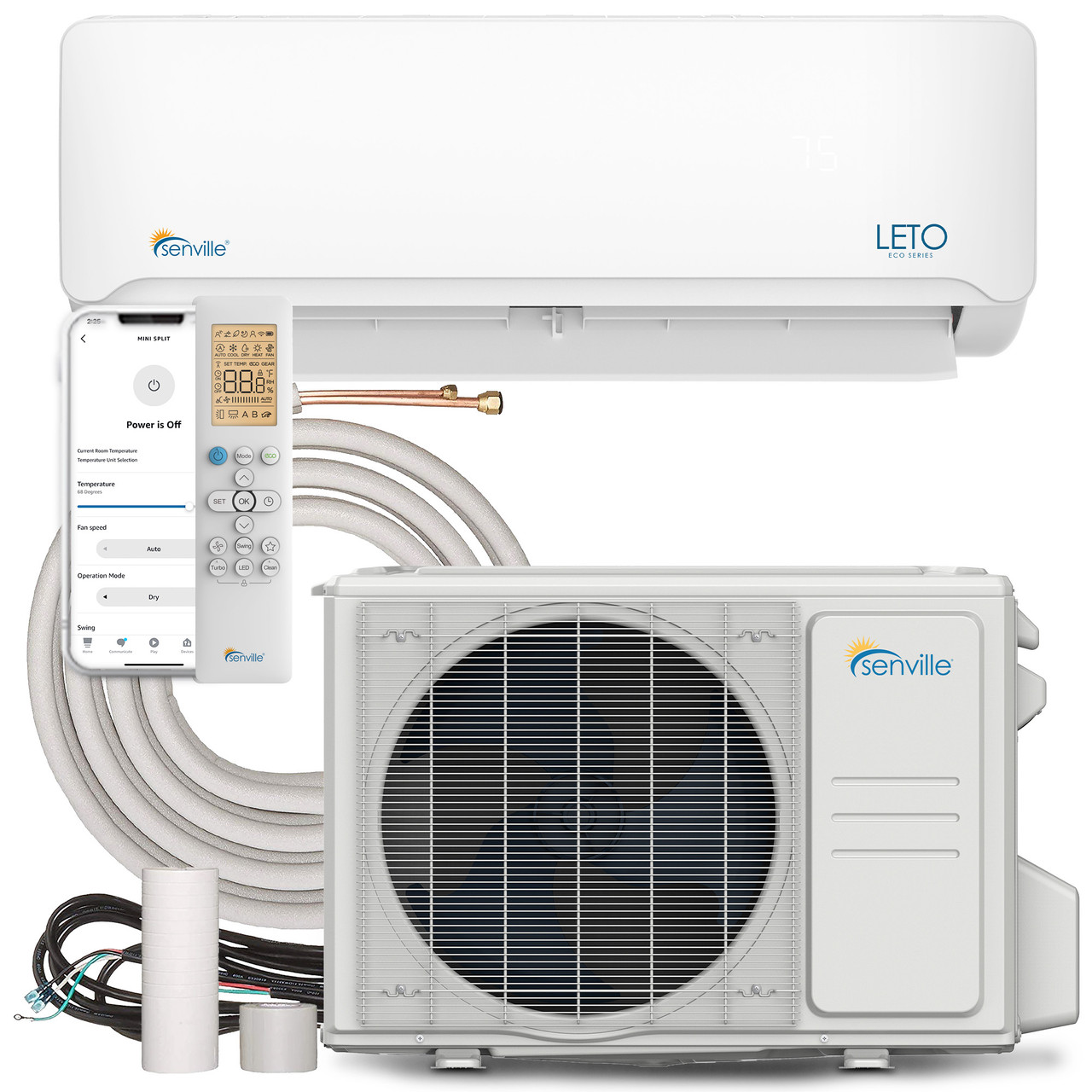
Discover the Senville LETO — powerful, efficient, and built for year-round comfort.
Senville LETO 18000 BTU Mini Split