

Your complete resource for selecting the perfect split air conditioner for any space
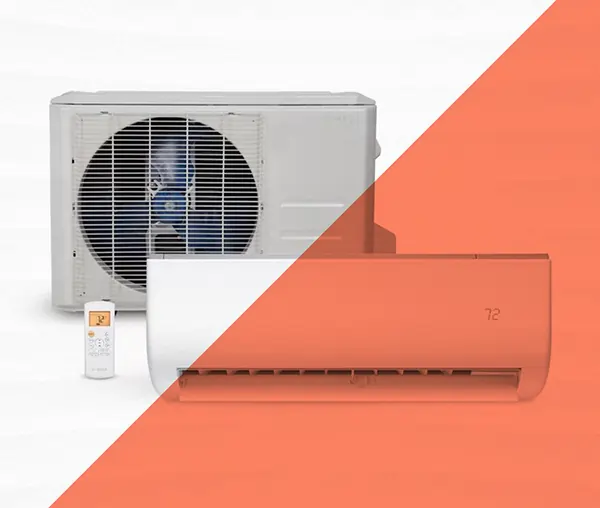
Selecting the right size for your split air conditioner is one of the most critical decisions you will make when upgrading your home cooling system. An improperly sized unit can lead to inefficient operation, increased energy bills, and uncomfortable living conditions. This comprehensive guide walks you through everything you need to know about choosing the optimal split air conditioner size for your specific needs.
Steps to Select the Appropriate Size
1Calculate the Room Size
Measure the length and width of the room where you plan to install the split air conditioner. Multiply these dimensions to get the square footage (area) of the room. The size of the room is the primary factor in determining the cooling capacity needed.
2Consider Other Factors
Take into account other factors that may affect the cooling requirements, such as ceiling height, insulation quality, number of windows, sunlight exposure, and the number of people occupying the room regularly. Rooms with higher ceilings, poor insulation, more windows, or greater sun exposure may require a larger capacity air conditioner.
3Use a BTU Calculator
BTU (British Thermal Unit) is the unit used to measure cooling capacity. You can use an online BTU calculator or refer to the general guidelines provided below to determine the appropriate cooling capacity for your space.
4Adjust for Specific Conditions
If the room is in a particularly sunny or poorly insulated area, or if it will have more occupants than usual, you may need to increase the BTU capacity by 10-20%. Consulting with a professional HVAC technician can help you assess your specific needs and recommend the most suitable size and type of split air conditioner for your space.
5Consult with a Professional
If you are unsure about the size or capacity needed, it is best to consult with a professional HVAC technician. They can assess your specific needs and recommend the most suitable size and type of split air conditioner for your space.
6Consider Energy Efficiency
While choosing the size, also consider the energy efficiency of the unit. A more energy-efficient unit may save you money on electricity bills in the long run, even if it has a higher upfront cost.
BTU Guidelines by Room Size
| Room Size (sq ft) | BTU Required |
|---|---|
| Up to 150 sq ft | 5,000 – 6,000 BTU |
| 150 to 250 sq ft | 6,000 – 7,000 BTU |
| 250 to 350 sq ft | 7,000 – 8,000 BTU |
| 350 to 450 sq ft | 8,000 – 10,000 BTU |
| 450 to 550 sq ft | 10,000 – 12,000 BTU |
| Larger rooms | May require multiple units or higher BTU capacity |
Factors to Consider When Choosing Split Air Conditioner Sizes
When selecting a split air conditioner, it is essential to consider several factors to ensure optimal cooling performance and energy efficiency.
Room Size
Measure the length and width of the room where the split air conditioner will be installed. Calculate the square footage by multiplying the length and width. The size of the room is the primary factor in determining the cooling capacity needed.
Insulation and Construction
Consider the insulation quality and construction materials of the room. Well-insulated rooms may require less cooling capacity, while rooms with poor insulation or excessive heat gain may require a larger unit.
Ceiling Height
Rooms with high ceilings require more cooling capacity to effectively cool the space. Factor in the ceiling height when calculating the cooling requirements.
Climate
The climate of your location influences the size of the split air conditioner needed. In hotter climates, you may need a larger capacity unit to handle higher temperatures and humidity levels.
Occupancy and Usage
Consider the number of people regularly occupying the room and the typical usage patterns. Rooms with more occupants or equipment generating heat may require a larger unit to maintain comfortable temperatures.
Orientation and Sun Exposure
Rooms facing south or west may receive more sunlight and heat, increasing the cooling load. Take into account the orientation of the room and the amount of sun exposure it receives when determining the size of the air conditioner.
Understanding BTU and Cooling Capacity
Understanding BTU (British Thermal Unit) and cooling capacity is crucial when selecting an air conditioner. Here is a breakdown of what you need to know.
What is BTU?
BTU is a unit of measurement used to quantify the amount of heat energy needed to raise the temperature of one pound of water by one degree Fahrenheit. In the context of air conditioners, BTU is used to measure cooling capacity. It indicates the amount of heat an air conditioner can remove from a room per hour. The higher the BTU rating, the greater the cooling capacity of the air conditioner. For example, a 10,000 BTU air conditioner can remove 10,000 BTUs of heat energy per hour from the room it is cooling.
Cooling Capacity Explained
Cooling capacity refers to the ability of an air conditioner to remove heat from a space and lower its temperature. It is measured in BTUs per hour (BTU/hr) or tons. One ton of cooling capacity is equivalent to 12,000 BTUs per hour.
The cooling capacity needed for a room depends on factors such as its size, insulation, ceiling height, sun exposure, and the number of occupants. A room with larger dimensions, poor insulation, high ceilings, or significant heat gain will require a higher cooling capacity to maintain a comfortable temperature.
Properly sizing the air conditioner ensures efficient cooling and prevents under- or over-cooling of the space. Undersized air conditioners may cycle on and off frequently, leading to inefficient operation and increased energy consumption. Undersized units may struggle to cool the room adequately, resulting in discomfort.
Common Mistakes in AC Sizing
Selecting the wrong size air conditioner can lead to various issues such as discomfort, inefficiency, increased energy costs, and premature equipment failure. Here are some common mistakes in air conditioner sizing.
Guessing or Estimating
One of the most common mistakes is guessing or estimating the size of the air conditioner needed based on the size of the room alone, without considering other factors such as insulation, sun exposure, and occupancy.
Ignoring Insulation and Construction
Failing to account for the insulation quality and construction materials of the building can result in undersizing or oversizing the air conditioner. Poor insulation increases heat gain, requiring a larger cooling capacity, while well-insulated buildings may need less cooling.
Not Considering Climate and Location
Climate and geographical location play a significant role in determining the size of the air conditioner needed. Hotter climates require larger cooling capacities to maintain comfortable indoor temperatures, while cooler climates may require smaller units.
Neglecting Load Calculation
Many people skip the load calculation process, which involves a detailed analysis of factors such as room size, orientation, occupancy, appliances, and heat gain. Without proper load calculation, it is challenging to accurately size the air conditioner.
Oversizing or Undersizing
Oversizing the air conditioner leads to short cycling, where the unit turns on and off frequently, resulting in inefficient operation, higher energy bills, and reduced comfort. Undersizing the air conditioner means it will not adequately cool the space, leading to discomfort and potential strain on the equipment.
Ignoring Energy Efficiency
Overlooking the energy efficiency rating of the air conditioner can lead to higher operating costs over time. Choosing a unit with a higher SEER (Seasonal Energy Efficiency Ratio) rating can result in significant energy savings and lower utility bills.
Consequences of Oversizing AC Units
Oversizing air conditioning units is a common mistake that can lead to various issues and inefficiencies. Here are some of the consequences of oversizing AC units.
Short Cycling: Oversized AC units cool the space quickly and reach the desired temperature faster. As a result, they frequently turn on and off, a phenomenon known as short cycling. Short cycling not only wastes energy but also puts unnecessary strain on the compressor and other components, leading to premature wear and tear.
Reduced Humidity Control: Air conditioners not only cool the air but also remove humidity from the indoor environment. Oversized units may cool the air too quickly, shutting off before adequately removing humidity. This can result in a clammy or uncomfortable indoor environment, even at lower temperatures.
Uneven Temperatures: Oversized AC units may struggle to distribute air evenly throughout the space. Certain areas may feel colder than others, leading to discomfort for occupants. This uneven cooling can be exacerbated by short cycling, as the unit may not run long enough to circulate air properly.
Higher Energy Bills: Contrary to popular belief, larger AC units do not necessarily result in lower energy bills. Oversized units consume more electricity due to frequent cycling and may not operate at peak efficiency. This can lead to higher energy bills compared to a properly sized unit that runs consistently and efficiently.
Increased Upfront Costs: Oversized AC units typically come with a higher upfront cost than properly sized units. Homeowners may end up spending more money on equipment that does not provide the expected level of comfort or efficiency.
Featured Product
Looking for the perfect split air conditioner for your space? Check out our recommended unit for medium to large rooms.
Senville AURA 18000 BTU Mini SplitConclusion
In conclusion, selecting the right size split air conditioner is essential for efficient cooling and comfort in any space. To determine the appropriate size, one must calculate the room size, consider factors such as insulation quality, ceiling height, and sun exposure, and use BTU calculators or consult with HVAC professionals.
Additionally, understanding BTU and cooling capacity is crucial in making informed decisions. Common mistakes in AC sizing, such as guessing or estimating, ignoring insulation and climate, and oversizing or undersizing, can lead to inefficiency, discomfort, and increased energy costs. Avoiding these pitfalls and focusing on proper sizing and energy efficiency can ensure optimal performance and efficiency.