

When it's time to choose an indoor air handler for your mini-split system, the market offers a handful of strong options, each carrying its own set of strengths and trade-offs. Two of the most common picks among homeowners are ceiling cassettes and wall-mounted mini-splits. In this guide, we'll walk through the advantages and drawbacks of each to help you land on the right decision for your space.
 Ceiling Cassettes
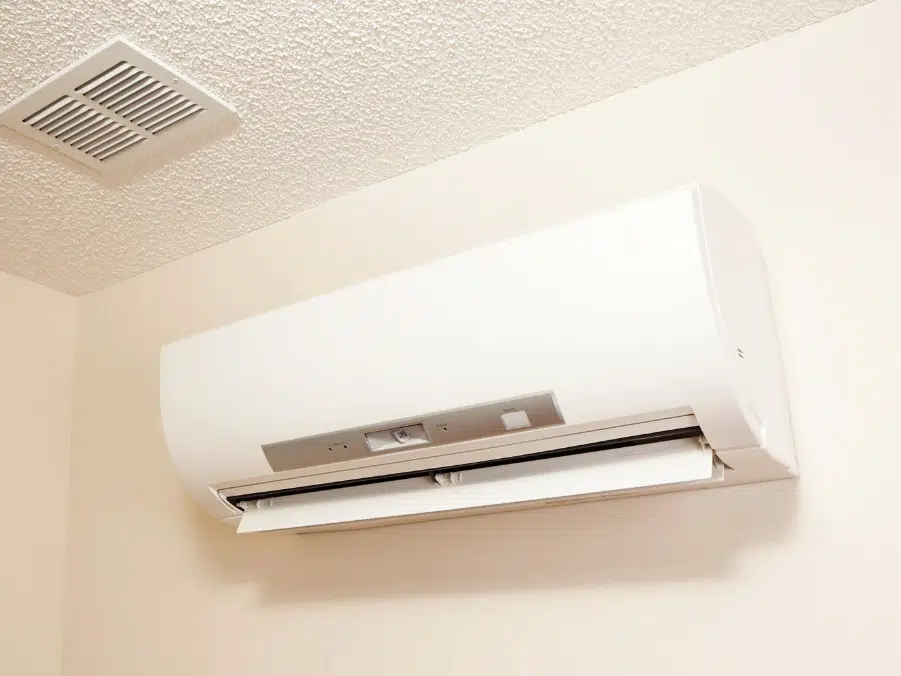
Ceiling cassettes are mounted directly into the ceiling and deliver balanced airflow in every direction across a room. Because the bulk of the unit sits hidden above, the result is a tidy, minimalist look that blends seamlessly into modern interiors. They comfortably cover larger spaces and handle both heating and cooling duties. The trade-off is that they typically carry a higher price tag than wall-mounted options and need adequate ceiling cavity space to be installed properly.
Energy Efficiency of Ceiling Cassettes
Because ceiling cassettes push conditioned air evenly in multiple directions, they're excellent at holding a steady room temperature without overworking the system. That even distribution translates directly into efficient operation, and most cassette units carry strong SEER (Seasonal Energy Efficiency Ratio) numbers. For homeowners focused on trimming monthly utility bills, this makes them a compelling long-term pick.
Maintenance of Ceiling Cassettes
Day-to-day upkeep is minimal — routine cleaning to clear dust and debris is typically all that's required. The one caveat: when something does need service, accessing a unit tucked into the ceiling tends to take longer and call for more effort than working on a wall-mounted head that's within easy reach.
Wall-Mounted Units
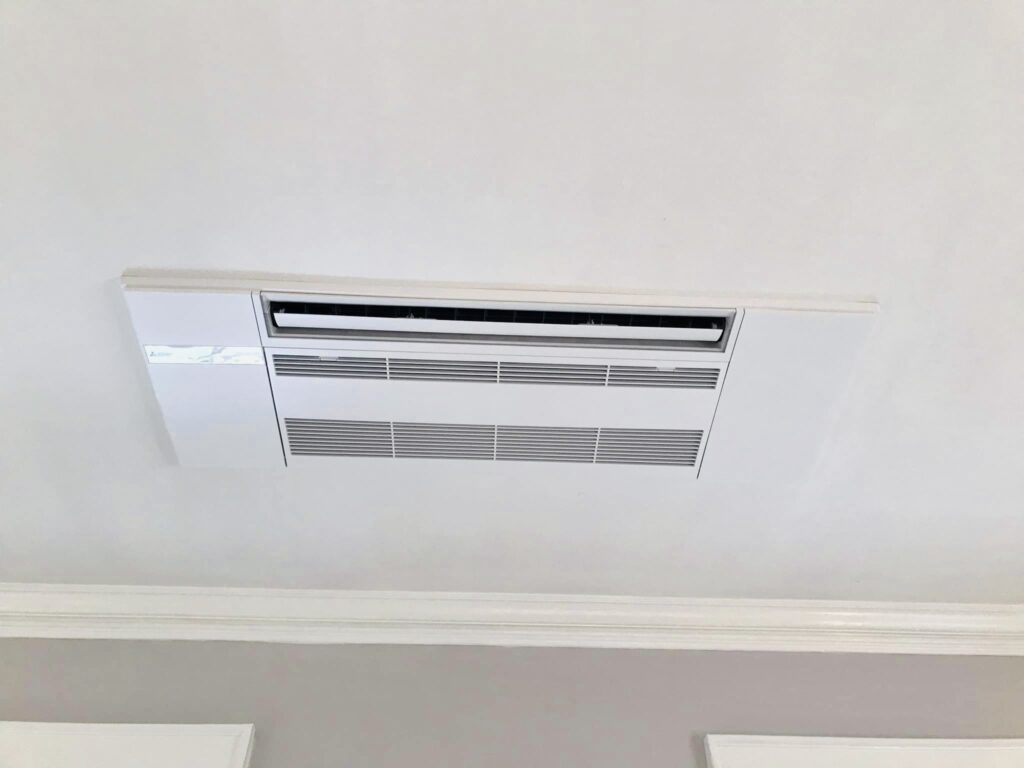
Wall-mounted mini-splits remain a favorite thanks to their lower upfront cost and a far simpler installation process. They can also be relocated with less hassle if your space ever changes. While today's wall units come in sleek, attractive designs, they sit in plain view on the wall, which makes them more visually prominent than a ceiling cassette.
Energy Efficiency of Wall-Mounted Units
Wall-mounted mini-splits hold their own on efficiency as well, with many models posting strong SEER ratings. Because they're built to condition a targeted zone rather than an entire home, they generally consume less energy than a traditional central HVAC system heating or cooling every room. That makes them a smart pick for homeowners watching their energy spend.
When weighing ceiling cassettes against wall-mounted mini-splits, the decision really comes down to a few core priorities — appearance, efficiency, and long-term maintenance. Cassettes shine for anyone chasing a clean, unobtrusive aesthetic, while wall units win for those who value straightforward upkeep and a friendlier install budget.
Quick Comparison
Aesthetics
Cassettes sit flush in the ceiling for a clean look. Wall units are visible but come in modern, attractive finishes.
Efficiency
Both deliver strong SEER ratings. Cassettes distribute air more evenly across larger rooms.
Installation
Wall units install faster and cost less upfront. Cassettes need ceiling space and more labor.
Maintenance
Routine cleaning is simple for both. Wall units are easier to service when issues arise.
Looking for a Premium Ceiling Cassette?
If a sleek, ceiling-mounted solution with powerful heating and cooling sounds like the right fit for your home, the Senville 28000 BTU Ceiling Cassette is built to deliver year-round comfort with high-efficiency performance.
Senville 28000 BTU CassetteChoosing the right indoor air handler ultimately depends on your home's layout, your comfort priorities, and your budget. When in doubt, working with a certified HVAC professional is the best way to ensure you select — and install — the system that fits your space perfectly.