

Last summer, I bought my very first home. When I first toured the property with my future partner, one of the details that caught my eye right away was the ductless mini-split heat pump system already installed throughout the house. I was genuinely excited about it. Through my work in energy efficiency, I had come to understand that heat pumps are among the most efficient ways to heat and cool a home, using less than half the electricity of conventional electric resistance heating while also delivering high-performance air conditioning. Rather than burning fuel to generate heat, they simply move heat from one place to another. Powered by renewable electricity, they become an important tool for moving away from fossil fuels altogether. Having spent time in older homes with outdated heating and no cooling at all, I knew I would much rather own a house with a modern heat pump system than have to install one from scratch.
Before settling in Vermont, I spent about five years living between Washington and Oregon, two states that have been leading the way on electrification and the switch from fossil fuels. My neighbors in the Pacific Northwest often spoke glowingly about their heat pumps, especially during increasingly intense summer heat waves when air conditioning became a lifeline. I had even rented a home equipped with a heat pump and liked it enough that owning one felt like a real perk when I was house-hunting.
Still, there was plenty I had yet to learn. I moved into my new place in the middle of a hot, humid August and wanted to get the cooling going right away. Each room has its own indoor unit. One room felt crisp and refreshing, but the rest of the house, my bedroom included, just would not cool down the same way. It took a call to the installer before I picked up my first two important lessons.

Lesson 1 Know your remote
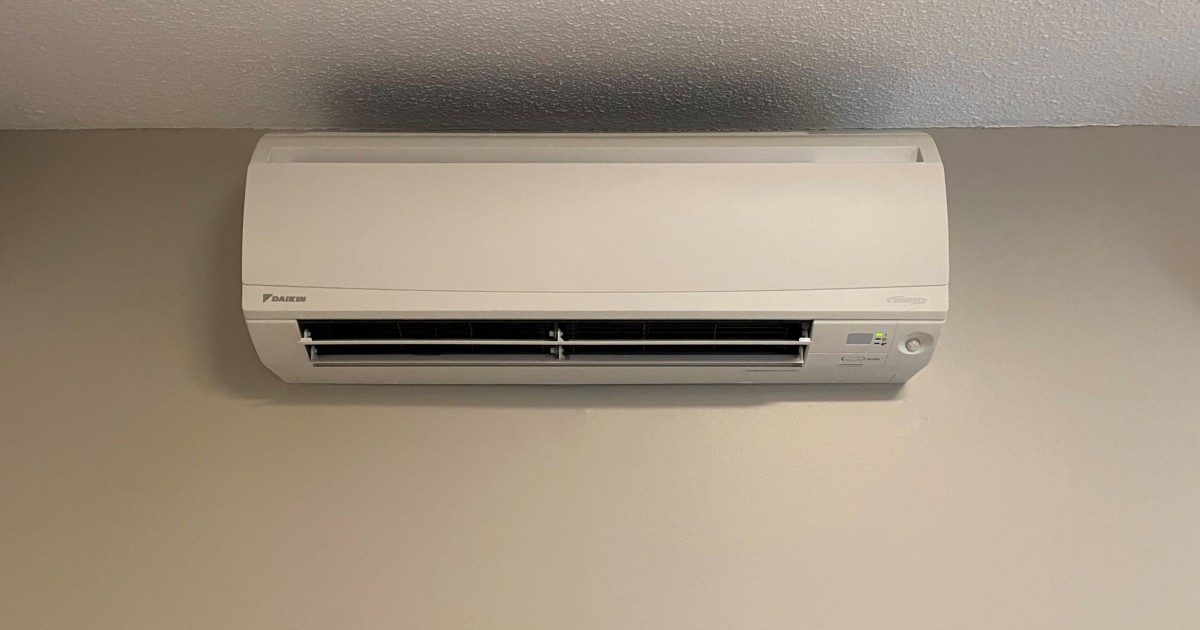
So much of what a mini-split can actually do is tucked away inside the handheld remote. Just as you eventually learn the quirks of your own TV remote, each brand of heat pump has its own interface to figure out. My rental in Washington had been a Mitsubishi system, but the unit in my new home is a Daikin. In my rush to cool down the house, I had completely missed the small sliding plastic panel on the remote. Slide it open and a full set of controls suddenly appears.
Lesson 2 Mode matters more than you think
Mini-split systems combine indoor units, sometimes called heads or air handlers, with an outdoor compressor unit. You might have two or three heads connected to the same outdoor compressor, but all of them need to be running in the same mode at once. In other words, with multiple heads tied to one compressor, you cannot have one set to heating while another is set to cooling. What you can do, however, is adjust each room's temperature independently, so you can keep a bedroom or workout space noticeably cooler than the rest of the house. This is a feature I now adore. Once I figured out that switching from heating to cooling was as simple as pressing the mode button, I watched the icon on the remote flip from sun to snowflake and felt the house transform. From that point on, I was hooked. Although some people suggest that a backup fossil fuel source is essential in the coldest climates, I made it through my first full Vermont winter entirely on heat pumps. I never felt the need to switch on the small electric resistance backup heaters built into my house.
As a new homeowner, one question stayed in the back of my mind: did these heat pumps need professional cleaning? I had read conflicting advice online, and with no idea whether the previous owner had kept up with maintenance, and knowing how much indoor air quality matters, I decided to book a professional cleaning with a local company that specializes in heat pumps. I was a little anxious about what they might discover after years of neglect, but the visit turned out to be genuinely eye-opening. The technician was knowledgeable, patient, and spent several hours cleaning every indoor and outdoor unit while also answering every question I could throw at him. Thanks to that appointment, I walked away with even more practical knowledge.
Lesson 3 Heat pumps do more than heat and cool
During the visit, the technician walked me through the correct way to use the mini-split's "dry" mode. Technically this is a cooling setting that pulls humidity out of the air by running the fan at a low speed, which means you are only able to run one dry mode head and one regular cooling head on the same compressor at a time. I already owned an ENERGY STAR® portable dehumidifier, but once I began putting the heat pumps into dry mode, the water I used to collect in the dehumidifier's tank dropped off dramatically. I noticed an impressive difference using dry mode compared to relying on the stand-alone dehumidifier alone. Even certain insects that love damp environments seem less interested in my basement now, which is a reassuring signal that mold and mildew have less to feed on. If your home has a humidity issue, consider letting your mini-split system act as a whole-house dehumidifier. The bonus is the sound, or rather the near absence of it. Mini-splits run quietly, noticeably quieter than both my dehumidifier and any window AC I have ever used.
Lesson 4 Cleaning is important, but it doesn't have to be hard
About every three months, take a minute to pop out the filters and brush the dust away. If they appear especially dirty, clean them more often. I am not particularly handy or tech-savvy, but this part of mini-split ownership feels approachable. Be careful if you use any pressure-washing tools around the outdoor unit, since the thin aluminum fins bend easily under too much force. Heat pump professionals use specifically calibrated pressure washers built for this job. Never spray chemicals into indoor or outdoor units. A yearly professional cleaning will keep your system humming and help catch any small issue before it turns into a cold-weather or heatwave emergency.
Lesson 5 Protect your heat pumps during home renovations
Many contractors, whether in HVAC or other trades, are still getting comfortable with heat pumps. If you are about to have any work done on your home, even something as routine as interior painting, take simple steps to shield the indoor units from dust and construction debris. Covering each unit with a plastic bag or a clean sheet should be enough. One of my own mini-split covers had been caulked directly to the wall for reasons I still can't explain. The technician had to detach it, but he mentioned that the unexpected things he encounters inside customers' homes are endless — from caulked-on covers to heads hidden behind built-in furniture. It's a good reminder that the real-world experience of installers, technicians, and homeowners varies widely from one property to the next.
For me personally, investing in professional cleaning was absolutely worth it. I have real peace of mind knowing I am caring for my system and making a tangible contribution to better indoor air quality, which depends on far more than the HVAC alone. Cooking, combustion, pets, moisture, and sources of pollution such as furnishings, chemical products, and even smoking habits all play a part.
For people to be genuinely happy with their heat pumps, which is essential to accelerating the transition toward electrification, they need to know how to operate them correctly and optimize their performance for a comfortable, healthy home.
Upgrade Your Home Comfort
Thinking about stepping into the world of mini-split heat pumps for your own home? The Senville AURA delivers quiet, efficient year-round heating and cooling for spaces up to 1,500 sq. ft., combining the same benefits I've come to love with modern inverter technology and ultra-low temperature performance.
Shop Senville AURA 24,000 BTUAt Backyard Provider, we're here to help you heat, cool, and live comfortably year-round with equipment built for real homes and real climates.