

If you're weighing your options for home cooling and heating, ductless mini-split systems have become a popular alternative to traditional central air conditioning. But is one really better than the other? The honest answer: it depends entirely on your home, your budget, and your priorities.
Understanding the difference between "zones" and "central" isn't just technical jargon — it directly affects your energy bills, installation costs, and day-to-day comfort. Whether you're retrofitting an older home, finishing a basement, or building new, this guide will help you make a confident, informed decision.
Why Homeowners Are Choosing Mini-Splits
Exceptional Energy Efficiency
Mini-split systems rank among the most energy-efficient options available in the HVAC industry today. They use inverter-driven compressor technology, which allows the unit to ramp output up or down based on real demand — rather than cycling on and off inefficiently. This translates to meaningful savings on utility bills month after month.
Built-In Zoning From Day One
Every mini-split installation is inherently a zoned system. Each indoor air handler operates independently, meaning your bedroom, home office, garage, or sunroom can each be conditioned separately. You're not heating or cooling unoccupied rooms — and that's a big deal for efficiency and comfort alike.
Minimal Ongoing Maintenance
Without a network of ducts to clean, seal, and inspect, mini-split systems demand less from homeowners over time. Filter cleaning is simple and can be done by virtually anyone. There's no ductwork to develop leaks, no hidden air loss, and no need for seasonal duct inspections — leaving far less work to the technician and more savings in your pocket.
Flexible Placement and Control
Mini-splits don't require ductwork, which frees you from the structural limitations that often dictate where central systems can reach. Ideal for room additions, converted garages, attic spaces, or multi-family properties, these systems are designed to go where traditional systems simply cannot. Most models also offer smart controls for remote temperature management.
A well-installed ductless mini-split can achieve efficiency ratings that far exceed those of most conventional forced-air systems — making it one of the smartest long-term investments for modern homeowners
Limitations Worth Considering
Filtration Is More Limited
Mini-split filters are effective at catching dust and basic particles, but they don't match the filtration power of a whole-home central system paired with a high-efficiency filter or air purifier. For households with severe allergies or respiratory sensitivities, standalone air purifiers may need to supplement the system. That said, add-on air purifiers and UV units are available for many mini-split brands.
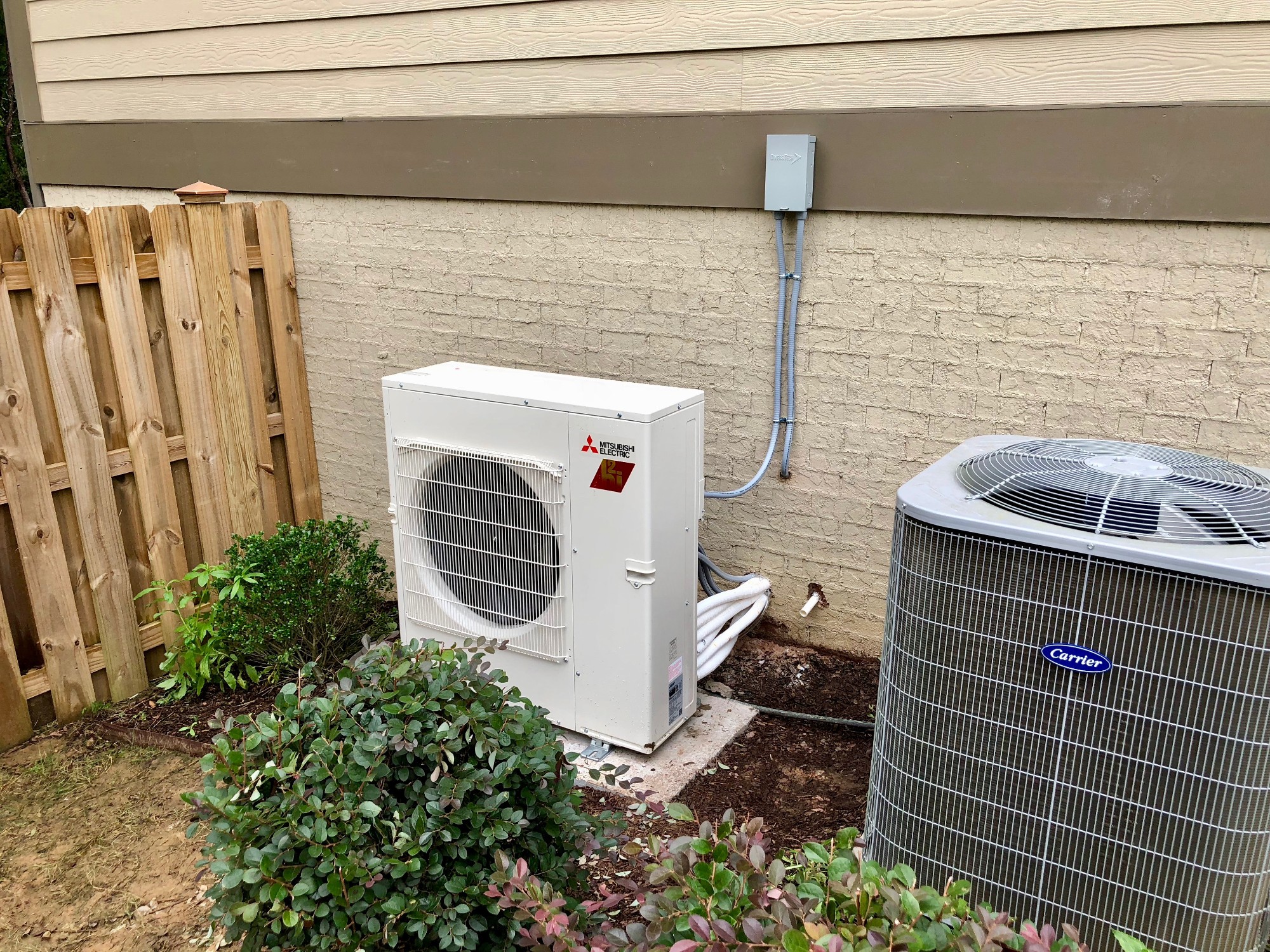
Drainage Requirements
All mini-splits produce condensate as a natural byproduct of cooling. Proper drainage must be planned during installation — whether via gravity drainage, a condensate pump, or routing to an exterior drain. When not addressed correctly, moisture buildup can become a problem. A qualified installer will assess your setup and ensure drainage is handled properly from the start.
Higher Upfront Investment Per Zone
For whole-home coverage across many rooms, the per-zone cost of mini-splits can add up faster than installing a single central system. However, multi-zone systems — where one outdoor unit powers several indoor heads — help reduce that cost significantly. Many homeowners find the long-term efficiency savings offset the initial price within a few years.
Routine Maintenance Still Required
Mini-splits require less maintenance than ducted systems, but they're not maintenance-free. Coils should be professionally cleaned periodically, refrigerant levels should be checked, and outdoor units need to be kept clear of debris. Skipping annual service can lead to reduced performance and shortened equipment lifespan.
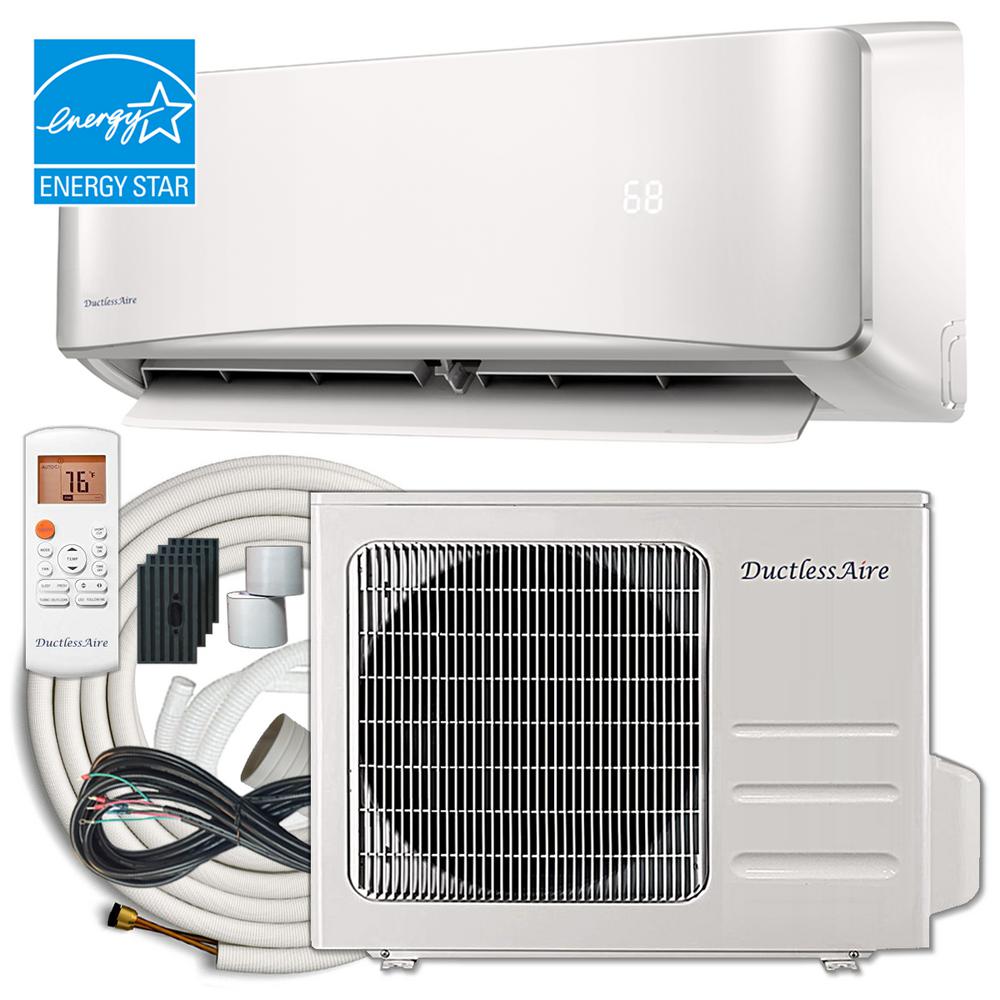
The Case for Central Air
Central air conditioning has been the dominant home comfort solution for decades — and for good reason. When a home already has ductwork in place, upgrading or replacing a central system is often the most cost-effective path forward. Here's a clear-eyed look at what central systems do well, and where they fall short.
| Factor | Central Air | Ductless Mini-Split |
|---|---|---|
| Upfront Cost (existing ductwork) | Lower | Higher per zone |
| Upfront Cost (no ductwork) | Much Higher | Lower |
| Energy Efficiency | Moderate | High |
| Zoned Comfort | Limited (add-on required) | Built-in |
| Air Filtration | Excellent (whole-home) | Room-level |
| Installation Disruption | Low (with ducts) | Low |
| Maintenance Complexity | Moderate (duct cleaning) | Simple |
| Aesthetic Impact | Minimal (vents only) | Visible indoor units |
Central systems shine when ductwork already exists and whole-home uniform comfort is the priority. Mini-splits win when efficiency, zoning flexibility, or a duct-free installation is needed.
Lower Initial Cost — If your home is already equipped with ducts, a central system replacement is typically less expensive up front than installing multiple mini-split zones. This is especially true for larger homes with many rooms to condition.
Superior Whole-Home Filtration — A central system draws all the home's air through a single filtration point. Paired with a high-MERV filter or a built-in air purifier, it can dramatically reduce allergens, dust, mold spores, and other airborne particles across every room simultaneously.
Integration With Existing Infrastructure — Central systems work alongside your home's existing ductwork and thermostat wiring. Integrating smart thermostats and whole-home air quality monitoring is typically straightforward and well-supported.
Temperature and Zoning Limitations — Without a zoning control panel added to the system, central air delivers the same temperature to every room simultaneously. Occupants in different rooms often disagree on comfort, leading to thermostat conflicts and wasted energy heating or cooling empty spaces.
Higher Utility Bills Over Time — Because central systems condition the entire home at once and are less efficient by design, monthly utility costs tend to run higher than with a well-managed zoned mini-split system — particularly in homes where only portions of the space are regularly occupied.
Which System Should You Choose?
If your home already has ductwork and budget is your primary concern, a central system replacement is a practical choice. But if you're after long-term efficiency, flexible zoning, or a duct-free installation for a new addition or renovation, a ductless mini-split is almost certainly the smarter investment. Either way, the right system is the one that fits your home's unique layout, your household's habits, and your long-term comfort goals. Our team at HB Home is here to help you find exactly that.
Senville 36K BTU Dual Zone Mini-SplitThis article is intended as a general educational resource. HVAC needs vary based on home size, climate, insulation, and local codes. Always consult a licensed HVAC professional before making installation decisions.