

Dual-zone mini-split systems have become a go-to solution for homeowners who want efficient, flexible climate control without the cost and complexity of traditional ducted HVAC. But with so many options on the market, how do you know if a dual-zone unit is genuinely the right fit for your space? This guide covers everything — from how these systems work and who they are best suited for, to installation considerations, cost factors, and what to expect from a professional setup.
Key Takeaways
- Dual-zone mini-split systems offer efficient simultaneous heating and cooling across two independent areas of your home or office.
- These systems eliminate the energy losses associated with traditional duct-based HVAC, often reducing monthly energy bills considerably.
- Installation is far less invasive than installing ductwork — most setups require only a small wall penetration for the refrigerant line.
- A professional assessment helps you confirm proper system sizing, placement, and configuration for your specific needs.
- Dual-zone units are an excellent solution for open-plan homes, multi-room offices, and properties where temperature preferences vary by occupant.
What Is a Dual-Zone Mini-Split Heat Pump?
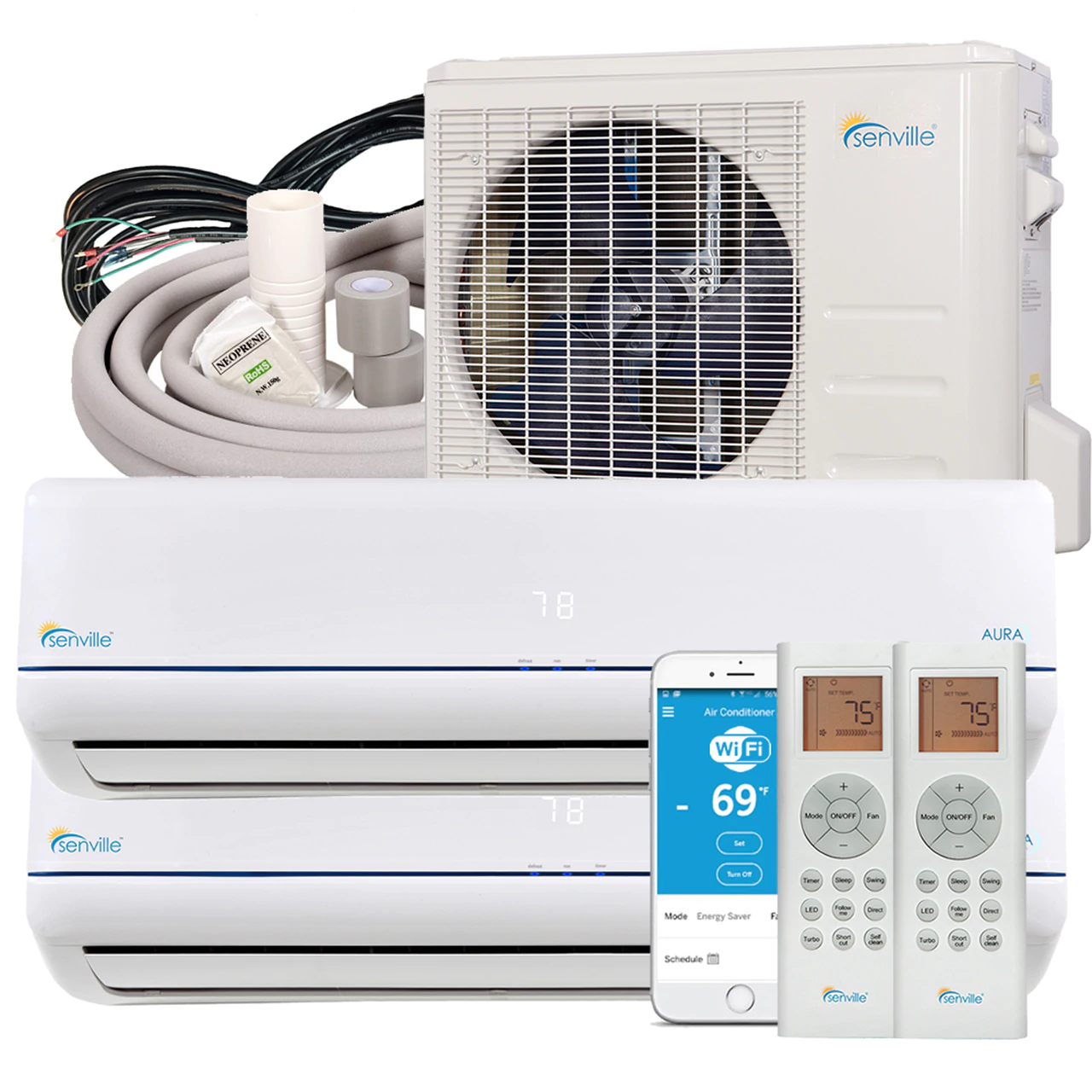
A dual-zone mini-split heat pump is a ductless climate control system that connects a single outdoor condenser unit to two independent indoor air handlers. Each indoor unit operates as its own zone, allowing occupants to set entirely different temperatures in two separate rooms or areas simultaneously — all managed from one compact, energy-efficient outdoor unit.
Unlike conventional HVAC systems that push conditioned air through a shared duct network, mini-split systems deliver heating and cooling directly to each zone. There is no energy lost in transit, no shared thermostat compromises, and no need to tear apart walls to run ductwork. For homes and offices with varied comfort needs, the dual-zone configuration offers a level of precision and flexibility that traditional systems simply cannot match.
Is a Dual-Zone Mini-Split System the Right Choice for You?
Before committing to any HVAC system, it is worth taking a step back and assessing how well it aligns with your living situation, usage habits, and priorities. Here are some of the most important questions to consider:

Consulting with an HVAC specialist before purchasing a dual-zone mini-split system is always a worthwhile step — particularly for larger or more complex installations. A qualified professional brings a depth of knowledge that goes beyond what product specifications can tell you.
Accurate System Sizing
A professional can assess your room dimensions, insulation quality, sun exposure, and local climate to recommend the correct BTU capacity for each zone — preventing the inefficiency of an oversized or undersized system.
Optimal Unit Placement
Indoor unit placement has a significant impact on airflow distribution and comfort. A seasoned installer can identify the best mounting positions to maximize coverage and avoid dead zones.
Electrical Compatibility
Dual-zone systems have specific electrical requirements. A professional ensures your existing panel and wiring are compatible, and arranges any necessary upgrades before installation begins.
Permit & Code Compliance
Many jurisdictions require permits for mini-split installations. A licensed contractor handles the paperwork and ensures your installation meets all local building codes and safety standards.
Can You Install a Dual-Zone Mini-Split Yourself?
Some homeowners with a strong mechanical aptitude and prior DIY experience choose to self-install mini-split systems — and in certain cases, this can be a viable option. However, it is important to go in with realistic expectations about what the project involves.
 eeding.
What to Expect When Paying for a Dual-Zone Mini-Split System
The cost of a dual-zone mini-split installation varies depending on the brand, BTU capacity, number of indoor units, and whether you opt for professional installation. Here is a general breakdown of what to budget for:
| Cost Component | Typical Range | Notes |
|---|---|---|
| Dual-zone system unit | $900 – $2,500+ | Varies by BTU capacity and brand |
| Professional installation | $800 – $2,000 | Depends on complexity and local labour rates |
| Electrical upgrades (if needed) | $200 – $800 | Panel upgrades or dedicated circuit additions |
| Permits and inspections | $50 – $300 | Varies by municipality |
| Annual maintenance | $100 – $250/year | Filter cleaning, coil inspection, refrigerant check |
While the upfront investment is real, most homeowners find that the energy savings over the system's lifespan — typically 15 to 20 years — more than justify the initial cost. Many utility providers also offer rebates for ENERGY STAR certified mini-split installations, which can meaningfully reduce your net expense.
Ready to Experience Dual-Zone Comfort?
A dual-zone mini-split heat pump gives you precision, efficiency, and year-round control — all from one elegantly engineered system. Explore our top-rated model below and take the first step toward a smarter home climate.
Our Top Pick: Senville 36,000 BTU Dual Zone Mini-Split
A powerful, energy-efficient dual-zone system engineered for whole-home comfort. Quiet operation, smart controls, and proven reliability — all in one complete package.
Senville 36K BTU Dual Zone MiniBackyard Provider: Your Partner in Dual-Zone Mini-Split Solutions
At Backyard Provider, we take pride in offering carefully selected heating and cooling systems that genuinely perform. Our range of ductless mini-split units is curated for quality, efficiency, and value — so you can shop with confidence knowing every product meets our high standards.
Whether you are outfitting a two-bedroom apartment, a home office setup, or a multi-room living space, our team is here to help you find the system that fits your needs and your budget. Explore our full collection today and discover why thousands of homeowners trust Backyard Provider for their climate control needs.