

Everything you need to know about ductless mini splits — ratings, performance, sizing, and the top picks for your home.
Finding the ideal home climate solution has never been more accessible — and mini split systems sit at the top of the list for homeowners who value efficiency, flexibility, and quiet operation. Whether you're cooling a single room or conditioning your entire home zone by zone, understanding what to look for makes all the difference between a great investment and a frustrating one.
The ductless mini split market was worth billions of dollars in recent years, and it's grown considerably since — driven by smarter technology, stricter energy standards, and a sharp increase in homeowners choosing to ditch expensive duct systems altogether.
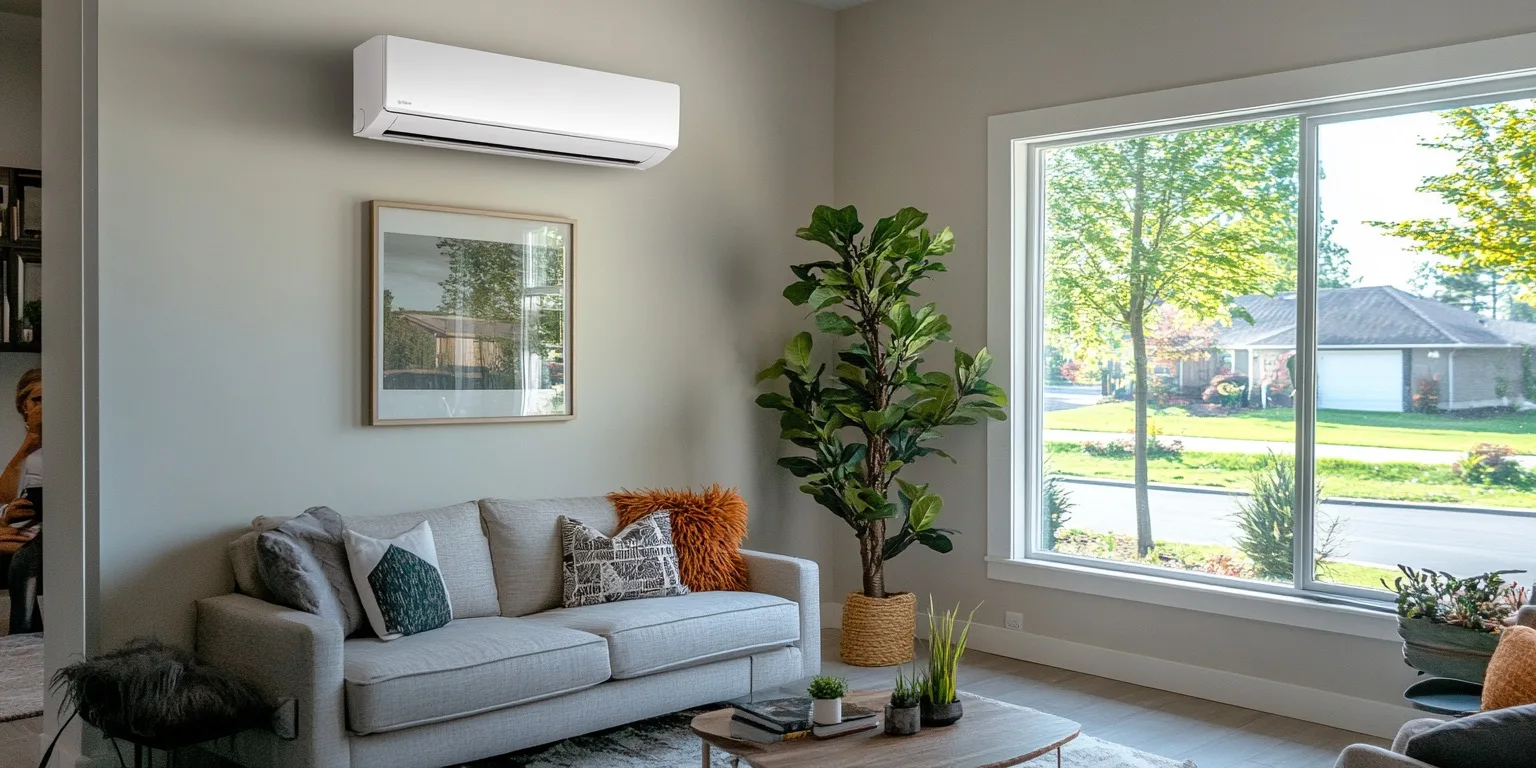
What the Mini Split Market Has to Offer
Today's mini split landscape is packed with options that span a wide range of price points, capacities, and feature sets. From ultra-quiet bedroom units to powerful multi-zone systems that can serve an entire floor plan, the variety is impressive — but that same variety can make choosing the right unit feel overwhelming.
Here's what matters most before you buy:
Inverter Technology
Variable-speed compressors adjust output continuously — keeping temperatures steady while using far less energy than traditional on/off systems.
No Ductwork Required
Installation is clean and non-invasive. A small hole in the wall connects the indoor and outdoor units — no tearing up ceilings or walls.
Multi-Zone Flexibility
One outdoor compressor can power multiple indoor heads in different rooms, each controlled independently for personalized comfort.
Year-Round Use
Heat pump models cool in summer and heat in winter, often operating efficiently well below freezing temperatures.
How Does a Ductless Mini Split Actually Work?
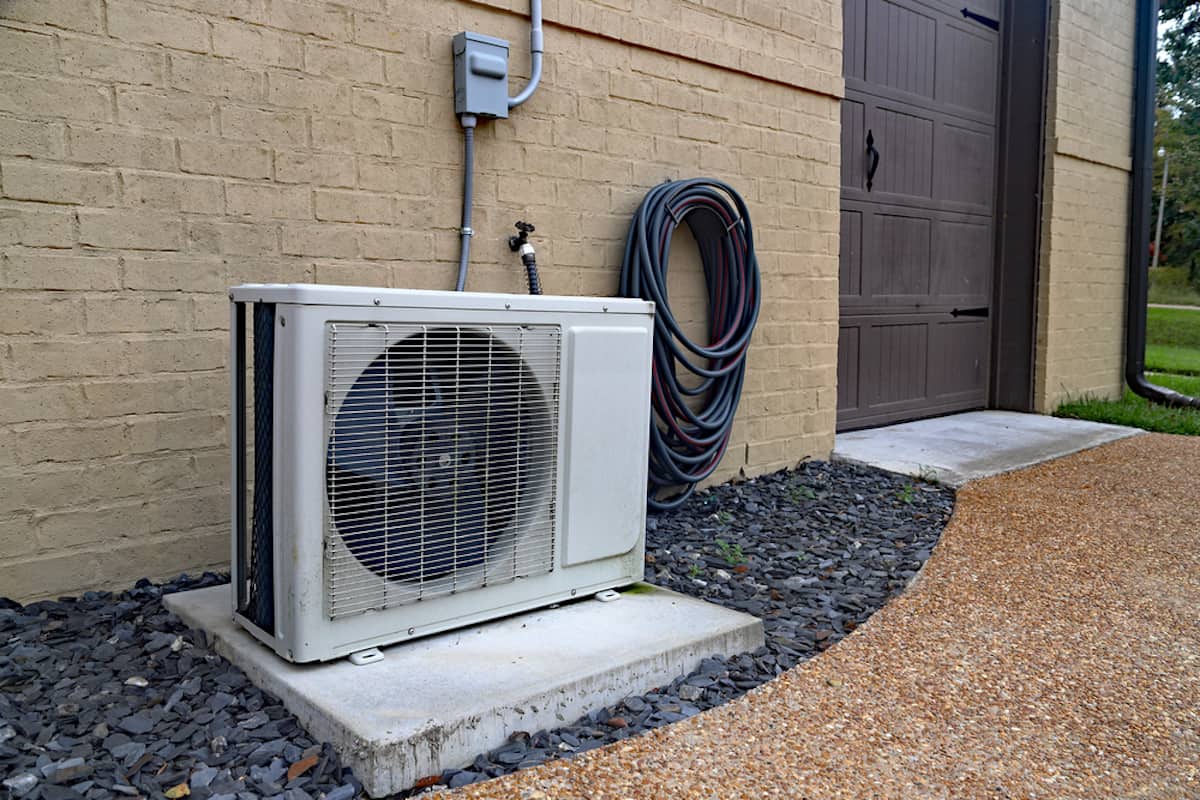
At its core, a mini split transfers heat rather than generating it. In cooling mode, the indoor unit absorbs warm air from your space, transfers that heat to refrigerant, and the outdoor compressor expels it outside. In heating mode, the process reverses — heat is extracted from outdoor air (even in cold weather) and brought inside. This heat transfer process is what makes mini splits so dramatically more efficient than electric resistance heating or window units.
Understanding SEER, EER, and HSPF Ratings
Efficiency ratings can look like alphabet soup, but they're some of the most important numbers to understand when evaluating a mini split system. Here's what each one actually tells you:
| Rating | What It Measures | Higher Is Better? |
|---|---|---|
| SEER | Seasonal cooling efficiency over an entire season | Yes — aim for 16+ for great savings |
| EER | Cooling efficiency at peak conditions (95°F outside) | Yes — important in hot climates |
| HSPF | Heating efficiency over an entire heating season | Yes — aim for 8.5+ for heat pump models |
| SEER2 | Updated SEER standard with real-world test conditions | Yes — newer, stricter standard |
SEER (Seasonal Energy Efficiency Ratio) measures how efficiently a unit cools over an entire season. A SEER rating of 20 or higher is considered premium — these units use significantly less electricity than standard models. HSPF (Heating Seasonal Performance Factor) applies to heat pump models and works similarly on the heating side.
Sizing Your Mini Split for Peak Performance
Getting the size right is arguably the single most important decision in the buying process. An oversized unit will short-cycle — turning on and off too frequently — leading to humidity problems, uneven temperatures, and premature wear. An undersized unit will run constantly and never quite keep up on the hottest or coldest days.
To calculate your ideal BTU range, multiply your room's square footage by approximately 25. Then adjust upward for high ceilings, significant sun exposure, or spaces that are poorly insulated. For an open-plan layout, factor in the entire connected area — not just individual rooms.
Choosing Between Single-Zone and Multi-Zone Systems
Single-Zone Systems
One outdoor compressor paired with one indoor head. The most straightforward and budget-friendly option — ideal for a bedroom, home office, studio, garage, or addition where one dedicated unit makes the most sense.
Multi-Zone Systems
One outdoor compressor connects to two, three, four, or more indoor heads. Each zone operates independently. Perfect for whole-home conditioning or buildings where running separate outdoor units isn't practical.

In a multi-zone setup, each indoor unit — called an air handler — can be set to a different temperature. This is a major advantage for households where family members have different comfort preferences, or for homes with rooms that heat and cool unevenly. In most cases, a multi-zone system offers better long-term value than installing separate single-zone units per room.
- Single-zone systems are typically easier and cheaper to install
- Multi-zone setups reduce outdoor equipment clutter significantly
- Each indoor head in a multi-zone system can be turned off independently
- Multi-zone systems require careful capacity matching at purchase
- Both types are available with Wi-Fi, heat pump, and inverter options
What to Look for in a Single-Zone System
If you're narrowing it down to a single room or space, here's what separates a great single-zone unit from an average one:
- Noise level: Look for indoor units rated below 40 dB — quieter than a typical conversation
- SEER rating: A rating of 18 or above qualifies for substantial utility savings over time
- Smart features: Wi-Fi connectivity and app control add genuine day-to-day convenience
- Auto-restart: Automatically resumes last settings after a power outage
- Filtration: Multi-layer filters with washable designs cut long-term maintenance costs
- Low-temp heating: If you're in a colder region, look for rated operation to at least -13°F
What to Look for in a Multi-Zone System
Multi-zone systems reward careful comparison shopping. Not all multi-zone setups perform equally when multiple heads are running simultaneously — this is where capacity planning matters most.
- Total capacity: The combined BTU of all indoor heads should not exceed the compressor's rated output
- Simultaneous operation: Confirm the compressor maintains performance with all zones active
- Head variety: The best systems let you mix and match wall-mount, floor-mount, and cassette-style heads
- Independent control: Each zone should have its own remote or smart control capability
- Warranty coverage: Look for at least 5 years parts and compressor warranty across the full system
Senville 36,000 BTU Dual Zone Mini Split
Air Conditioner & Heat Pump — SENA/36HF/D · Powerful dual-zone comfort for larger spaces