

Hidden Buildup Is Costing You Comfort
Conventional air conditioners require regular professional maintenance to perform at their best. Left unchecked, the interior of your unit becomes a breeding ground for dust, mold, and bacteria — all of which degrade air quality and shorten the life of your system.
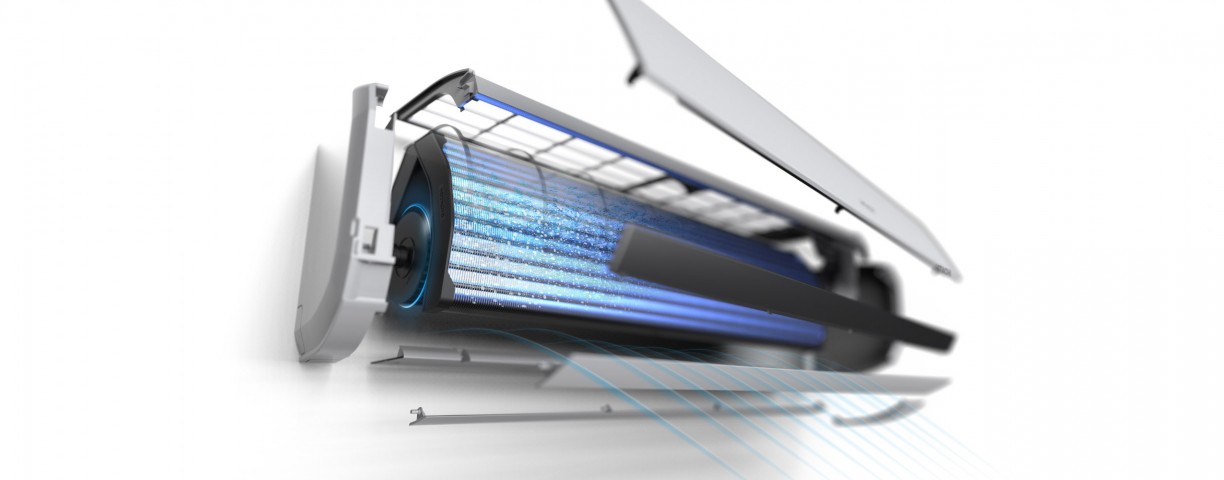
Our featured self-cleaning mini split technology was engineered to address this directly. By using a smart freeze-and-flush cycle, it removes contaminants automatically, reducing mold and bacteria presence inside the coil by up to 99%.
How Self-Cleaning Works
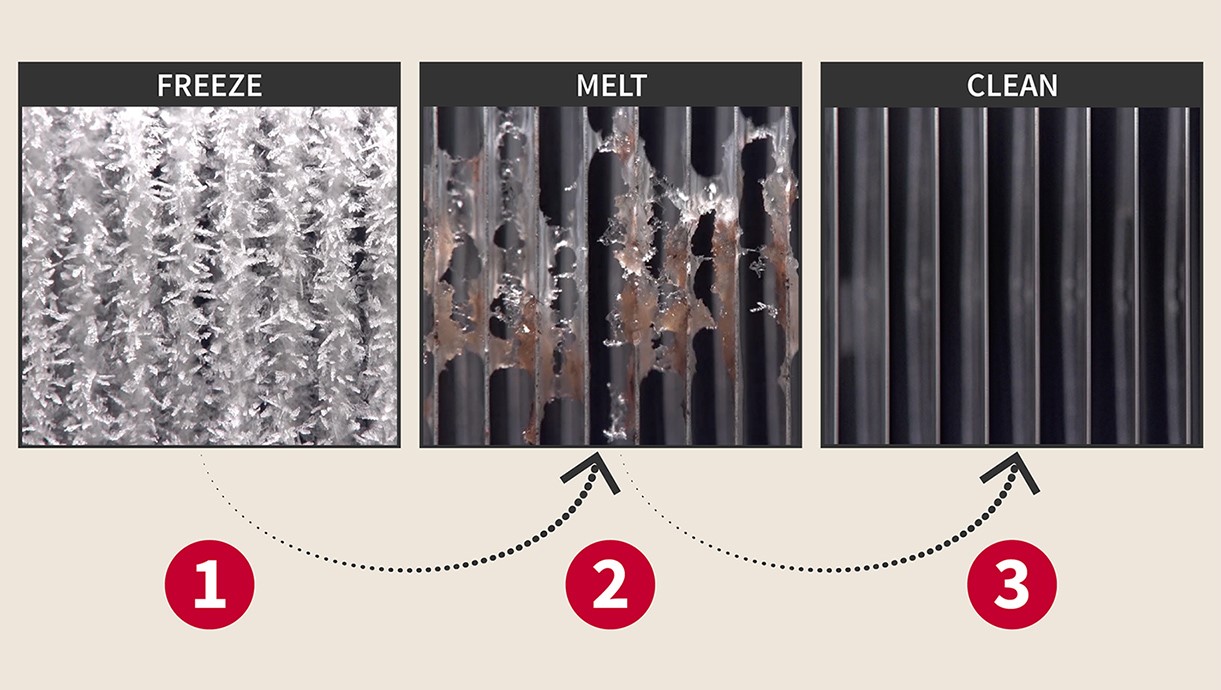
Three precise stages work together to flush contaminants from your system automatically.
Freeze
The heat exchanger is rapidly cooled, causing dust particles and debris to freeze and bind to the coil surface.
Melt
The frozen layer thaws in a controlled cycle, detaching fine particles and contaminants from the coil surface.
Clean
Condensation flushes the loosened dust, mold, and bacteria hygienically out of the unit — automatically and effortlessly.
Three Powerful Benefits in Every Cycle
Self-cleaning technology delivers more than a cleaner unit — it improves your environment in ways you can feel.
Cleaner Unit, Cleaner Air
Without self-cleaning, dirt accumulates continuously on the interior panels — creating natural humidity that accelerates mold and bacteria growth.
With regular self-cleaning cycles, lab tests show the removal of over 99% of bacteria and 96% of mold from the coil surface. When air circulates through a clean coil, the quality of air in your room is measurably improved.
Say Goodbye to Odors at the Source
Noticed a stale smell when your AC first turns on? That's the mold growing inside your unit releasing spores into the airstream every time the fan runs.
Self-cleaning eliminates that mold before it can cause problems, stopping bad odors at their source — not just masking them.
Sustained Airflow, Year After Year
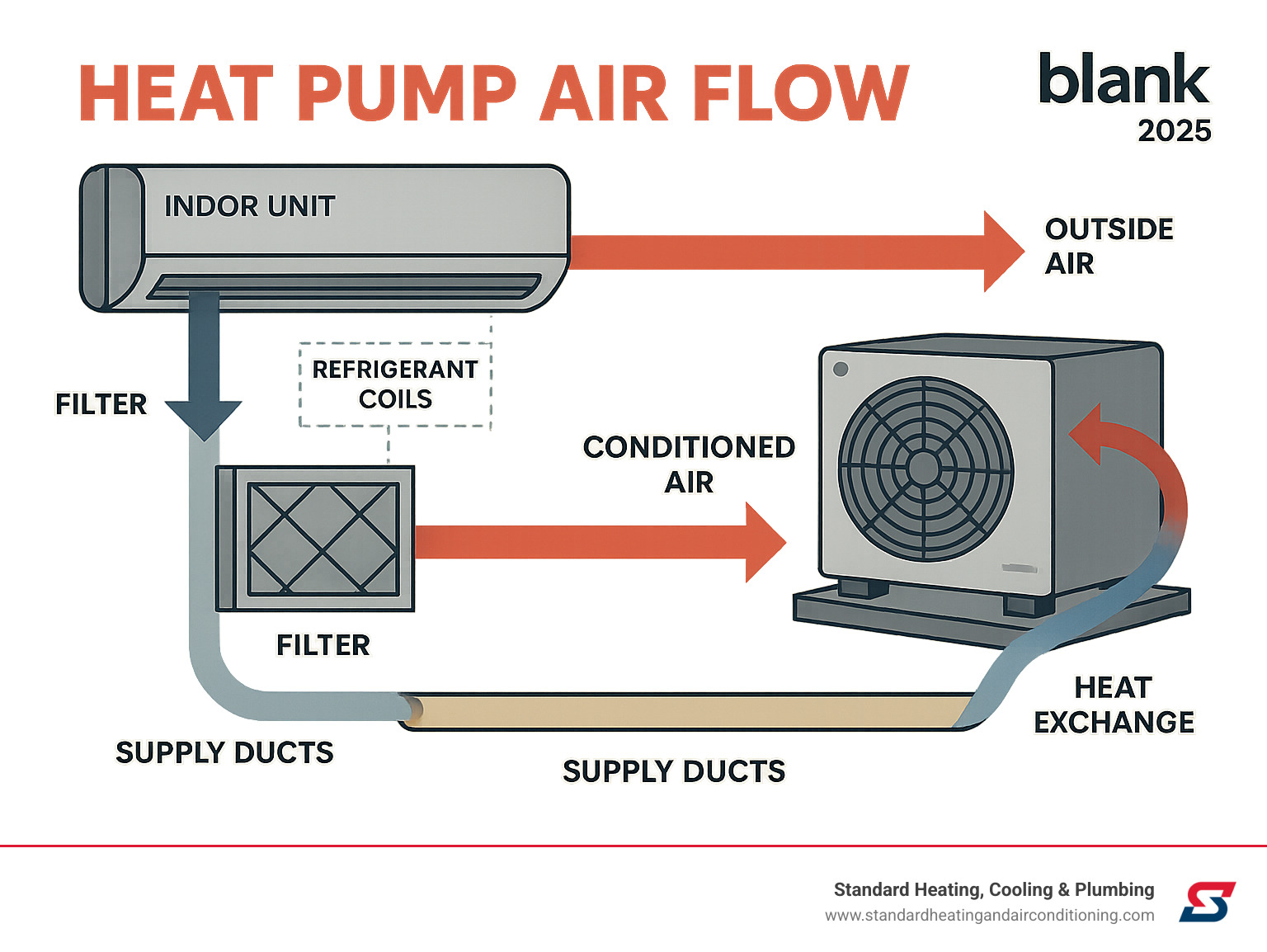
Over time, dirt on the heat exchanger restricts airflow — meaning your system works harder and costs more to run the same room.
By keeping the coil clear, self-cleaning technology preserves the unit's original airflow capacity, maintaining efficiency performance well above units without this technology.
Save on Professional Maintenance Costs
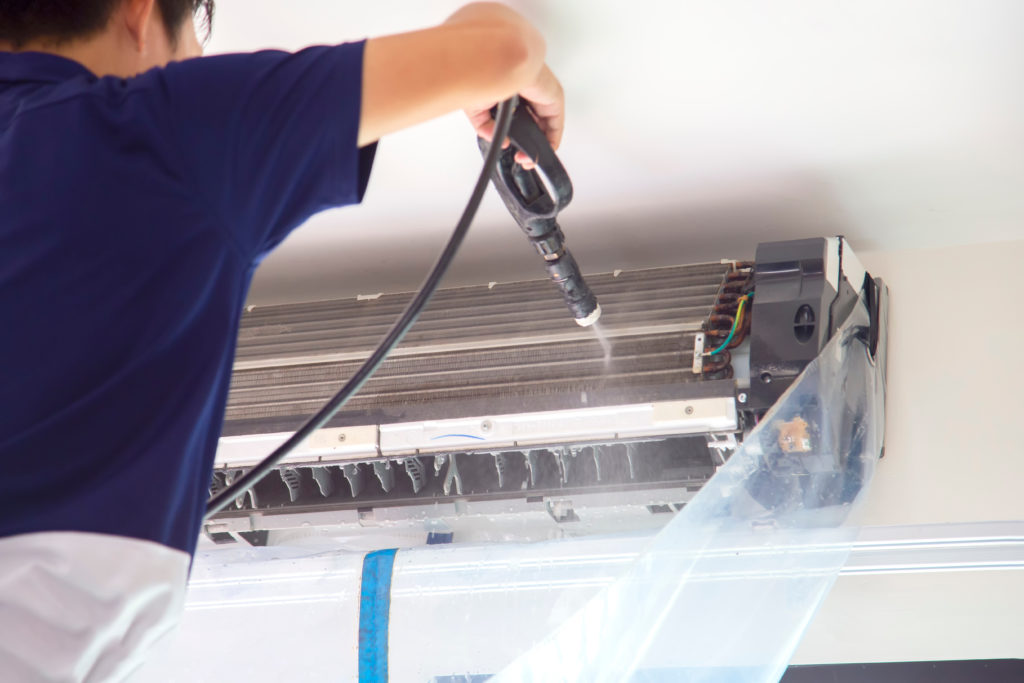
Thanks to the self-cleaning cycle, your mini split can maintain its interior without routine professional servicing. No more scheduling annual deep cleans just to keep the air in your home safe to breathe.
Homeowners who invest in self-cleaning technology consistently report lower long-term maintenance costs — and a system that feels just as fresh in year five as it did in year one.
Engineered for Every Home
After pioneering self-cleaning heat pump technology, modern manufacturers have expanded the concept across their entire product range. Today, self-cleaning is available for ducted systems, standard wall-mounted units, and next-generation models with enhanced performance.
In some variants, self-cleaning for outdoor units mirrors the same freeze-and-flush cycle on the condenser — handling the part of the system most exposed to the elements.
Self-Clean 1.0
The original self-cleaning cycle. Freezes and flushes the indoor coil to remove dust, mold, and bacteria automatically.
Outdoor Self-Clean
Applies the same technology to the condenser coil — protecting the outdoor unit from dirt accumulation and weather-related buildup.
Self-Clean 2.0
Adds a pre-freeze phase before the melt cycle, allowing slight heating of the heat exchanger surface to soften even stubborn deposits before flushing.
Ready to Breathe Cleaner Air at Home?
The Senville AURA 18,000 BTU Concealed Duct Mini Split brings powerful, efficient climate control to your home — engineered for lasting performance and indoor air quality you can trust.
Senville AURA 18K BTU Mini SplitPerformance data referenced in this article is based on laboratory testing conditions. Individual results may vary based on installation environment, usage frequency, and local air quality. All efficiency and air quality figures are comparative benchmarks and not guaranteed outcomes. Consult your installation professional for unit-specific guidance.