

Everything you need to set up, play, and master ping pong in your own space — from room dimensions to training equipment.
Why Table Tennis Belongs in Your Home
Table tennis is one of the most versatile backyard and indoor recreational sports you can bring home. It demands almost no outdoor real estate, can be enjoyed by all ages, and delivers a surprisingly intense workout wrapped in pure fun. Whether you're transforming a garage, basement, or a spare room, this guide covers everything you need to know before your first serve.
Before you buy a table or move a single piece of furniture, there are a few fundamentals worth understanding: the official dimensions of a regulation table, how much surrounding space you actually need for comfortable play, and which equipment upgrades will take your game to the next level.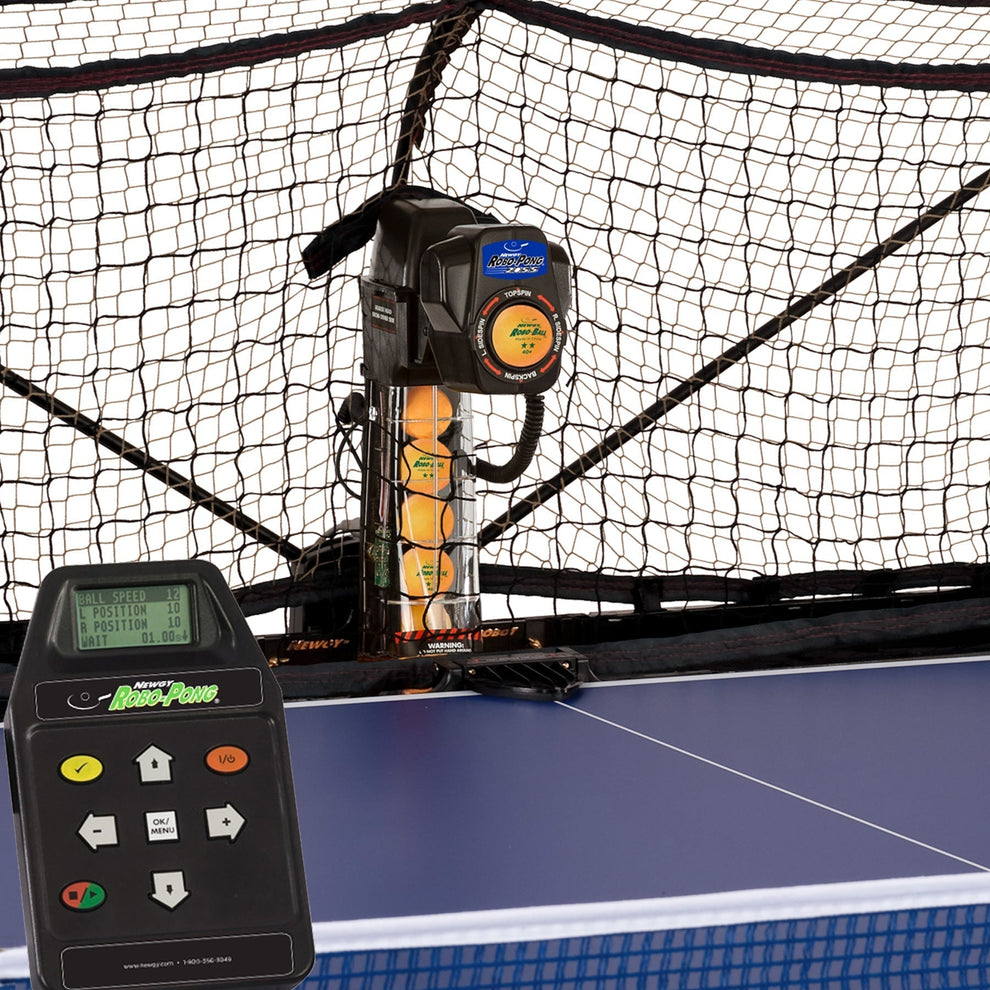
Official Table Dimensions
A regulation table tennis table measures 9 feet long × 5 feet wide × 2.5 feet tall (274 cm × 152.5 cm × 76 cm). The playing surface is divided by a 6-inch-high net running the full width. These measurements are standardized by the International Table Tennis Federation (ITTF) and apply to all competitive play worldwide.
The table surface itself is typically a dark green or blue matte finish designed to maximize ball visibility and provide consistent, predictable bounce. The white sidelines, end lines, and center line marking the service zones are each 2 cm wide and are included within the stated dimensions.
6 in / 15.25 cm
How Much Room Do You Really Need?
The table itself is only part of the space equation. Every player needs adequate room behind and alongside the table to move, recover, and return shots without bumping into walls or furniture. How much space depends primarily on the level of play you have in mind.
Recreational Play
For casual, social play between family members or friends, you can get away with a room approximately 17 ft × 11 ft (5.2 m × 3.35 m). This provides roughly 4 feet of clearance behind each end of the table and 3 feet on each side — enough to enjoy the game without feeling cramped on every big shot.
Intermediate & Competitive Play
If you plan to practice seriously, work on footwork, or host competitive matches, the recommended room size increases to 22 ft × 14 ft (6.7 m × 4.3 m). This gives each player 6–7 feet of run-back space and enough lateral room to execute wide-angle returns and multi-ball training drills comfortably.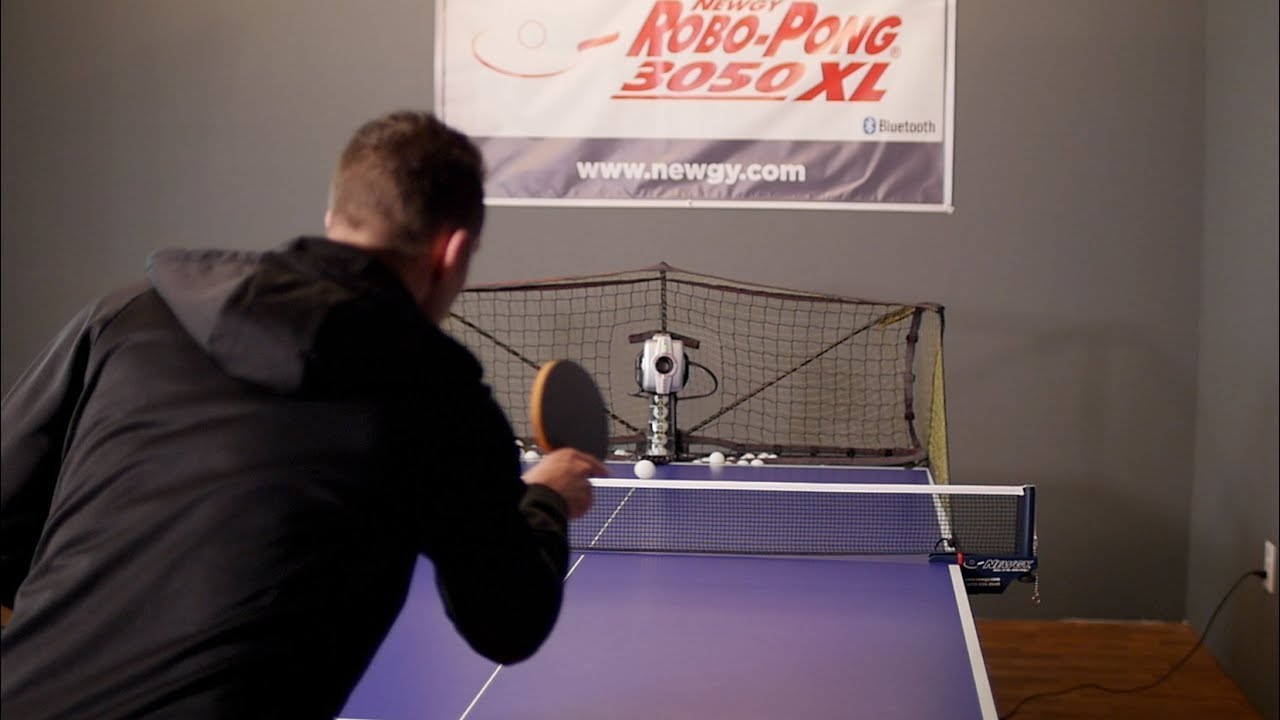
Always tape out the full recommended play area on your floor before rearranging a room or purchasing a table. It takes five minutes and will save you hours of frustration. Remember to account for door swings, any overhead obstructions, and the clearance needed to open folding tables fully.
Flooring, Lighting & Environment
The surface beneath your feet affects your movement, safety, and comfort. Hard wood floors and concrete both work well. Carpeted rooms can slow your footwork and make the table harder to level. Anti-fatigue mats or sport court tiles are a great middle ground if you're playing on a hard concrete garage floor.
Lighting is often an afterthought but matters enormously. Overhead fluorescents directly above the table can create a glare on the ball trajectory. Aim for even, diffused lighting positioned to the sides of the play area rather than directly overhead. Natural light from windows on one side of the room can also cause visibility imbalances between the two players.
- Use a level tool to confirm your table surface is perfectly even before play
- Aim for at least 8 feet of ceiling clearance — 9 feet or more is ideal for lob shots
- Keep the room at a moderate temperature; extreme cold can make balls brittle and bounce inconsistently
- Minimize air conditioning drafts and fans near the playing area to avoid disrupting ball flight
- A plain, dark-colored wall behind each end of the table improves ball visibility dramatically
Essential Equipment for Home Play
Beyond the table itself, a handful of key pieces of equipment will define your experience. Quality paddles, proper balls, and a reliable net assembly are the foundation. Once you're ready to elevate your practice, training robots open up a whole new level of solo skill development.
Paddles & Balls
Beginner paddles use pre-attached rubber that balances speed and control. Intermediate players benefit from paddles with a thicker sponge layer for added spin capability. For balls, always use 3-star rated 40mm poly balls for consistent bounce and durability. Avoid celluloid balls for new setups — the industry has standardized on polymer.
The Net Assembly
A stable net is non-negotiable. Clamp-on nets work for most tables but can shift during intense play. Post-and-clamp assemblies with tension adjustment are more reliable for regular use. The net should sit at exactly 6 inches (15.25 cm) at center — use a net gauge if you want regulation accuracy.
Table Tennis Training Robots
For players who want to practice when a partner isn't available — or simply want to drill specific shots hundreds of times — a table tennis robot is the single most impactful upgrade you can make to your home setup. Modern robots can simulate topspin, backspin, sidespin, and oscillating ball placement patterns, effectively acting as a tireless training partner that responds entirely on your schedule.
The Robo-Pong 2055 is a top-tier choice for home training environments. It features programmable multi-ball delivery, adjustable speed and spin settings, and a ball-return system that keeps your sessions uninterrupted. Whether you're working on consistency, footwork, or specialty shots, this robot adapts to your training goals.
Ready to Train Smarter?
The Robo-Pong 2055 transforms your home table tennis setup into a fully-equipped solo training studio.
Robo-Pong 2055Setting Up for Long-Term Enjoyment
A well-considered home table tennis setup is an investment that pays dividends in family entertainment, fitness, and genuine competitive development. Take the time upfront to measure your space correctly, choose the right table for your room, and invest in quality accessories. The difference between a frustrating cramped setup and an inspiring, functional play space comes down to planning — and a little knowledge goes a long way.
Whether you're picking up a paddle for the first time or returning to the sport after years away, there has never been a better time to bring the game home. Your backyard or spare room is closer to a professional practice environment than you might think.