

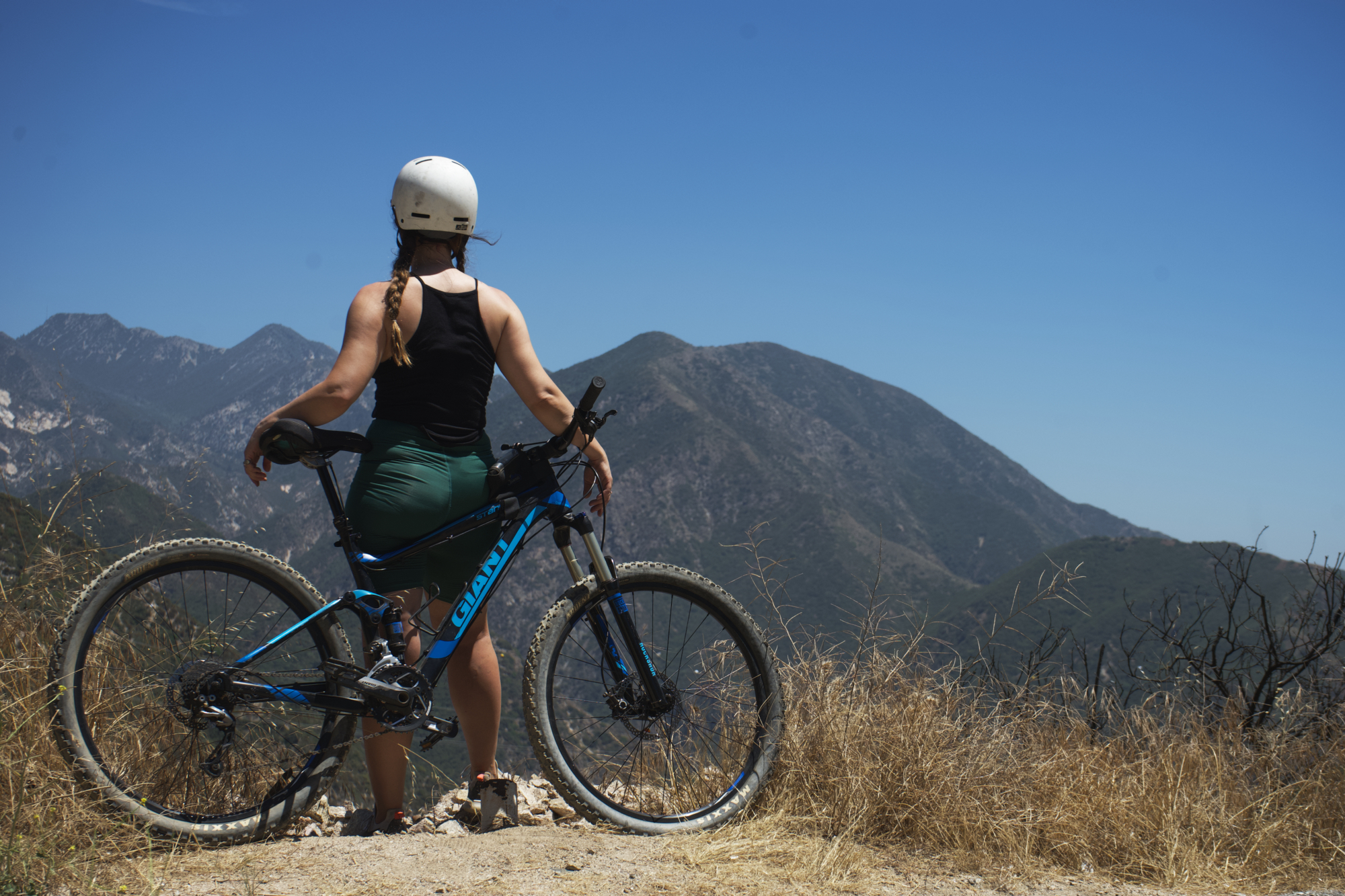
Ask any group of experienced mountain bikers what gear they'd recommend to a newcomer, and you'll hear the same tired advice: start on a hardtail, save money, learn the basics. It's a piece of wisdom passed down for decades — and honestly, it's overdue for a challenge.
The landscape of mountain biking has shifted dramatically. Full-suspension bikes have come a long way, and for the average new rider stepping onto trail for the first time, a full-squish bike isn't a luxury — it's arguably the smarter starting point. Here's why.
Full-Suspension Bikes Are Better Teachers

There's a common belief that riding a hardtail forces you to develop better technique — that without rear suspension to mask your mistakes, you'll learn to pick cleaner lines and move your body more efficiently. There's some truth to this. But it misses a bigger picture.
When a new rider is white-knuckling through a rough trail section because their hardtail is chattering uncontrollably beneath them, they are not learning — they are surviving. Their mental bandwidth is consumed entirely by managing discomfort and anxiety, leaving little room to absorb trail feedback or develop confidence.
A full-suspension bike absorbs the chaos of the trail, allowing a beginner to focus on body position, weight distribution, and momentum. Instead of fighting the bike, they can ride with it. That's a far more effective learning environment — the same reason driving instructors don't start students in race cars with no traction control.
"When you're battling the trail just to stay upright, you're not learning to ride — you're learning to endure. A bike that keeps you in control gives you the mental space to actually improve."
Full-Suspension Bikes Are More Inclusive

Mountain biking has a well-documented problem with accessibility. The sport can feel punishing, intimidating, and frankly discouraging for people who don't fit the traditional profile of a young, physically aggressive rider. Many newcomers — older adults, those returning from injury, riders with lower physical tolerance for vibration and impact — are quietly steered away by a sport that insists on rites of passage rather than welcoming experiences.
Full-suspension bikes lower that barrier considerably. They make trails that would otherwise feel overwhelming feel manageable. They allow a broader range of people to ride further, more comfortably, and more consistently — and consistent riding is what actually builds skill and love for the sport. If the goal is to grow the community, recommending the more accessible tool is a no-brainer.
Buying a Hardtail "Just to Save Money" Is False Economy

This is perhaps the most persistent myth: that the financially responsible move is to start cheap on a hardtail, then upgrade once you've proven your commitment. The logic sounds sensible until you trace what actually happens in practice.
A rider buys a budget hardtail. They struggle with rough terrain. They find the experience less enjoyable than expected. They ride infrequently. They eventually sell the hardtail at a loss and either leave the sport or buy the full-suspension bike they should have started with — having spent more money total than if they'd made the right call initially.
Buying a bike that's right for you the first time is almost always cheaper in the long run. Especially when you consider that full-suspension bikes at the entry and mid-range price points have never been more capable or better value than they are right now.
"The most expensive bike is often the one you buy twice. Start with the right tool, and your investment pays dividends in enjoyment, progression, and longevity in the sport."
Full-Suspension Bikes Are More Versatile

One of the underappreciated advantages of a full-suspension bike for a new rider is its sheer range. A capable full-squish machine can handle the gentle flow trail you're riding today and the gnarlier terrain you'll be tackling six months from now as your skills grow. It doesn't max out your ability before you've had the chance to develop it.
Hardtails have their place — they're brilliant on smooth, flowy trails and they offer unmatched efficiency on climbs for riders with solid technical skills. But a new rider isn't spending their weekends on perfectly manicured flow trails. They're exploring. They're wandering onto routes that get chunky. They need a bike that can grow with them and forgive them until they've earned that forgiveness on their own terms.
Full-Suspension Bikes Are Better Than Ever at Lower Price Points

The final piece of the puzzle — and perhaps the most compelling — is how dramatically the quality-to-price ratio on full-suspension bikes has improved over the past several years. What you get for your money today would have been unthinkable a decade ago.
Modern entry-level full-suspension bikes feature linkage-driven rear suspensions, trail-tuned geometry, dropper-post compatibility, and reliable drivetrains that can genuinely handle demanding terrain. The technology has trickled down from high-end builds in a meaningful way. You no longer need to spend at the top of the market to get a bike that performs well and inspires confidence.
The old argument — that affordable full-suspension bikes were so poor they weren't worth buying — simply doesn't hold up anymore. Today's mid-range full-suspension options are legitimately excellent tools for learning, progression, and long-term enjoyment of the sport.
So if you're standing at the crossroads, wondering which direction to go as a new mountain biker, consider this: the goal isn't to prove something by making things harder on yourself. The goal is to fall in love with the trails. Get on a full-suspension bike and let it happen faster.
Ready to ride smarter from day one? The GT Zaskar FS Comp 29 is built for exactly this — a full-suspension trail bike that meets you where you are and takes you further than you expected.
GT Zaskar FS Comp 29