

Purchasing a mountain bike unlocks an entirely new universe of trails, terrain, and adventure waiting to be discovered. To guide you in selecting the perfect mountain bike, we've assembled this comprehensive buyer's guide packed with practical advice and top model recommendations.
Whether you're brand new to mountain biking or a veteran off-road enthusiast, this guide will steer you toward your ideal ride. Zero in on your preferred style and features, then lock in the right size for your dream mountain bike. Read on to discover everything you should know before making your next MTB purchase!
Beginner Considerations
Grasping the fundamentals goes a long way when selecting a mountain bike. If this is your first MTB purchase — or you simply want a stronger foundation of knowledge — start by evaluating the key factors that influence how a mountain bike handles on the trail.
Styles of Mountain Bikes
Your first move when shopping for a mountain bike is thinking about how and where you plan to ride. Settling on a riding style dramatically narrows your search, making it far easier to compare models and focus on the finer details.
Think about the trails you currently frequent and the terrain you aspire to conquer. Multiple types of mountain bikes exist, each engineered for specific conditions and riding approaches. To get the most from your next mountain bike, figure out which of the following styles aligns with your goals:
Recreational Mountain Bikes
Recreational mountain bikes offer an affordable entry point into trail riding, delivering reliable performance at great value. Entry-level models typically come with lightweight aluminum frames, front suspension, and versatile medium-tread tires.
Recreational MTBs shine on bike paths, gentle terrain, and gravel routes — they even double as dependable commuters. If you want to dip your toes into mountain biking, this category is an excellent starting point.
Common specs: ~100mm front travel, 1x or 3x chainrings, upright geometry

Cross-Country (XC) Mountain Bikes
XC mountain bikes are engineered for high-speed racing on cross-country circuits where the trails are smoother and less technical. Climbing efficiency is paramount, so XC bikes prioritize minimal weight and typically feature only front suspension, usually in the 100–120mm travel range.
A steeper head tube angle delivers nimble handling, and the low-profile tread pattern keeps you rolling fast — though they aren't the best choice for rough, rocky terrain. Go with XC if you enjoy racing or prefer lighter, fast-flowing trails with lots of climbing.
Common specs: 100–120mm front travel, 1x gearing, rear travel optional
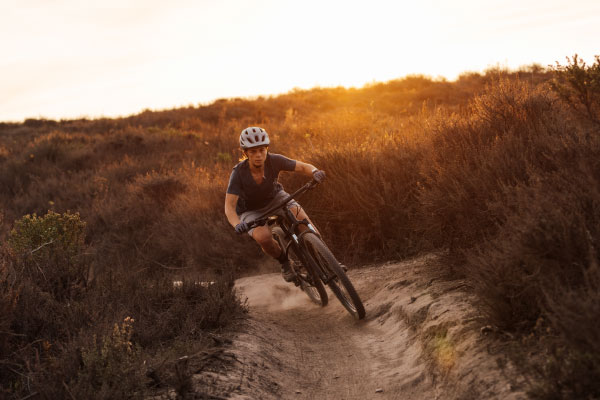
Trail Mountain Bikes
Trail bikes — often called the "do-it-all" category — are built to handle virtually any type of mountain terrain. They strike a sweet spot between lightweight XC efficiency and the gravity-oriented capability of downhill rigs. Trail bikes truly can do it all!
If you want a bike that climbs efficiently and still charges on descents, trail bikes are the ideal starting point for your search.
Common specs: 130–150mm travel, full suspension
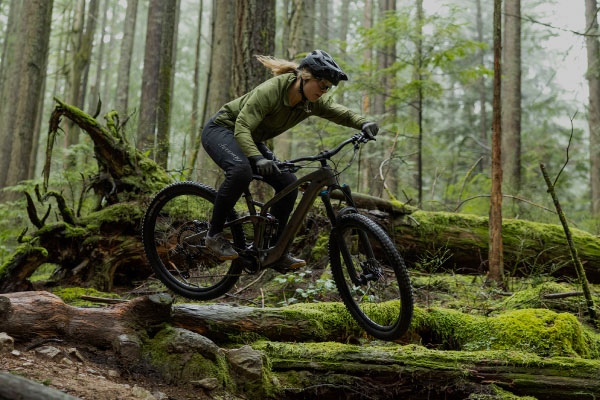
Enduro Mountain Bikes
Enduro bikes are purpose-built for a racing discipline that times riders on the descents but not the climbs. Because the emphasis is on going downhill fast, these bikes feature longer suspension travel and slacker head tube angles for rock-solid stability on steep, technical terrain.
Riders still need to pedal back up, so enduro bikes balance low weight, climbing efficiency, and downhill prowess. They excel at races, bike parks, and rugged riding areas loaded with rocks, jumps, and drops.
Common specs: 130–180mm travel, full suspension
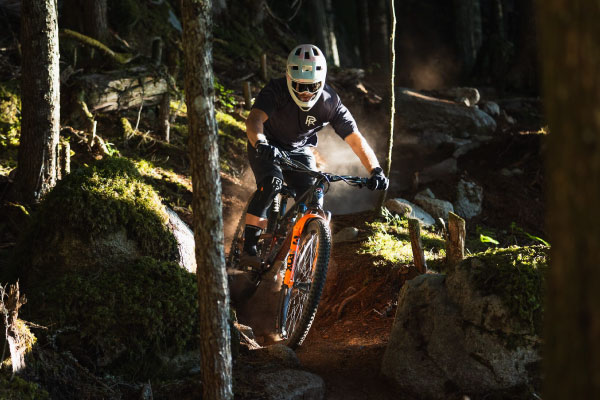
Downhill Mountain Bikes
Downhill (DH) bikes are designed exclusively for descending chairlift or shuttle-serviced routes where the terrain is gnarly and the jumps are massive. They boast the longest suspension travel of any mountain bike category to absorb heavy impacts and keep you in control at blistering downhill speeds.
Common specs: 180–200mm travel, full suspension, double-crown fork
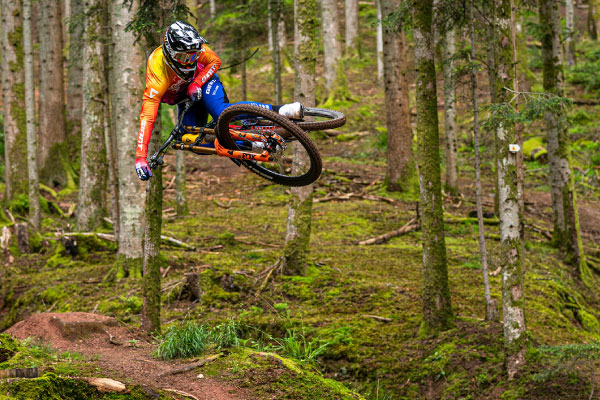
Fat Bikes
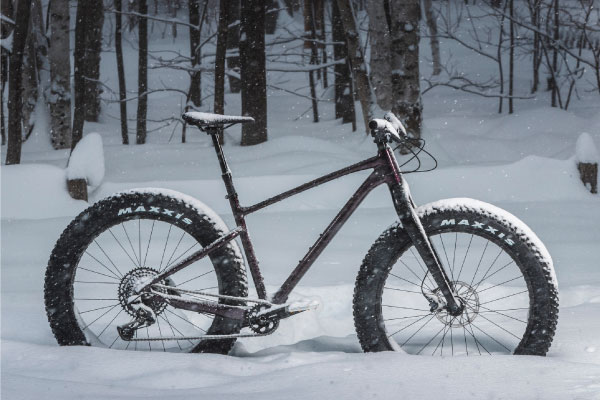
Aptly named for their oversized tires, fat bikes thrive on sand and snow. The tires measure between 3.7" and 5" with enormous air volume, allowing riders to float over loose terrain and maintain excellent traction. The cushion from those ultra-wide tires makes up for the lack of traditional suspension on their rigid frames.
Common specs: Fat tires, rigid frame
Mountain Bike Suspension Setups
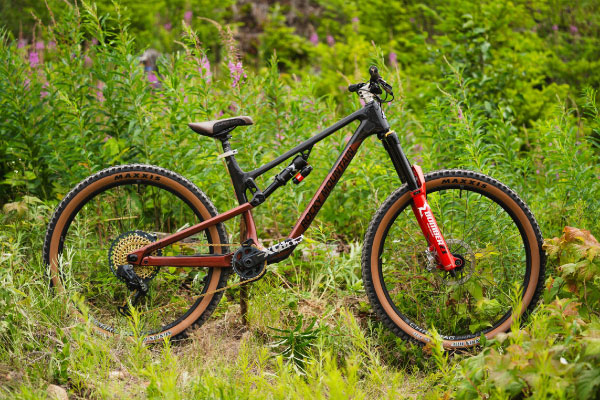
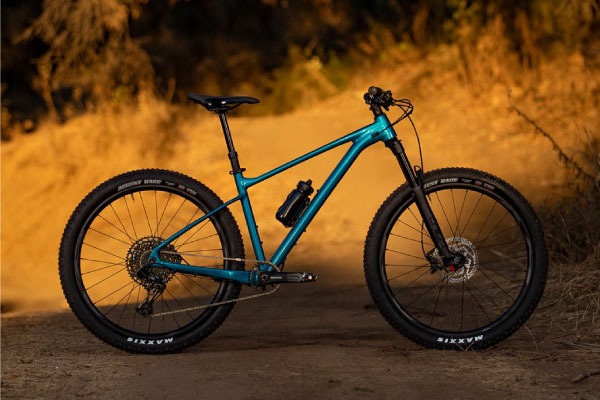
When picking out a mountain bike, one of the biggest decisions is whether to go with full suspension, a hardtail, or a rigid setup. Full-suspension models include both a front suspension fork and a rear shock, while hardtails rely solely on the front fork.
Mountain bikers depend on suspension to smooth out the trails and keep both wheels planted on the ground for maximum traction.
Mountain Bike Wheel Sizes
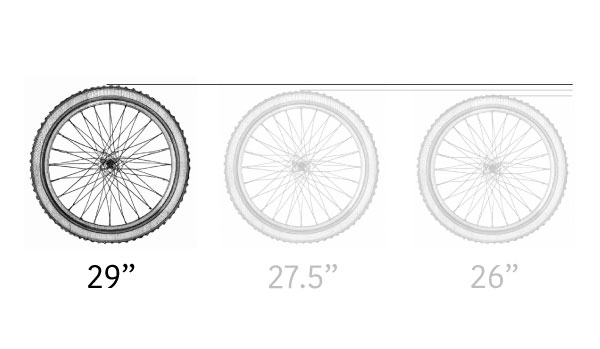
Another critical choice when browsing mountain bikes is wheel size — 27.5" or 29"? Some models come in only one wheel size, while others give riders the freedom to choose.
29-Inch
These larger-diameter wheels roll over big obstacles like rocks and logs with greater ease. The increased size can make handling feel more involved, while the faster rolling momentum is a sought-after advantage. 29ers are favored choices for XC and downhill mountain bikes.
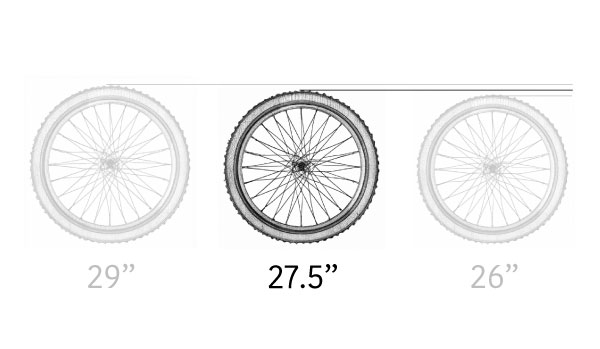
27.5-Inch
These wheels are a touch smaller than 29ers, giving them a more playful and agile feel on technical trails with tight corners. They accelerate quickly and roll nearly as fast as their 29" counterparts. A popular wheel size for trail and recreational riding, smaller 27.5" wheels are often equipped on XS or S frames for a more balanced geometry.
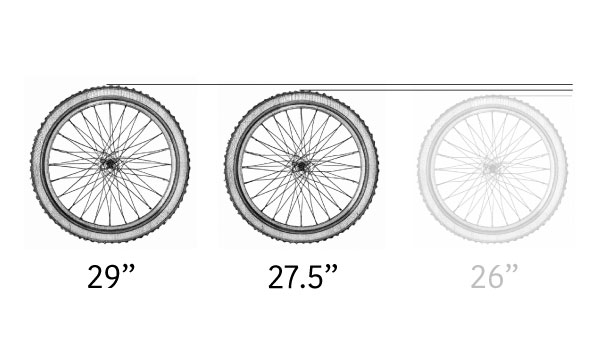
Mixed-Wheel (Mullet)
"Mullet" bikes pair a 29er wheel up front with a smaller 27.5" wheel at the rear. Riders report improved obstacle clearance from the 29er combined with the nimble maneuverability of the 27.5" wheel. Many trail and enduro riders swear by this mixed-wheel setup.
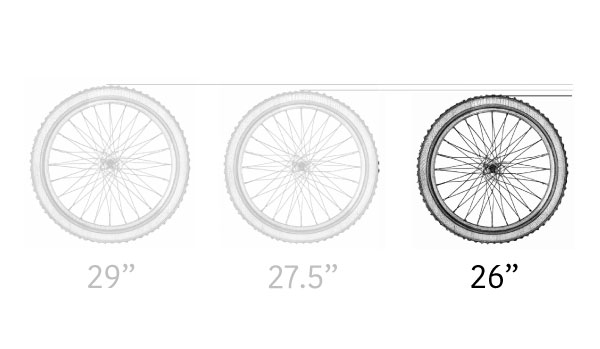
26-Inch
26" wheels were once the mountain bike standard, but today they're mainly found on dirt jump bikes and youth-sized models.
Mountain Bike Frame Sizes
Selecting the correct frame size allows you to experience the bike exactly as it was designed and engineered. A mismatch between rider height and frame size can result in discomfort, inefficient pedaling, and awkward handling.
Most brands today list their models using Alpha sizing. However, it's always wise to consult the model-specific size chart — usually found directly on the product page — for precise measurements.
Some models even feature frame-size-specific wheels for a more balanced overall fit. For example, many XS or S mountain bikes come exclusively with 27.5" wheels, while larger frames use 29ers.
Mountain Bike Size Chart (Example)
Advanced Considerations
For mountain bikers eager to upgrade their setup or geek out over components, there is a wealth of advanced factors to explore. Whether you just want to make the most informed decision possible, or you love diving into the details, here's a closer look at frame materials, suspension design, geometry, and more!
Frame Material
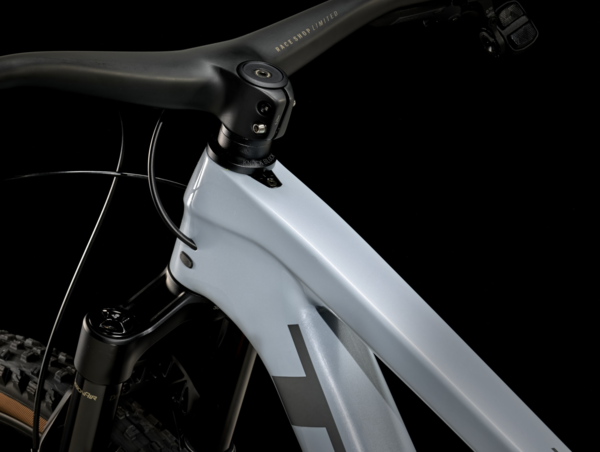
The frame has a major impact on a bike's weight, ride feel, and overall price tag. Aluminum and carbon fiber are the most prevalent materials in mountain bike frames, though some models are crafted from steel or titanium.
Carbon fiber is prized for its exceptional strength-to-weight ratio. Carbon frames tend to carry higher price tags due to complex manufacturing and their pairing with premium components.
Aluminum is heavier than carbon but delivers outstanding value for its durability and strength. Budget-level aluminum alloys can be noticeably heavier, while modern high-end aluminum frames give carbon setups a serious run for their money. Aluminum mountain bikes are a savvy pick for cost-conscious riders.
Other mountain bikes use steel or titanium. Steel is celebrated for its incredible toughness and repairability, though it's relatively heavy. Titanium frames are both light and durable, but the premium material is reserved for the highest-end builds.
Frame Features
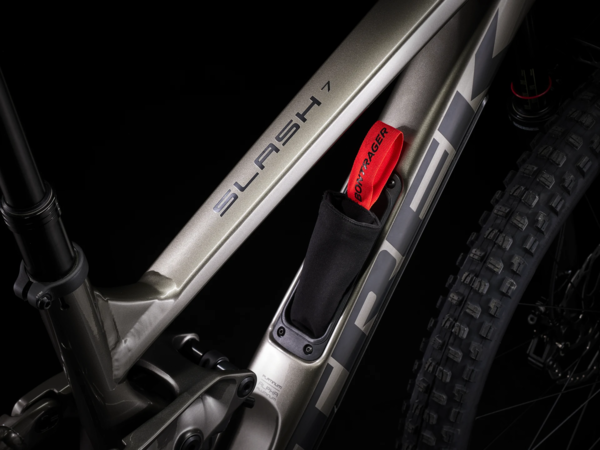
Frames offer far more than just material and a flashy paint job — there are often clever features integrated inside or onto the frame itself. They may not be obvious at first glance, but details like frame guards and internal cable routing help keep your bike in top condition over the long haul.
Extras like downtube storage and frame mounts for carrying gear can be a real bonus out on the trails. Some bikes include small flip chips built into the frame to subtly adjust geometry or suspension performance. Manufacturers are getting increasingly creative in this space, so be sure to explore what's available.
Suspension Travel & Design
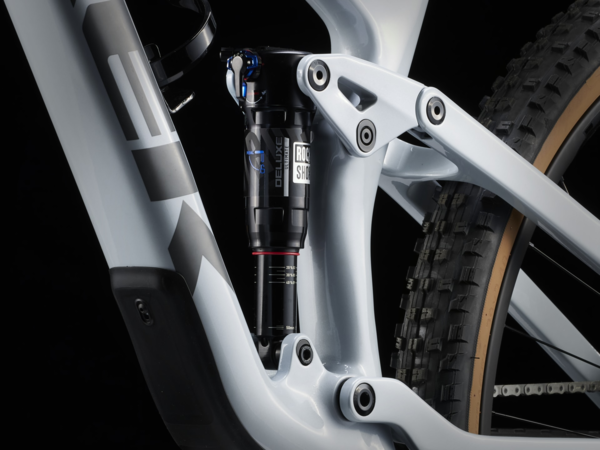
It's essential to consider the amount of travel and the suspension design of the mountain bike you're eyeing. Too much travel for the terrain and you'll sacrifice efficiency; too little and you won't be equipped for bigger jumps and drops.
Various suspension systems and linkage designs deliver different characteristics on the trail. A common debate is coil vs. air shocks. Generally speaking, air shocks are lighter and easier to tune, while coil springs provide a plusher feel with less maintenance.
Build Kits
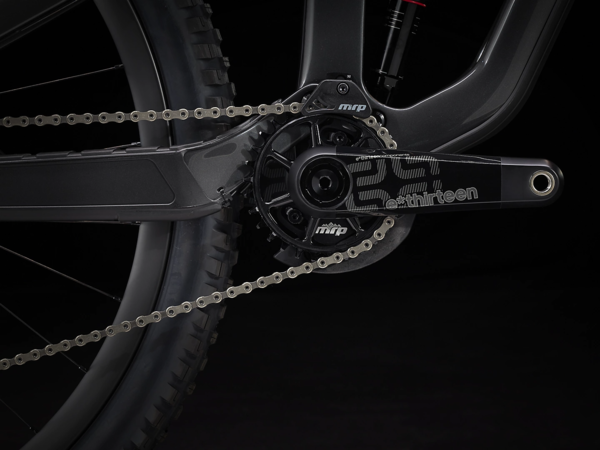
The same mountain bike model is often available with different "build kits" — essentially the collection of components that make up the complete bike. These tiered options let riders pick a version that suits their budget and needs, covering everything from brakes and drivetrain to suspension, wheels, and frame material. Higher-end build kits bring perks like lower weight, more precise braking, better-quality parts, and luxury upgrades such as electronic shifting.
Geometry
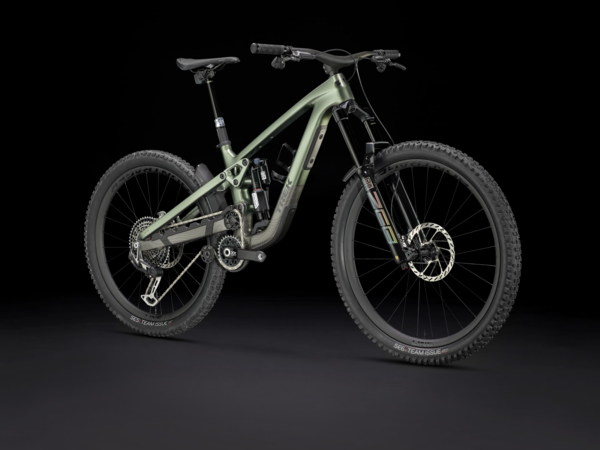
Frame geometry is fundamental to how a mountain bike feels on the trails. It may seem like a complicated landscape of numbers and angles, but every measurement serves a purpose. You'll hear brands reference "slackness" — this describes a lower head tube angle that promotes high-speed stability. Longer wheelbases and chainstay lengths also contribute to more stable, controlled descents.
Reach is the horizontal distance from the bottom bracket to the headtube. It's a personal preference — a longer bike can feel more stable but less agile in tight corners, while shorter reach delivers more playful handling without feeling twitchy at speed. XC bikes typically have steeper seat tube angles to push riders forward for stronger climbing power.
Frame Size & Fit
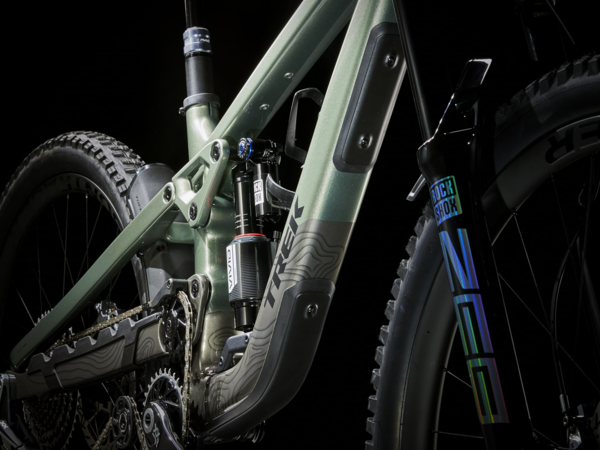
A mountain bike might check every box on paper, but if it doesn't fit you properly, you'll compromise performance and comfort. Focus on finding the size that best matches your body measurements and riding style.
If you're caught between two recommended sizes, choose the one that aligns with your riding goals. A larger bike with extended reach is great for advanced riders tackling chunky descents, while a smaller frame with more playful geometry suits tighter, more technical riding.
Bike fit doesn't follow universal rules because it depends on the rider's unique body and preferences. The best way to decide is by going for a test ride or trying a few models in person!
MTB vs eMTB

Electric mountain bikes — commonly known as eMTBs — can completely transform your trail experience with pedal-assisted power. eMTBs take the sting out of steep hills so you can save energy for the descents and explore remote areas across the mountain. They're also invaluable for reaching routes inaccessible by chairlift or shuttle, and they help you keep pace with stronger riders.
Electric mountain bikes do cost more than traditional MTBs and carry additional weight from the mid-drive motor. For riders who prefer to rely purely on their own pedal power going uphill, traditional mountain bikes are lighter, more affordable, and deliver a more strenuous workout!
Women's Specific Design
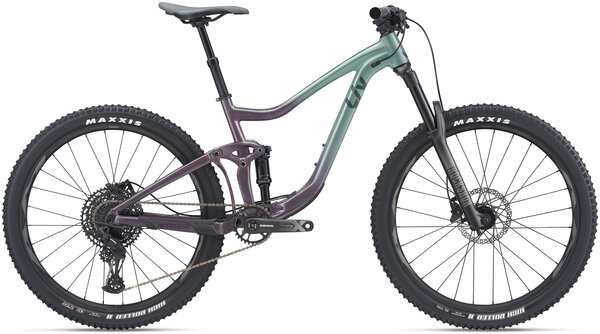
We believe the more options available, the better — and today female cyclists can choose from a wide range of mountain bikes built with women's specific design (WSD). Brands like Liv Cycling focus exclusively on women's bikes. WSD models typically feature smaller frame sizes, lighter shock tuning, and a women-specific saddle.
There may also be customized geometry or narrower handlebars to reflect typical body differences between male and female riders. Some female riders love WSD bikes while others have found their perfect match in a standard model, so the choice is entirely yours.
Ready to Hit the Trails?
Explore our handpicked selection of mountain bikes built for every riding style and skill level.