

What Exactly Is a Pellet Grill?
At its core, a pellet grill is a wood-burning convection oven built for the outdoors. There's no shortage of grill types on the market — charcoal, gas, electric — and each carries its own merits and drawbacks. But the pellet grill stands in a class of its own, engineered to bring together the best qualities of every method without compromise.\
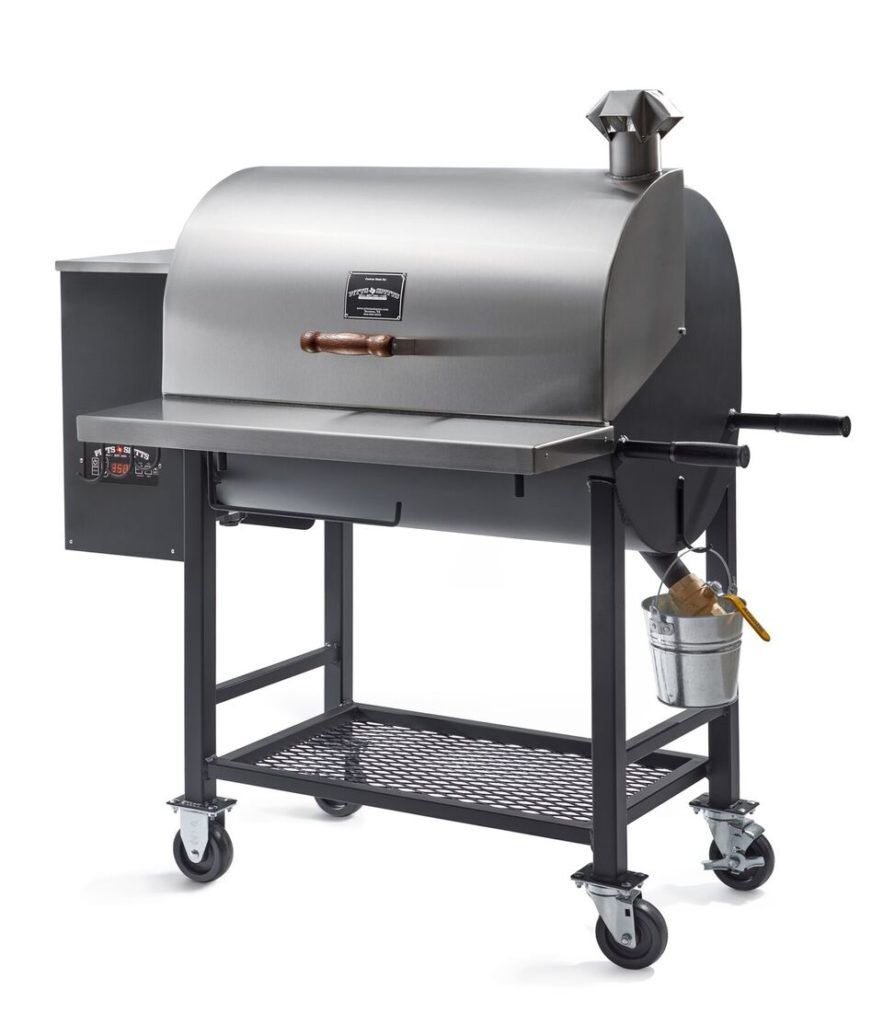
No other grill delivers that deep, authentic wood-smoked flavor across both low-and-slow cooks and high-heat searing — not quite like a pellet grill can. Fueled by 100% virgin hardwood pellets, it produces restaurant-grade barbecue results at the touch of a button, every single time.
Real wood fire flavor — smoke or grill with genuine hardwood pellets
Push-button thermostat control — precision temperature at your fingertips
Zero flare-ups — go from low slow smoking to high heat grilling safely
Keeps heat and smoke contained — cook virtually anything outdoors
No messy cleanup — spend your time with family, not scrubbing grates
100% hardwood pellets — no logs to haul, store, or manage
How Does a Pellet Grill Work?
The mechanics are elegantly simple. Pellets load into the hopper — the grill's fuel reservoir — where an auger, driven by a motor, feeds them down a shaft and into the burn pot. There, a hot rod ignites the pellets while a combustion fan stokes the fire with oxygen, generating consistent, controlled heat throughout the cooking chamber.
Load Hopper
Fill with your choice of hardwood pellets
Auger Feeds
Motor-driven auger moves pellets to the burn pot
Ignition
Hot rod ignites; fan feeds oxygen to the flame
PID Control
Controller maintains temp within 1°F of your setting
What sets a quality pellet grill apart is the controller. Using a PID system — specifically tuned for pellet grills — the controller constantly reads the internal temperature and adjusts both the auger speed and fan output to stay within 1 degree of your target. It's precision cooking, automated.

How Long Do Pellets Last?
Burn rate will vary depending on temperature settings and conditions, but as a general rule you can expect to use between ½ and ¾ of a pound of pellets per hour. That means a standard 20lb bag gives you roughly 25 to 30 hours of cooking at moderate temperatures — or less when running at full heat.
Most quality pellet grills are capable of exceeding 600°F for searing. If you want to quickly switch pellet flavors mid-cook, look for a model with a quick-clean pellet chute for easy swaps without wasted fuel.
Pellet Grills vs. Other Grill Types
Compared to traditional grill options, pellet grills offer a level of control and versatility that simply doesn't exist elsewhere. There are no flare-up risks, no temperature swings, and no need for matches or lighter fluid to get going. The one tradeoff worth noting: pellet grills require a power outlet, making them dependent on electricity.
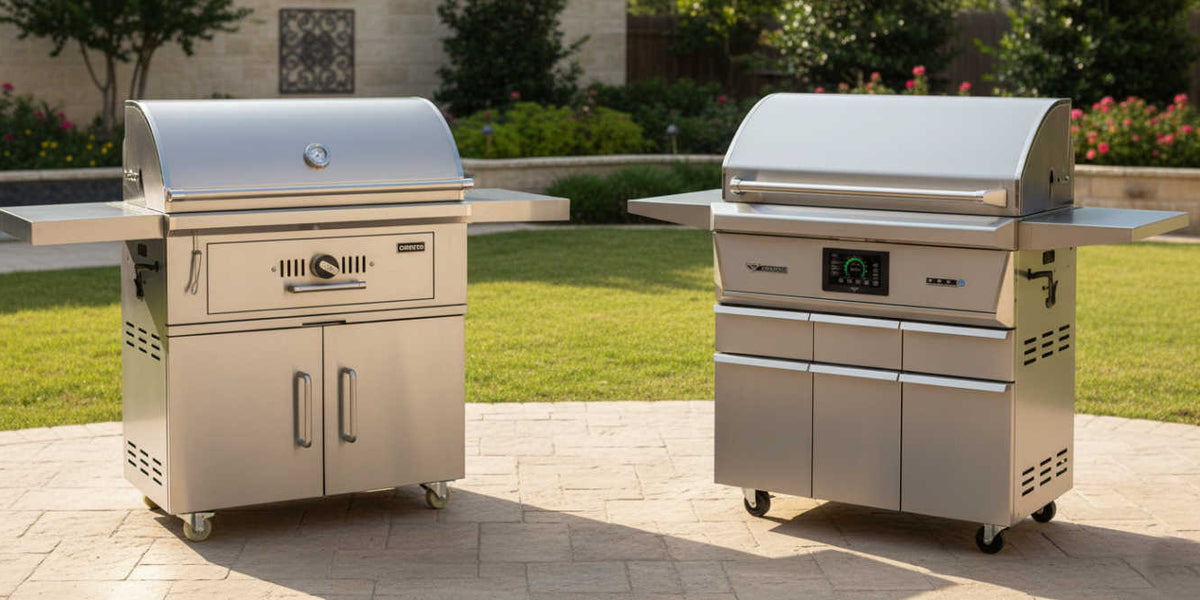
| Feature | Pellet Grill | Charcoal | Gas |
|---|---|---|---|
| Real Wood Smoke Flavor | ✔ Yes | ✔ Yes | ✘ No |
| Precise Temperature Control | ✔ PID Controlled | ✘ Manual | ⚬ Approximate |
| Flare-Up Risk | ✔ None | ✘ High | ✘ Moderate |
| Easy Startup | ✔ Push Button | ✘ Requires Effort | ✔ Yes |
| Low & Slow Capability | ✔ Excellent | ⚬ With Skill | ✘ Limited |
| WiFi / App Control | ✔ Available | ✘ No | ✘ No |
Built Different. Cooked Better.
The best pellet grills don't just perform — they're built to last. Look for fully welded, handmade steel construction, a stainless roll-top lid, and heavy-duty wheels and casters. Pair that with a solid warranty and WiFi cloud monitoring, and you have a backyard centerpiece that will serve you for decades. When you're ready to take your outdoor cooking to the next level, start with the grill that means business.