

In This Article
1. What to Consider Before Getting One
2. What Is a Pellet Grill?
3. Benefits of Using a Pellet Grill
4. Key Factors When Buying
— Price & Warranty
— Quality & Build
— Temperature Range
— Size
5. Conclusion
What to Consider Before Getting One
Let's address a widespread myth right up front: pellet grills are not just for seasoned pitmasters. That misconception has kept many casual backyard cooks from discovering one of the most versatile tools in outdoor cooking. Whether you're a beginner or someone with years of grilling experience, a pellet grill can elevate how you cook.
If you're still weighing your options on which type of grill to invest in, pellet grills offer a clean, convenient, and dependable way to prepare an incredible range of dishes — all infused with rich, authentic wood-fired flavor. The introduction of compressed wood pellets as fuel was a game-changer on its own, but the real magic lies in what a wood pellet grill can actually do. These cookers are capable of smoking, grilling, baking, roasting, braising, and even searing in some cases, all thanks to the combination of natural fuel and precision temperature management. Their heat consistency is second to none, and many models feature built-in cooking presets designed for specific types of meat and recipes.
With so many options available, how do you find the right one? That's exactly what this buying guide is for. We'll walk you through everything you need to understand — from what a pellet grill actually is, to the key features you should prioritize — so you can make a confident purchase that transforms your weekend cookouts.
What Is a Pellet Grill?
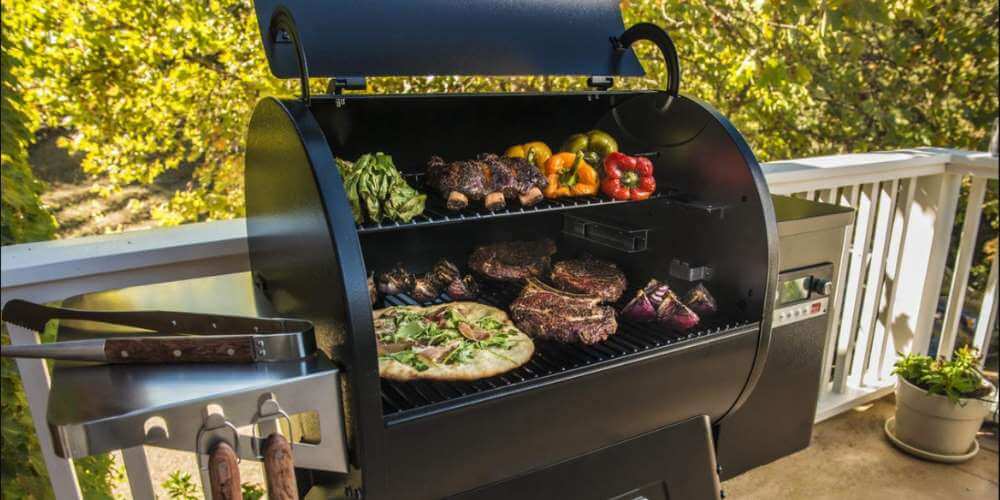
A pellet grill merges the user-friendly nature of a gas barbecue with the deep, smoky character of a traditional charcoal setup. At its core, this grill features a large metal bin — commonly referred to as a hopper — where you load food-grade wood pellets. These pellets are crafted from compressed sawdust made from flavorful hardwoods such as hickory, oak, cherry, and mesquite, and they're widely available at hardware stores and home improvement retailers.
Inside the grill, an electric auger feeds pellets from the hopper into a fire pot, where an igniter lights them. This process generates both heat and aromatic smoke, giving your food that unmistakable wood-fired taste. A built-in thermostat allows you to dial in your desired cooking temperature with remarkable accuracy, so you can set it and focus on enjoying the experience rather than constantly monitoring the fire.
What Are the Benefits of Using a Pellet Grill?
Wood pellet grills deliver steady, controllable smoke and heat, which translates into genuine wood-fired flavor in every meal you prepare. Because the flame is safely separated from the cooking grates, flare-ups are virtually eliminated. This also means less babysitting — the temperature holds exactly where you set it, making pellet grills the ideal companion for low-and-slow cooking sessions.
Cooking with all-natural hardwood amplifies the taste of your favorite meats in a way that gas and charcoal simply can't replicate. When it comes to what makes a great pellet grill stand out, it really boils down to two things: exceptional flavor and effortless operation. Achieving that deep, savory smokiness used to require constant attention and messy cleanup, but a pellet grill makes the entire process cleaner and far more accessible than ever before.
Pro Tip: A pellet grill is one of the few outdoor cookers that lets you smoke, grill, roast, bake, and braise all in a single unit — making it the ultimate all-in-one backyard cooking station.
Key Factors to Consider When Buying
1. Price & Warranty
Opting for a bargain-priced pellet grill might seem like a smart move up front, but it often ends up costing more over time. Cheaper models tend to use lower-grade components that rust, warp, or fail — sometimes requiring partial or full replacement in under five years. A well-made pellet grill, on the other hand, is built to deliver consistent performance season after season.
Budget-friendly grills aren't just less capable — they're more likely to break down entirely. The smarter approach is to choose a grill with a proven track record of reliability, regardless of price point. Pay close attention to the warranty as well: most reputable brands offer at least a two-year warranty, and their customer support teams are typically responsive and helpful if any issues arise.
2. Quality & Construction
The surest way to guarantee your pellet grill lasts for years is to invest in one that's solidly constructed from the ground up. Unlike offset smokers, a quality pellet grill doesn't need to be extremely heavy — but it absolutely shouldn't feel flimsy. When you close the lid, check for a tight seal with no visible gaps. Inspect the joints and any welding to confirm that everything is sturdy and secure, with no openings where heat could escape. Every seam should fit together firmly.
Material matters too. The majority of pellet grills on the market use painted steel, but the grade of the steel and the quality of the coating can vary significantly. Look for a high-temperature powder coat finish that won't blister, peel, or flake under intense heat — this is critical because exposed steel will rust quickly. Don't overlook the interior either: the fire pot and diffuser plate are among the components most prone to corrosion, so make sure those are built to withstand continuous use. Even in colder conditions, a well-constructed grill retains heat effectively, improving both cooking efficiency and pellet economy.
3. Temperature Range
The temperature range of a pellet grill can significantly influence what you're able to cook. Most standard pellet grills handle indirect cooking between roughly 180°F and 425°F, making them well-suited for smoking, roasting, baking, and grilling. However, that range may fall short when it comes to searing, which typically requires temperatures upward of 500°F.
The broader the temperature spectrum, the more versatile your grill becomes. High-performance pellet grills can reach upper temperatures between 500°F and 700°F — hot enough to get a perfect sear on steaks or fire-bake a pizza. Many premium models also include a direct grilling option that lets you cook over an open flame, giving you the flexibility to work with both direct and indirect heat from a single unit.
4. Size
Pellet grills come in a wide range of sizes, from compact portable models to large commercial-grade units, so it's important to consider how many people you'll typically be cooking for before making a decision. Avoid buyer's remorse by planning ahead and selecting a grill that satisfies most of your cooking needs. For an average household, a grill offering between 450 and 500 square inches of cooking area should be more than sufficient. Smaller grills work great for singles and couples, while larger families and those who love hosting will benefit from stepping up to a bigger model.
Conclusion
After reviewing everything covered in this pellet grill buying guide, one thing is clear — there are many factors worth weighing before making your choice. At the end of the day, you're the one investing in this grill and cooking on it for years to come, so it's essential to pick one that truly fits your needs and preferences. The best advice we can offer is simple: do your research, educate yourself on what's out there, and make sure you understand exactly what you're getting.
Featured Product
Ready to Start Your Pellet Grilling Journey?
Check out one of our top picks — built for performance, flavor, and backyard greatness.
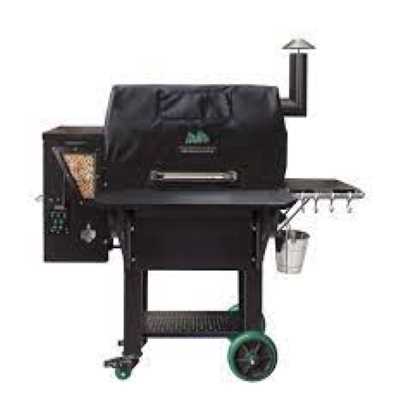
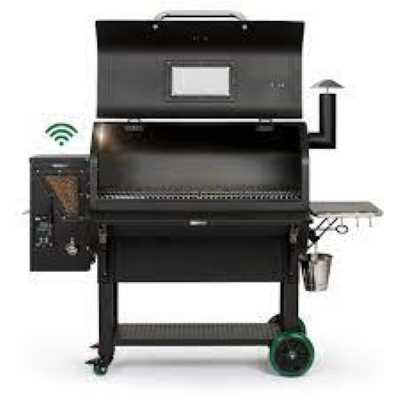
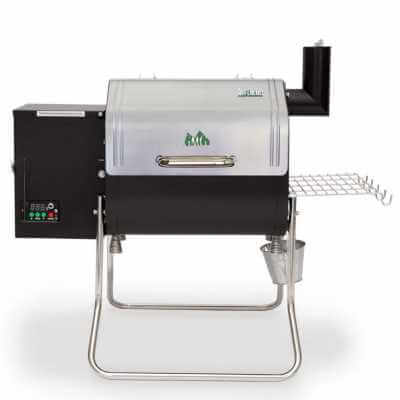
Recteq Deck Boss 800
Brought to you by
BACKYARD PROVIDER