

There has never been a better time to invest in a pellet smoker. Whether you are a seasoned pitmaster or someone who simply wants to elevate weekend cookouts, pellet grills have become one of the most popular outdoor cooking appliances on the market. They combine the convenience of gas grills with the rich, wood-fired flavor that charcoal and stick-burner enthusiasts love. But before you hand over your hard-earned money, there are several important things you should understand about how these machines work, what separates a mediocre model from a great one, and which features actually matter.
In this guide we break it all down — from the basic mechanics of pellet combustion to the finer details of build quality, temperature control, and long-term value — so you can make a confident, well-informed purchase.
Quick History Behind Pellet Grills
Pellet grills have been around longer than most people think. The concept was born in the mid-1980s when Joe Traeger designed a grill that used compressed hardwood pellets as fuel instead of charcoal or propane. His original patent held for roughly two decades, which limited competition and kept the technology relatively niche. Once the patent expired in 2006, dozens of manufacturers entered the space, sparking a wave of innovation, competition, and dramatically improved technology.
Today, pellet grills range from compact portable units to massive commercial-grade cookers. The core concept remains the same, but the electronics, build quality, and cooking versatility have evolved tremendously. Understanding this background helps you appreciate why modern pellet smokers are so capable — and why not every brand delivers the same level of quality.
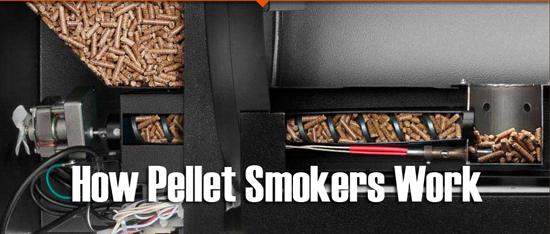
How Pellet Smokers Work
At its core, a pellet smoker operates on a beautifully simple loop. Hardwood pellets are loaded into a side-mounted hopper. An electric auger feeds those pellets into a fire pot at a controlled rate. A hot rod ignites the pellets, and a combustion fan stokes the flame while circulating heat and smoke throughout the cooking chamber. An onboard controller reads the internal temperature and adjusts pellet feed speed accordingly — more pellets for higher heat, fewer for low-and-slow sessions.
This automated cycle is what makes pellet grills so appealing. You set a target temperature, and the grill essentially maintains it for you, much like an outdoor convection oven that also happens to produce real wood smoke. That hands-off consistency is a game-changer for briskets, ribs, pulled pork, and any other long cook that traditionally demands constant babysitting.
Pellet Composition and Quality Matters
Not all pellets are created equal, and the fuel you choose has a direct impact on flavor, heat output, and ash production. Premium food-grade pellets are made entirely from hardwood sawdust — hickory, mesquite, apple, cherry, oak, and blends are the most common varieties. Lower-quality pellets may contain softwood filler or binding agents that produce excess ash, inconsistent heat, and off flavors.
When shopping for pellets, look for brands that clearly state "100% hardwood" with no added oils or fillers. Store them in a dry location — moisture is the enemy of pellets. Damp pellets expand, crumble, and jam auger mechanisms, which can ruin a cook and potentially damage your grill. Many experienced users keep their pellets in sealed bins or buckets to maintain freshness.
Experimenting with different wood species is one of the great joys of pellet smoking. Apple and cherry deliver mild, sweet smoke that works beautifully with poultry and pork. Hickory and mesquite provide bold, assertive flavors ideal for beef. Oak is the all-rounder — steady heat, balanced smoke, and reliable performance across virtually any protein.
Pro Tip
Always run your pellet grill through a startup cycle before loading food. This allows the fire pot to establish a clean-burning flame and purges any stale smoke from the chamber, giving your meat the purest flavor possible.
Temperature Control and Consistency
One of the most significant differences between pellet smoker brands is how they manage temperature. Entry-level models often use basic controllers that regulate pellet feed in timed cycles, leading to temperature swings of 25 degrees or more. Higher-end units feature PID (Proportional-Integral-Derivative) controllers that continuously adjust pellet delivery based on real-time readings, holding temperatures within a tight five-degree window.
Why does this matter? Consistency directly affects cook quality. When you are smoking a brisket for twelve hours, even moderate temperature fluctuations can dry out the bark, stall the cook unpredictably, or create uneven doneness. A quality PID controller eliminates the guesswork and lets you focus on seasoning, wrapping decisions, and the creative side of barbecue.
Look for grills that also include built-in meat probes with digital readouts. The best systems allow you to set target internal temperatures and receive alerts — or even adjust the cook remotely through Wi-Fi-connected apps — so you never overcook a prime piece of meat.
A Wide Range of Prices Across the Market
Pellet grills span a remarkably broad price spectrum. Budget-friendly options start around three to four hundred dollars and can serve casual grillers well, though they typically lack refined temperature control, durable construction, and advanced features. Mid-range units between six hundred and one thousand dollars hit a sweet spot for most home cooks — offering PID controllers, solid steel construction, decent hopper capacity, and reliable performance.
Premium models can run well above a thousand dollars and deliver commercial-grade build quality, stainless steel components, massive cooking areas, Wi-Fi connectivity, and exceptional warranty coverage. While spending more does not automatically guarantee a better experience, it is generally true that you get what you pay for in the pellet grill world. Cheaper grills often cut corners on steel gauge thickness, controller quality, and weld integrity — all of which affect longevity and cooking performance.
The best approach is to identify the features that matter most to you, set a realistic budget, and look for a grill that maximizes value within that range rather than chasing the lowest possible price.
Build Quality — What to Inspect Before You Buy
The physical construction of a pellet grill tells you more about its long-term value than almost any spec sheet. Start with the steel gauge — thicker steel retains heat better, resists warping, and extends the life of the cooker dramatically. Many premium grills use 12- or 14-gauge steel for the firebox and cooking chamber, while budget models often rely on thinner 18- or 20-gauge material.
Check the lid seal. A tight seal prevents smoke and heat from escaping, which improves efficiency and flavor. Run your hand along the seam when the grill is at temperature — if you feel significant heat leaking, the seal is inadequate. High-end grills often incorporate gasket material around the lid perimeter for a near-airtight closure.
Also pay attention to the grate material and finish. Stainless steel and porcelain-coated cast iron are the gold standards. They hold heat well, create excellent sear marks, and are far easier to clean than bare steel alternatives. The hopper lid should seal properly too — an exposed hopper invites moisture, which leads to jammed augers and failed ignitions.
Cooking Area — How Much Space Do You Actually Need?
Cooking surface area is measured in square inches, and it is one of the first specs most shoppers compare. A compact grill with around 400 square inches is sufficient for couples or small families. Mid-size models in the 600- to 800-square-inch range are the most versatile, comfortably handling everything from weeknight dinners to small gatherings. Large-format grills exceeding 1,000 square inches are designed for entertaining, competition cooking, or anyone who likes to batch-cook and freeze.
Keep in mind that the listed cooking area often includes secondary racks, warming racks, or upper shelves. The primary grate is what matters most for direct cooking. Make sure the main grate alone provides enough room for your typical cook, and treat any additional rack space as a bonus for warming buns, resting meat, or holding side dishes.
Wi-Fi and Smart Features — Worth It or Gimmick?
Many modern pellet grills now ship with built-in Wi-Fi, allowing you to monitor and control your cook from a smartphone app. Some purists dismiss this as a gimmick, but for long cooks it is genuinely useful. Being able to check your brisket's internal temperature from the couch, adjust the grill temp without walking outside, or receive an alert when your meat hits the target — these conveniences add up fast, especially during overnight smokes.
That said, the quality of the app and the reliability of the connection vary significantly between brands. Before buying, read user reviews that specifically address the app experience. A buggy or unreliable app negates the convenience entirely. The best implementations offer intuitive interfaces, stable Bluetooth-to-Wi-Fi handoffs, and the ability to store cook histories and custom temperature profiles.
Pellet Smokers Compared to Other Grill Types
Pellet grills occupy a unique middle ground in the outdoor cooking landscape. Compared to charcoal grills, they offer dramatically easier temperature management and more consistent results, though some argue they produce a milder smoke flavor. Compared to gas grills, pellet smokers deliver far superior flavor with a similar level of convenience, although they do require access to electricity and a supply of pellets.
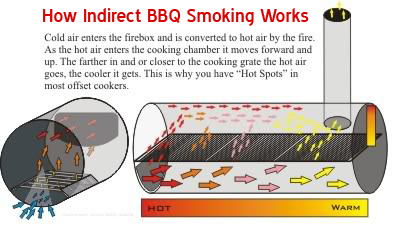
Traditional offset smokers produce arguably the deepest smoke flavor, but they demand constant attention, fuel management, and a significant learning curve. Pellet smokers automate most of that process, which is exactly why they appeal to such a wide audience.
Ultimately the right choice depends on what you value most. If convenience, consistency, and versatility rank high on your list — and you still want genuine wood-fired taste — a pellet grill is hard to beat.
Cleaning and Maintenance Tips for Longevity
A pellet grill is an investment, and like any investment, it rewards regular maintenance. After every few cooks, vacuum out the ash from the fire pot and the bottom of the cooking chamber. Accumulated ash restricts airflow, interferes with ignition, and can cause temperature swings. Most quality pellet grills feature easy-access ash cleanout systems, but even the best designs need periodic manual attention.
The grease management system also requires upkeep. Most pellet grills route grease along a drip tray into a catch bucket. Keep disposable liners in the bucket for easy swaps, and wipe down the drip tray when buildup becomes noticeable. Grease fires are rare with pellet grills, but neglected grease trays are the leading cause when they do occur.
If you live in a humid or coastal environment, consider investing in a fitted grill cover. Moisture, salt air, and prolonged UV exposure can degrade finishes and promote rust, even on powder-coated steel. A fifteen-dollar cover can add years to the life of an eight-hundred-dollar grill.
Choosing the Right Pellet Smoker for Your Backyard
Bringing everything together, the ideal pellet smoker for you depends on a handful of personal factors: how often you cook outdoors, how many people you typically feed, what styles of cooking excite you, and what your budget allows. A compact grill with a reliable PID controller might be everything a weeknight griller needs, while an avid entertainer or competition cook will benefit from larger capacity, advanced connectivity, and heavier construction.
Do not get distracted by flashy marketing or brand loyalty alone. Read verified customer reviews, watch hands-on video reviews, and if possible, see the grill in person before buying. The weight of the lid, the smoothness of the casters, the fit and finish of the welds — these tactile details speak volumes about overall quality and are impossible to judge from a product photo.
One thing is certain: once you experience the ease and flavor of cooking on a well-made pellet smoker, it becomes very difficult to go back to anything else. Take the time to choose wisely, and your backyard will thank you for years to come.
Featured Product
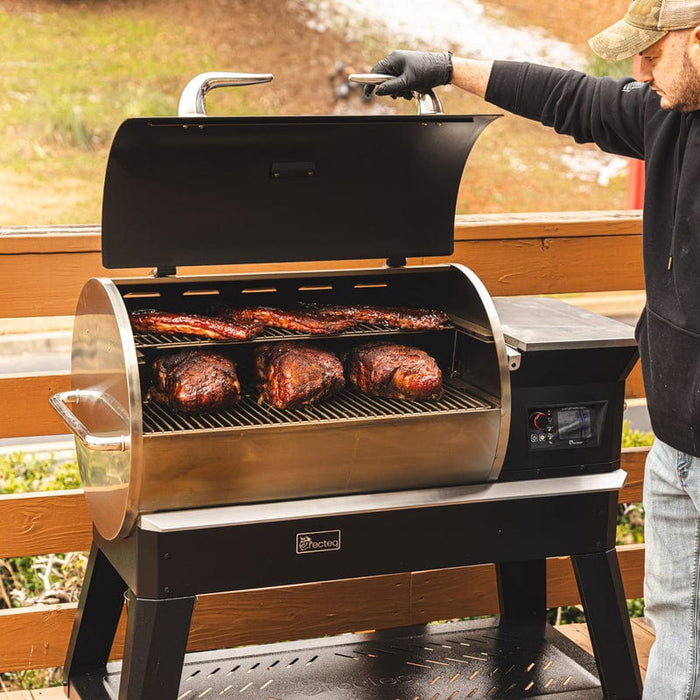
Recteq Deck Boss 800 Pellet Grill
800 square inches of cooking space, PID temperature control, Wi-Fi connectivity, and rock-solid build quality — a serious pellet grill for serious cooks.
Final Thoughts
Pellet smokers have transformed backyard cooking by making wood-fired flavor accessible to everyone — not just those willing to tend a fire for hours on end. The technology has matured, the options are plentiful, and the community of pellet grill enthusiasts is growing every day.
Armed with the knowledge from this guide, you are now equipped to cut through the noise, avoid common pitfalls, and find a pellet smoker that truly fits your lifestyle. Focus on temperature control quality, build materials, cooking area, and features that match the way you actually cook — and you will end up with a grill that delivers outstanding results for years.
Happy smoking.
© Backyard Provider — Your Trusted Source for Outdoor Living