

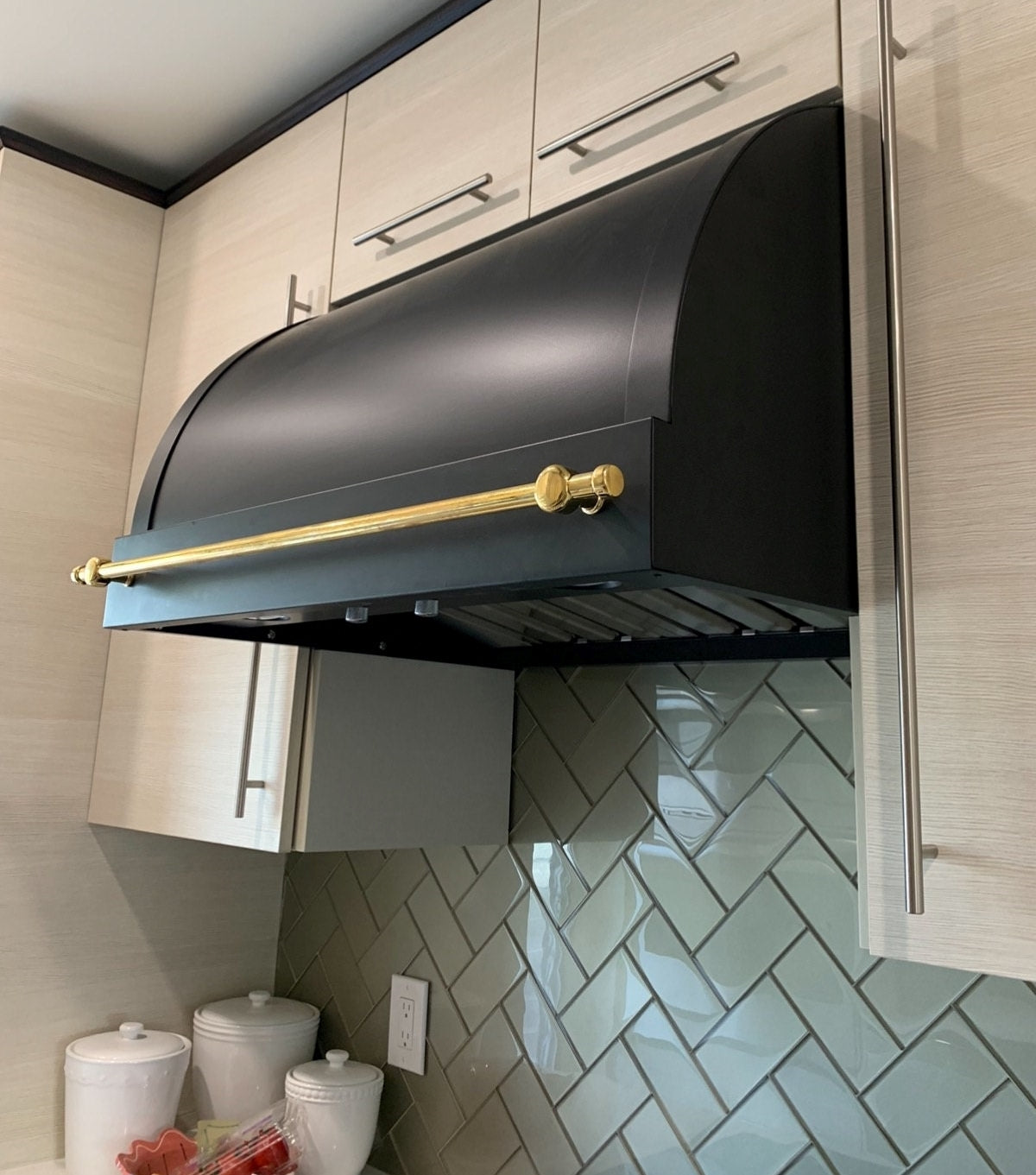
Welcome to Backyard Provider, your trusted resource for outdoor kitchen appliances and equipment. Today, we're exploring the critical topic of range hood duct sizing to help you make informed decisions about your outdoor cooking ventilation system.
Understanding the Basics
When discussing range hood duct size, we're referring to the diameter of your ductwork that ensures proper ventilation and optimal airflow. This measurement is essential for accommodating the volume of air being expelled by your range hood during cooking operations.
Why Duct Size Matters
Choosing the proper duct size is absolutely critical for multiple important reasons. First and foremost, it guarantees efficient performance—a duct that's undersized can create airflow restrictions, diminishing effectiveness and potentially raising noise levels during operation. Conversely, an oversized duct may not properly remove contaminants from the cooking area, reducing ventilation quality.
Key Factors to Consider
Multiple factors influence the appropriate duct size for your range hood installation:
CFM Rating
Consider the cubic feet per minute (CFM) rating of your range hood. This measurement indicates the volume of air the unit can move and helps determine the minimum duct diameter needed for optimal performance.
Duct Length and Configuration
Extended duct runs or installations with multiple bends require larger diameters to compensate for increased airflow resistance throughout the ventilation system.
Type of Range Hood
Different hood types, including wall-mounted, under-cabinet, or island hoods, may have varying duct size requirements based on their specific design and installation specifications.
Common Duct Sizes
6-Inch Duct
Ideal for range hoods with CFM ratings up to 400, suitable for smaller outdoor kitchens or less demanding cooking setups.
8-Inch Duct
Recommended for CFM ratings between 400 and 900, commonly used in medium-sized outdoor cooking areas.
10-Inch Duct
Suitable for CFM ratings above 900, typically found in larger outdoor kitchens or commercial-grade installations.
Professional-Grade Solution
For those seeking exceptional ventilation performance with up to 1200 CFM capacity, we recommend a professional-grade stainless steel range hood insert that combines power, durability, and efficient ductwork compatibility.
How to Determine the Right Size
While manufacturer recommendations provide an excellent starting point, you can also calculate the required duct size based on your unit's CFM ratings and duct configuration. For complex installations or if you're uncertain, consulting with HVAC professionals or ventilation specialists is always advisable.
Installation Tips
For optimal performance and safety, follow these essential installation guidelines:
Keep It Straight
Use straight runs of ductwork with minimal bends to minimize airflow resistance and maximize ventilation efficiency.
Choose Quality Materials
Opt for smooth metal ductwork instead of flexible options to reduce turbulence and improve overall system performance.
Ensure Proper Sealing
Seal all joints and connections properly to prevent air leaks that could compromise ventilation performance.
Compliance and Safety
Always ensure your installation complies with local building codes and safety regulations to avoid potential hazards. Proper ventilation installation is not only about performance—it's also about protecting your outdoor cooking space and ensuring safe operation.
Seek Professional Advice
If you're unsure about duct sizing or encounter complex installation scenarios, consult with an HVAC technician or ventilation expert for professional guidance. Their expertise can ensure optimal performance and safety for your outdoor kitchen ventilation system.
Conclusion
Selecting the right duct size is crucial for the effectiveness and efficiency of your range hood ventilation system. By considering factors like CFM ratings, duct configuration, and installation guidelines, you can ensure a healthy and comfortable outdoor cooking environment for years to come.
Visit Backyard Provider for more expert tips and advice on creating the perfect outdoor kitchen space!