

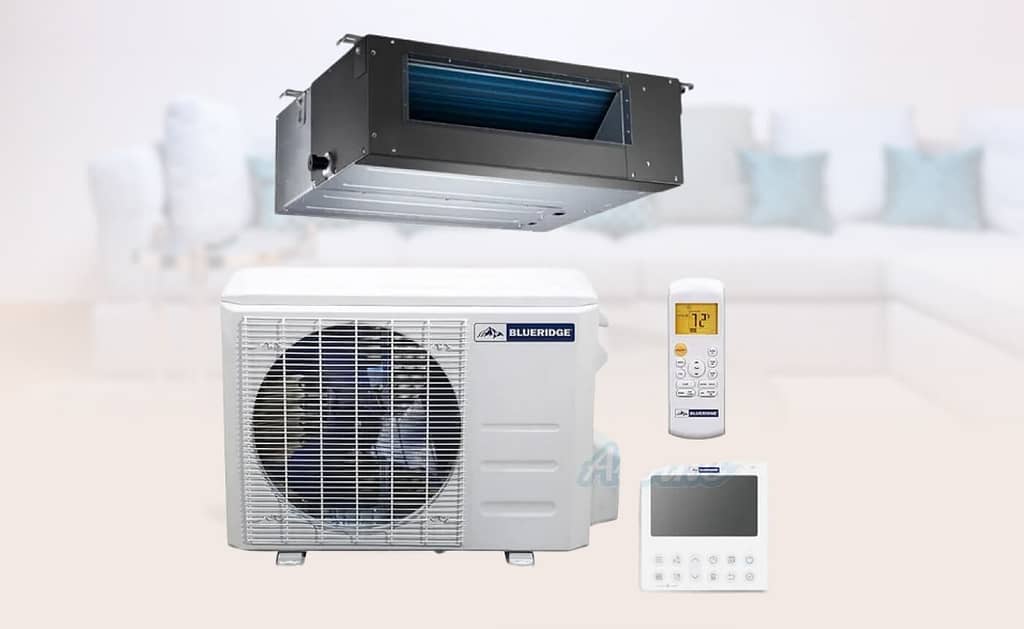
Transforming how homeowners approach climate control, ducted mini-split systems blend the discreet look of central air with the targeted efficiency of ductless technology. If your goal is whole-home comfort without sacrificing interior aesthetics, this system may be exactly what your property needs.
Key Takeaways
- A ducted mini-split becomes the quiet, invisible backbone of a home's HVAC system, combining full coverage with outstanding efficiency.
- Homeowners benefit from personalized zone control, meaning each room can be set to its own preferred temperature.
- Installation is streamlined because the system requires only a small conduit rather than a full duct network.
When a standard mini-split feels too compact and a conventional central system feels too invasive, a concealed ducted setup is the middle ground that delivers both polish and power.
What Is A Ducted Mini-Split System?
A ducted mini-split unit installs inside a ceiling, attic, or soffit space, where it is connected to a series of short, flexible ducts that push conditioned air into multiple rooms through low-profile vents. Instead of dominating a wall like traditional mini-splits, the indoor unit is entirely hidden from view, leaving only sleek supply grilles visible throughout the living area.
The concealed air handler is often described as the best of both worlds: it delivers the whole-home comfort associated with central HVAC while keeping the efficiency, zoning flexibility, and inverter-driven operation that make ductless systems so popular. One outdoor condenser powers everything, reducing clutter and simplifying maintenance.
Looking for a reliable, efficient ducted solution for your home?
Pioneer Quantum Ultra 22,000 BTUThe Strengths of Concealed Mini-Split Systems
Ducted mini-split platforms shine thanks to their ability to blend the control of ductless with the whole-home reach of central air. They carry several advantages that make them an obvious upgrade for many homeowners and contractors alike.
Energy Savings and Lower Operating Costs
Variable-speed inverter technology is a defining feature of this category. The compressor ramps up and down based on real demand rather than cycling harshly on and off, which cuts electricity use significantly. Combined with tight zoning and the absence of long, leaky duct runs, homeowners frequently see noticeable drops in monthly utility bills compared to older central systems.
Whole-Home Comfort With Custom Zoning
Because the indoor unit can feed several rooms through short duct runs, every occupied space receives balanced airflow. Pair that reach with smart thermostats or integrated controls, and each family member can tune their own area to their preference without affecting the rest of the home.
Clean Aesthetics and Space-Conscious Design
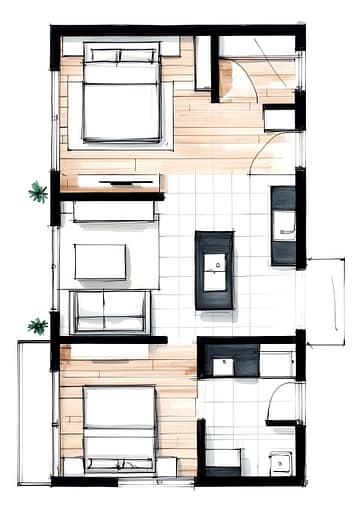
Homeowners who dislike the look of a wall-mounted head unit appreciate how a ducted mini-split disappears into the ceiling or attic. Only small supply and return grilles remain visible, preserving the clean lines of modern interior design and leaving walls free for art, shelving, or furniture.
How Ducted Mini-Splits Work
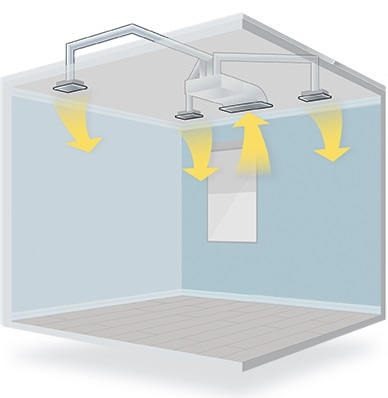
A ducted mini-split system operates on the same refrigerant cycle as any other heat pump, but the distribution method is what sets it apart. A single outdoor condenser exchanges heat with the outside air, then circulates refrigerant to the concealed indoor air handler through a compact line set.
Once the indoor unit conditions the air, a quiet blower pushes it through a short series of rigid or flexible ducts and into the rooms it serves. A return grille pulls warm or stale air back into the unit, where it is filtered, conditioned, and recirculated. The entire loop is controlled by a thermostat or remote that adjusts output in real time based on temperature demand.
The Job of Ductwork in Delivering Conditioned Air
Even though ducted mini-splits use ducts, the runs are far shorter and far better sealed than those in conventional central systems. Shorter ducts mean less conditioned air is lost along the way, and fewer joints translate to fewer chances for leaks. That efficient air delivery is part of why these systems outperform many older setups.
How a Ducted Mini-Split Compares to Traditional Central Air
Traditional Ducted Systems vs. Ducted Mini-Splits
What Makes a Ducted Mini-Split Truly Unique?
The ducted mini-split is the rare HVAC solution that does not ask the homeowner to compromise. A few key qualities elevate it above the rest:
- Near-silent indoor operation. Because the indoor unit is tucked away in the ceiling or attic, occupants rarely hear anything beyond a gentle whisper of airflow from the vents.
- Hyper-efficient seasonal performance. SEER2 ratings for models like the Pioneer Quantum Ultra reach values that leave many older systems in the dust, translating directly to year-round savings.
- Clean, flexible layout. With the mechanical guts hidden above the living space, the visible footprint inside the home is limited to small supply and return grilles.
They Have the Most Discreet Appearance of All Mini-Split Air Handlers
Of every indoor air handler on the market, the concealed ducted model is by far the least visible. There are no chunky wall cassettes, no ceiling cassettes hanging into the room, and no floor consoles occupying wall space. For homeowners who prioritize a clean interior, nothing else comes close.
They Have the Quietest Operation, Thanks to Concealed Components
With the blower, evaporator coil, and electronics all hidden behind drywall or soffit panels, the audible footprint of the system is minimal. Most of the operational noise stays contained above the ceiling, so living areas remain peaceful even while the system is actively conditioning air.
Installing a Ducted Mini-Split System
Installing a concealed ducted mini-split system calls for experienced hands, though the process is far less disruptive than a full central air retrofit. A certified HVAC technician will plan the layout, identify ideal locations for supply and return vents, and minimize cosmetic impact throughout the home.
The job generally begins with selecting the right location for the indoor air handler, typically above a drop ceiling, in a large closet, or in attic space. From there, the technician routes short duct runs to each conditioned room and connects the refrigerant line set to the outdoor condenser. A final commissioning step verifies airflow balance, refrigerant charge, and thermostat operation.
Modern ducted mini-splits are designed for long service life, and with periodic filter changes and annual tune-ups, they can deliver consistent, efficient comfort for well over a decade.
When You're Ready to Upgrade, Backyard Provider Is Here to Help
Backyard Provider carries a hand-picked selection of premium ducted mini-split systems engineered for quiet, efficient, whole-home comfort. Whether you are retrofitting an older property, outfitting a new build, or upgrading tired central air, our team is ready to help you find the right match.
With more than 20 years of industry experience and a deep catalog of trusted HVAC brands, we make it easy to compare models, understand sizing, and move forward with confidence. If you have questions about load calculations, installation requirements, or which system best fits your layout, reach out any time — we are glad to guide you through the decision.
Ready to Experience Next-Level Comfort?
Explore the Pioneer Quantum Ultra 22,000 BTU 19 SEER2 Ceiling Concealed Ducted Mini-Split — a premium all-in-one system ready to transform your home's climate.
Pioneer Quantum Ultra 22,000 BTU