

Cycling doesn't have an expiration date. With the right bike underneath you, the simple joy of pedaling can stay part of your life well into your seventies, eighties, and beyond. In this guide, we'll walk through what actually matters when choosing a bike as you age, so you spend more time riding and less time worrying.

Age shouldn't be the thing that takes you off two wheels. In fact, regular cycling is one of the best low-impact activities out there for joint health, balance, heart function, and mental well-being. The trick is making sure the bike fits your body and your lifestyle today, not the one you had two decades ago.
The bikes that work best for older riders usually share a few qualities: a comfortable, upright seating position, easy mount-and-dismount geometry, dependable braking, forgiving gearing, and, for many, a bit of electric assistance to flatten out the hills. Below, we'll break these down piece by piece so you can shop with confidence.
What's Inside This Guide
Benefits of Cycling as You Age
Pedaling is gentle on the knees, hips, and ankles compared with running or even brisk walking on hard surfaces. Because your body weight is supported by the saddle, the impact on joints is minimal, which makes cycling an excellent option for riders managing arthritis, recovering from injuries, or simply looking to stay active without pounding pavement.
Beyond the physical, cycling has real cognitive and emotional upsides. A steady ride boosts circulation, sharpens focus, and releases the kind of endorphins that put you in a better mood for hours afterward. Group rides and neighborhood loops also keep you socially connected, which matters more than most of us admit.
"Movement is medicine, and few forms of movement are as sustainable into later life as cycling."
Finding the Right Frame
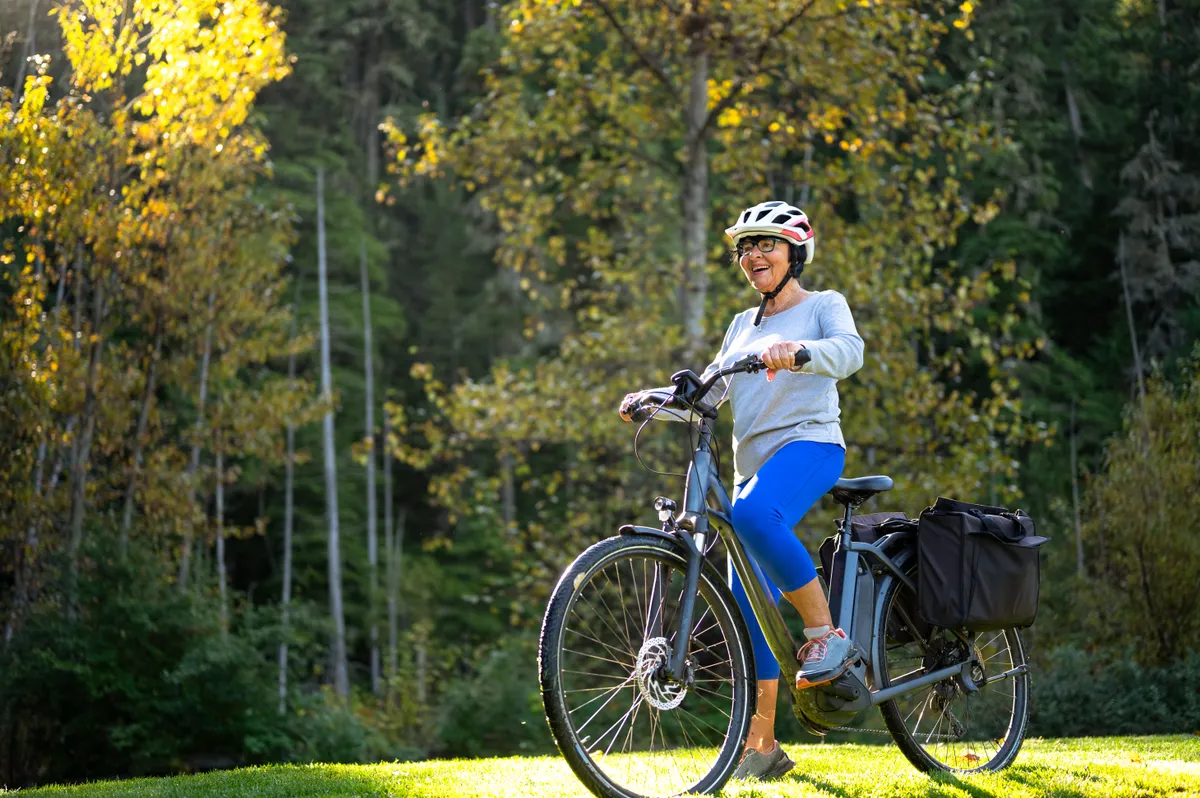
The frame is where everything begins. For most senior riders, a step-through or low-step frame is the sensible choice. Instead of swinging a leg high over a traditional top tube, you can simply walk into the bike, which makes getting on and off safer, especially if balance or flexibility isn't quite what it used to be.
You'll also want to pay attention to the overall geometry. A more upright riding position takes pressure off your lower back, wrists, and neck, while a longer wheelbase adds stability at slow speeds. Cruiser-style and comfort-style bikes are designed around exactly these principles.
Step-Through vs. Step-Over
A step-through frame has a low or absent top tube, making mounting effortless. A step-over frame, the traditional diamond shape, is stiffer and lighter but requires more flexibility to get on. Unless you have a specific reason to choose otherwise, step-through is the friendlier option for later-life cycling.
Saddle Comfort
Nothing ruins a ride faster than a saddle that doesn't agree with you. Wider, well-cushioned saddles with a relief channel down the middle tend to work best for relaxed, upright riding. Gel covers and suspension seatposts can add another layer of comfort on rougher streets and packed gravel paths.
Width Matters
Choose a saddle wide enough to support your sit bones. Too narrow and you'll feel every mile in your tailbone.
Cushioning
Gel and memory foam padding helps, but don't go overboard — too much squish can actually cause pressure points.
Suspension Seatpost
A simple add-on that absorbs road buzz and small bumps, saving your back on longer rides.
Handlebars and Reach
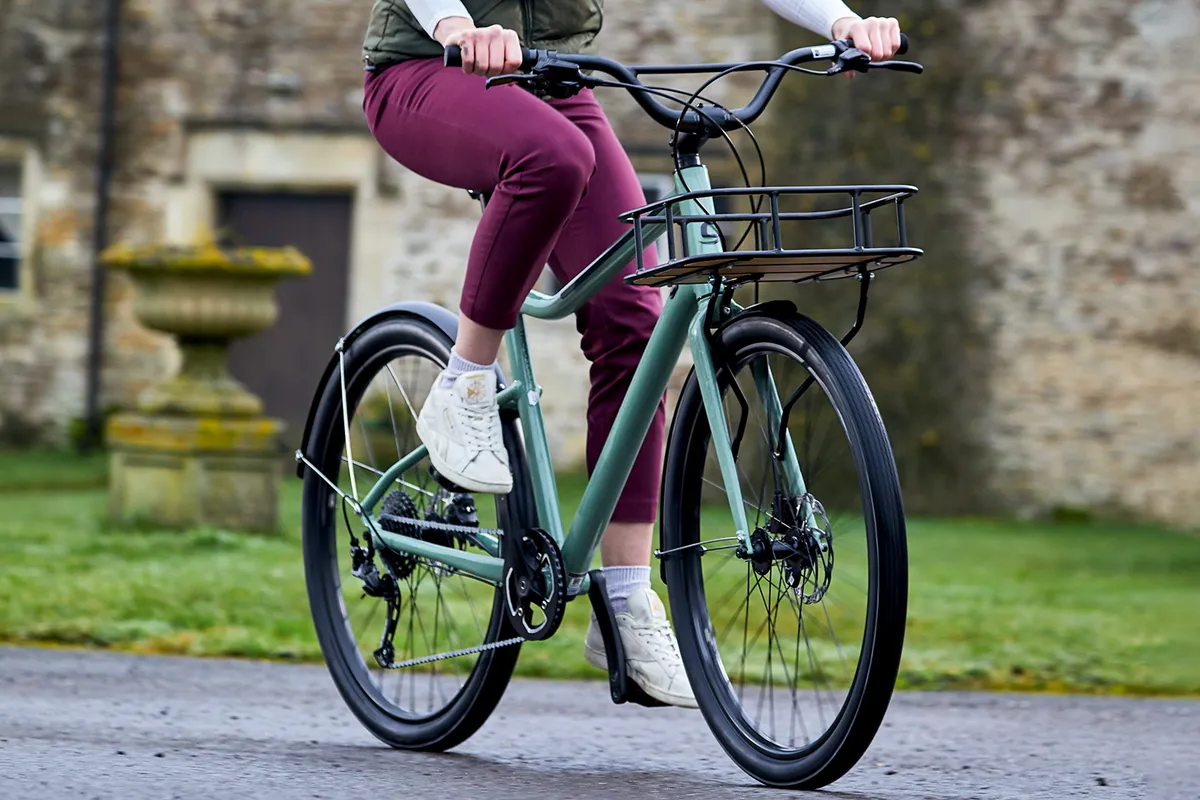
Swept-back or cruiser-style handlebars bring the grips closer to your body, so you don't have to hunch forward to steer. This upright posture is far easier on the shoulders, neck, and lower back, and it gives you a better view of traffic and the road ahead.
Adjustable stems are worth looking for too. They let you fine-tune the reach and height without buying new parts, which is useful as your comfort preferences evolve over time. Ergonomic grips, often with a subtle wing shape, reduce numbness and tingling on longer rides by spreading the pressure across your palm.
Gearing That Works
A wide, easy-to-use gear range can make or break your ride, especially if your routes include any elevation. For many senior riders, a simple internal-geared hub, like a Shimano Nexus 7 or 8-speed, strikes a great balance between simplicity and versatility. You can shift at a stop, there's no exposed derailleur to damage, and maintenance is minimal.
If you prefer traditional external gearing, look for a setup with a wide spread and a generous granny gear for climbing. Thumb shifters or twist grips are generally easier on arthritic hands than small trigger paddles.
Braking Confidence
Good brakes aren't a luxury — they're the difference between a fun ride and a scary one. Mechanical or hydraulic disc brakes offer strong, consistent stopping power in both dry and wet conditions, and they don't require much hand strength to activate. That last point is a big deal if grip strength has softened over the years.
If disc brakes aren't in the budget, modern V-brakes or roller brakes can still do the job well on an upright city bike. The key is making sure the levers are reach-adjustable, so they sit at a distance that matches your hand size comfortably.
Should You Go Electric?
For a lot of riders, the honest answer is yes. An electric bike doesn't replace your effort — it amplifies it. You still pedal, still get the exercise, still feel the wind on your face. The motor simply smooths out headwinds, shortens climbs, and extends how far you can comfortably go in a single outing.
That last benefit is the one most riders underestimate. With an e-bike, a ten-mile loop doesn't become a negotiation with your knees. You come home energized instead of wiped out, which means you ride more often, which means you keep getting the health benefits year after year.
Classes of E-Bike
- Class 1: Pedal-assist only, up to 20 mph. The most common and widely accepted on bike paths.
- Class 2: Pedal-assist plus a throttle, up to 20 mph. Great if you want a break from pedaling occasionally.
- Class 3: Pedal-assist up to 28 mph. Best for confident riders on open roads.
For most senior riders, a Class 1 or Class 2 bike with a mid-drive or quality hub motor delivers the right balance of power, range, and ease of use. Look for a removable battery (so you can charge it indoors), a clear display, and simple controls you can operate without taking your eyes off the road.
Helpful Accessories
A few well-chosen add-ons can make your bike significantly more comfortable and safer. None of these are required, but most riders find they improve the experience dramatically.
Mirrors
A bar-end or helmet mirror lets you check traffic without twisting your neck — a small luxury that pays off every ride.
Lights
Bright front and rear lights, ideally with a steady and flashing mode, make you visible in all conditions, not just after dark.
Racks and Baskets
A rear rack or handlebar basket lets you carry groceries, a jacket, or a picnic without a backpack pulling on your shoulders.
Kickstand
A sturdy, well-placed kickstand makes parking effortless — often overlooked until you don't have one.
Fenders
Keep road spray off your clothes and back so you can ride in any weather without a wardrobe change.
Bell or Horn
A friendly bell is a polite way to alert pedestrians on shared paths and can prevent surprises at low speeds.
Safety Should Be Second Nature
A quality helmet is non-negotiable, regardless of how short or familiar your route is. Look for one with MIPS or a comparable rotational-impact technology, and replace it after any significant fall. Bright or reflective clothing adds a layer of visibility, especially at dusk and dawn when driver awareness drops.
Before every ride, take thirty seconds for the basics: check your tire pressure, give the brakes a quick squeeze, and make sure your quick-release levers are snug. A well-maintained bike is a safe bike, and most local shops offer affordable tune-ups a couple of times a year.
The Bottom Line
Choosing a bike as a senior comes down to matching the machine to the life you actually want to live. For most riders, that means a step-through frame, an upright position, friendly gearing, reliable disc brakes, and — increasingly — a pedal-assist motor to keep rides fun rather than exhausting. Spend a little time sitting on a few different bikes before you buy, and don't underestimate how much a good saddle and properly sized grips can transform a ride.
The best bike is the one you'll actually want to ride tomorrow, and the day after that. Choose with comfort in mind, add a few smart accessories, and you'll rediscover why so many of us fell in love with cycling in the first place.