

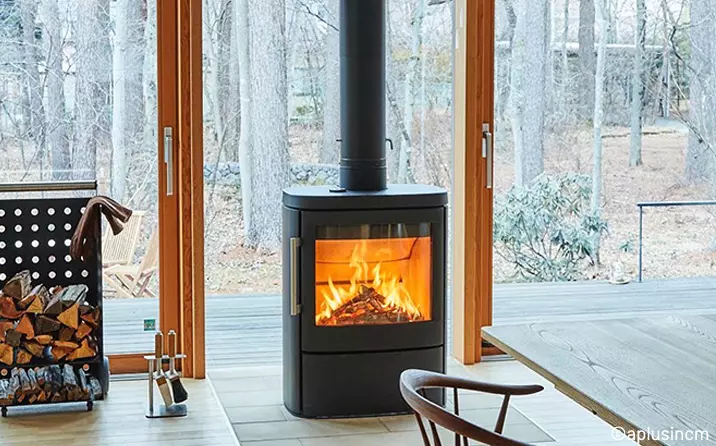
Prerequisites and Preparation Before Installing a Wood-Burning Stove
Installing a wood-burning stove transforms your living space into a cozy, energy-efficient haven. However, proper preparation is essential to ensure safety, compliance with local regulations, and optimal performance. Before diving into the installation process, you must understand the technical requirements, administrative considerations, and financial planning involved.
Essential Technical and Administrative Checks
Installing a wood-burning stove requires careful attention to several key factors. The layout of your home, particularly the type of room where installation is planned, significantly impacts the feasibility of your project. Different areas may have specific ventilation requirements and structural considerations that must be addressed.
Key elements to evaluate include the type of suitable flue installation for your home, whether your flooring can support combustion equipment, building permit requirements or mandatory declarations, the efficiency rating of your chosen model, compliance with local fire safety standards, and verification of existing chimney conditions if applicable.
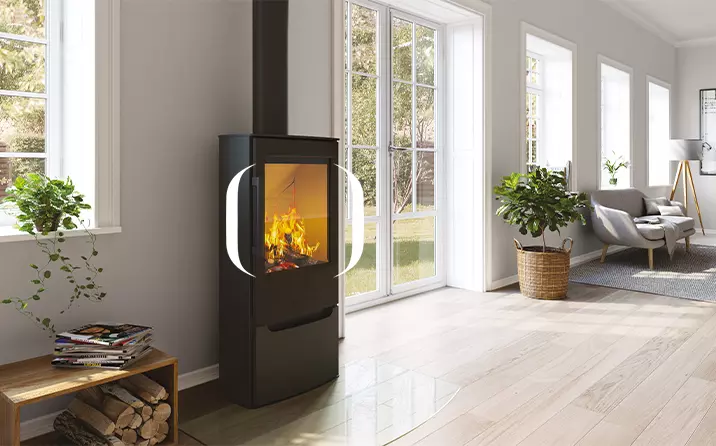
Budget and Financial Assistance for Your Wood-Burning Stove Installation
Installing a wood-burning stove represents an investment that can deliver substantial returns through energy savings. Many homeowners find they can benefit from various assistance programs, rebates, and tax incentives. Check with local energy authorities and municipal programs that may offer financial support for eco-friendly heating installations.
Potential financial benefits include reduced monthly heating costs through wood fuel efficiency, increased property value with a professionally installed heating system, access to green energy rebates in certain regions, and lower carbon footprint compared to traditional fossil fuel heating.
Choosing the Ideal Location for Your Wood-Burning Stove
To extract maximum heating efficiency from your wood-burning stove, placement is paramount. Strategic positioning ensures effective heat distribution throughout your living areas while maintaining safety clearances.
Consider factors such as natural air circulation patterns in your home, proximity to main living areas where heat is most needed, structural requirements for the flue system, available floor space for safe operation and fuel storage, and aesthetic integration with your interior design.
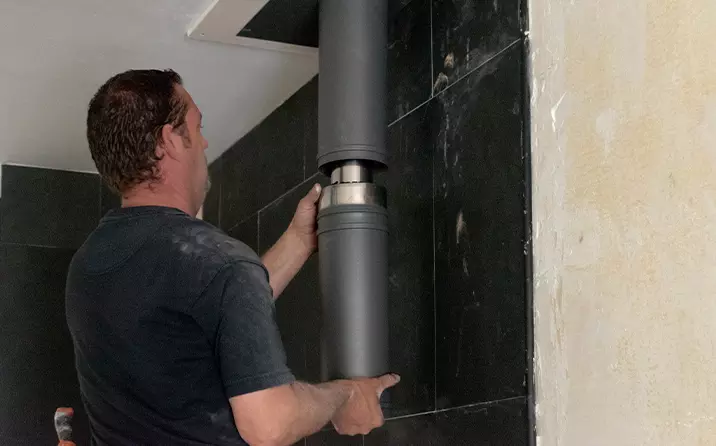
Technical Criteria for Optimal Placement
Proper positioning maximizes heating efficiency and ensures safety compliance. Your stove should be centrally located when possible, allowing radiant heat to reach multiple rooms. The surrounding area must have adequate clearance from combustible materials including walls, furniture, and window treatments.
Wall Clearances
Maintain proper distance from combustible walls as specified by manufacturer guidelines, typically ranging from several inches to over a foot depending on heat output.
Floor Protection
Install non-combustible floor pads extending adequately in front of and around the stove to protect flooring from heat and stray embers.
Furniture Distance
Keep all furnishings, curtains, and decorative items at a safe distance from the heat source to prevent fire hazards.
Safety Distances for Wood-Burning Stove Installation
Adhering to minimum safety distances prevents fire hazards and ensures optimal performance. Different components require specific clearances based on combustibility and heat exposure.
The combustible wall clearance typically requires adequate distance between the stove and any wall made of combustible materials. For non-combustible or protected surfaces, reduced clearances may be acceptable. Hearth and flooring protection must extend sufficiently in front of the loading door for coal and ember containment.
The Chimney Flue: A Crucial Element of Installation
The chimney flue serves as the respiratory system of your wood-burning stove, drawing combustion gases safely out of your home while creating the draft necessary for efficient burning. A properly designed and installed flue system directly impacts stove performance, safety, and longevity.
Key considerations include adequate height for proper draft creation, appropriate diameter matched to your stove output, proper insulation to maintain flue gas temperatures, secure connections and sealing throughout the system, and compliance with local building codes regarding chimney construction and placement.
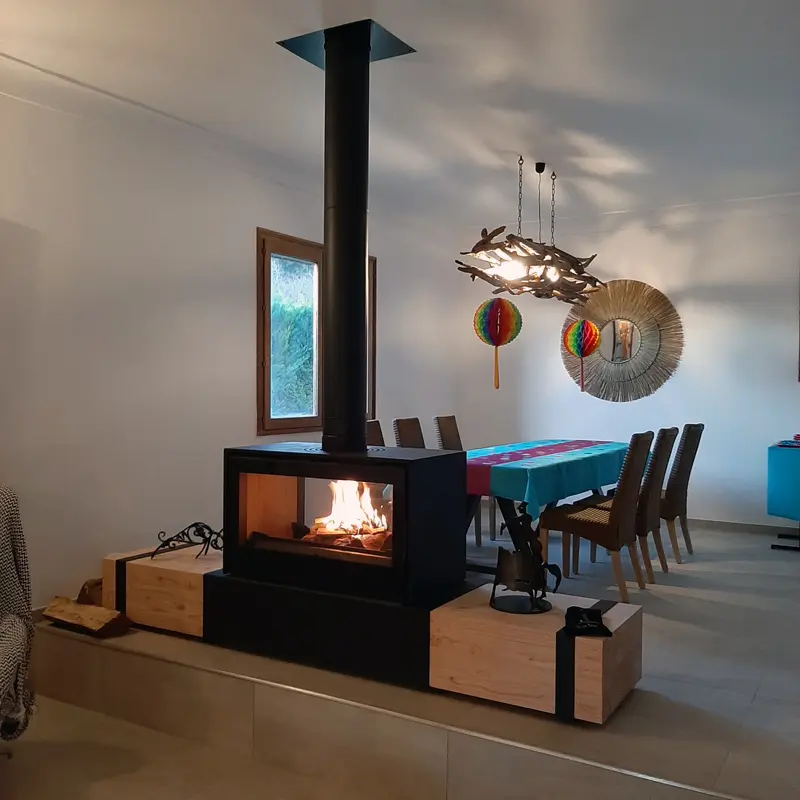
Types of Flues and Building Standards
The existing flue configuration in your home largely determines the installation approach. Whether using an existing masonry chimney with a new liner, installing a new prefabricated metal chimney system, or routing through exterior walls, each option has specific requirements and considerations.
Common configurations include the flue exiting through the roof for maximum draft, horizontal connections to existing chimneys, rear-exit installations with external vertical runs, and the chimney terminating at the required height above the roofline. All installations must comply with applicable building standards and fire safety regulations in your jurisdiction.
Detailed Steps to Install a Wood-Burning Stove
Step 1: Preparing the Room and Protecting the Floor
Begin by installing a suitable hearth pad to protect your flooring. This non-combustible surface should extend adequately beyond the stove footprint in all directions, particularly in front of the loading door. Prepare the surrounding walls with appropriate heat shields if clearance distances cannot be met with standard spacing. Ensure the floor structure can support the combined weight of the stove and hearth materials.
Step 2: Installing the Air Intake System
Modern wood-burning stoves often benefit from dedicated combustion air supplies. Running an exterior air intake directly to the stove ensures consistent oxygen supply for efficient burning without drawing heated air from your living space. This approach improves both efficiency and indoor air quality while preventing potential backdraft issues in tightly sealed homes.
Step 3: Positioning and Connecting the Stove
Carefully position the stove on the prepared hearth, ensuring all required clearances are maintained. Connect the stove pipe to the flue collar, securing all joints with appropriate fasteners and sealing with high-temperature silicone where specified. Verify vertical alignment and proper support for the flue pipe assembly before final securing.
Final Checks and Professional Inspection
Upon completing the physical installation, thorough verification ensures safety and optimal performance. Check all flue connections for secure fit and proper sealing. Verify clearances to combustible materials meet or exceed requirements. Test the damper operation and ensure proper draft by lighting a small test fire.
Many jurisdictions require professional inspection before regular use. Even where not mandated, having a certified chimney professional or fire safety inspector review your installation provides valuable peace of mind and may be required for insurance purposes.
Standards and Regulations for Wood-Burning Stove Installation
Ensuring your installation meets all applicable standards protects both your home and your family. Building codes establish minimum requirements for fire safety, emissions, and structural considerations. Key compliance areas include EPA certification for stove emissions performance, UL listing or equivalent safety certification, local building permit requirements, and fire code clearance specifications.
Reputable manufacturers provide detailed installation specifications that meet or exceed standard requirements. Always follow manufacturer guidelines in conjunction with local codes, applying whichever requirements are more stringent.
Commissioning and Maintenance of Your Wood-Burning Stove
When commissioning your new wood-burning stove, expert recommendations suggest starting with small fires initially to cure paint and gaskets, inspecting all connections after the first few uses as materials expand and contract, establishing a regular cleaning schedule for the firebox and ash pan, and scheduling annual chimney inspections and cleaning.
Long-term maintenance preserves performance and safety. Check door gaskets annually for proper seal, inspect glass for cracks or seal failure, verify damper operation before each heating season, and maintain appropriate records of inspections and any repairs performed.
Average Lifespan
15-25 Years
With proper maintenance and quality construction, wood-burning stoves provide decades of reliable service.
Manufacturer Warranty
3-10 Years
Most quality manufacturers offer substantial warranty coverage on firebox and structural components.
Key to Longevity
Annual Care
Regular inspection, chimney sweeping, and prompt replacement of gaskets maximize stove lifespan.
Why Choose a Wood-Burning Stove Over Other Heating Options?
Wood-burning stoves offer unique advantages that make them an excellent choice for homeowners seeking efficient, reliable, and sustainable heating solutions.
Energy Independence
Operate without electricity, providing heat during power outages and reducing utility dependence.
Eco-Friendly Heating
Wood is a renewable resource with carbon-neutral combustion when sourced sustainably.
Cost-Effective Fuel
Wood fuel often costs less than propane, oil, or electric heating, especially in rural areas.
Ambiance and Comfort
Nothing matches the warmth and ambiance of real flames for creating a cozy living environment.
What Budget Should You Plan for a Wood-Burning Stove?
When planning to purchase a wood-burning stove, it's practical to allocate a total budget that covers the appliance, supplies, and installation. This comprehensive investment ensures you acquire quality equipment installed to the highest standards.
The cost of the appliance varies considerably depending on size, features, and heating capacity. Entry-level models start reasonably priced, while premium units with advanced features command higher prices. Additional costs include flue components, hearth materials, and professional installation labor. Consider these categories when building your total investment estimate.
Appliance Cost
Varies by Model
Supplies Cost
Flue & Materials
Labor Costs
Professional Install
Total Investment
Complete Project
Other Regulatory Considerations
Beyond basic building codes, several regulatory factors may affect your installation. Local zoning ordinances may restrict wood-burning in certain areas or during high-pollution periods. Homeowners associations may have aesthetic or usage guidelines. Insurance policies often have specific requirements for wood-burning appliance installations.
Research local regulations thoroughly before purchasing. Contact your insurance provider to understand coverage requirements and any premium adjustments. Proper documentation of professional installation and inspections often satisfies both regulatory and insurance requirements.
Featured Product
Osburn 3500 Wood Stove with Blower
Experience exceptional heating performance with the Osburn 3500. This high-efficiency wood stove delivers powerful, consistent warmth with advanced combustion technology and an integrated blower for optimal heat distribution throughout your home.
Shop Osburn 3500Ready to Transform Your Home Heating?
A wood-burning stove installation represents a rewarding investment in comfort, efficiency, and energy independence. With proper planning, professional installation, and regular maintenance, your stove will provide years of reliable warmth and enjoyment for your family.