

Environmental awareness is reshaping the way consumers and industries alike think about materials. From clothing to furniture, eco-friendlier alternatives are quietly replacing their traditional counterparts — and bonded leather is one of the most talked-about options in that shift.
Leather has long served workwear, PPE, and upholstery markets with confidence. But as sustainability concerns grow louder, attention is turning toward regenerated materials like bonded leather. In this guide, we break down exactly what it is, how it's made, and what it means for the environment.
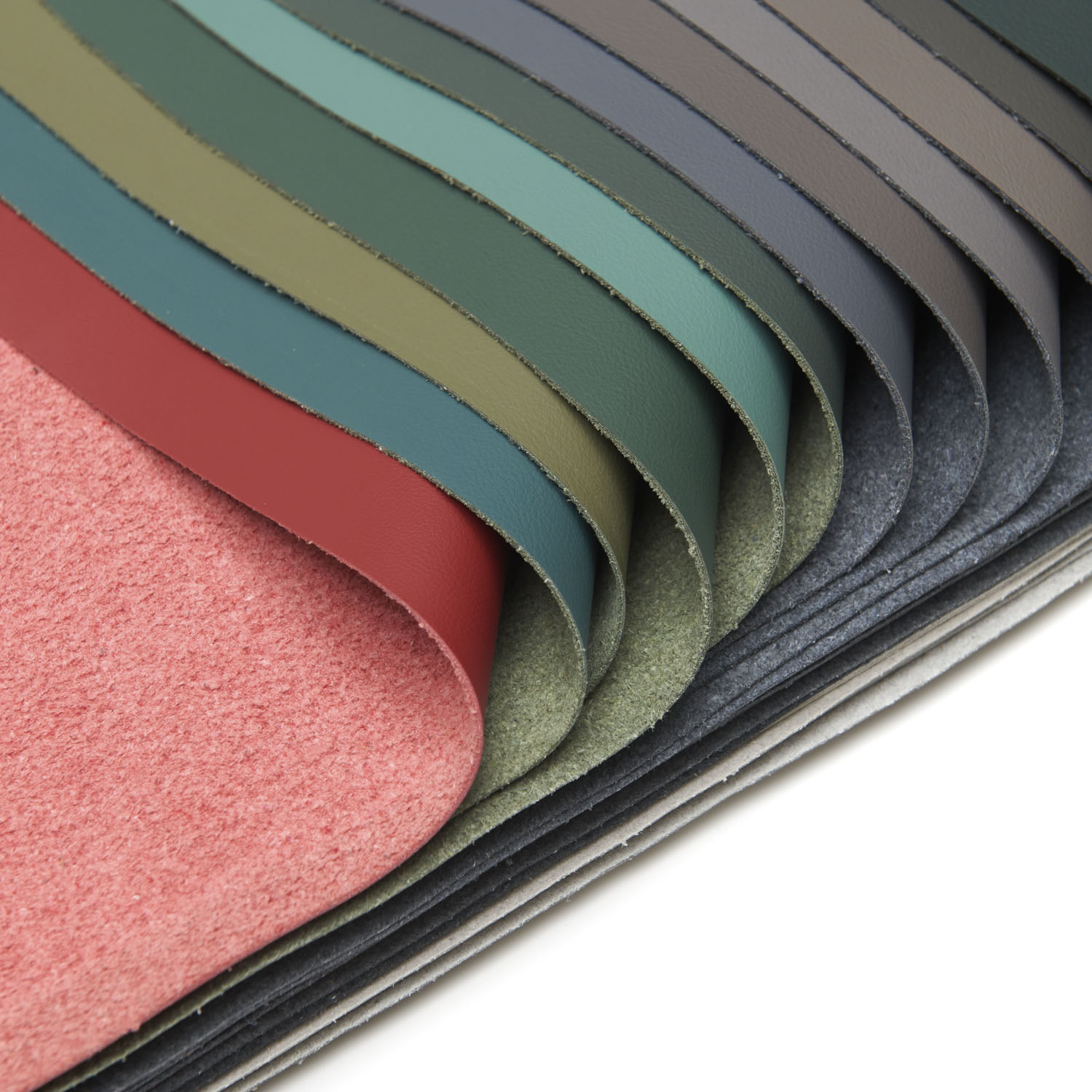
Bonded leather — sometimes called blended, regenerated, or reconstituted leather — is a modern, eco-conscious material that combines natural leather remnants with synthetic components. Rather than being cut from a whole hide, it is formed by bonding leftover leather scraps with polyurethane or similar synthetic binders.
The resulting material mimics the look and feel of conventional leather closely while making use of materials that would otherwise go to waste. Its lower price point and appealing surface texture have made it a go-to option across a range of industries.

The sustainable alternative to conventional leather carries a number of practical benefits. Here's a closer look at what makes it such a popular choice for manufacturers and consumers alike.
Cost-Effective
Genuine leather commands a premium price, especially as demand for protective gear and industrial workwear rises. Bonded leather delivers a comparable look and protective quality at a fraction of the cost, making it an accessible luxury.
Aesthetic Appeal
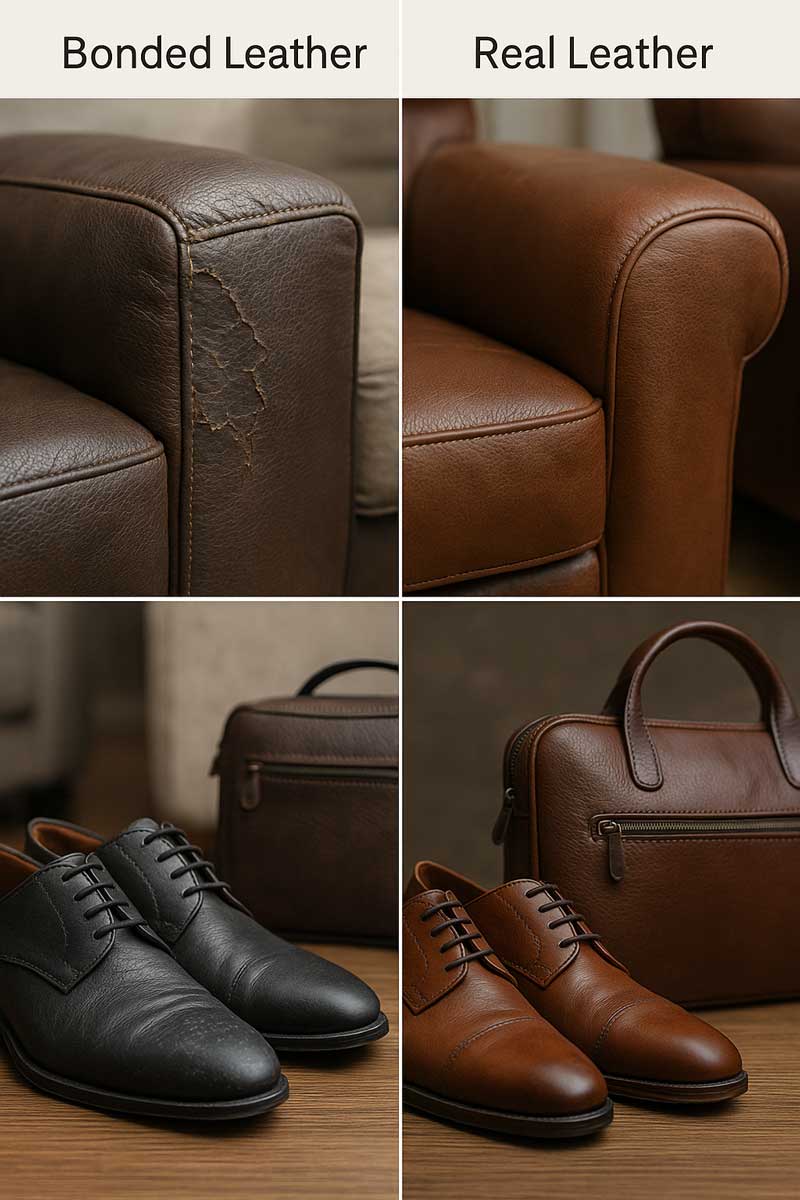
Don't be fooled by the lower price tag — bonded leather is crafted to replicate the textures and finishes of natural leather with impressive accuracy. It's remarkably difficult to distinguish at first glance, making it a natural fit for visible, high-traffic applications.
Durability
Among all synthetic leather options, the bonded variety stands out for its resilience. It holds up well under daily wear and tear and keeps its shape over time — though it won't quite match the longevity of full natural leather.
Easy Maintenance
One of its most practical selling points is how little effort it takes to maintain. No specialised leather conditioners required — a simple wipe with a damp cloth keeps bonded leather looking clean and presentable.
Versatility
From outdoor furniture and upholstery to garments and accessories, bonded leather crosses industry lines with ease. Its adaptability is a key reason manufacturers continue to choose it as a preferred material.
Ready to Experience It?
Shop the Alexis Bonded Leather Chair — a refined seating option that brings together style, comfort, and the durability of bonded leather.
Understanding bonded leather means looking at the full picture — including its environmental footprint. While it offers several sustainability advantages over conventional production, it's not without its limitations.
Limited Sustainability
Bonded leather makes use of genuine leather remnants that would otherwise be discarded, which reduces raw material waste. However, the process of sourcing those remnants still involves conventional leather production — meaning deforestation and industrial emissions remain part of the supply chain.
Shorter Lifespan
Compared to full-grain leather, bonded leather tends to deteriorate sooner. When it does wear out, it contributes to material waste — an important consideration for buyers thinking long-term about their environmental impact.
Limited Biodegradability
Natural leather biodegrades gradually over time. Bonded leather, because of its synthetic binders, does not break down nearly as quickly. This means end-of-life disposal is a more significant environmental concern than with its natural counterpart.
Still have questions? Here are answers to some of the most common things people want to know about bonded leather.
Is Bonded Leather Real Leather?
Bonded leather contains genuine leather fibers, so it is not entirely synthetic. However, it is not solid leather either — it is a composite material that blends leather remnants with polyurethane or other synthetics. Think of it as leather-derived rather than leather.
What Is Regenerated Leather?
Regenerated leather is another term for bonded or reconstituted leather. It refers to the process of collecting leftover leather scraps from manufacturing, breaking them down, and reforming them into a new sheet of usable material — giving waste a second life.
How Long Does Bonded Leather Last?
With proper care, bonded leather can last several years. It holds up well in everyday use, though it won't reach the decade-plus lifespan of high-quality natural leather. Regular cleaning and avoiding prolonged sun exposure will help extend its life.
Is Bonded Leather a Good Choice for Furniture?
Yes — particularly for those who want the look of leather at a lower price. It's well-suited to chairs, sofas, and other upholstered pieces that experience moderate use. Its ease of cleaning also makes it practical for households and offices alike.