

Walk into any furniture showroom or browse online and you will almost certainly run into at least one of these three terms: bonded leather, faux leather, or leatherette. They are used so interchangeably — and sometimes so loosely — that it is easy to walk away more confused than when you started. The truth is, these materials each have their own distinct characteristics, strengths, and trade-offs, and knowing the difference can save you a significant amount of disappointment down the road.
This guide breaks everything down in plain language so you can shop with genuine confidence, whether you are outfitting a living room, a home office, or a relaxed outdoor entertaining space.
What Is Bonded Leather?
Bonded leather is produced by taking leftover scraps and fibres from genuine leather hides and binding them together with a polyurethane (PU) adhesive, then pressing the result onto a fibre or paper backing. A surface emboss gives it the appearance of real leather grain — but make no mistake, it is not the same thing as genuine leather.
Think of it a little like particle board versus solid wood. It uses real material, but in a heavily processed, reconstituted form. Bonded leather typically contains somewhere between 10% and 20% actual leather content. The rest is entirely synthetic.
One of the most common complaints about bonded leather is peeling. Over time — sometimes within just a few years — the polyurethane coating separates from the backing, causing unsightly flaking across seat cushions, armrests, and backrests. This is particularly common in pieces that see daily use or are exposed to fluctuating sunlight and humidity levels.
That said, bonded leather remains a popular entry-level option for budget-conscious shoppers. If your budget is limited and you are not expecting a piece to last a decade, it can still offer reasonable short-term value.

What Is Faux Leather?
Faux leather is a broad umbrella term for any synthetic material engineered to look and feel like genuine leather. It is entirely man-made and contains no animal products. The most common types are made from polyurethane (PU) or polyvinyl chloride (PVC), each applied to a textile or fabric base.
High-quality PU faux leather can be remarkably soft, supple, and convincing to the touch. It is also significantly more water-resistant than genuine leather, making it a practical choice for households with young children, pets, or simply a higher likelihood of spills.
From an ethical standpoint, faux leather appeals to consumers who prefer not to use animal-derived materials. It has become a staple in vegan-friendly furniture ranges and continues to grow in sophistication and variety.
What Is Leatherette?
Leatherette is essentially another name for faux leather — though the two terms are not always perfectly interchangeable. Leatherette typically refers specifically to PVC-based synthetic leather and has existed since the early twentieth century, once associated with budget car upholstery and diner booth seating. Modern versions are far more refined.
Leatherette is very easy to clean, highly resistant to stains, and tends to hold its colour well over many years. It does not breathe as naturally as PU-based materials, which can make it feel warmer to sit on in hot climates — something worth factoring in depending on where you live.
In the furniture world, leatherette is a solid performer in high-traffic settings, such as home offices, waiting rooms, and dining spaces, precisely because it is robust and wipe-clean with minimal fuss.
What Is the Difference Between All Three?
Now that we have covered each material individually, here is a clear side-by-side comparison across the factors that matter most when choosing furniture upholstery:
| Feature | Bonded Leather | Faux Leather (PU) | Leatherette (PVC) |
|---|---|---|---|
| Composition | Leather scraps + PU binder | 100% synthetic (PU) | 100% synthetic (PVC) |
| Durability | Low–moderate; prone to peeling | Moderate to high | High; very wear-resistant |
| Look & Feel | Leather-like; can feel stiff | Soft and supple | Smooth; less natural feel |
| Water Resistance | Moderate | Good | Excellent |
| Breathability | Low | Moderate | Low |
| Price Point | Budget-friendly | Mid-range | Budget to mid-range |
| Animal-Free | No (contains leather fibres) | Yes | Yes |

Other Types of Leather to Know
When shopping for leather furniture, you will also encounter genuine leather grades that go well beyond synthetic alternatives. Understanding where bonded, faux, and leatherette sit within the broader leather landscape helps put everything into perspective.
- Top-Grain Leather — The uppermost layer of the hide, lightly sanded and refinished for a uniform surface. It is the most common grade used in quality furniture. Soft, durable, and ages gracefully.
- Full-Grain Leather — The highest quality grade available. The natural surface is kept entirely intact, meaning every mark and variation from the original hide is preserved. It develops a beautiful patina over decades of use.
- Split-Grain Leather — Cut from the lower layers of the hide after top-grain is removed. Less premium, but still genuine leather — often used for suede-style finishes.
- Suede Leather — A type of split leather with a napped, velvety surface finish. Luxurious to the touch but more susceptible to staining and moisture damage.
- Nubuck Leather — Similar to suede, but buffed from the outer side of full-grain hide. Slightly more durable than suede with a similar soft texture.
- Bicast Leather — Split leather with a polyurethane layer applied to its surface. More affordable than top-grain but more durable than bonded leather. Like bonded, it can also peel with age.
What Is Imitation Leather?
Imitation leather is simply another way of describing synthetic leather — a catch-all phrase for any material designed to replicate the appearance of real leather without using animal hides. Bonded leather, faux leather, leatherette, and vegan leather all fall under this broad umbrella.
The quality of imitation leather varies enormously. At the lower end, you will find stiff, plastic-feeling materials that crack and peel within months of use. At the higher end, modern textile engineering has produced synthetic leathers that are genuinely difficult to distinguish from the real thing — at least to the untrained eye.
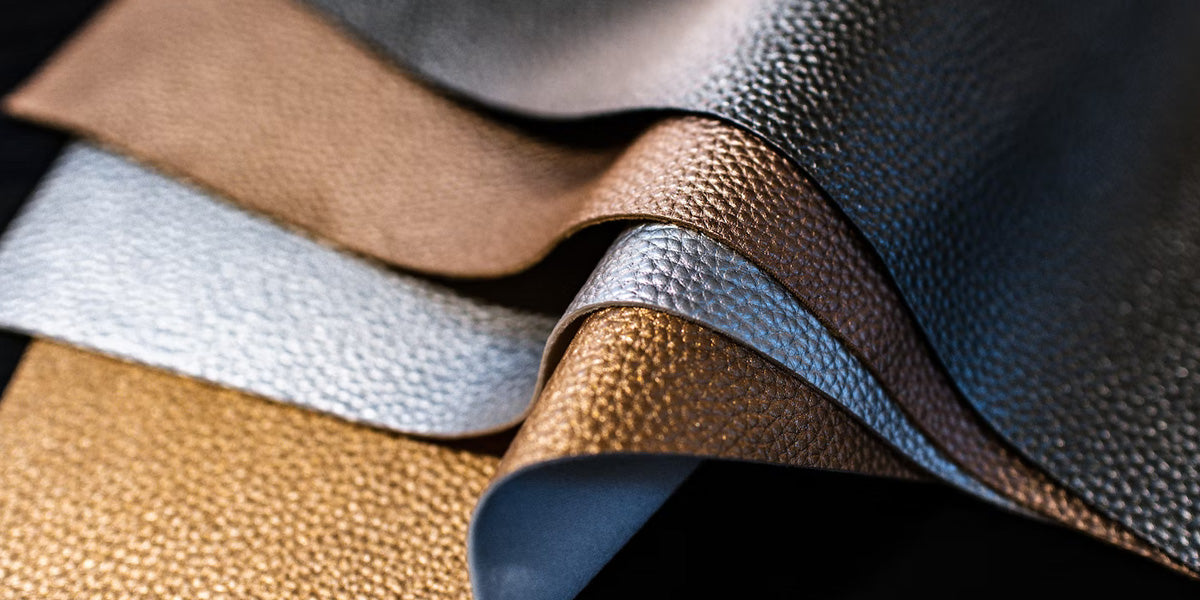
PU Leather vs. Vinyl: What Is the Difference?
PU Leather
Made with a polyurethane coating over a fabric backing. Softer and more breathable than vinyl, it closely mimics the feel of genuine leather and is the preferred choice for premium synthetic upholstery.
Vinyl (PVC)
Made from polyvinyl chloride. Extremely durable and water-resistant but less flexible and breathable than PU. Best suited for commercial environments or high-spill households where ease of cleaning is the top priority.
Both have their place. For home furniture where comfort and aesthetics lead the decision, PU leather typically wins out. For commercial settings or households with heavy practical demands, vinyl's near-imperviousness to moisture makes it a very strong contender.
What Is Considered Vegan Leather?
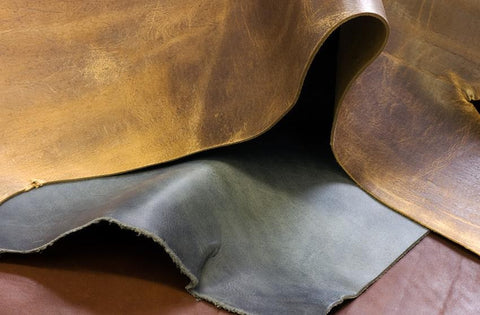
Vegan leather refers to any leather alternative containing no animal-derived materials. This includes PU leather, PVC vinyl, and newer bio-based innovations made from materials such as pineapple fibre, apple waste, cactus, and mushroom mycelium.
The vegan leather market has grown substantially in recent years as consumers become more aware of the ethical and environmental implications of animal leather production. Today's options range from accessible synthetic alternatives to genuinely luxurious innovative materials that rival genuine leather in both feel and longevity.
If you are purchasing for ethical reasons, always check the label carefully. Bonded leather, despite its reconstituted nature, still contains real leather fibres and is therefore not vegan.
What Does "Leather-Bound" Mean in Furniture?
In a furniture context, "leather-bound" typically refers to a piece that is upholstered or edged with leather — either genuine or synthetic — often as a design accent rather than the primary covering material. You might see leather-bound edges on wooden shelving, desk accessories, or accent chairs where leather serves as a trim detail alongside another main fabric.
It is always worth clarifying this directly with a retailer, as the term can be used broadly and its meaning is not universally standardised.
A sleek, well-crafted chair that delivers the leather-look aesthetic at an accessible price point. Ideal for home offices, reading nooks, and accent seating throughout the home.
Conclusion
If you are searching for the most affordable entry point into a leather-look aesthetic, bonded leather gets you there — just go in with realistic expectations about lifespan and long-term durability. If you want something that will hold up better over years of use with minimal fuss, a quality PU faux leather is likely your best choice. And if durability in demanding conditions is your top priority, vinyl leatherette is the reliable workhorse of the group.
Genuine leather — particularly top-grain and full-grain — remains the gold standard for longevity and character, but it comes at a price point and maintenance requirement that does not suit every buyer or lifestyle.
Whatever you choose, being an informed shopper means you will never be let down by a material that simply was not the right fit for your needs. Use this guide as your reference, and shop with clarity and confidence.