

You've spotted a chair that looks strikingly similar to genuine leather — the texture, the sheen, even the feel — yet the price tag is surprisingly reasonable. Chances are you're looking at a piece made from bonded leather. Here's everything you need to know before you buy.
What Is Bonded Leather?
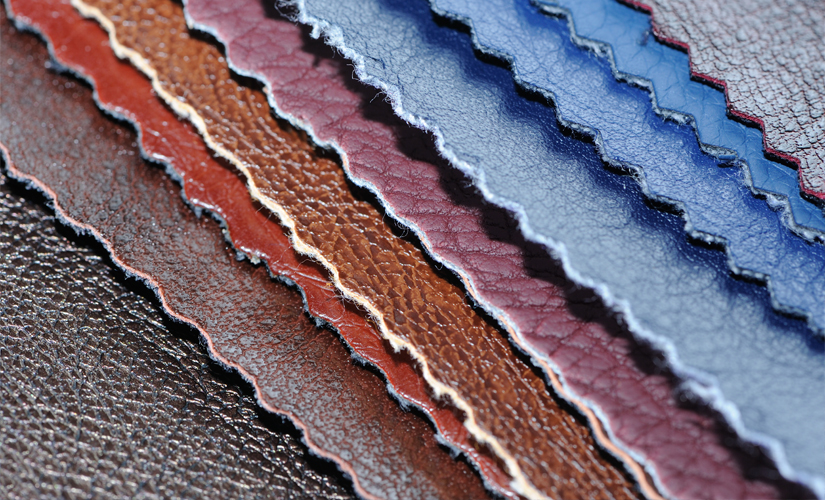
Bonded leather — also known as reconstituted or blended leather — is derived from animal hide, but it is not made of 100% natural leather. Instead, it is produced by shredding leftover leather scraps and leather fibre into a pulp. That pulp is then meshed between a fibre cloth and coated with polyurethane, which is embossed with a leather-like grain to replicate the appearance of the real thing.
How Is Bonded Leather Made?
Think of the manufacturing process as similar to making paper. Shredded leather scraps and fibre are combined with bonding agents, then released onto a paper or fabric backing. The sheet is dyed and embossed with a leather-like texture, before a polyurethane topcoat is applied to give the surface its characteristic glossy, smooth finish.
Why Choose Bonded Leather?
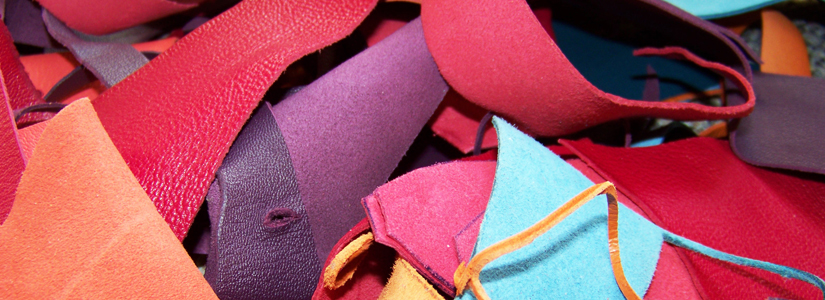
The appeal of bonded leather is easy to understand. For most shoppers, the lower cost compared to full-grain or top-grain leather makes it an attractive option. Beyond price, bonded leather is often marketed as an environmentally friendlier choice — it repurposes leather scraps that would otherwise end up in landfill, without requiring additional farming or processing of new hides.
A Versatile, Low-Maintenance Material
Bonded leather is easy to clean, comes in a wide variety of colors and finishes, and adapts to nearly any interior design direction — from traditional to contemporary. It's no surprise it has become a go-to choice for furniture manufacturers and accessory designers alike.
What Is Bonded Leather Used For?
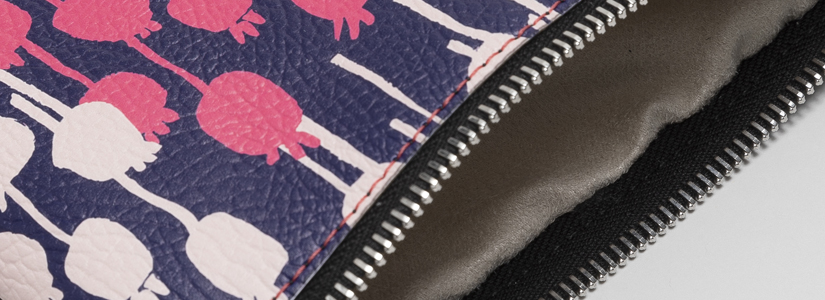
Bonded leather lends itself to a broad range of applications. In the furniture world, it is widely used for seating, sofas, and accent chairs. Fashion accessories such as handbags, belts, and shoe components are also commonly crafted from it. A more delicate, paper-backed version of bonded leather is often used to cover books — including diaries and Bibles — as well as a variety of desk accessories.
How Does It Differ From Real Leather?
Top-grain leather — the most common form of genuine leather — retains the "split" portion of the hide with any natural imperfections carefully sanded away for an even, smooth surface. It is then dyed and finished with a stain-resistant topcoat. Critically, real leather makes use of the full depth of the hide, while bonded leather is constructed only from scraps. That fundamental difference in origin is what distinguishes the two materials in terms of durability and longevity.
How to Clean Bonded Leather
Act quickly on spills. Use a clean damp cloth to wipe the surface and follow with a dry cloth. Non-alkaline cleaners and mild, non-detergent soaps are safe for bonded leather — but always test any product on a small, inconspicuous area first to check for colour fastness.
Avoid abrasive products. Harsh or abrasive cleaners can damage the polyurethane coating and accelerate peeling. Stick to gentle solutions and soft cloths to keep the surface looking its best for longer.
Advantages & Disadvantages at a Glance
Advantages
- Cost-effective alternative
- Environmentally friendlier — uses leftover hide
- Consistent, uniform appearance
- Soft, pliable, and lightweight
Disadvantages
- Less durable than genuine leather
- Prone to cracking and peeling over time
- Difficult to repair once damaged
- Can be costly in the long run if replaced frequently
Featured Product
New Pacific Direct Alexis Bonded Leather Chair
Experience the comfort and refined aesthetic of bonded leather in a thoughtfully crafted accent chair, ready to elevate any living space.
Alexis Leather Chair